Jamie Dimon Warns of Cyberattack Risks Amid Iran Conflict
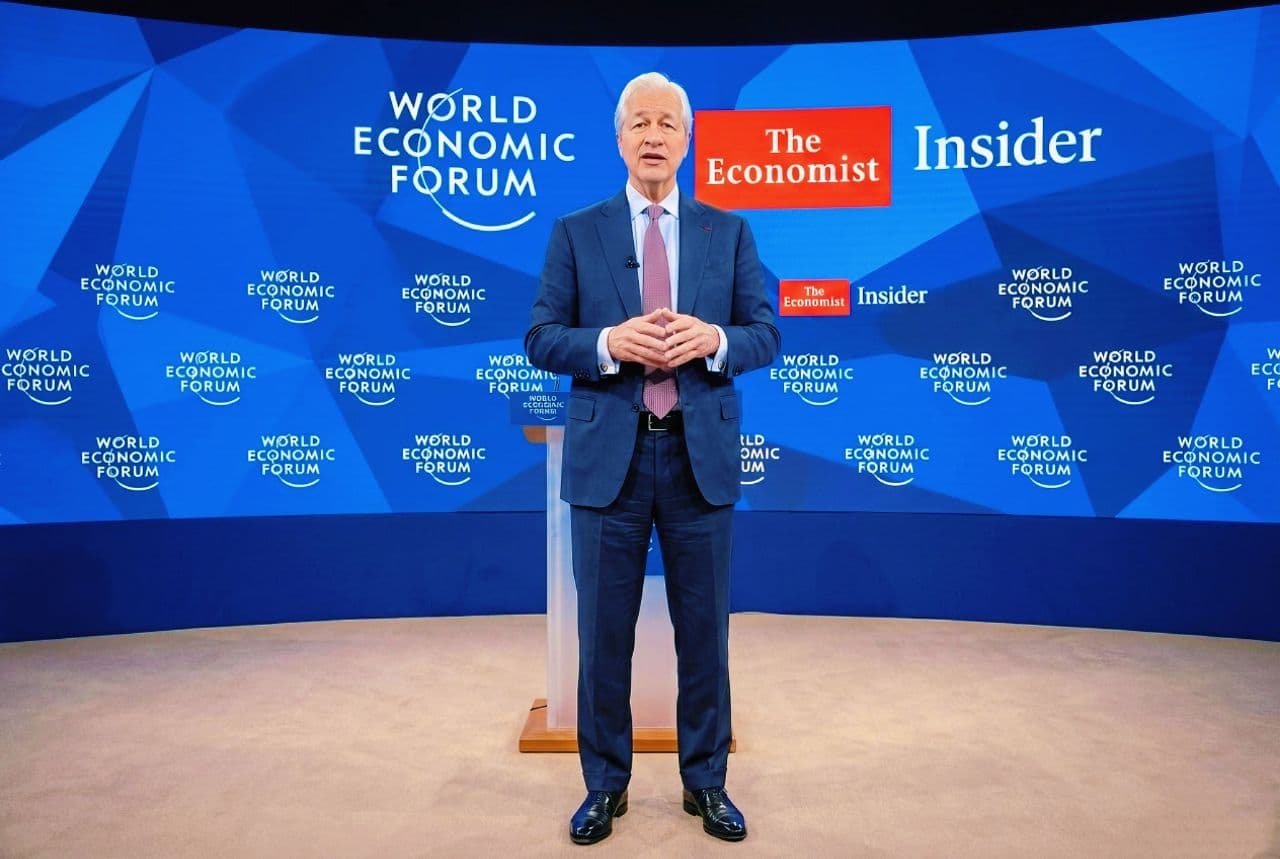
- JPMorgan CEO Jamie Dimon said it’s unlikely the war in Iran will cause “a major inflationary hit” in the U.S. unless the conflict leads to a prolonged disruption of oil trade. Short-term spikes in crude prices may lift gas costs modestly, but only extended supply interruptions would significantly impact inflation and consumer spending.
- Dimon also warned that U.S. strikes over the weekend could provoke retaliatory cyberattacks. He emphasized that JPMorgan invests heavily in cybersecurity, viewing it as one of the most serious risks facing the financial sector.
- These remarks highlight that the risks from the Iran conflict extend beyond energy markets. While oil price volatility remains the most visible concern, potential cyber threats could ripple through U.S. institutions and financial systems.
- For investors, the key takeaway is that monitoring both oil supply disruptions and cybersecurity threats is essential. Dimon’s comments underscore that the U.S. economy may withstand short-term energy shocks, but digital retaliation could pose a more immediate and overlooked risk.
Key Takeaways
Jamie Dimon: Inflation Risks Limited, Cyber Threats Rising Amid Iran Conflict
JPMorgan Chase CEO Jamie Dimon said fallout from U.S. strikes on Iran is unlikely to hit the average American’s wallet unless the conflict causes a prolonged disruption of oil trade. Appearing on CNBC, Dimon explained that short-term spikes in crude prices may lift gas costs modestly, but only extended supply interruptions would create a major inflationary shock.
The inflationary risk stems from oil prices. Iran warned ships against transiting the Strait of Hormuz, a critical passage through which 20% of the world’s oil flows. Concerns that Iran could close the strait or target energy infrastructure across the Middle East pushed West Texas Intermediate futures to an eight-month high on Monday.
Dimon also cautioned that U.S. strikes could provoke retaliatory cyberattacks. He emphasized that JPMorgan invests heavily in cybersecurity, viewing it as one of the most serious risks facing the financial sector. This highlights that the conflict’s impact may extend beyond energy markets into digital threats that could ripple through U.S. institutions.
For investors, the key takeaway is that while oil price volatility remains the most visible concern, cybersecurity risks are an overlooked but pressing threat. Dimon’s comments underscore the need to monitor both energy supply disruptions and potential digital retaliation as the conflict unfolds.
Why Inflation Risks From Iran Conflict Matter for Investors
Investors were already concerned about resurgent inflation before the U.S. and Israel launched strikes against Iran, sparking fears of disruptions to global oil flows. Rising fuel costs remain the most immediate risk, with oil futures jumping to an eight-month high on Monday.
Most experts agree that if the spike in oil prices is short-lived, the impact on consumer prices will be limited. Temporary volatility in energy markets may lift gas costs modestly, but it is unlikely to trigger a major inflationary shock unless the conflict drags on and supply disruptions persist.
The Strait of Hormuz, through which 20% of the world’s oil passes, remains the focal point of concern. Any prolonged closure or attack on energy infrastructure could reshape inflation expectations and force policymakers to reconsider their strategies.
For investors, the importance lies in monitoring both the duration of the conflict and the stability of oil flows. Short-term price surges may not derail the economy, but extended disruptions could significantly alter the inflation outlook and financial market sentiment.
Jamie Dimon: Cybersecurity Risks Loom as Iran Conflict Escalates
JPMorgan Chase CEO Jamie Dimon cautioned that while crude oil prices may rise modestly in the short term, only a prolonged disruption in global energy flows would trigger a major inflationary shock in the U.S. “This right now will increase gas prices a little bit,” Dimon said Monday, noting that extended conflict would be a different story.
President Donald Trump told The New York Times he initially expected the campaign to last “four to five weeks,” but later emphasized in a video address that operations would continue until all objectives are achieved.
Dimon warned that beyond inflation, there are other risks Americans should not overlook. He pointed to the likelihood of retaliatory cyberattacks or terrorist attacks, either domestically or abroad. Banks like JPMorgan, he said, are prime targets, adding: “I would consider that one of the highest risks banks bear. We spend a lot of money protecting ourselves from cyber. We think it’s part of our job.”
This underscores that the fallout from the Iran conflict may not be limited to energy markets. Cybersecurity threats could ripple through U.S. institutions, making digital resilience as critical as monitoring oil price volatility.
The Bottom Line
Jamie Dimon’s comments highlight that the Iran conflict is unlikely to cause a major inflationary shock in the U.S. unless oil trade disruptions are prolonged. Short-term spikes in crude prices may lift gas costs modestly, but the bigger overlooked risk lies in retaliatory cyberattacks. Dimon warned that U.S. strikes could make banks like JPMorgan prime targets, underscoring cybersecurity as one of the highest risks facing the financial sector today.
This means investors should watch not only energy markets but also digital security threats, as both could shape the economic and financial outlook in the weeks ahead.
Related Articles

Nvidia Projects $1 Trillion Chip Sales – AI Stocks Poised for Growth
Stock Market Closes Lower as Oil Prices Surge Despite IEA Release
Oracle Earnings Boost Stock but AI Market Momentum Stalls
Stock Market Update: Indexes Slip as Iran Conflict Fuels Volatility
Stock Market Rebounds as Oil Prices Drop on Trump Remarks
Nvidia-Backed Stocks Enter S&P 500: Growth Opportunity This Month

Stock Market Retreats as Jobs Report Shocks
Iran Conflict Sparks Market Volatility, Stocks Rebound From Early Lows
Wall Street’s Calm Response to Iran War: Stocks and Oil Outlook
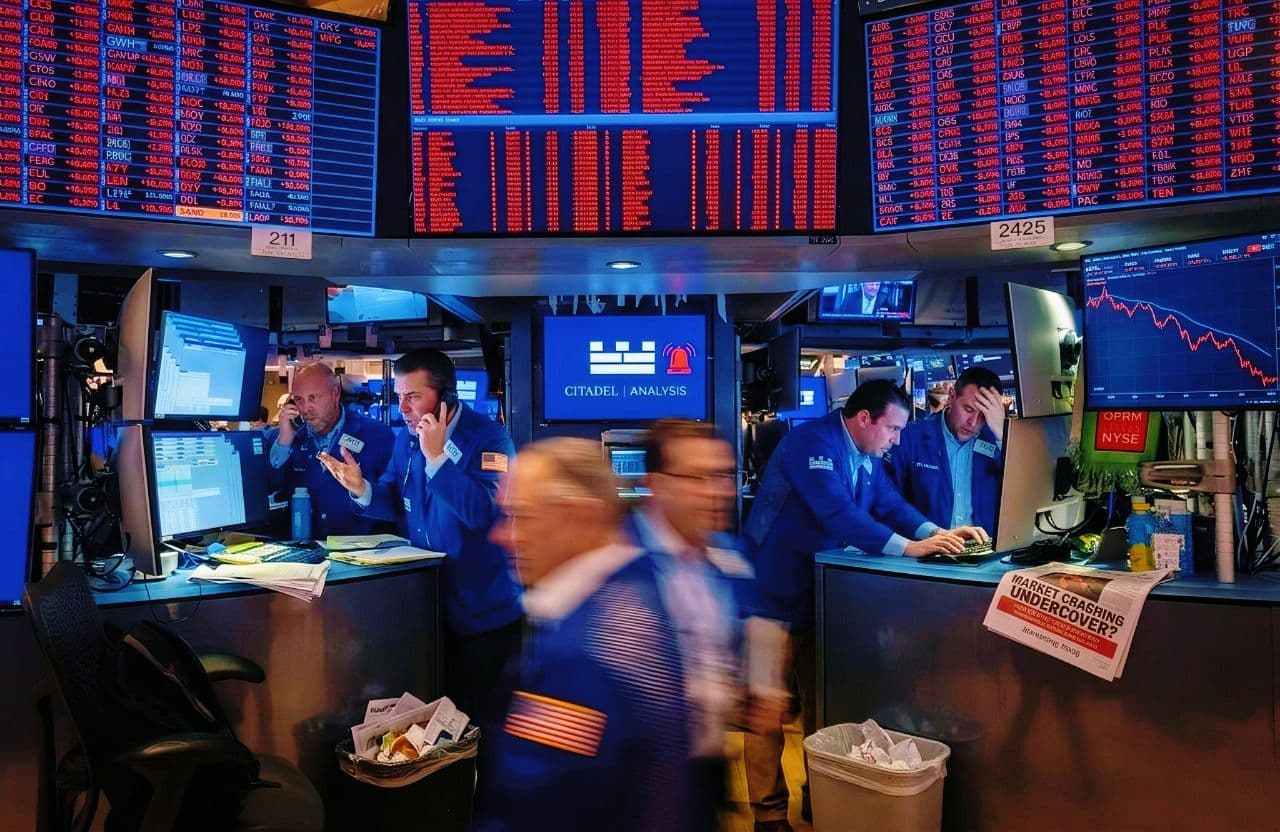
S&P 500 Stealth Correction: Expert Warns Market Has Crashed Beneath the Surface

Berkshire Hathaway Leadership 2026: Greg Abel’s Vision After Warren Buffett