Wall Street’s Calm Response to Iran War: Stocks and Oil Outlook

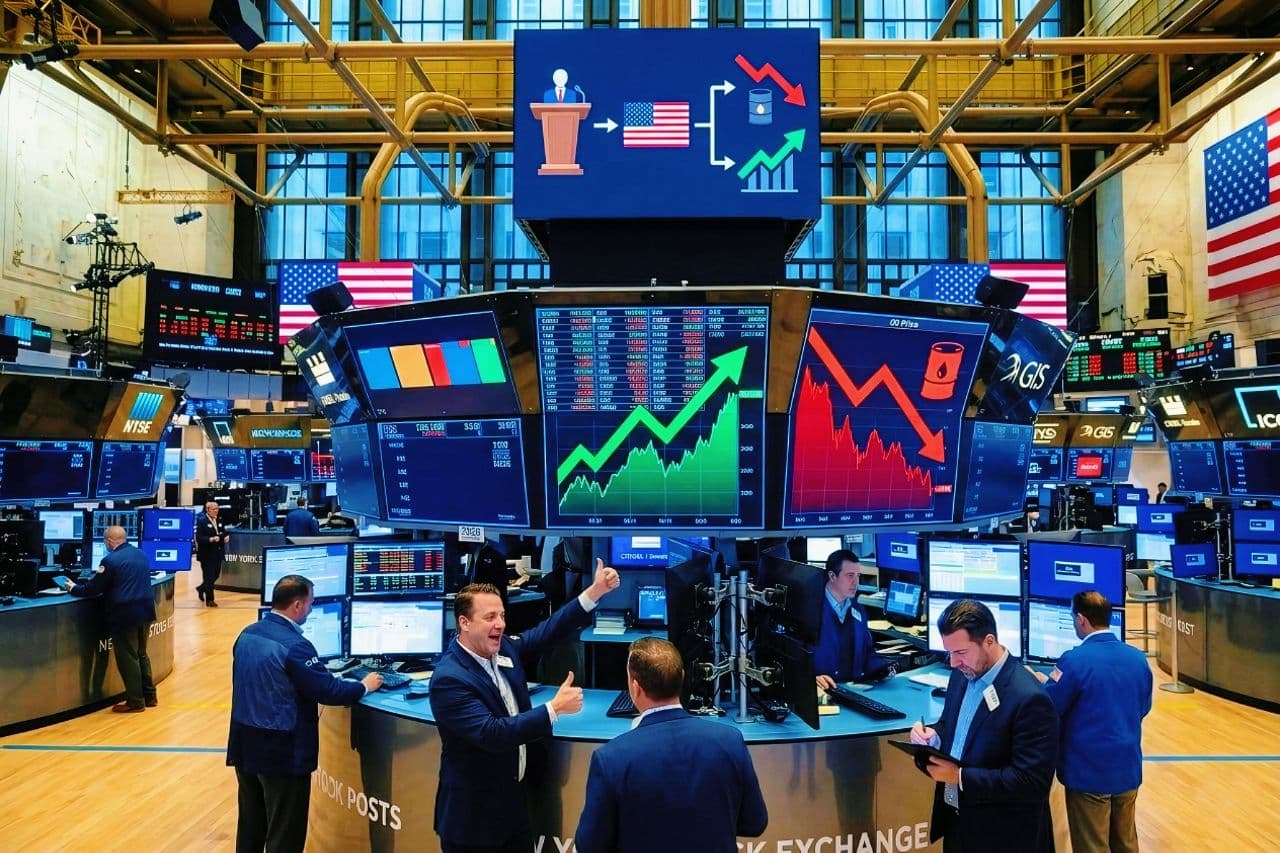
- Stocks rebounded from an early-morning sell-off for the second straight day on Tuesday, underscoring investor conviction that the U.S. war in Iran will not fundamentally alter the outlook for a resilient economy. This recovery highlights Wall Street’s ability to absorb geopolitical shocks without derailing broader market momentum.
- Economists note that only a complete closure of the Strait of Hormuz a scenario considered a remote possibility would be enough to drive oil prices high enough to create sustained negative effects on U.S. inflation and economic growth. As long as traffic continues through this critical energy corridor, oil-driven inflationary risks remain contained.
- The bond market has also stabilized after initial volatility, with Treasury yields holding near 4.06%. This suggests investors are not yet pricing in a prolonged energy shock, keeping financial conditions relatively steady.
- For investors, the takeaway is clear: while geopolitical risks remain, Wall Street’s resilience reflects confidence in the underlying strength of the U.S. economy. Monitoring oil prices and the Strait of Hormuz will be essential, but markets are signaling that the current conflict is unlikely to derail growth unless disruptions escalate significantly.
Key Takeaways
Wall Street Resilience Amid Iran War: Oil Prices and Market Outlook
Despite the conflict in the Middle East expanding to new fronts, investors are showing remarkable resilience. On Tuesday, stocks rebounded from an early-morning sell-off, echoing Monday’s session. Major indexes dropped about 2.5% in the first hour of trading but steadily pared losses to finish the day down less than 1%. This “buy the dip” mentality reflects confidence that the U.S. economy remains strong enough to withstand geopolitical shocks.
Morgan Stanley analysts noted that the worst-case scenario for U.S. markets would be a sharp and persistent rise in oil prices, enough to threaten the duration of the business cycle. However, they believe the U.S. is in an early-cycle environment with favorable drivers, meaning oil would need to become a significant drag to offset economic strength.
Economists at Oxford Economics echoed this view, emphasizing that only a severe closure of the Strait of Hormuz would meaningfully alter the U.S. outlook. While traffic through the strait slowed after U.S. and Israeli strikes on Iran, President Donald Trump’s comments about U.S. naval escorts for tankers helped moderate oil price gains.
For investors, the key takeaway is that Wall Street remains confident in the economy’s resilience. Unless oil prices surge sharply and remain elevated, the conflict is unlikely to derail growth. Monitoring energy supply disruptions and Federal Reserve policy will be crucial, but for now, markets are signaling stability despite geopolitical escalation.
Why This Is Important
Oil prices remain the primary channel through which investors expect the Middle East conflict to affect the U.S. economy and stock market. While geopolitical shocks often trigger volatility, many experts believe the U.S. economy can withstand higher prices if disruptions to global oil supply are short-lived.
A complete closure of the Strait of Hormuz a critical passage for global energy flows would be the scenario most likely to drive oil prices sharply higher and create lasting inflationary pressures. Economists emphasize that such an outcome is considered unlikely, which helps explain why Wall Street has taken the conflict in stride so far.
For investors, the key takeaway is that monitoring oil prices and supply chain disruptions is essential. Short-term spikes may not derail growth, but sustained increases could reshape inflation expectations, Federal Reserve policy, and overall market sentiment.
Strait of Hormuz Closure Threatens Oil Prices and U.S. Market Stability
Economists at Oxford Economics maintain that the U.S. economy’s “goldilocks” environment steady growth with manageable inflation will remain largely unaffected unless the Strait of Hormuz faces a severe closure. This narrow waterway, bordering Iran and connecting the Persian Gulf to the Indian Ocean, is one of the most critical chokepoints in the global energy system. Roughly 20% of the world’s oil and liquefied natural gas flows through it, making it a central vulnerability for global markets.
Over the weekend, traffic slowed sharply after U.S. and Israeli strikes against Iran, and by Tuesday, Iran announced the strait would be closed to all ships. That move sent oil prices higher for the second consecutive day, raising concerns about sustained inflationary pressures. However, the surge moderated after President Donald Trump pledged that the U.S. Navy would escort tankers through the strait if necessary, signaling efforts to stabilize energy flows and reassure markets.
For investors, the Strait of Hormuz remains the key risk factor. A prolonged or complete shutdown would likely drive oil prices sharply higher, fueling inflation and threatening U.S. growth. But if disruptions prove temporary, the broader economic outlook is expected to remain resilient, with Wall Street continuing to shrug off short-term volatility.
The bottom line is that oil prices are the primary mechanism through which the Middle East conflict could impact U.S. markets. Short-lived disruptions may not derail growth, but sustained energy shocks would reshape inflation expectations, Federal Reserve policy, and investor sentiment.
Strait of Hormuz Risks: Oil Prices, Inflation, and Fed Policy Outlook
Oxford Economics estimates that even a modest disruption in the Strait of Hormuz lasting two months could push oil prices high enough to add 0.3 to 0.4 percentage points to U.S. inflation. That increase would heighten concerns about tariffs driving prices higher this year and could prompt the Federal Reserve to keep interest rates unchanged through the first half of the year. However, their modeling suggests such a scenario would not significantly crimp consumer spending or derail financial markets.
The firm emphasizes that only a complete shutdown of the strait would meaningfully alter the economic outlook. In that case, Brent crude the European benchmark would likely surge to $130 a barrel, about $50 higher than recent trading levels. Such a spike would represent a sustained inflationary shock, forcing markets and policymakers to reassess growth prospects.
On Tuesday, Oxford Economics placed the likelihood of a full blockade at just 10%. They noted that the odds are “diminishing over time” as Iran extends its retaliatory strikes and depletes its firepower. This assessment reflects confidence that while risks remain, the probability of a prolonged disruption is relatively low.
For investors, the key takeaway is that short-term volatility in oil prices may not derail the U.S. economy, but a complete closure of the Strait of Hormuz would be a game-changer. Monitoring energy flows and Fed policy signals will be critical as markets navigate the evolving conflict.
The Bottom Line
Oxford Economics projects that a modest disruption in the Strait of Hormuz lasting two months could lift oil prices enough to add 0.3 to 0.4 percentage points to U.S. inflation. That increase would heighten concerns about tariffs and likely keep the Federal Reserve from cutting interest rates in the first half of the year. Still, their modeling suggests consumer spending would remain resilient, preventing markets from derailing.
The firm stresses that only a complete shutdown of the strait would meaningfully change the economic outlook. In such a scenario, Brent crude could surge to $130 a barrel, about $50 higher than recent trading levels, creating a sustained inflationary shock.
Oxford Economics currently places the likelihood of a full blockade at just 10%, noting that the odds are diminishing as Iran depletes its firepower while extending retaliatory strikes. This assessment reflects confidence that while risks remain, the probability of a prolonged disruption is relatively low.
The bottom line is that oil prices are the key mechanism through which the Middle East conflict could impact U.S. markets. Short-lived disruptions may not derail growth, but a complete closure of the Strait of Hormuz would be a game-changer, reshaping inflation expectations, Fed policy, and investor sentiment.
Related Articles

Nvidia Projects $1 Trillion Chip Sales – AI Stocks Poised for Growth

Stock Market Closes Lower as Oil Prices Surge Despite IEA Release

Oracle Earnings Boost Stock but AI Market Momentum Stalls

Stock Market Update: Indexes Slip as Iran Conflict Fuels Volatility
Stock Market Rebounds as Oil Prices Drop on Trump Remarks

Nvidia-Backed Stocks Enter S&P 500: Growth Opportunity This Month

Stock Market Retreats as Jobs Report Shocks

Iran Conflict Sparks Market Volatility, Stocks Rebound From Early Lows
Jamie Dimon Warns of Cyberattack Risks Amid Iran Conflict
S&P 500 Stealth Correction: Expert Warns Market Has Crashed Beneath the Surface

Berkshire Hathaway Leadership 2026: Greg Abel’s Vision After Warren Buffett