Berkshire Hathaway Leadership 2026: Greg Abel’s Vision After Warren Buffett
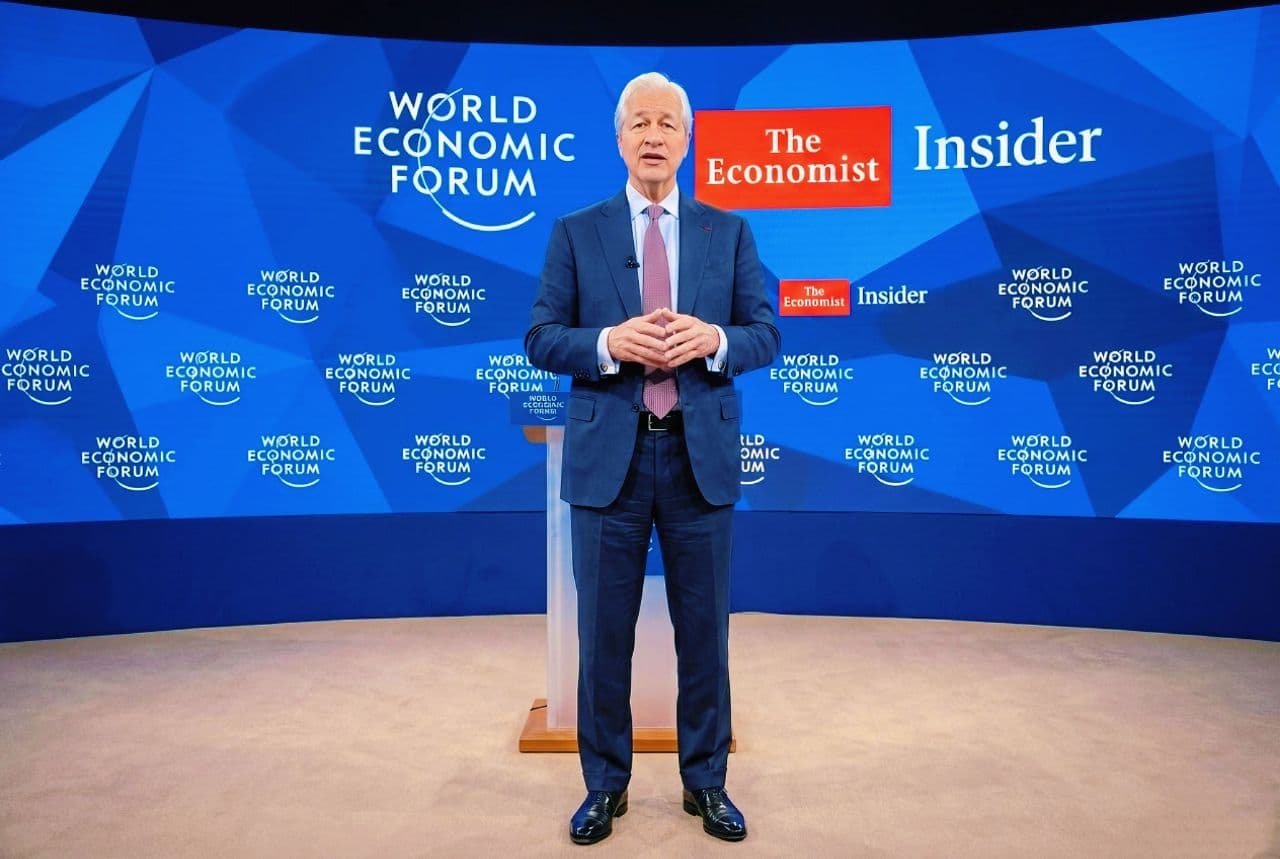
- Greg Abel delivered his first shareholder letter as Berkshire Hathaway’s CEO on Saturday, marking the company’s new era after Warren Buffett stepped down in December. Abel acknowledged Buffett’s legacy while emphasizing his commitment to making Berkshire “even stronger” under his leadership.
- In Buffett’s final quarter as CEO, Berkshire’s operating earnings dropped nearly 30%, driven by write-downs of its stakes in Kraft Heinz and Occidental Petroleum. This underscores the challenges Abel inherits as he takes the reins of one of the world’s most closely watched conglomerates.
- Abel’s message focused on continuity and resilience, signaling that while Berkshire faces near-term earnings pressures, its diversified portfolio and long-term investment philosophy remain intact. His leadership will be closely scrutinized as investors look for stability and growth in the post-Buffett era.
Key Takeaways
Berkshire Hathaway’s New Era Under Greg Abel
Greg Abel, Warren Buffett’s hand-picked successor, used his first annual shareholder letter to reassure investors that Berkshire Hathaway will remain strong and true to its core values. He acknowledged Buffett’s unmatched legacy, calling him “a very hard act to follow,” while pledging to build on the foundation Buffett established over six decades. Abel emphasized continuity, resilience, and long-term growth as Berkshire transitions into its post-Buffett era.
Abel’s letter came alongside Berkshire’s fourth-quarter earnings report, which showed a nearly 30% year-over-year drop in operating earnings to $10.2 billion. The decline was largely due to write-downs on stakes in Kraft Heinz and Occidental Petroleum, with Abel openly admitting that the Kraft Heinz investment has been disappointing.
Despite the earnings setback, Abel’s tone was forward-looking. He assured shareholders that while he won’t match Buffett’s 60-year tenure, his goal is to make Berkshire “even stronger” over the next two decades. He stressed that Berkshire’s diversified portfolio and disciplined investment philosophy remain intact, positioning the company for stability and growth.
The transition marks a pivotal moment for Berkshire Hathaway. Investors will be closely watching Abel’s leadership style, strategic decisions, and ability to maintain confidence in the conglomerate’s future. His first letter signals a commitment to both honoring Buffett’s legacy and adapting to new challenges in a changing market environment.





Amid uncertainty about how Berkshire Hathaway could evolve under new leadership, Greg Abel has made it clear that his priority is to uphold Warren Buffett’s legacy while steering the company toward continued strength. His first shareholder letter emphasized stability, long-term growth, and a commitment to values that have defined Berkshire for decades.
For investors, this reassurance is critical. Buffett’s departure after six decades leaves questions about whether Berkshire can maintain its disciplined investment philosophy and consistent returns. Abel’s message directly addresses those concerns, signaling continuity even as the company adapts to new challenges.
Importantly, Buffett still remains on Berkshire’s board at age 95, providing oversight and continuity during this transition. His presence offers investors additional confidence that Berkshire’s core principles will remain intact while Abel builds his own track record as CEO.
This moment underscores the significance of leadership succession in one of the world’s most closely watched conglomerates. Abel’s ability to convince shareholders of Berkshire’s resilience will shape both investor confidence and the company’s trajectory in the post-Buffett era.
Here’s a concise breakdown of the latest Berkshire Hathaway results and why they matter:
- Cash & Treasuries: Berkshire’s holdings fell to $373.3 billion, down from a record $381.7 billion in Q3. The company also held off on share buybacks, signaling caution in capital deployment.
- Operating Earnings: For 2025, operating earnings slid to $44.5 billion, compared with $47.4 billion in 2024. Despite the decline, results were still above the five-year average of $37.5 billion, underscoring resilience.
- CEO Commentary: Greg Abel emphasized that the results highlight the durability of Berkshire’s businesses, while also pointing to “opportunities for further improvement.”
- Context: This comes after Buffett’s final quarter as CEO showed a 30% drop in operating earnings, driven by write-downs in Kraft Heinz and Occidental Petroleum. Buffett remains on the board, offering continuity during the transition.
Investors are watching closely to see if Abel can maintain Berkshire’s disciplined approach while navigating earnings pressure and capital allocation decisions. His first letter signals both respect for Buffett’s legacy and a commitment to strengthening Berkshire in the years ahead.





Berkshire’s Dividend Decision and Market Context
Greg Abel, Berkshire Hathaway’s new CEO, confirmed that the company will not introduce a dividend, despite speculation ahead of the latest earnings report. Abel reiterated Berkshire’s long-standing philosophy: “Our approach to cash dividends continues to be that Berkshire will not pay dividends so long as more than one dollar of market value for shareholders is reasonably likely to be created by each dollar of retained earnings.”
This stance reflects Berkshire’s preference for reinvesting profits into its businesses or opportunistic buybacks rather than distributing cash directly to shareholders. However, Berkshire held off on buybacks this quarter, signaling caution in capital allocation.
Meanwhile, Berkshire’s Class B shares (BRK.B) have added less than 1% in 2026 so far and remain about 6% below last May’s highs, before Buffett announced his departure as CEO. Investors are closely watching Abel’s leadership style and capital deployment decisions to gauge how Berkshire will balance growth, shareholder value, and stability in the post-Buffett era.


The Bottom Line
Greg Abel’s first year as Berkshire Hathaway’s CEO underscores both the challenges and opportunities of succeeding Warren Buffett. Operating earnings fell nearly 30% in Buffett’s final quarter and slipped to $44.5 billion for the full year, but still exceeded the five-year average of $37.5 billion. Cash and Treasury holdings dipped slightly, and Berkshire held off on buybacks, reflecting a cautious approach to capital allocation.
Importantly, Abel reaffirmed Berkshire’s long-standing stance against dividends, emphasizing that retained earnings continue to generate more shareholder value than direct payouts. While Class B shares (BRK.B) remain about 6% below last year’s highs, Abel’s message focused on durability and long-term strength, assuring investors that Berkshire will remain resilient and “even stronger” in the decades ahead.
With Buffett still on the board, Berkshire’s leadership transition balances continuity with fresh direction. For investors, the bottom line is clear: Berkshire’s fundamentals remain solid, and Abel’s stewardship will be closely watched as he works to prove that the company can thrive in the post-Buffett era.