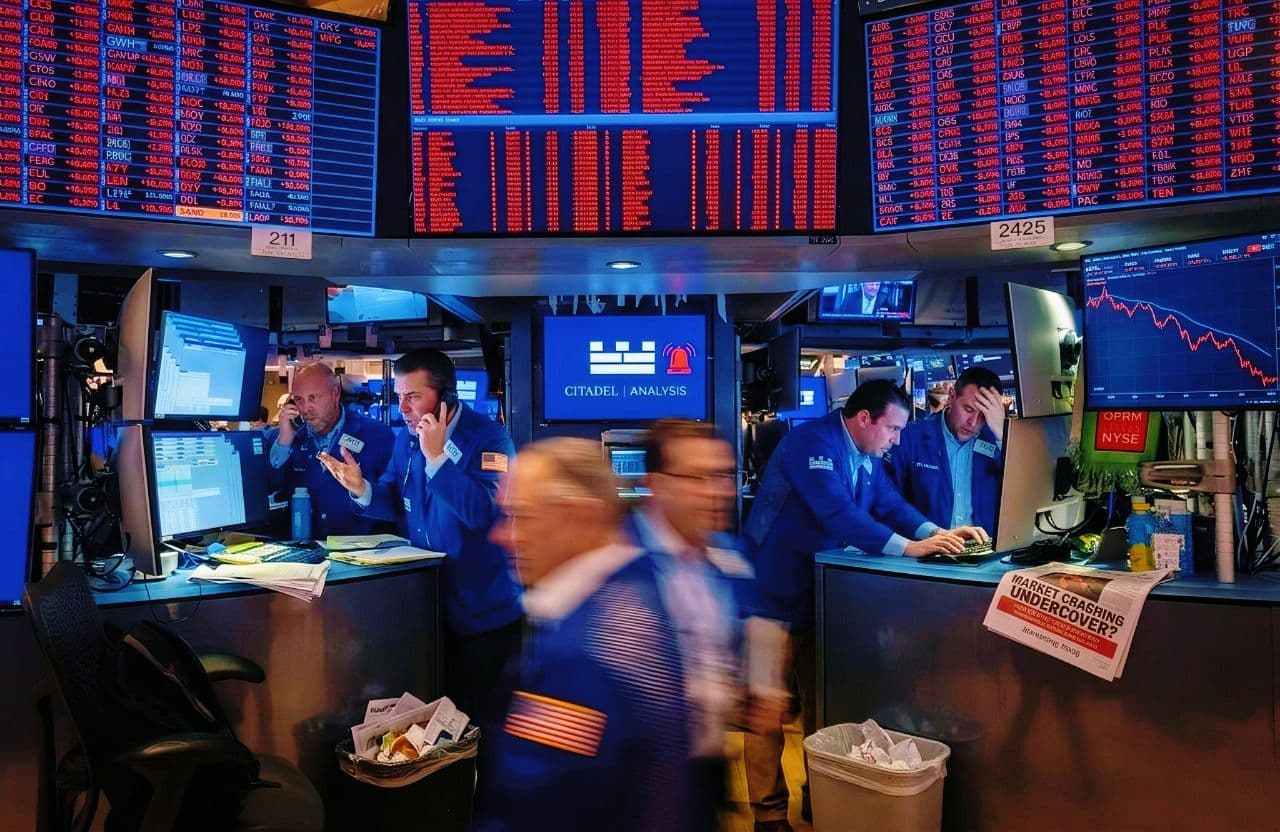
Dow Jones Falls as Tariff Threats Shake Markets; Gold & Silver Hit Record Highs
- Dow Jones Futures Drop: U.S. stock futures fell sharply after Trump threatened new tariffs over Greenland.
- Treasury Yields Surge: Bond yields spiked, signaling investor concern about higher borrowing costs and global trade tensions.
- Gold & Silver Hit Records: Safe-haven assets surged, with both gold and silver reaching fresh all-time highs.
- Global Market Impact: The tariff threat rattled international markets, adding volatility ahead of key economic events.
Key Takeaways
Dow Jones, Nasdaq, S&P Futures Drop as Trump Tariff Threats Shake Markets; Gold, Silver Hit Records
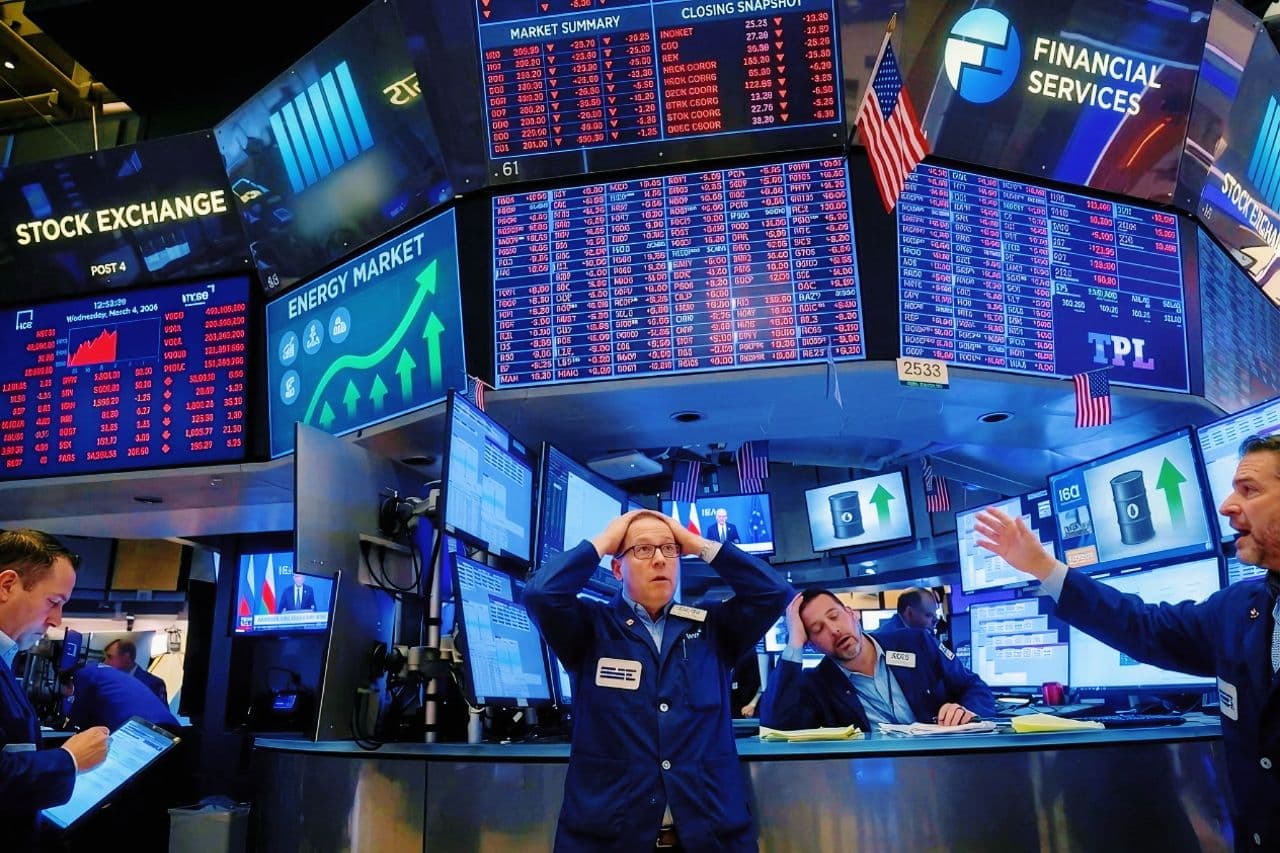
Stocks were set to open sharply lower Tuesday after President Donald Trump threatened new tariffs on eight NATO allies opposing his Greenland sale plan. Futures for the Nasdaq 100, S&P 500, and Dow Jones fell 1.9%, 1.6%, and 1.4%, respectively, following Trump’s Truth Social post announcing 10% tariffs starting Feb. 1 and 25% tariffs by June 1.
Markets were closed Monday for Martin Luther King Jr. Day, but big tech led Tuesday’s premarket declines. Nvidia, Alphabet, Amazon, Meta, and Tesla dropped 2% to 3%. Trump is expected to meet with parties about Greenland at Davos, where he will also address housing affordability. Traders await a Supreme Court ruling on the legality of his “Liberation Day” tariffs.
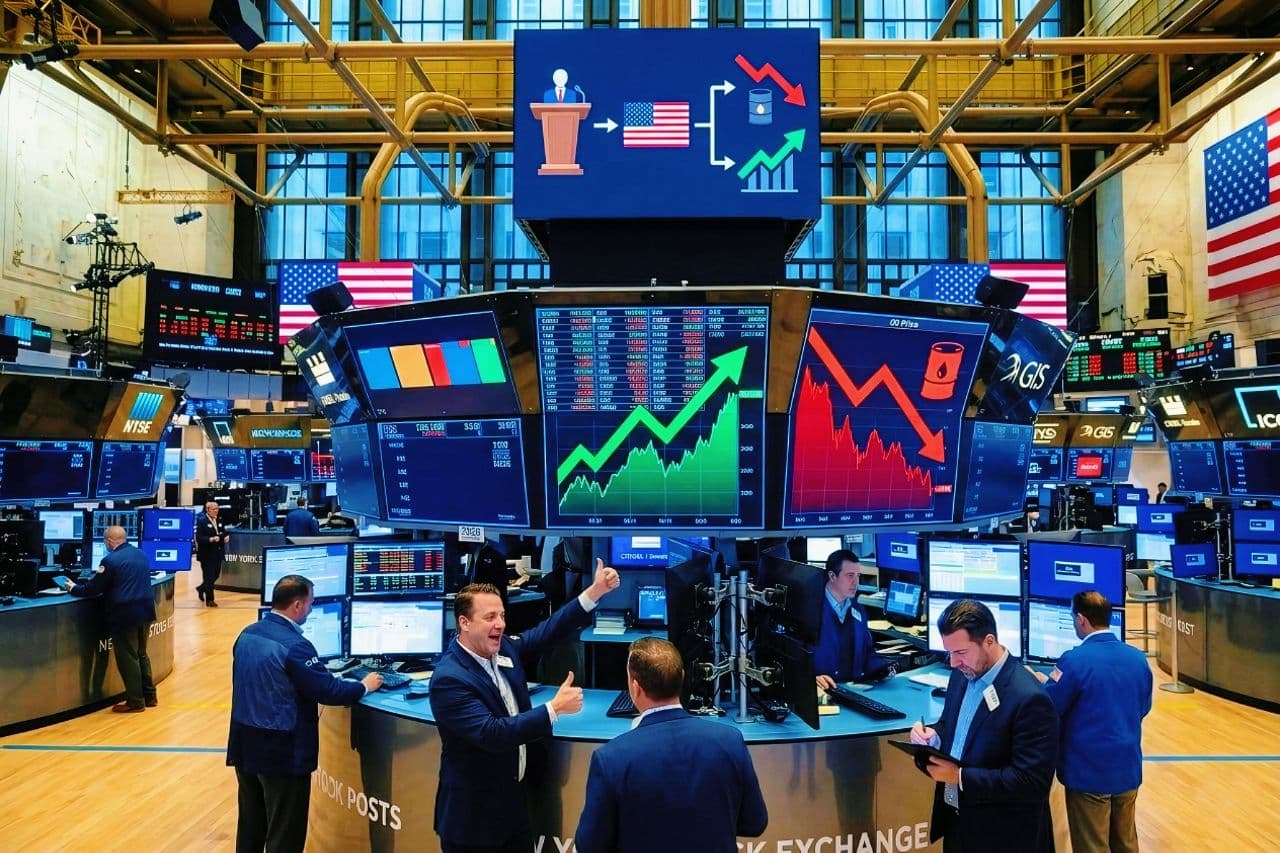
The 10-year Treasury yield climbed six basis points to 4.29%, while gold and silver futures surged to fresh all-time highs of $4,740 and $95.75. Bitcoin slipped to $91,000, the U.S. dollar index fell 1% to 98.38, and WTI crude rose 0.7% to $59.85.
Netflix gained 1.5% ahead of earnings after Warner Bros. Discovery approved a $27.75 billion all-cash acquisition offer. Paramount Skydance shares fell 1.2% amid its hostile takeover attempt, while WBD edged lower. Post-earnings, 3M and Fastenal dropped 5% and 6.5%, respectively.






Shares of Fastenal (FAST) dropped 6.5% in premarket trading after reporting fiscal 2025 fourth-quarter results that narrowly missed Wall Street expectations. The industrial distributor posted net sales up 11% year-over-year to just under $2.03 billion, with an operating margin of 19.0%. Analysts had forecast slightly higher sales above $2.03 billion and a margin of 19.4%.
Earnings per share came in at $0.26, matching consensus estimates. The company noted that broader market conditions remain mixed, citing ongoing challenges in industrial production.
Fastenal stock had gained about 15% over the past year heading into Tuesday’s session, but the weaker-than-expected margin pressured shares lower despite solid revenue growth.






Trump Housing Affordability Plan: Aggressive Mortgage Reforms Expected at Davos
Housing affordability has become a pressing challenge for the U.S. economy, and President Donald Trump is preparing to unveil what he calls “aggressive” reforms for the housing market this week.
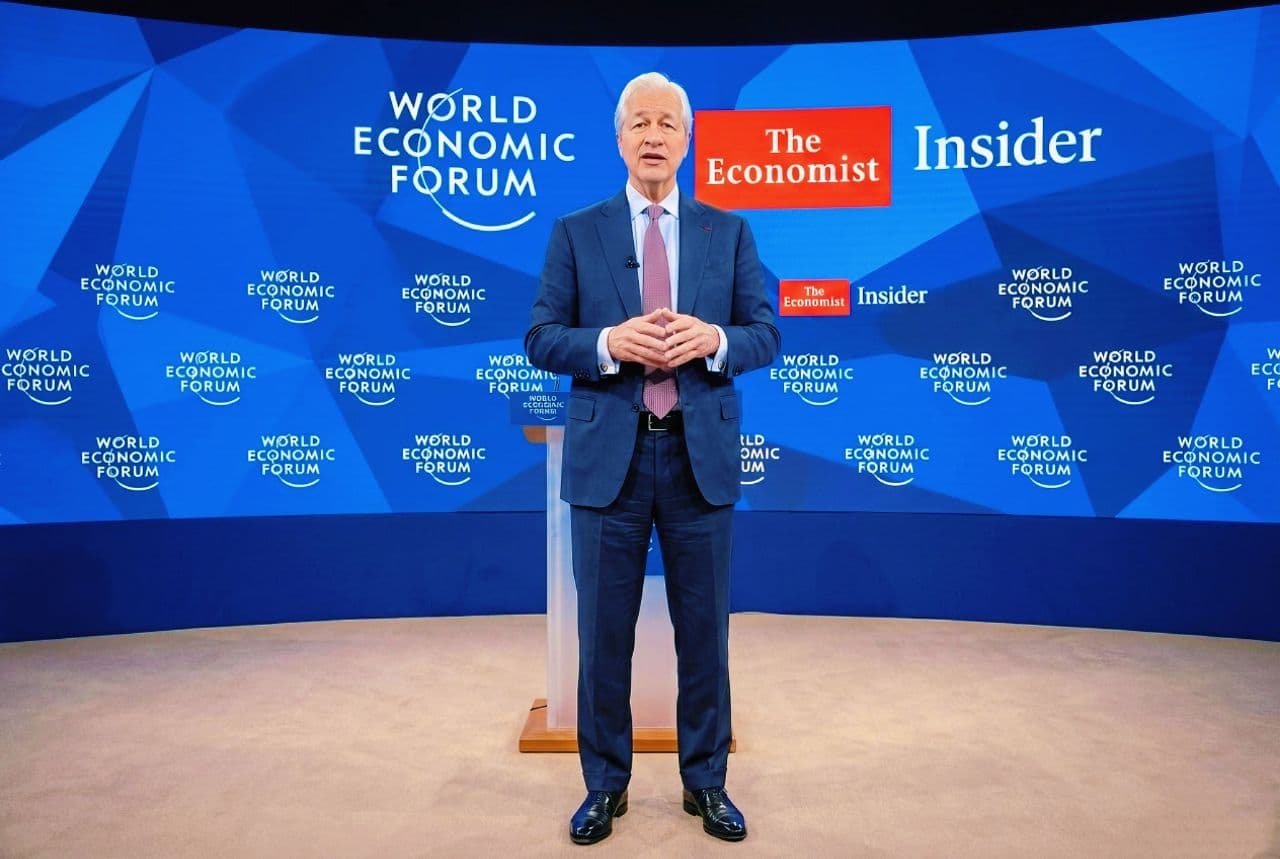
Trump confirmed he will use his Wednesday speech at the World Economic Forum in Davos, Switzerland, to outline proposals that could reshape mortgages and the way Americans purchase homes. His advisors have signaled that the reforms may carry significant implications for affordability and access to housing.






RAPT Therapeutics Stock Surges 65% as GSK Announces $2.2B Acquisition
Tuesday proved rough for broader markets, but RAPT Therapeutics (RAPT) shareholders saw a sharp rally. Shares jumped nearly two-thirds in premarket trading after pharmaceutical giant GSK (GSK) revealed plans to acquire the California-based biopharma company in a $2.2 billion stock deal.
Under the agreement, GSK will pay $58.00 per share a 65% premium to Friday’s $35.10 close representing an upfront investment of about $1.9 billion. The deal, expected to close in Q1 2026, grants GSK global rights to RAPT’s experimental food-allergy drug ozureprubart, excluding mainland China, Macau, Taiwan, and Hong Kong.
GSK Chief Scientific Officer Tony Wood highlighted the drug’s potential, noting current treatments require injections every two weeks, while ozureprubart could extend protection with dosing every 12 weeks. He emphasized the acquisition aligns with GSK’s strategy to target validated assets addressing unmet medical needs.
RAPT Therapeutics stock entered Tuesday already up about 265% over the past year, with the acquisition news fueling further momentum.






Dow Jones Futures Fall 1.3% After Trump Tariff Threats Over Greenland
Futures tied to the Dow Jones Industrial Average dropped 1.3% Tuesday after President Donald Trump threatened new tariffs on Greenland-related trade disputes. The move rattled investor sentiment, signaling heightened volatility in global markets.






The Bottom Line
The bottom line is that Trump’s new tariff threats over Greenland rattled global markets, sending Dow Jones futures down 1.3% and sparking broad declines in tech stocks. Treasury yields climbed, signaling tighter financial conditions, while gold and silver hit fresh all-time highs as investors sought safety. Bitcoin slipped, the dollar weakened, and crude edged higher, underscoring the volatility across asset classes. For investors, the mix of geopolitical risk and shifting monetary signals highlights the need to stay alert as markets brace for further turbulence.