Dow Jones Falls as Trump Picks Warsh for Fed — Gold, Silver Drop, Dollar Strengthens
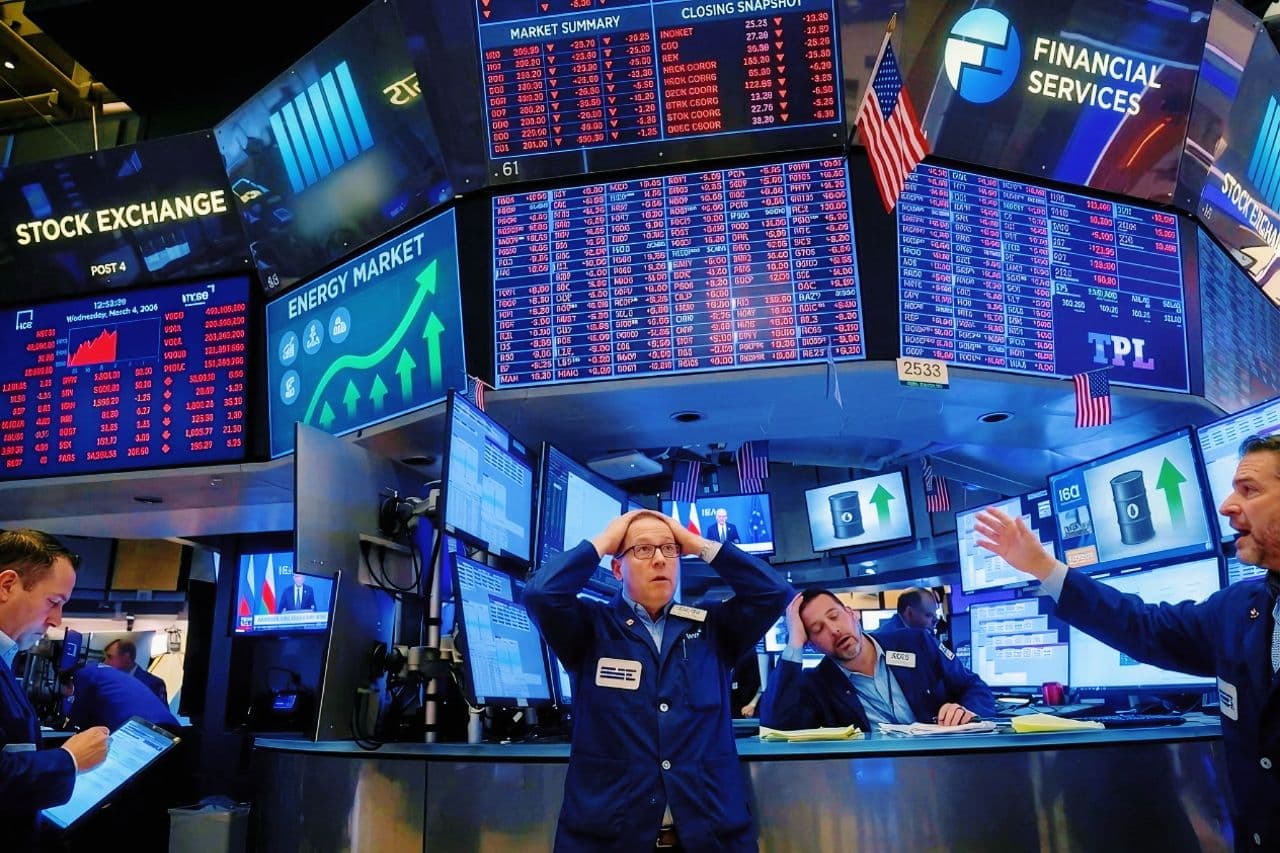
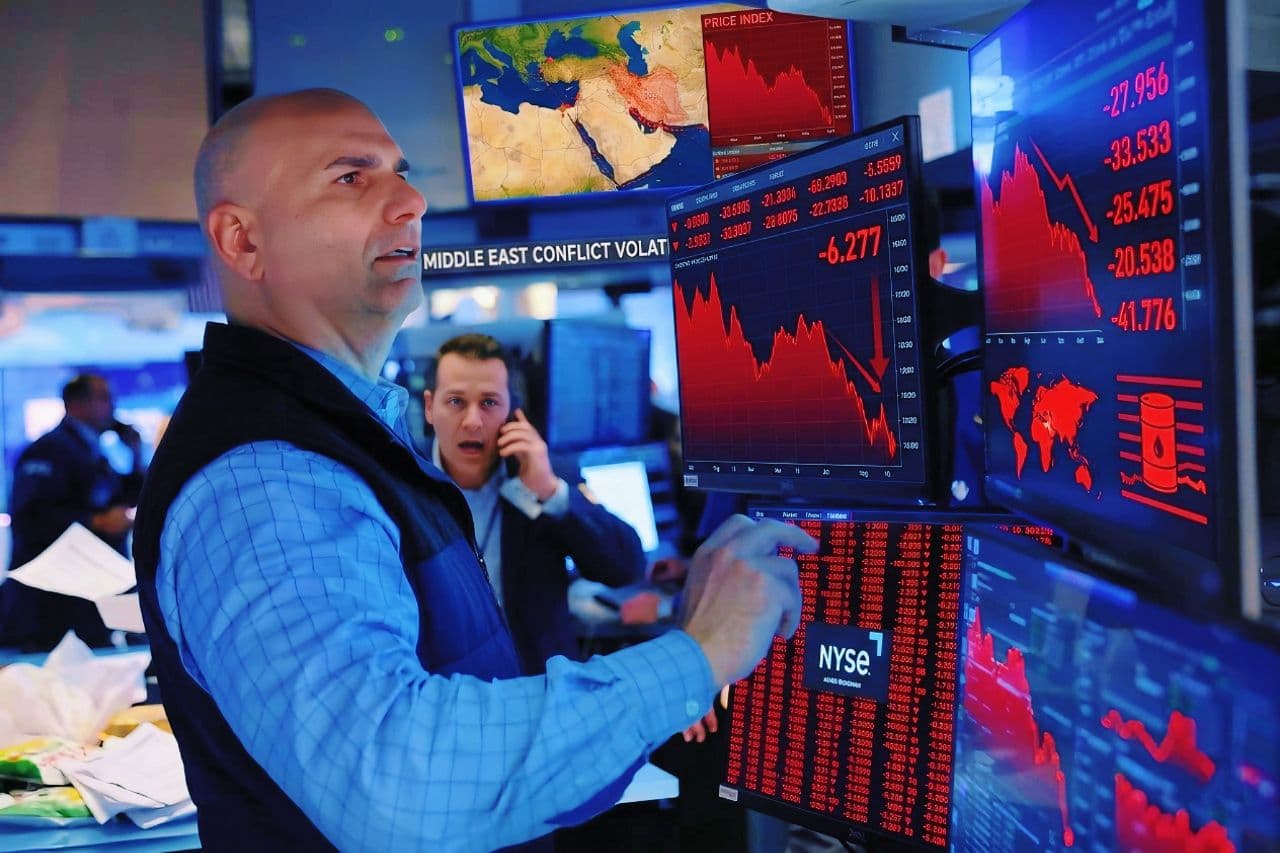
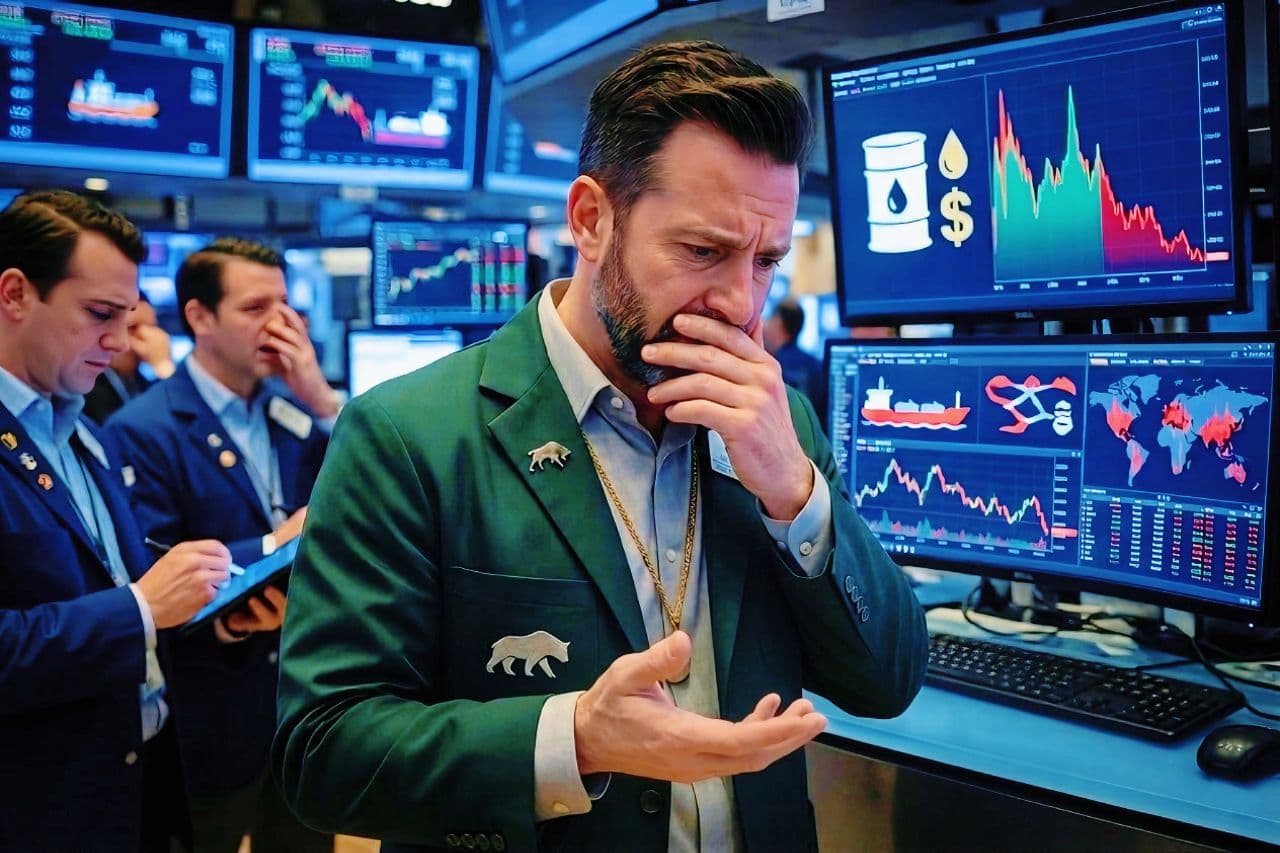
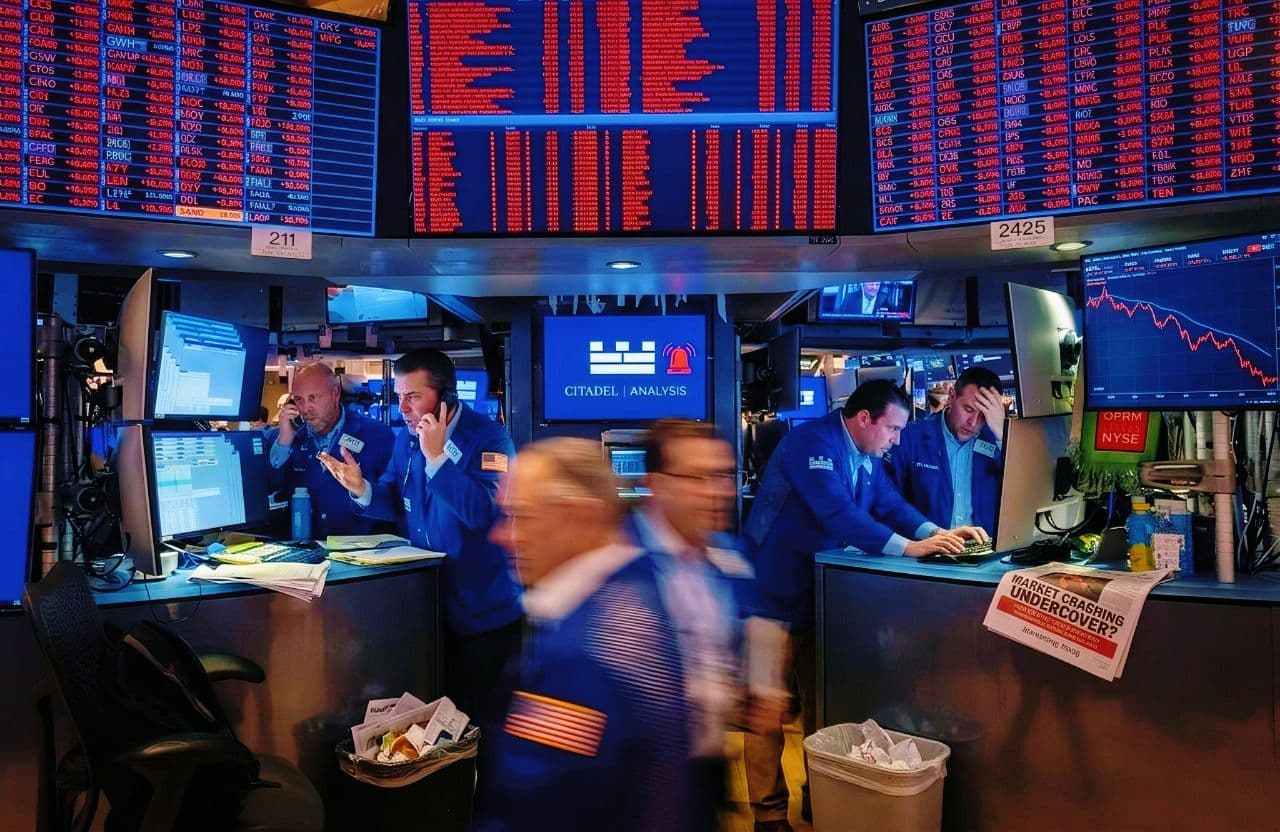
- Markets Decline: U.S. stock indexes, including the Dow Jones, closed lower at the end of the week, reflecting investor uncertainty.
- Fed Leadership Shift: President Donald Trump nominated former Fed Governor Kevin Warsh to succeed Jerome Powell as Federal Reserve Chair, signaling potential changes in monetary policy.
- Precious Metals Drop: Gold and silver prices fell sharply, as investors anticipated tighter monetary conditions and a stronger dollar.
- Dollar Strengthens: The U.S. dollar firmed against major currencies, reflecting market confidence in Warsh’s credibility and expectations of disciplined inflation control.
- Investor Sentiment: The combination of falling equities, weaker metals, and a stronger dollar highlights how markets are recalibrating to the prospect of Warsh’s leadership at the Fed.
Key Takeaways
Dow Jones, Nasdaq Slide as Trump Picks Warsh for Fed Chair — Gold, Silver Tumble, Dollar Gains
Stocks pulled back Friday with the Nasdaq down 1.1%, the S&P 500 off 0.6%, and the Dow Jones slipping 0.4% as traders reacted to President Donald Trump’s nomination of Kevin Warsh to succeed Jerome Powell as Federal Reserve Chair. Trump praised Warsh as potentially “one of the GREAT Fed Chairmen” in his announcement. Despite the declines, the Dow remained on track for its ninth consecutive monthly gain, while the S&P 500 was poised to end January higher and close the week in the green.
Economic data also weighed on sentiment, with December’s delayed Producer Price Index showing stronger-than-expected increases of 0.5% for PPI and 0.4% for core PPI. Gold and silver futures retreated sharply after hitting record highs Thursday, with gold down 8% to $4,930 an ounce and silver plunging 26% to $85. The U.S. dollar index rose 0.7% to 96.92, while the 10-year Treasury yield held steady at 4.24%. Bitcoin rebounded to $84,100, crude oil ticked higher to $65.50 a barrel, and earnings drove stock moves Apple edged higher, Deckers Outdoor surged 19%, Verizon gained 11%, while Microsoft slipped 0.7% and Meta fell 3% after big gains earlier in the week.






Friday proved punishing for precious metals, with gold dropping 8% and silver futures collapsing 27% after record highs the day before. Mining stocks mirrored the selloff, as Newmont (NEM) fell 11% and Freeport McMoRan (FCX) dropped 7.5%, ranking among the weakest performers on the S&P 500 late in the session. The sharp retreat reflected traders locking in gains after the metals’ surge earlier in the week.
Despite the steep declines, both Newmont and Freeport remain up double digits for the month, underscoring how volatile the sector has been amid shifting commodity prices. The selloff highlights the sensitivity of miner shares to swings in gold and copper markets, with investors recalibrating positions after the latest spike and pullback in metals.






Fed Holds Rates Steady — What It Means for Loans, Inflation, and Your Wallet
The Federal Reserve’s decision to keep its benchmark interest rate unchanged on Wednesday carries direct consequences for household finances. Loan rates across mortgages, auto loans, and credit cards have already shifted in response to the Fed’s recent moves. Since September, the central bank cut the fed funds rate by three-quarters of a point to stabilize the job market, which in turn lowered borrowing costs across the economy.
Markets view this latest hold not as the end of easing but as a temporary pause. Traders are betting on another rate cut this summer, which could push borrowing costs even lower. That would mean cheaper financing for households and businesses, but it also raises questions about inflationary pressures if the economy heats up too quickly.






Bitcoin Slides Toward $83K — Investors Eye ‘Value Zone’ Amid Market Rut
Crypto traders are questioning what could break Bitcoin out of its slump as the world’s largest cryptocurrency continues to fall year-to-date. After breaking below $85,000 this week, Bitcoin is now trading near $83,000, approaching lows not seen since last April. Even billions in whale purchases and progress on a crypto industry bill have failed to spark momentum, leaving traders searching for signs of a bottom.
Gold has emerged as the preferred hedge for investors, while President Donald Trump’s nomination of Kevin Warsh a known Bitcoin supporter as the next Fed chair has not shifted sentiment. Despite the downturn, many industry experts believe Bitcoin will eventually reach a “value zone” where investors see prices as cheap enough to re-enter, keeping long-term bullish outlooks alive for 2026 and beyond.






Gold and Silver Prices Crash After Record Highs — Trump Names Warsh as Fed Chair Pick
Gold and silver prices plunged Friday as investors locked in profits following President Trump’s nomination of Kevin Warsh to lead the Federal Reserve. Spot gold fell 10% to about $4,850 per ounce after hitting $5,600 Thursday, while silver dropped 28% to below $84 after touching highs above $120. Exchange-traded funds like iShares Silver Trust (SLV) and SPDR Gold Shares (GLD) mirrored the declines, underscoring the sharp reversal in precious metals.
The selloff comes after a year of massive gains, with gold up nearly 90% and silver soaring 250% over the past 12 months, fueled by geopolitical uncertainty and a weaker U.S. dollar. Investors welcomed Warsh’s nomination as a more establishment-friendly choice, easing concerns that Trump might install a loyalist who could undermine Fed independence. His selection reassured markets even as metals corrected sharply from record highs.






Soft Switching Bank Accounts Gains Popularity — Higher Yields, More Flexibility for Savvy Depositors
Soft switching, the practice of opening a new bank account without closing your existing one, is becoming a mainstream strategy for consumers seeking better financial options. This approach allows people to test new features, apps, or higher interest rates while keeping their current setup intact. Instead of fully switching banks, many are adding second or third accounts to explore different fee structures and services without disrupting direct deposits or bill payments.
Industry experts highlight the benefits of spreading funds across multiple banks or credit unions. Gary Zimmerman, founder of MaxMyInterest, notes that depositors gain increased insurance coverage, greater liquidity, and access to higher yields. Over time, competitive interest rates can generate thousands of dollars in extra income. Convenience also plays a role, as everyday checking accounts with autopays and transaction histories remain active while consumers experiment with new options. Soft switching offers flexibility without the hassle of a full transition.






Consumer Staples and Health Care Lead S&P 500 — Materials Sink as Index Falls
On a difficult trading day for the S&P 500, consumer staples and health care stocks stood out as the only sectors in positive territory. Both sectors gained about 0.2% early Friday afternoon, outperforming the broader market.
Materials stocks led the declines, dropping nearly 2.5% as the overall S&P 500 slipped 0.8%. In total, seven of the 11 tracked sectors were down 0.8% or more, underscoring the broad weakness across the index despite pockets of resilience in defensive industries.






Sandisk Stock Surges on Blowout Earnings — AI Demand Fuels Record Rally
Sandisk (SNDK) extended its powerful run Friday, climbing 13% in recent trading and more than doubling in value this year. The storage device maker reported fiscal second-quarter revenue of $3.03 billion and adjusted EPS of $6.20, both well above analyst expectations. Looking ahead, Sandisk projects current-quarter revenue between $4.4 billion and $4.8 billion, with adjusted EPS in the $12 to $14 range far surpassing consensus estimates of $3 billion and $5.42. CEO David Goeckeler emphasized the company’s critical role in powering AI and global technology infrastructure.
Investors continue to view Sandisk and other hardware makers as prime beneficiaries of the AI boom, with data center revenue jumping 64% sequentially and 76% year-over-year. The company’s addition to the S&P 500 late last year further boosted momentum, and the rally shows no signs of slowing as demand for AI-driven infrastructure accelerates. Sandisk’s record-breaking performance underscores how hardware suppliers are capturing outsized gains in the current market cycle.






IRS Moves to Direct Deposit Refunds — Update Bank Info to Avoid Delays
The IRS is urging taxpayers to include accurate bank account details on their 2025 tax returns to prevent refund delays. Starting with the 2026 filing season, the agency will phase out paper refund checks in favor of electronic payments, which are faster and less prone to being lost or stolen. Taxpayers who fail to provide routing and account numbers risk having refunds frozen until updated information is submitted.
If direct deposit information is missing or incorrect, the IRS will issue a notice giving taxpayers 30 days to update their online account. Those who prefer paper checks can still request them by calling 1-800-829-1040, but the process will take longer, with refunds issued after six weeks. The transition underscores the government’s push toward efficiency and security in tax refund distribution.






Fidelity’s Will Danoff Retires After Decades of Market-Beating Success — Contrafund Tops $176B
Will Danoff, one of the most successful stock pickers of his generation, is set to retire at the end of this year after steering Fidelity’s Contrafund (FCNTX) since 1990. Over his tenure, the fund delivered an average annualized gain of more than 14%, consistently outperforming both the S&P 500 and the Russell 1000 Growth Index. His disciplined approach and ability to generate returns across different market cycles attracted massive inflows, pushing assets under management above $176 billion. Danoff will remain with Fidelity in an advisory role, ensuring continuity even as he steps away from day-to-day management.
Morningstar analyst Robby Greengold highlighted that Danoff’s success was not confined to a brief period, but spanned decades of consistent outperformance. Unlike many portfolio managers who achieve standout results in short bursts, Danoff maintained “phenomenal success” throughout his career, cementing his reputation as a legendary investor. His retirement marks the end of an era for active management, while investors look ahead to how Fidelity will sustain the Contrafund’s momentum in 2026 and beyond.






Deckers Outdoor Stock Jumps on Earnings Beat — Hoka and UGG Sales Drive Forecast Upgrade
Deckers Outdoor (DECK) surged 11% in early trading Friday, reaching its highest level in months after reporting stronger-than-expected fiscal third quarter results. The parent company of Hoka running shoes and UGG boots posted earnings of $3.33 per share on $1.96 billion in revenue, both above analyst estimates. Sales of Hoka rose 18% year-over-year, while UGG gained 5%, fueling investor optimism.
The company also raised its full-year guidance, projecting revenue between $5.4 billion and $5.425 billion and EPS of $6.80 to $6.85, well above prior forecasts and consensus expectations. Despite losing more than half its value over the past 12 months, Deckers’ strong performance and upgraded outlook have reignited momentum, positioning the shoemaker as a standout in the retail sector.






Smart Ways to Invest $50K Inheritance — Build Wealth, Beat Inflation
An inheritance of $50,000 can serve as a strong foundation for long-term financial growth if managed wisely. Experts emphasize that with careful planning, this windfall can be leveraged to achieve major financial goals, whether that’s investing for retirement, paying down debt, or building a diversified portfolio. Strategic use of the funds ensures that the money compounds over time rather than being eroded by everyday spending.
On the other hand, impulsive decisions or leaving the money idle can quickly diminish its value. Inflation alone can chip away at purchasing power if the funds aren’t put to work. By treating the inheritance as an opportunity to invest in assets that generate returns, individuals can transform $50K into a much larger sum over the years, securing financial stability and future flexibility.






Trump Picks Kevin Warsh as Fed Chair Nominee — Interest Rate Policy Could Shift
President Donald Trump announced Friday that former Federal Reserve Governor Kevin Warsh will be his nominee to lead the central bank when Jerome Powell’s term expires in May. Warsh, who served at the Fed from 2006 to 2011, beat out finalists including Trump economic advisor Kevin Hassett and BlackRock executive Rick Rieder. His nomination signals potential changes in monetary policy, with markets closely watching how his leadership could influence borrowing costs across mortgages, auto loans, and credit cards.
Warsh has publicly praised Trump’s economic agenda and advocated for rate cuts, telling Fox News in October, “We can lower interest rates a lot.” While some expect him to be less aggressive in cutting rates compared to other candidates, his stance could still reshape the Fed’s trajectory. The decision carries weight for households and businesses alike, as future adjustments to the fed funds rate directly impact the broader economy.






Trump Selects Kevin Warsh as Next Fed Chair — Markets Eye Interest Rate Policy Shift
President Donald Trump announced Friday that former Federal Reserve Governor Kevin Warsh will be his nominee to lead the central bank once Jerome Powell’s term expires in May. Warsh, who served as a Fed governor from 2006 to 2011, was chosen over finalists including Trump economic advisor Kevin Hassett and BlackRock executive Rick Rieder. His nomination, pending Senate confirmation, positions him to take one of the most influential roles in the global economy.
Trump praised Warsh as potentially “one of the GREAT Fed Chairmen” in a social media post, underscoring confidence in his leadership. As Fed chair, Warsh would oversee the 12-member committee responsible for setting monetary policy, balancing inflation control with employment growth. His stance on interest rates will be closely watched by investors, businesses, and households, as adjustments to the fed funds rate directly impact borrowing costs across mortgages, credit cards, and corporate loans.






IRS Workforce Cut by 27% — Refund Delays Possible Amid Staffing Shortages
The IRS is entering the 2026 tax filing season with fewer resources after laying off 27% of its workforce last year. The Taxpayer Advocate Service warned in its annual report to Congress that while most taxpayers should see smooth processing, those who file incorrectly or need assistance could face delays. Leadership turnover has added to the strain, with the agency cycling through seven commissioners in 2025 before Scott Bessent, also serving as Treasury Secretary, stepped in as acting commissioner.
The IRS had aimed to hire 3,500 new customer service representatives to handle taxpayer calls but fell short by 1,000 hires. Combined with changes in tax law, the staffing gap raises concerns about the agency’s ability to manage complex cases and refund requests efficiently. National Taxpayer Advocate Erin M. Collins emphasized that the success of the filing season will depend on how well the IRS can assist millions of taxpayers who encounter problems.






The Bottom Line
Markets closed the week under pressure as President Trump’s nomination of Kevin Warsh for Fed Chair reshaped investor sentiment. Stocks retreated, with the Nasdaq, S&P 500, and Dow all lower, while gold and silver plunged from record highs and the dollar strengthened. Treasury yields held steady, Bitcoin hovered near multi‑month lows, and crude ticked higher. Earnings drove sharp moves in individual names Apple edged up, Deckers Outdoor surged, Verizon rallied, while Microsoft and Meta slipped after prior gains.
In short: Wall Street is recalibrating around Fed leadership uncertainty, inflation signals, and commodity volatility with defensive sectors and select earnings winners standing out amid broader declines.