Dow Jones Mixed S&P 500 Record Nasdaq Soars UnitedHealth Drags Market
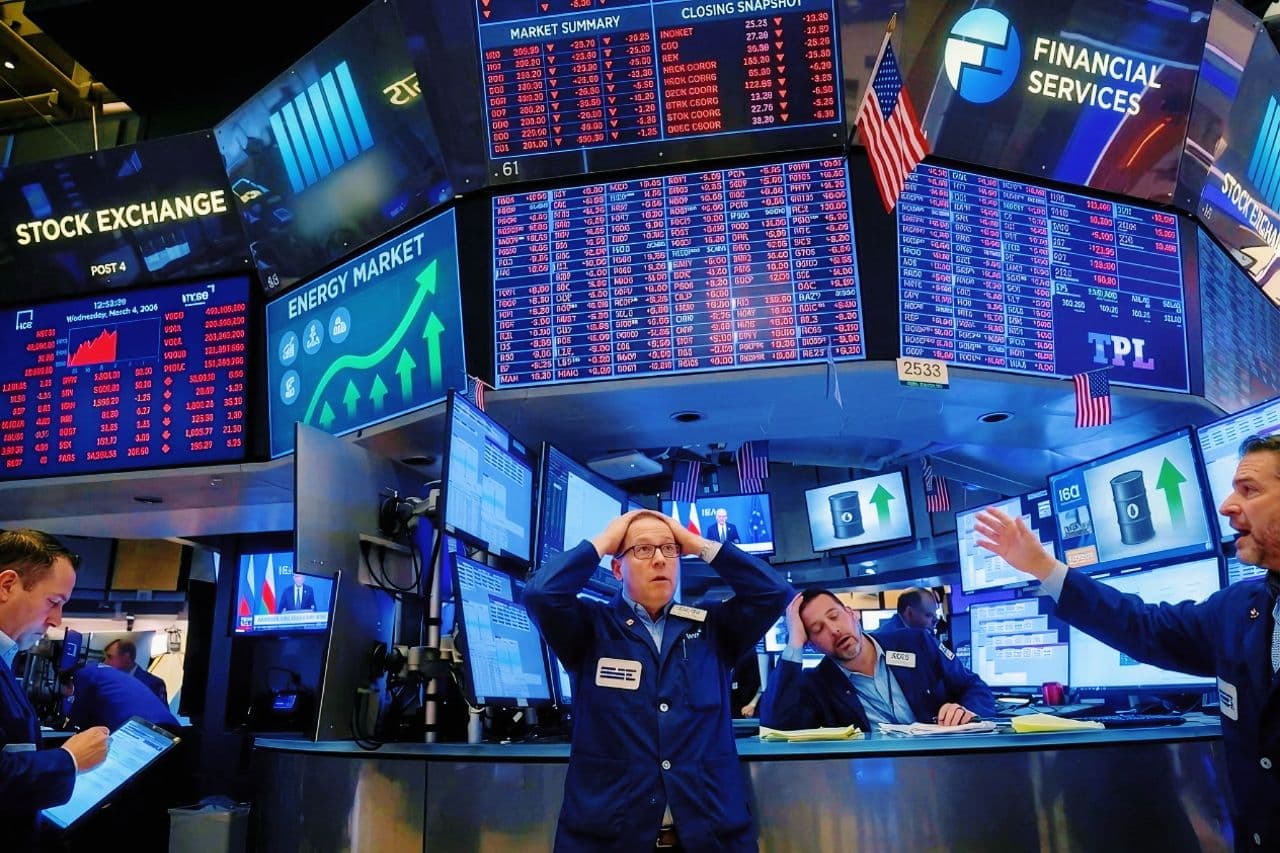
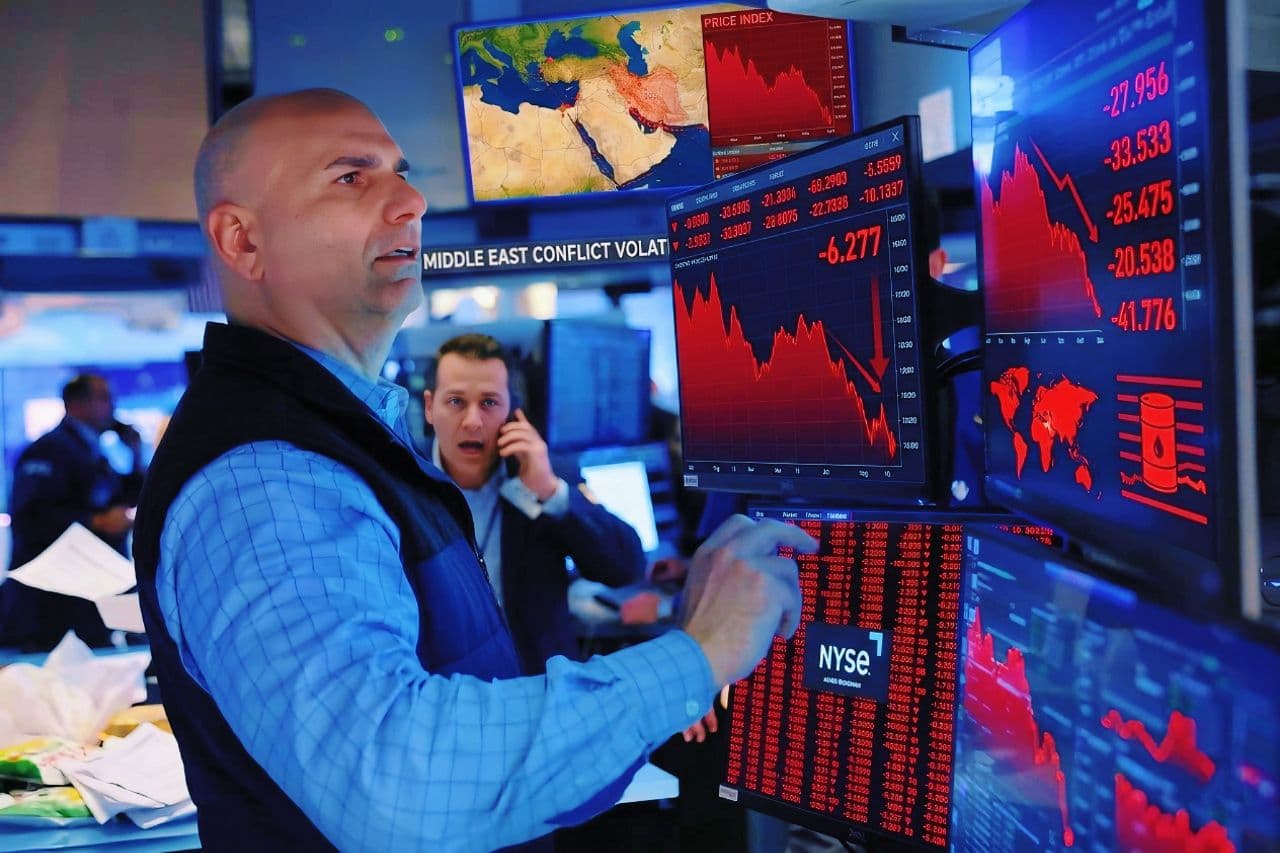
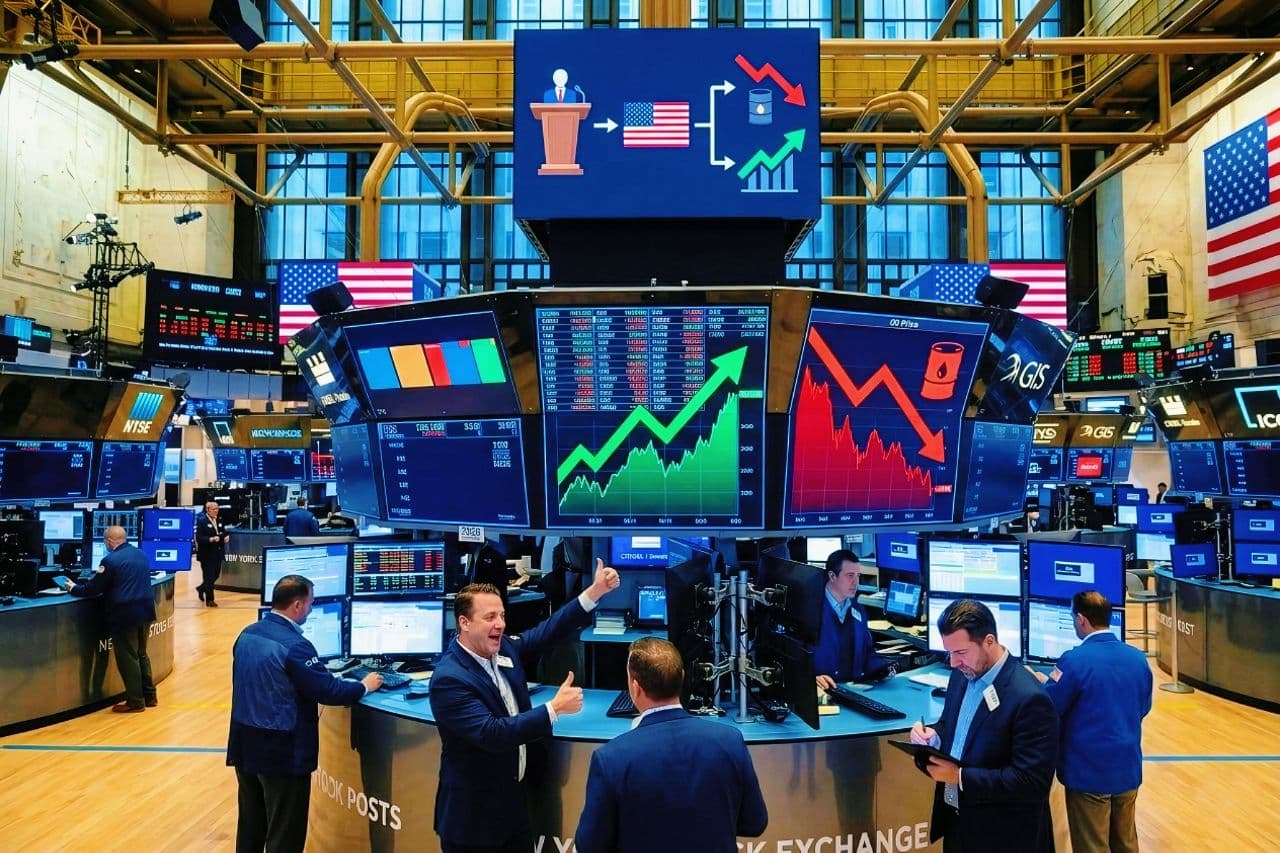
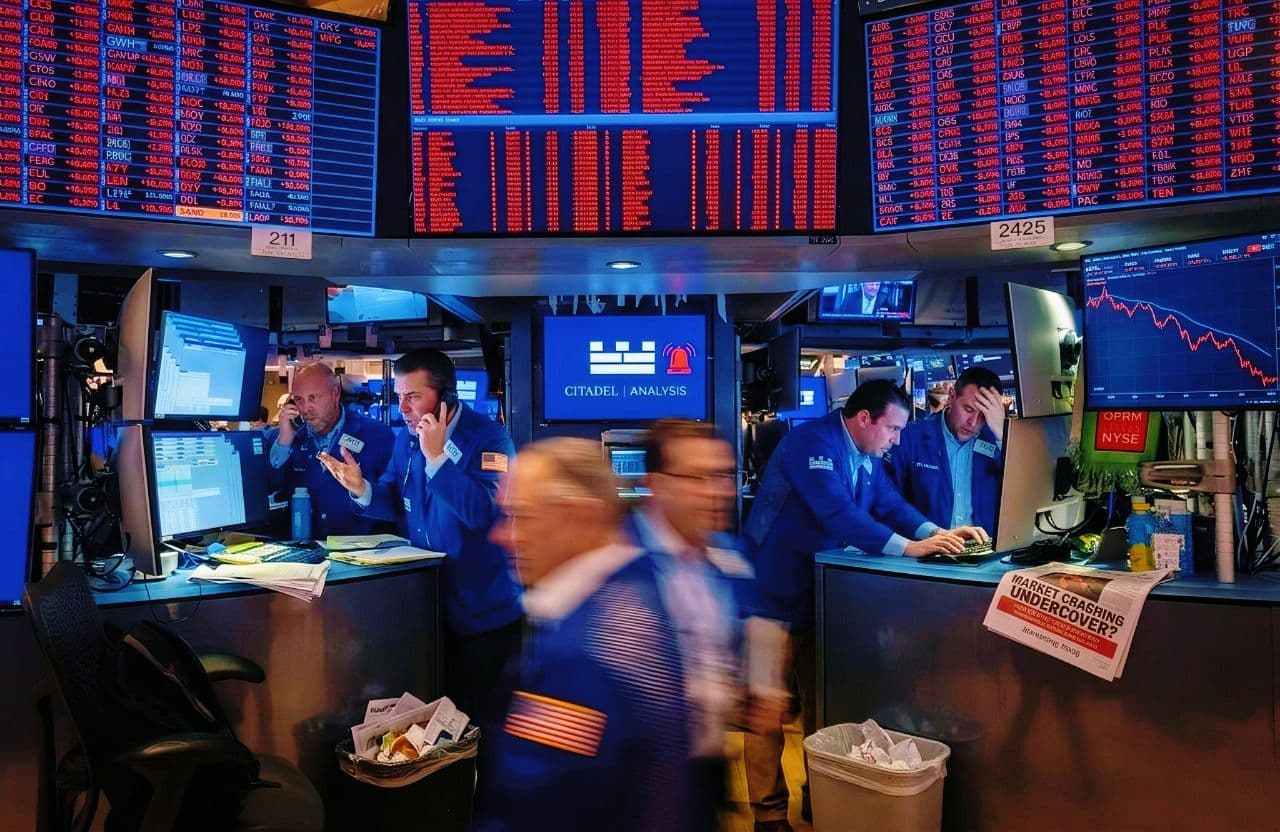
- Major U.S. stock indexes delivered mixed results on Tuesday amid a busy earnings day. The S&P 500 rose 0.5% to a fresh all-time high, while the Nasdaq gained 1.1% on strength in chip stocks. In contrast, the Dow Jones Industrial Average fell 0.8%, dragged down by a steep 20% plunge in UnitedHealth shares following weaker guidance and disappointing Medicare rate news.
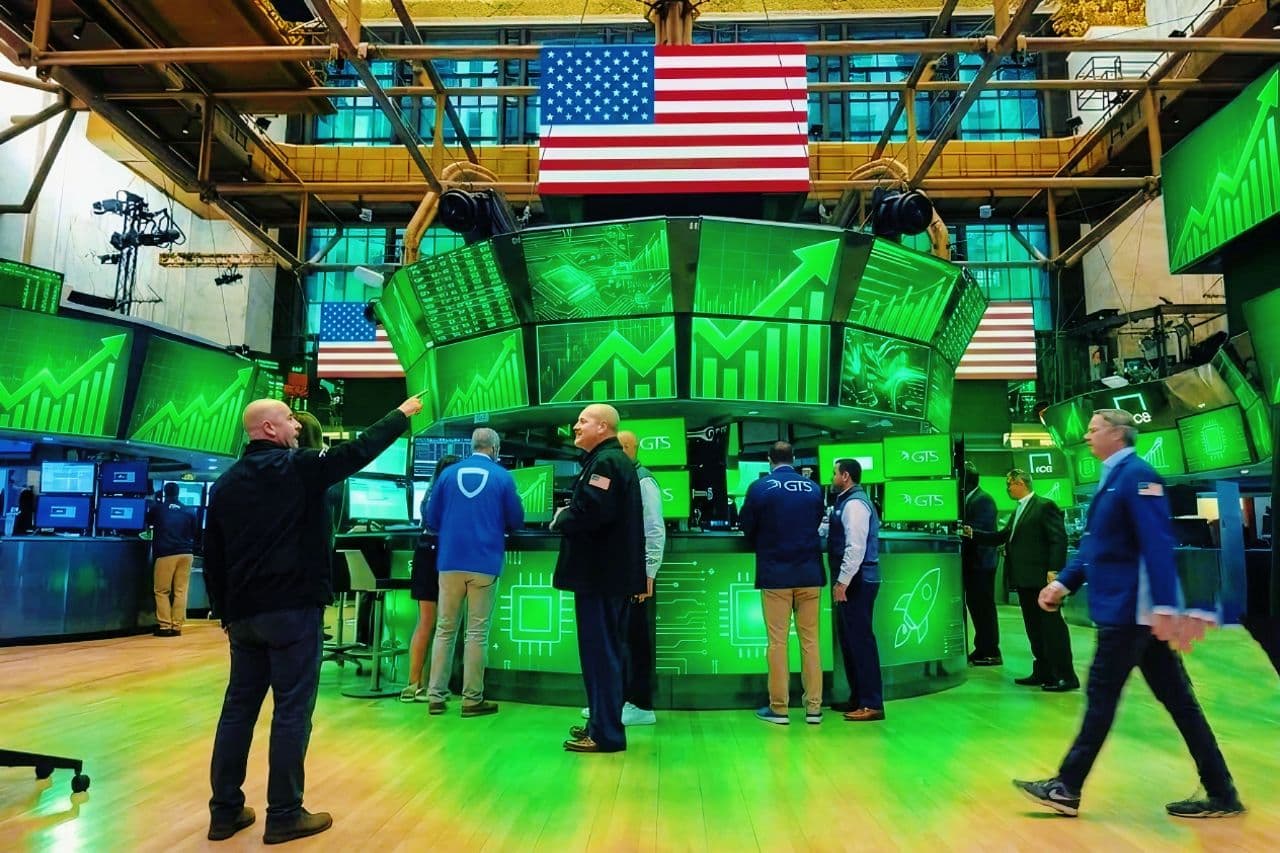
- Health insurers broadly declined, with Humana dropping 19% and CVS Health, Centene, and Elevance Health sliding more than 9%. Meanwhile, chipmakers lifted tech sentiment—Micron surged nearly 7% after announcing a $24 billion investment in Singapore, while Intel and TSMC gained over 3%. Post-earnings moves were mixed: General Motors jumped 9.5% and UPS rose 3%, while American Airlines fell 6% and Boeing slipped 1.5%.
- Commodities also saw notable swings. Gold futures held above $5,000 at $5,090 an ounce, while silver retreated 6% to $108.30 after hitting a record $117.70 the day before. Oil prices climbed 3% to $62.50 a barrel, and Bitcoin traded near $88,200. Treasury yields ticked slightly higher to 4.23%, while the U.S. dollar index dropped nearly 1% to 96.23.
Key Takeaways
Dow Jones Mixed S&P 500 Record Nasdaq Gains UnitedHealth Stock Drop Hits Market
Major U.S. stock indexes delivered mixed results Tuesday on a busy earnings day. The S&P 500 rose 0.5% to a new record high, while the Nasdaq gained 1.1%, topping its all-time intraday level of 6986 set earlier this month. In contrast, the Dow Jones Industrial Average fell 0.8%, or about 400 points, weighed down by a steep decline in UnitedHealth shares.
UnitedHealth Group (UNH) stock plunged 20% after reports that Medicare Advantage payment rates will rise just 0.09% next year, far below expectations. The company also issued a softer fiscal 2026 revenue outlook, despite fourth-quarter results meeting estimates. Other health insurers followed suit, with Humana dropping 19% and Centene, Elevance Health, and CVS Health sliding more than 9%.
Chip stocks provided a boost to the Nasdaq and S&P 500. Micron Technology surged nearly 7% after breaking ground on a $24 billion wafer fabrication facility in Singapore, driven by strong demand for memory chips. Intel and Taiwan Semiconductor Manufacturing Co. also advanced, rising 3.5% and 2%, respectively.
Post-earnings moves were mixed across sectors. General Motors jumped 9.5% and UPS gained 3%, while American Airlines fell 6% and Boeing slipped 1.5%. Microsoft, Meta Platforms, and Tesla are set to report results Wednesday alongside the Federal Reserve’s interest-rate decision, while Apple will release earnings Thursday. Ahead of these reports, Microsoft and Apple shares rose about 2%, while Meta and Tesla dipped slightly.






The Federal Reserve is expected to pause its rate cuts on Wednesday, though analysts will be watching closely for any signals that reductions could resume later in 2026. The Fed began its two-day meeting Tuesday after lowering rates three times in late 2025 to support a weakening job market. With employment stabilizing and consumer spending still strong, policymakers are likely to hold steady for now.
Markets anticipate a delay in further cuts and will look to Fed Chair Jerome Powell for confirmation. Powell’s press conference at 2:30 p.m. ET Wednesday is expected to include questions about President Donald Trump’s criticism of the Fed, though analysts don’t expect Powell to offer much new commentary. He may hint at the possibility of future cuts but is unlikely to provide clear guidance on timing.






Dow Jones Falls UnitedHealth Stock Drop Hits Market While S&P 500 Nasdaq Gain
The Dow Jones Industrial Average slipped nearly 1% Tuesday, missing out on a broader rally across U.S. markets. The S&P 500 rose 0.4% and the Nasdaq gained 0.9%, lifted by strength in chip stocks and AI infrastructure providers. But the 30-stock Dow was weighed down heavily by one major component.
UnitedHealth Group (UNH) shares plunged nearly 20% after Medicare administrators announced that payments to private Medicare Advantage plans will barely increase next year. Adding to the pressure, UnitedHealth projected a revenue decline for 2026 as it scales back operations, sparking investor concerns.
The steep drop in UnitedHealth was especially damaging to the Dow because of its price-weighted structure, where higher-priced stocks exert more influence. Unlike the S&P 500 and Nasdaq, which are capitalization-weighted, the Dow’s performance is more sensitive to nominal share prices.
Heading into Tuesday, UnitedHealth’s stock price of $351.64 made it the sixth-most expensive and therefore sixth-most influential component in the Dow. Its sharp decline dragged the index lower despite gains elsewhere in the market.






Starbucks Stock Rally 2026 Investors Back Turnaround Plan Ahead of Earnings
Starbucks shares have been heating up in 2026, showing their strongest momentum since CEO Brian Niccol took over in late summer 2024. The stock has climbed about 14% year-to-date, outperforming the S&P 500, and is now trading near $96 its highest level in nearly 10 months. Investors appear to be buying into the company’s turnaround story, with confidence building around its renewed growth strategy.
The next test comes this week. Starbucks will release its fiscal first-quarter earnings Wednesday morning, followed by an investor day Thursday featuring Niccol and other executives. These events could determine whether the rally continues, as investors look for confirmation that the turnaround plan is delivering sustainable results.
Corning Stock Jumps on $6 Billion Meta AI Data Center Deal
Corning shares surged Tuesday after announcing a $6 billion agreement with Meta Platforms (META) to supply fiber optic technology and cables for its AI data centers. The deal will expand Corning’s manufacturing footprint in North Carolina, including a new facility and additional hiring, underscoring the company’s growing role in AI infrastructure.
Shares of Corning (GLW) climbed 17% to around $111 in afternoon trading, approaching levels last seen during the dot-com bubble of 2000. Meta shares dipped less than 1% following the announcement.
Corning’s momentum builds on a strong run in recent years. The stock soared more than 80% in 2025 after a 50% rise in 2024, driven by AI-related demand. As a supplier to tech giants like Nvidia (NVDA) and Apple (AAPL), Corning consistently beat forecasts and raised guidance throughout 2025, cementing its position as a key player in the AI supply chain.
UnitedHealth Stock Crash 20 Percent Drags Dow Healthcare Sector Faces Political Risks
Shares of UnitedHealth Group plunged 20% Tuesday, leading a sharp sell-off in health insurance stocks after the company reported quarterly results and the Trump administration confirmed Medicare rates will remain virtually unchanged next year.
The Centers for Medicare and Medicaid Services projected payments to private Medicare Advantage plans will rise just 0.09% in 2026, far below expectations and much weaker than the 5% increase this year and 4% in 2025. UnitedHealth stock fell to its lowest level since August, pulling the Dow Jones Industrial Average lower on an otherwise strong day for U.S. equities. Humana dropped 20%, while CVS Health and Elevance Health slid 14% and 13%, respectively.
The healthcare sector entered 2026 with momentum after double-digit gains late last year, fueled by investor caution over an AI bubble. Still, the industry has lagged the broader market for years and faces renewed political risks. Investors remain wary of Health Secretary Robert F. Kennedy Jr.’s criticism of the industry and President Trump’s push to lower costs in a system many Americans say is unaffordable.
Meta Stock Earnings Preview Traders Eye 6 Percent Swing on AI Spending Outlook
Meta Platforms is set to release its fourth-quarter results after Wednesday’s closing bell, with traders bracing for a sharp move in the stock. Options pricing indicates Meta shares could swing about 6% in either direction by week’s end. From current levels near $672, that would mean a potential climb to $712 or a drop back toward $633, where the stock traded earlier this month.
Investor focus will be on Meta’s 2026 outlook, particularly its capital expenditure plans tied to AI. Concerns about overspending have weighed on sentiment, but analysts at Bank of America note that a milder expense forecast could spark gains. Conversely, heavier-than-expected spending could reignite worries.
Bank of America also expects Meta to beat fourth-quarter estimates, citing strength in its ad business, which remains the company’s primary revenue driver. Updates on ad expansion across Threads and tests of premium subscriptions for its apps could further shape investor confidence in the stock’s trajectory.
Silver Rally 2026 Investors Call It Gold on Steroids as Retail Flows Surge
Silver is no longer playing second fiddle to gold. Concerns over global tensions and U.S. risks like a potential government shutdown have driven investors toward hard assets, sending prices to record highs. While gold broke above $5,000 yesterday, silver’s rally has been even more explosive, outpacing the yellow metal’s momentum.
Spot silver prices have jumped nearly 50% this year, far ahead of gold’s 15% gain. Although silver eased from its all-time intraday high of $117 on Tuesday, analysts expect it to keep outperforming in the near term. Unlike gold, which has been lifted by central bank buying and institutional hedging, silver’s surge is being fueled by retail investors making it the hot trade of 2026.
Analysts have dubbed silver “gold on steroids” and “retail’s new favorite trade.” Vanda Research reports that silver has overtaken AI darling Nvidia (NVDA) in trading momentum. On Monday, individual investors poured $171 million into the iShares Silver Trust (SLV), marking the largest single-day net retail inflow ever recorded for the ETF.
Warren Buffett Long-Term Investing Strategy Shows Why Markets Favor Patient Investors
Warren Buffett has consistently reminded investors that volatility is part of the game. Markets rise and fall, but staying invested and even buying more during downturns can lead to substantial long-term gains. His philosophy emphasizes participation over timing, warning that walking away from the market is far riskier than enduring short-term swings. As he wrote in his 2012 Berkshire Hathaway letter, setbacks are inevitable, but the odds remain stacked in favor of disciplined investors.
Buffett’s approach rests on the idea that the U.S. economy grows over time, even through turbulence. A decade ago, the S&P 500 faced global growth fears, Chinese market volatility, and collapsing crude prices. Yet, a $10,000 investment in an S&P 500 index fund then would have grown to about $30,000 by 2025.
That growth came despite sharp downturns, including the 2018 correction, the 2020 pandemic crash, and the inflation-driven slide of 2022. Buffett’s lesson is clear: emotional discipline and calm persistence matter most, because recoveries often arrive before investors feel safe again.
Tech Stocks Rally S&P 500 Sector Leaders Drive Market Gains
On a day when the S&P 500 neared its all-time high, technology stocks powered the advance. The S&P 500 Information Technology Sector was the strongest of the 11 industries tracked, rising about 1.6% Tuesday morning.
Corning (GLW), Seagate Technology Holdings (STX), and Lam Research (LRCX) led the sector’s gains, climbing roughly 15%, 6%, and 5.5%, respectively. In broader trading, seven of the 11 sectors were in positive territory, underscoring tech’s role in driving momentum across the market.
Health Insurance Stocks Drop as Medicare Payment Proposal Shocks Wall Street
Health insurance stocks slumped Tuesday after the Centers for Medicare and Medicaid Services proposed raising payments to insurers by just 0.09% in 2027, far below Wall Street’s expectations of a 4% to 6% increase. The move followed a 5.06% payment hike in 2026 and came alongside new rule changes for patient diagnoses, introduced amid a Department of Justice investigation into Medicare Advantage billing practices. Reports last year alleged UnitedHealth Group (UNH) trained doctors to diagnose patients with conditions that could boost payouts, a claim the company has denied.
UnitedHealth shares plunged nearly 20% in early trading, dragging the sector lower. Humana dropped 21%, while CVS Health fell 11%. The sharp declines highlight investor concerns over tighter Medicare reimbursements and regulatory scrutiny that could weigh heavily on the industry’s profitability.
Federal Reserve Rate Decision Markets Watch Powell’s Post-Meeting Comments for Surprises
If Federal Reserve Chair Jerome Powell delivers unexpected remarks at Wednesday’s press conference, markets could react swiftly particularly in bonds tied to inflation expectations. That’s the conclusion of a recent study from the Federal Reserve Bank of San Francisco, which examined how surprising statements from Fed officials or Powell’s post-meeting comments influence asset prices.
Researchers found that monetary policy news from press conferences, whether alone or paired with official statements, has a strong impact on Treasury yields and risk assets. The paper, led by Miguel Acosta of the University of Wisconsin, tracked policy surprises around Fed meetings, when changes to the fed funds rate are announced in pursuit of the central bank’s dual mandate of low inflation and high employment.
Salesforce Stock Rises on $5.6 Billion US Army AI Software Deal
Salesforce (CRM) shares climbed about 3% in premarket trading Tuesday after securing a major contract with the U.S. Army worth up to $5.6 billion over 10 years. The agreement allows the Army to use Salesforce’s AI-powered software as the foundation for its agentic enterprise, aimed at improving cost management and decision-making efficiency across Pentagon operations.
The deal includes a five-year base period with an optional five-year extension, setting a total purchase ceiling of $5.6 billion. It expands on earlier contracts where the military purchased individual software components from Salesforce, marking a significant deepening of the partnership.
Despite this win, Salesforce stock has struggled over the past year, losing about one-third of its value heading into Tuesday. The Army contract could provide a catalyst for renewed investor confidence in the software maker’s long-term growth strategy.
Federal Reserve Meeting 2026 Mortgage Rates Outlook for Homebuyers and Borrowers
With the Federal Reserve set to meet this week, homebuyers and homeowners are closely watching mortgage rates to see if borrowing costs could shift. For now, rates remain steady. Freddie Mac reported the average 30-year fixed mortgage rate at 6.09% last Thursday, its lowest level in three years. Since then, daily tracking shows only a slight uptick of 10 basis points, keeping mortgage rates relatively low heading into the Fed’s decision.
While the central bank is widely expected to leave interest rates unchanged and possibly extend the pause for months mortgage rates don’t always move in lockstep with Fed actions. Instead, they respond to a mix of factors including inflation expectations, bond yields, and investor sentiment. That means the Fed’s comments this week could still influence the direction of mortgage rates, even if policy itself remains steady.
Michael Burry Buys GameStop Stock Meme Investor Bets on Retail Giant Again
Michael Burry, the investor who inspired The Big Short and famously predicted the 2008 financial crisis, revealed he has been buying shares of GameStop (GME). In his Substack newsletter Monday, Burry confirmed, “I own GME. I have been buying recently,” signaling renewed confidence in the $10 billion video-game and trading-card retailer.
GameStop, one of the original meme stocks that captured retail investor attention during the 2021 trading frenzy, now has the backing of one of Wall Street’s most recognized contrarian voices. Burry’s disclosure reignites interest in the company’s turnaround prospects and adds momentum to a stock that remains a symbol of retail-driven market volatility.
American Airlines Stock Climbs on Strong 2026 Profit Forecast Despite Q4 Miss
American Airlines’ fiscal fourth-quarter results fell short of analyst expectations, but its 2026 profit outlook reassured investors. Shares of American Airlines Group (AAL) rose 3.5% in premarket trading Tuesday after forecasting full-year adjusted earnings per share of $1.70 to $2.70. The midpoint of $2.20 topped the consensus estimate of $2.02 from Visible Alpha.
For Q4 2025, the Dallas-based carrier reported adjusted EPS of $0.16 on operating revenue just under $14 billion, up 2.5% year-over-year. Analysts had expected $0.36 EPS and $14.04 billion in revenue. The company noted the U.S. government shutdown reduced revenue by about $325 million in the quarter.
Like Delta Air Lines (DAL) and United Airlines (UAL), American was profitable overall in 2025 but lost money on passenger operations, with costs per available seat mile (CASM) at 17.76 cents exceeding passenger revenue per available seat mile (PRASM) at 16.58 cents. Southwest Airlines (LUV), the fourth major U.S. carrier, will report Q4 results Thursday and has also faced higher CASM than PRASM through three quarters.
Despite Tuesday’s rally, American Airlines shares remain down about 15% over the past year.
Elon Musk vs. Michael O’Leary: The Public Spat Explained
The clash between Elon Musk (SpaceX, Tesla, X) and Michael O’Leary (CEO of Ryanair) has turned into a headline-grabbing feud, blending corporate rivalry with personal insults.
How It Started
- On Jan. 14, Ryanair announced it wouldn’t install Starlink satellite internet on its planes, citing fuel costs and lack of demand for short-haul flights.
- Musk fired back on X, calling O’Leary “misinformed.”
Escalation
- O’Leary responded on Irish radio: “I would pay no attention whatsoever to Elon Musk. He’s an idiot—very wealthy, but he’s still an idiot.”
- Musk countered on X: “Ryanair CEO is an utter idiot. Fire him.”
Social Media Jabs
- Ryanair mocked Musk after an outage on X: “Perhaps you need Wi-Fi @elonmusk?”
- Musk replied: “Should I buy Ryan Air and put someone whose actual name is Ryan in charge?”
Why It Matters
- Beyond the entertainment value, the spat highlights tensions between low-cost airlines focused on efficiency and tech entrepreneurs pushing premium connectivity.
- O’Leary is known for blunt, provocative remarks, while Musk thrives on public sparring—making this feud almost inevitable.
Musk and O’Leary are clashing over Starlink adoption, but the fight has morphed into a spectacle of ego, insults, and social media theatrics.
The Bottom Line
The Dow Jones slipped nearly 1% Tuesday even as the S&P 500 hit an all-time high and the Nasdaq rallied. The culprit was UnitedHealth Group (UNH), whose 20% plunge driven by weak Medicare payment updates and a disappointing revenue outlook dragged the price‑weighted Dow lower. By contrast, the S&P 500 and Nasdaq, which are capitalization‑weighted, were lifted by strength in chipmakers and AI infrastructure stocks. In short: one heavyweight stock sank the Dow, while tech momentum carried the broader market higher.