Dow Jones & S&P 500 Record Highs: Stocks Gain in Holiday Session, Gold & Silver Prices Surge
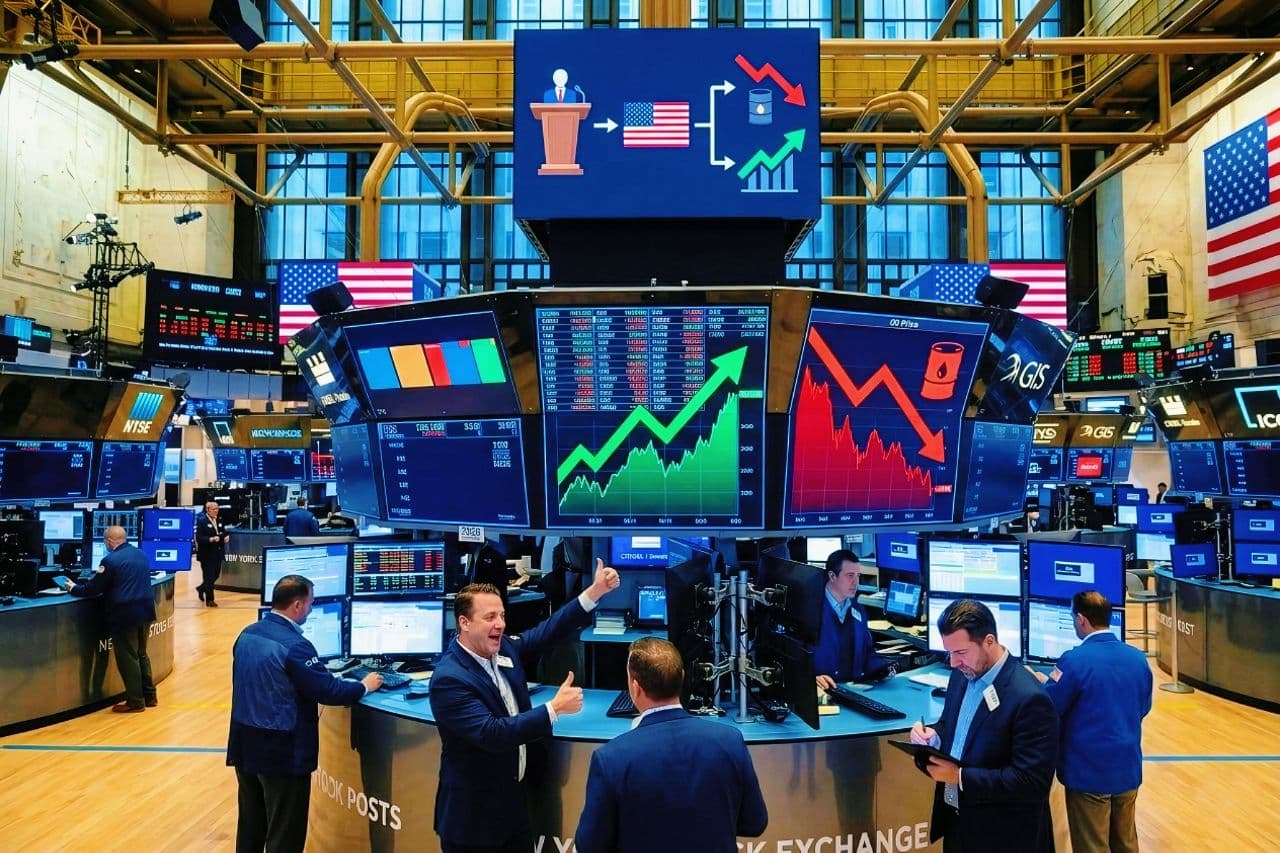
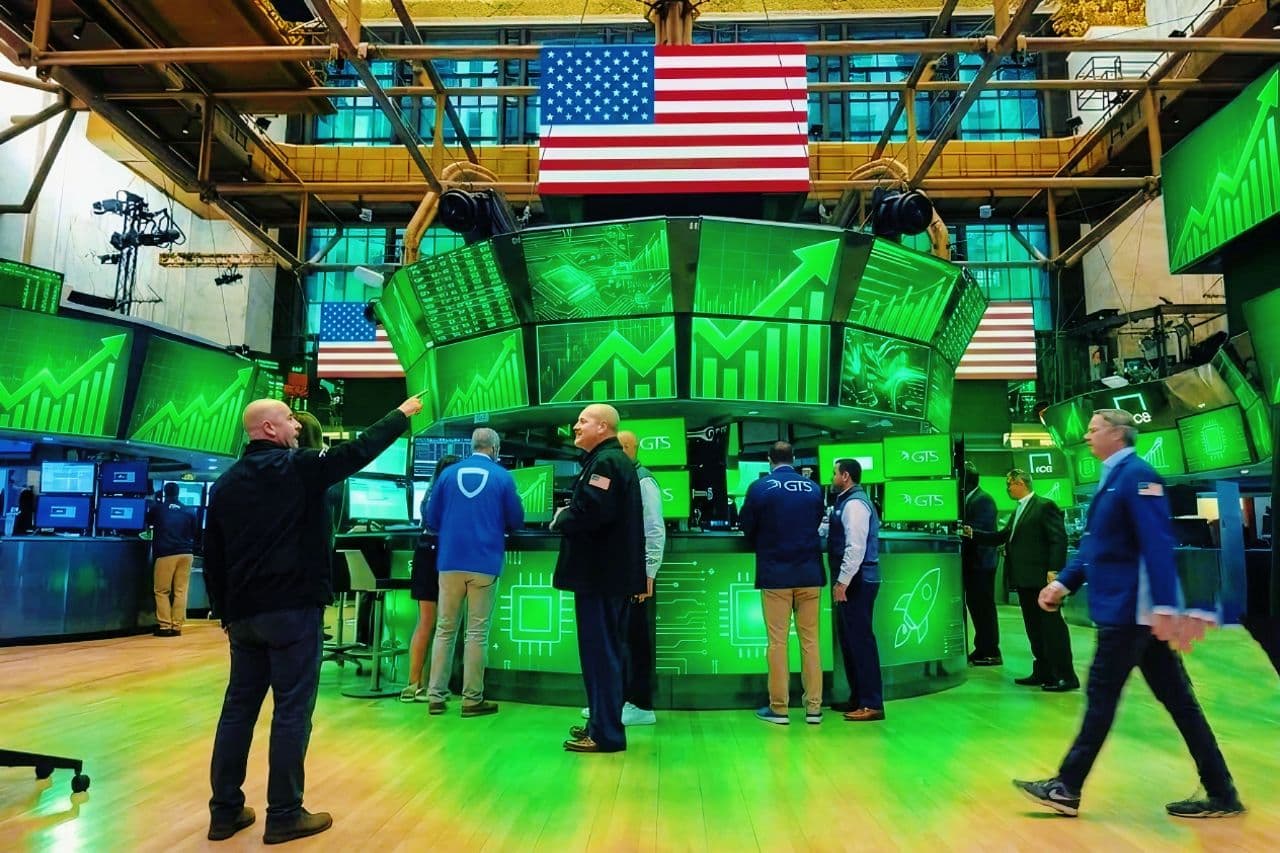
- Indexes at Records: The Dow Jones and S&P 500 closed higher in a shortened pre-Christmas session, with the S&P 500 hitting a fresh intraday high of 6,937 and logging its fifth straight day of gains.
- Precious Metals Rally: Gold and silver futures reached new all-time highs for the third consecutive day, trading around $4,555 and $72.75 an ounce.
- Rates and Currency: The 10-year Treasury yield eased to 4.13%, while the U.S. dollar index stayed flat at 97.96.
- Commodities & Crypto: Oil held steady at $58.40 per barrel; Bitcoin traded near $87,400, slightly off its earlier peak.
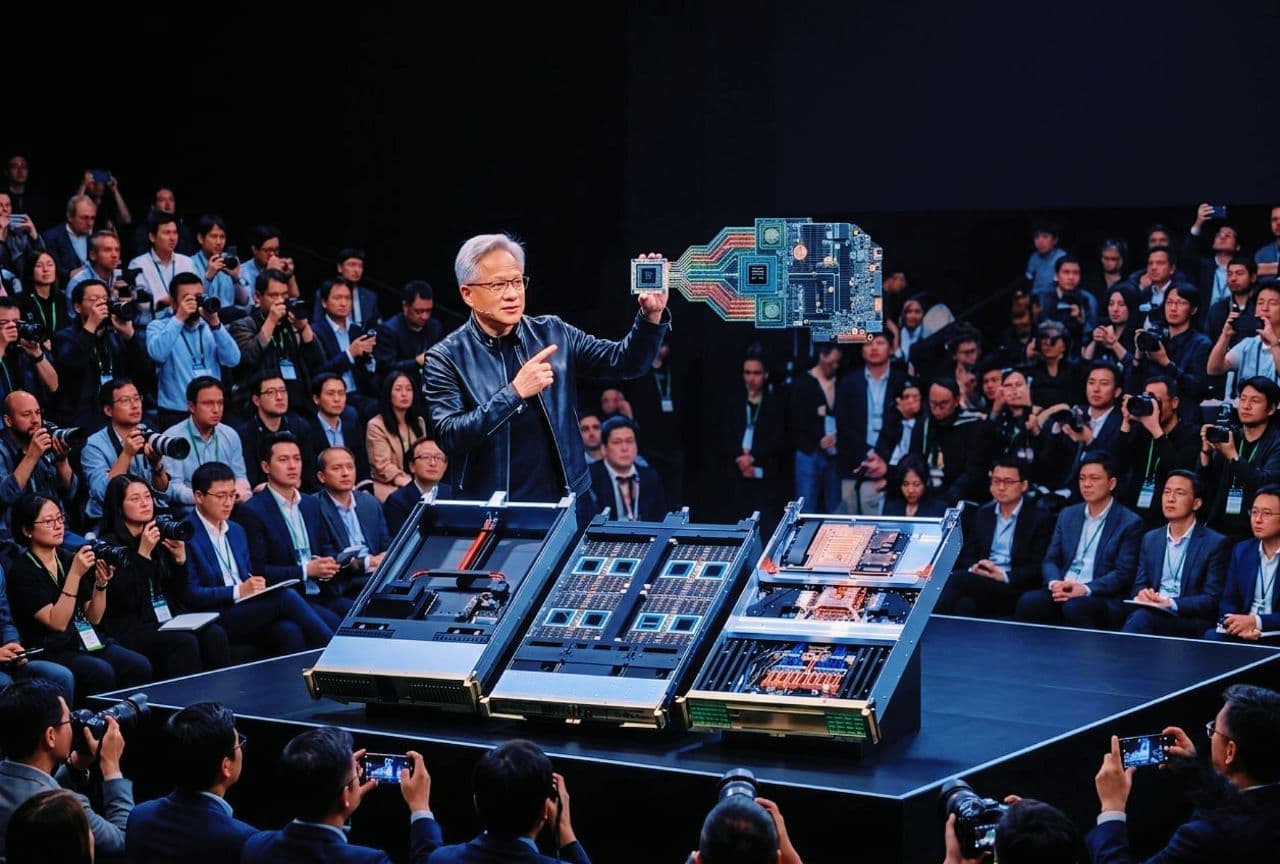
- Corporate Movers: Nike led Dow gains after Apple CEO Tim Cook disclosed a $3M stock purchase. Nvidia slipped after halting Intel chip process testing, while Intel shares also fell.
Key Takeaways
Dow Jones & S&P 500 Records: Holiday Session Gains, Gold & Silver Rally, Nike Leads Stocks
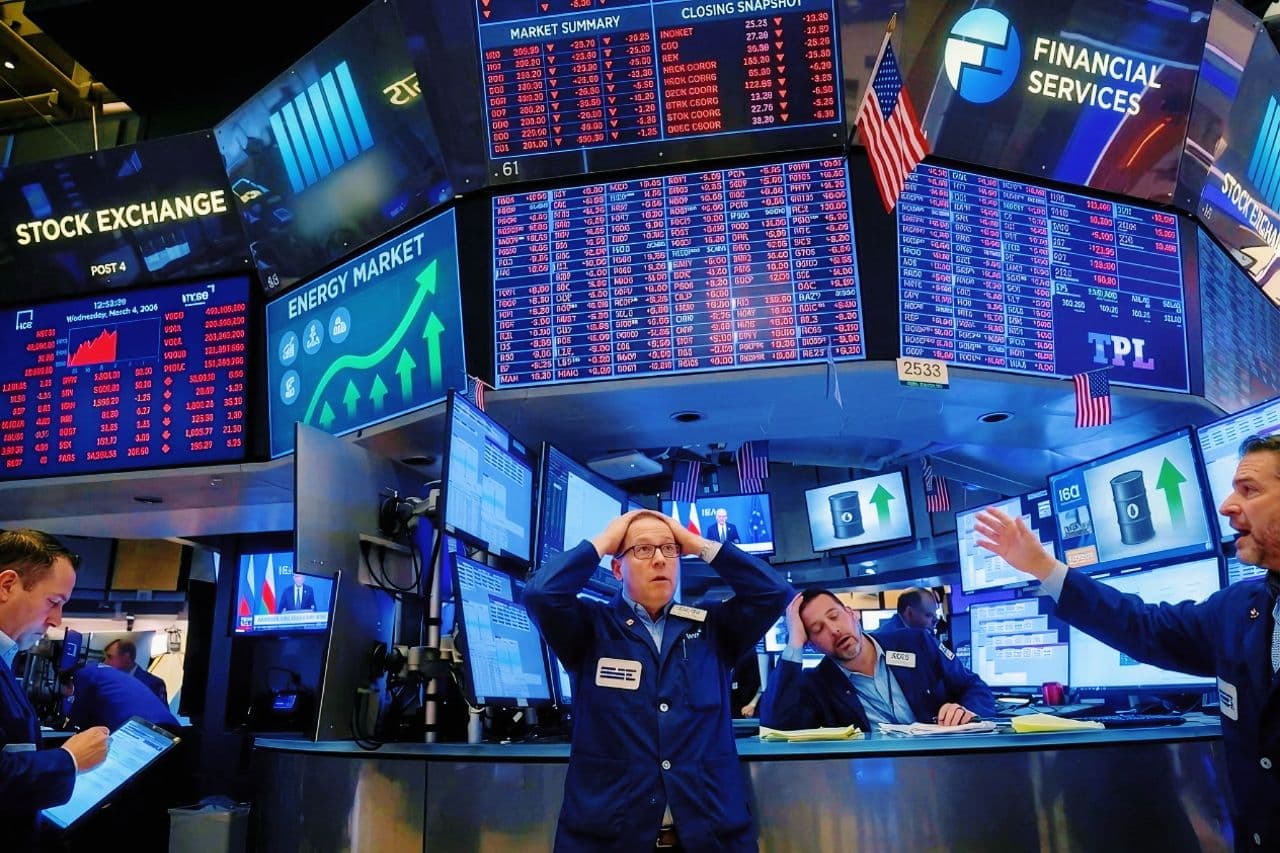
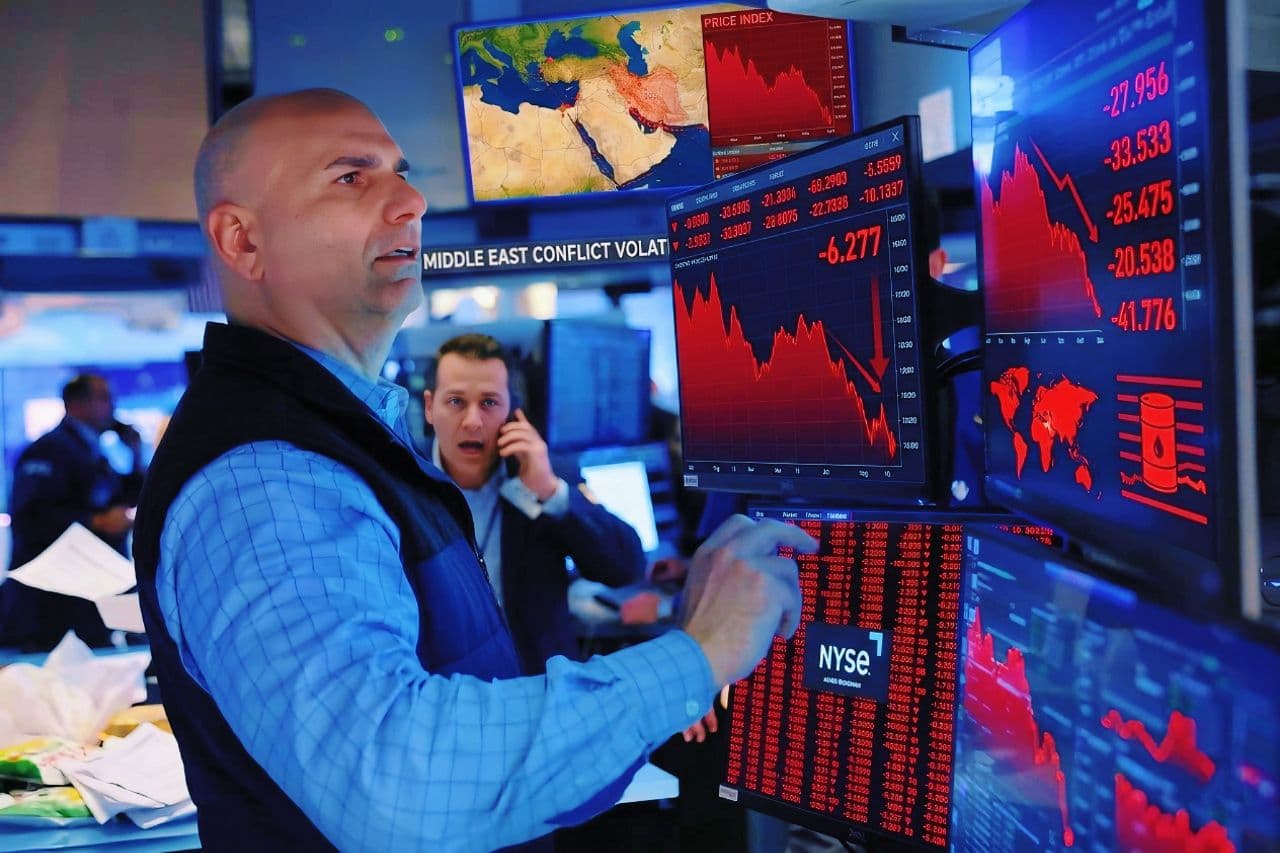
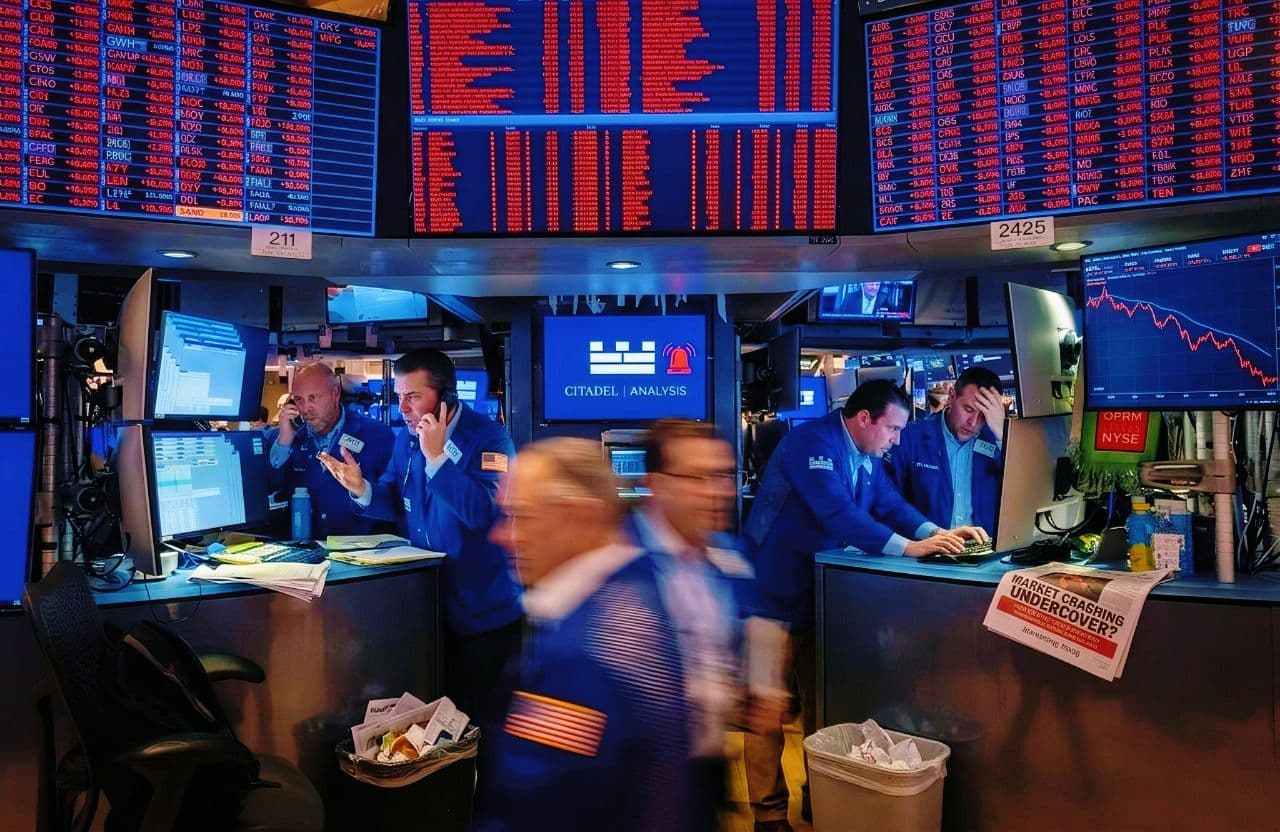
Major U.S. indexes closed higher in Wednesday’s shortened pre-Christmas session, with the Dow Jones Industrial Average and S&P 500 setting new records. The Dow, S&P 500, and Nasdaq rose 0.6%, 0.3%, and 0.2%, respectively, marking a fifth straight day of gains. The S&P 500 hit an intraday high of 6,937, while the Dow came within 0.2% of its own record.
Blue-chip stocks powered the rally, with Nike, Verizon, Walt Disney, Merck, and Goldman Sachs among the leaders. Nearly all 30 Dow components finished higher as investors favored financials and healthcare amid caution toward tech. Markets closed early at 1 p.m. ET for equities and 2 p.m. ET for bonds, with closures set for Christmas Day.
Precious metals extended their streak, with gold futures reaching $4,555 and silver hitting $72.75 per ounce, both setting records for a third straight day. At 2 p.m. ET, gold held near $4,505 while silver gained 1% to $71.90.
The 10-year Treasury yield eased to 4.13%, down from 4.17%, while Bitcoin traded around $87,400, slightly off its earlier high of $87,800. The U.S. dollar index remained flat at 97.96, and West Texas Intermediate crude held steady at $58.40 per barrel.
Nike was the standout performer, surging 4.6% after Apple CEO Tim Cook disclosed a $3 million purchase of shares. Nvidia slipped 0.3% after halting tests of an Intel chip process, while Intel shares fell 0.5%.


2026 is shaping up to be a busy year for tech IPOs, with Motive Technologies joining the lineup. The AI-powered fleet management software company filed its Form S-1 with the SEC, applying to list on the New York Stock Exchange under the ticker symbol MTVE.
Other major tech firms expected to pursue IPOs next year include OpenAI, SpaceX, and Anthropic, underscoring investor appetite for artificial intelligence and advanced technology plays.
San Francisco-based Motive, backed by Alphabet’s Google Ventures, reported $327 million in revenue for the nine months ending September 30, a 22% year-over-year increase. The company highlighted that its AI Dashcam technology has helped prevent over 170,000 accidents, saved 1,500 lives, and delivered $175 million in fuel and fraud savings in 2024, with customers reducing collisions by 80% on average.


Dynavax Stock Soars 40%: Sanofi $2.2B Acquisition Expands Hepatitis B and Shingles Vaccine Portfolio
Shares of Dynavax Technologies (DVAX) surged nearly 40% after French pharmaceutical giant Sanofi (SNY) announced plans to acquire the biopharma firm for $2.2 billion. The deal, offering $15.50 per share in cash a 39% premium to yesterday’s close is expected to finalize in the first quarter of next year. Dynavax shares were trading just below Sanofi’s offer price in recent action.
Dynavax already holds regulatory approval for its Heplisav-B Hepatitis B vaccine, a two-dose regimen for adults, and is advancing a Phase 1/2 trial for its shingles candidate Z-1018. Sanofi executives emphasized that these additions strengthen their vaccine portfolio and address unmet needs, with nearly 100 million Americans born before 1991 still unvaccinated for Hepatitis B.
Dynavax CEO Ryan Spencer noted the acquisition will provide the scale and expertise to maximize the impact of its vaccine pipeline. Despite spending much of 2025 in negative territory, Dynavax shares are now up about 19% year-to-date following today’s rally.


UiPath Stock 2025: AI Software Firm Joins S&P MidCap 400, Shares Extend 30% Yearly Rally
Shares of UiPath (PATH) climbed Wednesday after confirmation that the automation software company will join the S&P MidCap 400 Index before trading opens Friday, replacing Synovus Financial (SYN), which is being acquired by Pinnacle Financial Partners (PNFP).
S&P Dow Jones also announced that Versant Media Group (VSNTV), a spinoff of Comcast (CMCSA), will replace Brandywine Realty Trust (BDN) in the S&P SmallCap 600 Index on January 6, following the spinoff’s completion a day earlier. Comcast will remain in the S&P 500 Index, with several recent updates reshaping its composition.
UiPath has seen its shares rise about 30% in 2025, with a 5% boost in recent trading on optimism tied to its index inclusion. Being added to a benchmark index often increases visibility among investors and funds, strengthening long-term growth prospects.


Nike Stock Rises After Apple CEO Tim Cook’s $3M Share Purchase Boosts Dow Leaders
Apple (AAPL) CEO Tim Cook signaled confidence in Nike (NKE) by purchasing nearly $3 million worth of shares, totaling 50,000 at an average price of $58.97, according to a regulatory filing.
Nike stock surged more than 4% in Wednesday’s session, leading Dow advancers despite being down about 20% year-to-date. The move highlights investor interest in blue-chip stocks and Cook’s vote of confidence in Nike’s potential rebound.


BP Castrol Sale 2026: Oil Giant Offloads $6B Stake to Stonepeak, Refocuses on Energy Strategy
BP announced plans to sell a 65% stake in its Castrol lubricants division to investment firm Stonepeak in a deal valued at $6 billion, expected to close by the end of 2026. The move reflects BP’s renewed focus on oil production after investor dissatisfaction with its pivot toward renewable energy.
Interim CEO Carol Howle described the sale as a milestone in BP’s reset strategy, while Meg O’Neill is set to assume the CEO role in April. Shares of BP edged 0.3% lower in U.S. premarket trading, showing muted investor reaction to the restructuring announcement.


Santa Jobs 2025: Real Beard Santas Earn Higher Pay Amid Tough Holiday Job Market
Having a real beard is proving valuable in today’s holiday job market, with Santas who sport authentic whiskers earning nearly $9 more per hour than those with fake beards. Revelio Labs reported that demand for real-beard Santas has surged over the past three years, even as the overall number of Santa jobs has declined.
Pay for Santas with real beards averaged $30.84 an hour compared to $21.83 for those using artificial whiskers, according to job postings analyzed by Revelio. The trend reflects broader labor market dynamics, where fewer jobs are available but workers with specialized or in-demand skills are commanding higher wages.


Michael Saylor Strategy 2025: Company Rebrands as Capital Markets Platform Beyond Bitcoin Exposure
Michael Saylor, long known as a Bitcoin evangelist, is reshaping the narrative around his company Strategy. Once viewed primarily as a proxy for Bitcoin, the firm’s stock has struggled as crypto markets matured and spot Bitcoin funds gave investors alternative ways to gain exposure. Shares have dropped more than 45% year-to-date, far deeper than Bitcoin’s 6% decline, raising concerns about potential index removal and investor confidence.
Under Saylor’s leadership, Strategy has pivoted from its enterprise software roots into a broader vision he now calls a “capital markets platform.” He describes it as “Digital Money built on Digital Credit, secured by Digital Capital,” positioning the company as more than just a Bitcoin play. The rebrand aims to revive investor interest and differentiate Strategy from ETFs and fund structures that cannot replicate its model.


Santa Claus Rally 2025: Holiday Stock Market Gains Could Lift Wall Street Into 2026
If the Santa Claus rally delivers this Christmas, investors may see momentum carry into 2026. The seasonal trend refers to the historical tendency for stocks to rise during the final five trading days of December and the first two of January this year spanning Christmas Eve through January 5.
Since 1950, the rally has averaged gains of about 1.3% over the seven-day stretch, outperforming the typical 0.2% return seen in other periods, according to Invesco research. While modest, the rally is often viewed as a positive signal for the year ahead.
Explanations vary: some point to the festive atmosphere, while others cite reduced liquidity as institutional investors step back, leaving retail traders to drive markets. Regardless of the cause, the Santa Claus rally remains a closely watched phenomenon for year-end stock performance.