Investor Flight to Value: What Stocks Were Bought Last Week
- Institutional investors largely avoided last week’s tech sell-off by reducing exposure earlier, while individual investors stepped in to buy the dip—but with selectivity rather than indiscriminate buying.
- Analysts highlight opportunities to pick up quality names unfairly punished in the sell-off, describing them as “babies thrown out with the bathwater.”
Key Takeaways
Flight to Value: Energy & Industrials Lead Investor Rotation
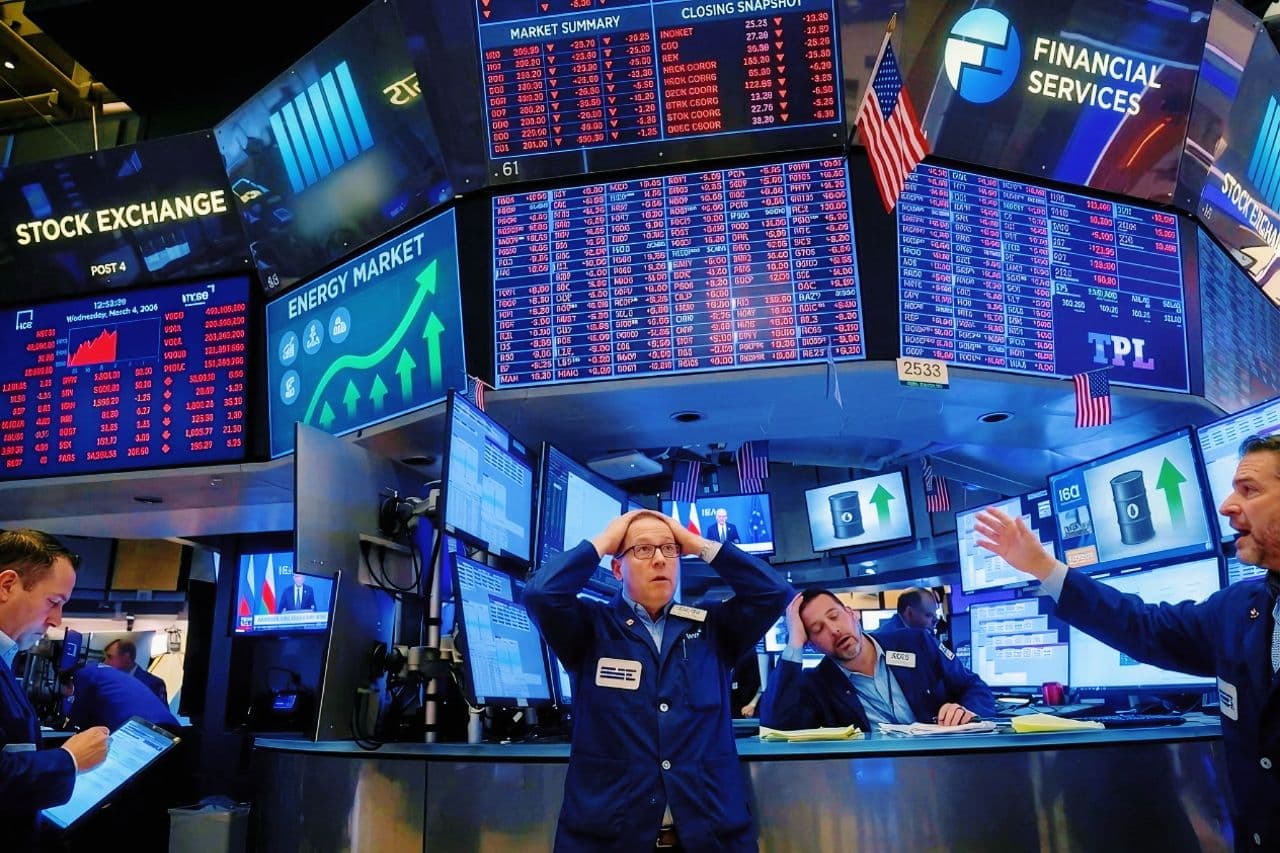
Last week, investors re-tuned their portfolios as Big Tech, metals, and digital assets stumbled. Institutional “smart money” had already stepped out of technology stocks, avoiding much of the pain, while retail investors though hit harder became more selective in their dip-buying.
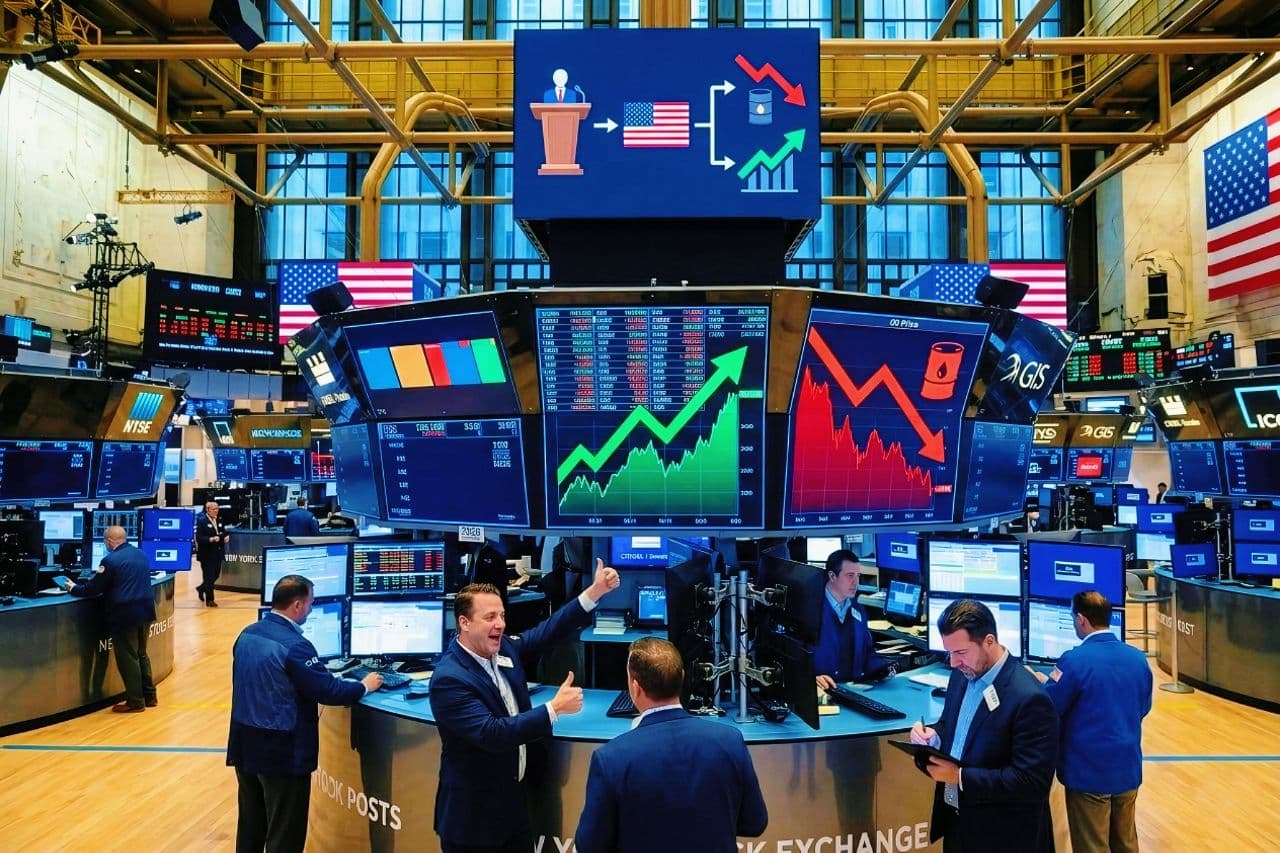
Energy, industrials, and materials emerged as rare bright spots. According to Vanda Research, institutions parked capital in these sectors after pulling out of tech, while retail investors plowed into energy. Wednesday marked the largest net retail buying in State Street’s Energy Select Sector SPDR ETF (XLE) since March 2022, with Chevron and Exxon among the favored picks.
For investors, this rotation raises the question: is this a meaningful shift toward value stocks or just a short-term tweak? Either way, the move underscores growing caution and a preference for resilience amid market volatility.


Investor Rotation: Why Value Stocks Matter Now
Why This Matters to You:
For the past few years, U.S. stocks especially the tech sector have been the dominant driver of market gains. But recent activity shows investors are stepping into other asset classes, signaling a potential shift in portfolio strategies. Institutional investors have already rotated into sectors like energy, industrials, and materials, while retail investors are selectively buying dips in value-oriented names.
This matters because it highlights a broader theme: the bull market may no longer be solely dependent on tech. For investors, the move into value stocks suggests resilience and diversification are becoming more important in navigating volatility. Watching where capital flows whether into energy ETFs like XLE or companies such as Chevron and Exxon can provide insight into how portfolios may need to adapt in the months ahead.


Investor Rotation: Retail Picks in Tech, Cash Flows Surge
Retail investors showed restraint last week, selectively buying into tech names like Alphabet, AMD, and Palantir rather than scooping up the entire sector, according to Vanda data. Their buying activity this year is just one-tenth of last summer’s volumes, underscoring a more cautious approach. Analysts at Deutsche Bank noted clear rotations away from large-cap tech into small caps and other sectors.
Meanwhile, Bank of America reported massive client flows into cash, bonds, and international stocks. Over $87 billion went into cash, nearly $35 billion into equities, and $23 billion into bonds. European stocks saw their biggest weekly inflows since April, while Korean stocks posted a record $5 billion haul. In contrast, gold and crypto experienced notable outflows, marking a shift in investor sentiment.
For investors, this highlights a broader reallocation trend: restraint in tech, selective dip-buying, and a pivot toward value and international diversification.


Flight to Value: Small & Mid-Caps Gain as Institutions Rotate
Investors shifted strategies last week, with Oppenheimer’s John Stoltzfus noting a “more risk-forward stance” that drove small- and mid-cap stocks higher than large caps. Institutions repositioned complex short-term strategies, fueling volatility but also creating opportunities for investors to “catch babies thrown out with the bathwater” during market downdrafts.
Deal-oriented buying was evident in style preferences, with value stocks favored over growth. Schwab’s Liz Ann Sonders described the “flight to value” as unmistakable, underscoring how investors are rebalancing portfolios amid uncertainty. For traders and long-term investors, this rotation signals both risk and opportunity: volatility may persist, but selective buying in value and small caps could offer attractive entry points.


The Bottom Line
Last week’s market turbulence underscored a clear rotation away from Big Tech and into value-oriented sectors. Institutional investors had already stepped out of tech, avoiding much of the pain, while retail investors showed restraint selectively buying names like Alphabet, AMD, and Palantir rather than the entire sector.
Energy, industrials, and materials emerged as bright spots, with retail flows into ETFs like XLE hitting their highest levels since 2022. Meanwhile, Bank of America reported massive inflows into cash, bonds, and international equities, signaling a broader diversification trend. Oppenheimer and Schwab strategists both highlighted the “unmistakable flight to value,” suggesting investors are prioritizing resilience and fundamentals over growth.
For investors, this shift matters: volatility is creating opportunities in small- and mid-cap value stocks, while high expectations in tech hardware and AI-driven names raise risks. Selectivity and disciplined allocation are becoming the defining strategies in today’s market.