Markets Update Feb. 23, 2026: Tariff Uncertainty and AI Disruption Drive Dow 800-Point Drop
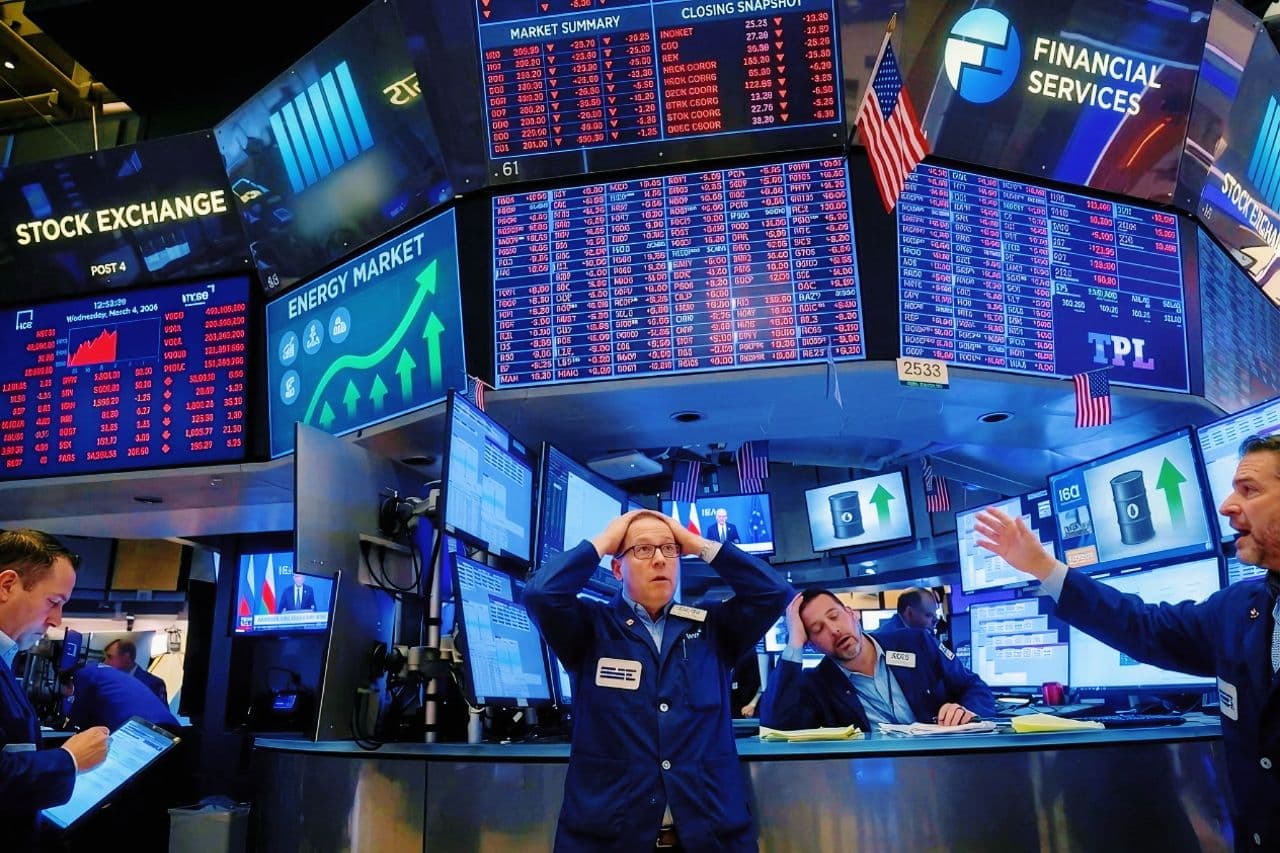
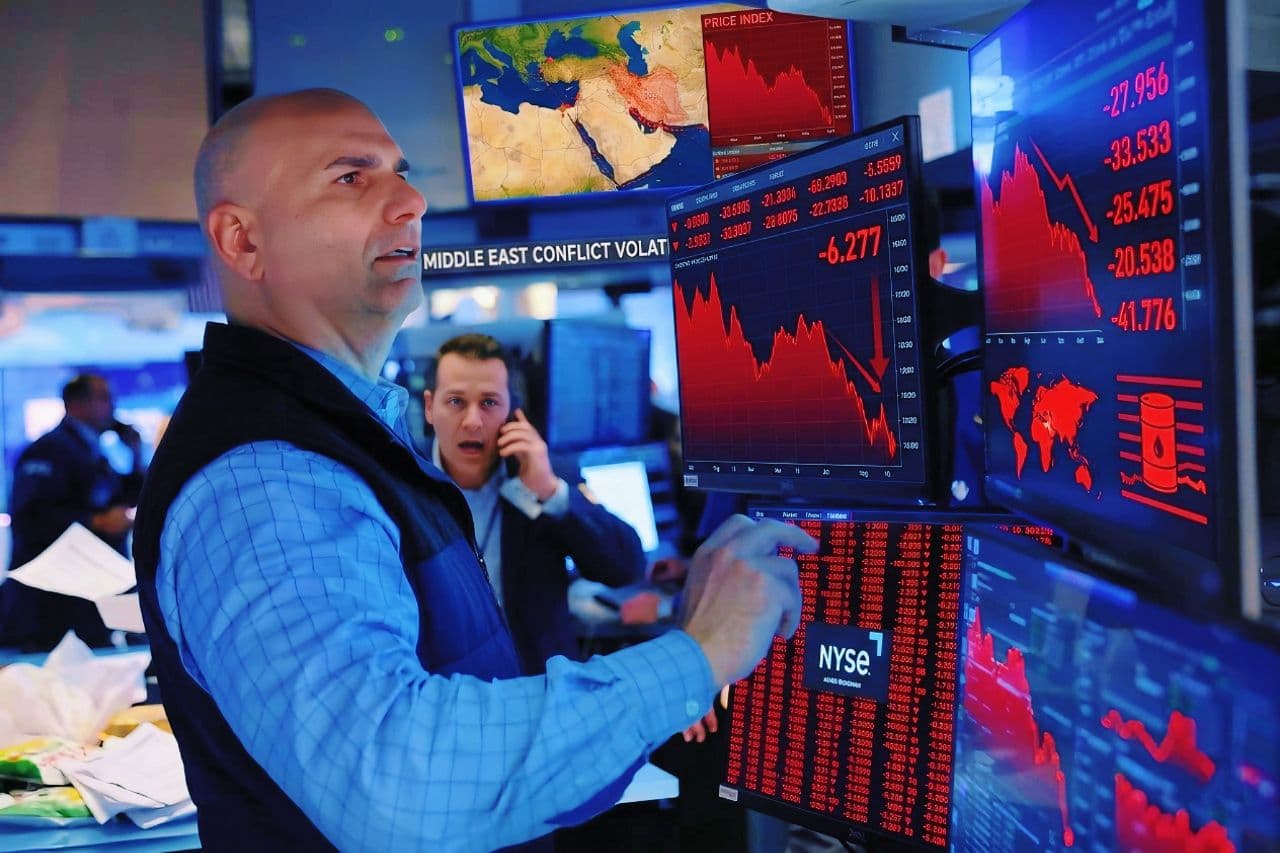
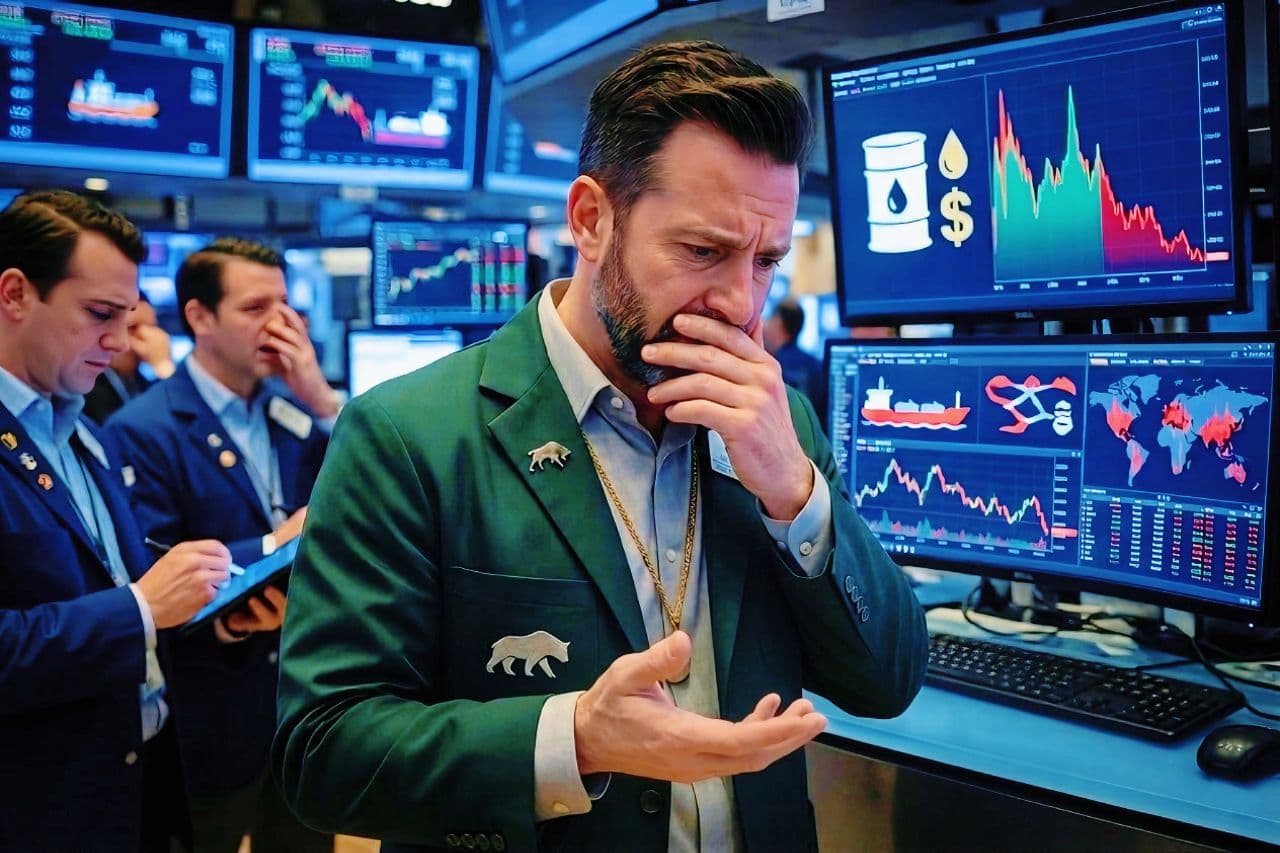
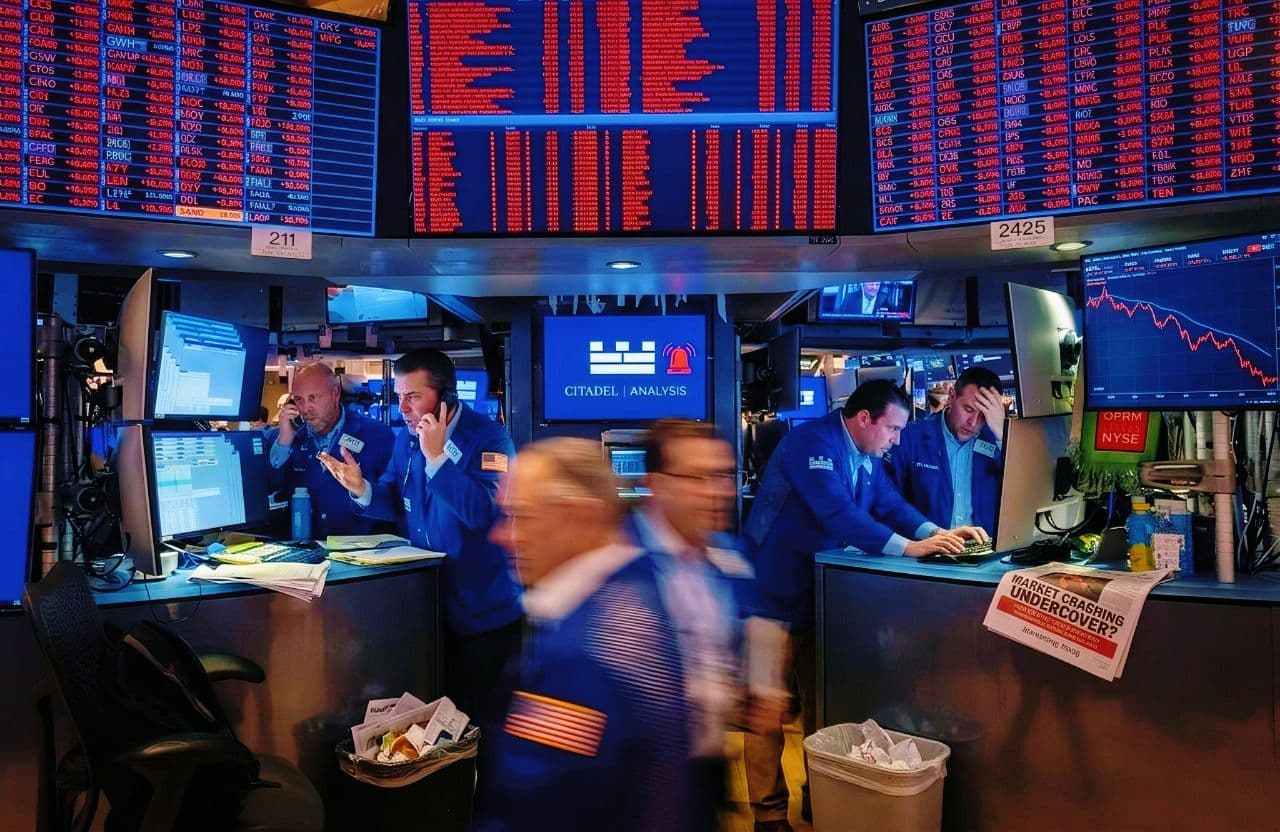
- U.S. markets ended sharply lower on February 23, 2026, as renewed tariff uncertainty and AI-driven disruption rattled investor confidence. The Dow Jones Industrial Average shed 800 points, marking one of its steepest single-day declines in months.
- The Supreme Court’s ruling on tariffs and President Trump’s rapid policy shifts have reintroduced volatility, leaving businesses and investors unsure about future trade costs. This unpredictability has weighed heavily on equities, with the S&P 500 and Nasdaq also closing lower.
- AI disruption added another layer of pressure, as investors reassessed the impact of automation and technological shifts on corporate earnings and labor markets. Analysts warn that the combination of trade policy instability and rapid technological change is creating a challenging environment for long-term planning.
- For investors, the message is clear: tariff volatility and AI disruption are reshaping market dynamics. Staying alert to policy changes and sector-specific risks will be critical in navigating this period of heightened uncertainty.
Key Takeaways
Markets Slide as Tariff Uncertainty and AI Disruption Hit Stocks
Major U.S. stock indexes closed sharply lower Monday after President Trump announced a global tariff hike in response to the Supreme Court striking down most of his “reciprocal” duties. The Dow Jones Industrial Average shed more than 820 points, while the Nasdaq and S&P 500 fell 1.1% and 1%, respectively, reversing last week’s gains.
Trump’s rapid escalation from a 10% to a 15% global tariff has injected fresh uncertainty into trade policy. Bloomberg reported that the European Union is freezing ratification of its trade deal with the U.S. until more details emerge, underscoring how fragile global trade relations have become.
Safe-haven assets surged as investors sought protection. Gold futures jumped nearly 3% to $5,225 an ounce, silver rose 6% to $87.40, and Treasury yields slipped below 4.03%. Meanwhile, Bitcoin traded near daily lows at $64,700, and crude oil futures edged lower. Analysts warn that declining policy predictability is compressing risk tolerance, pushing funds toward defensive assets.
Tech stocks bore the brunt of AI disruption fears. IBM plunged 13% on concerns about Anthropic’s advances, while Datadog, CrowdStrike, and AppLovin sank double digits. Novo Nordisk dropped 16% after disappointing obesity drug results, while Eli Lilly gained nearly 5%. Netflix fell 3% amid political pressure, while Domino’s Pizza rose 4% on strong earnings. Airline stocks also slid as a blizzard canceled thousands of flights in the Northeast.


Inflation is widely expected to cool this year, but not everyone agrees. Adam Posen, president of the Peterson Institute for International Economics, has broken with the consensus, forecasting that inflation could surge to a 4% annual rate by the end of 2026. His outlook contrasts sharply with most economists, who predict a decline from January’s 2.4% annual increase.
Forecasting the economy is notoriously difficult, and Posen’s view is considered an outlier. Yet his prediction is grounded in real trends that could reignite price pressures. If correct, the U.S. could face an unwelcome return of inflationary challenges that weigh on consumer confidence and investor sentiment.
For markets, the risk of inflation accelerating rather than cooling adds another layer of uncertainty to an already volatile environment shaped by tariffs and global trade disputes. Rising inflation would pressure interest rates, corporate margins, and household spending, amplifying the challenges investors face in 2026.
The bottom line: while consensus points to easing inflation, Posen’s warning highlights the possibility of renewed price shocks. Investors should prepare for both scenarios, as inflation remains one of the most critical variables shaping economic and market performance this year.


Tariff Chaos Returns: Uncertainty Clouds U.S. Economy Again
The tariff turmoil that rattled the U.S. economy in 2025 has returned with force. Over the weekend, President Trump announced a 15% worldwide tariff, replacing the 10% global tariff he had unveiled less than 24 hours earlier after the Supreme Court struck down many of last year’s emergency-imposed import taxes. For economists and business leaders, the details remain unclear, but the message is unmistakable: tariff rules are shifting too quickly for companies to know who will pay and how much.
Trump’s social media post emphasized his intent to raise tariffs to the “fully allowed, and legally tested, 15% level,” promising new measures in the coming months. This announcement has fueled speculation about what other tariffs may replace those struck down, whether they will be higher or lower, and whether they will face new legal challenges. The uncertainty also raises the possibility of refund obligations for companies that already paid import taxes.
The renewed chaos has had a tangible impact on the economy. Economists and business leaders argue that uncertainty is a major reason employers have curtailed hiring, making 2025 the weakest year for the job market outside of a recession in more than two decades. The unpredictability of tariff policy has become a direct drag on confidence, investment, and labor markets.
For investors, the bottom line is clear: tariff volatility is back, and it’s already weighing on markets and the broader economy. With policy shifting rapidly and legal battles looming, portfolios exposed to trade-sensitive sectors face heightened risk. Staying alert to developments in tariff policy will be essential as uncertainty continues to dominate Wall Street.


Crypto Market Stalls as Clarity Act Faces Delays
Bitcoin remains stuck in legislative limbo as hopes for regulatory clarity fade. The Clarity Act, designed to establish a framework for crypto tokens and regulatory authority, had been viewed as a potential catalyst to lift the coin market out of its rut. But optimism is slipping fast, with Polymarket odds of the bill passing in 2026 dropping from above 80% last week to around 50%.
The price of Bitcoin has fallen below $65,000, its lowest level in about a year and nearly 50% below October’s peak. Crypto-linked stocks are also under pressure, with MicroStrategy and Coinbase sliding alongside the broader market. Analysts say delays in legislation are restraining prices and dampening investor sentiment.
At the heart of the holdup is a dispute between big banks and the crypto industry over how stablecoin holders can be rewarded. Without compromise, the bill risks missing an informal White House deadline, leaving the industry without the clarity it has been seeking.
Matt Hougan of Bitwise Asset Management called the Clarity Act the “clearest event” that could spark a V-shaped recovery in crypto markets. But with progress stalled, traders may have to brace for continued volatility and uncertainty in the months ahead.


Nvidia Earnings Preview: Traders Brace for 6% Stock Swing
Nvidia is set to report earnings after the closing bell Wednesday, and traders are bracing for a sizable move. Options pricing suggests shares could swing as much as 6% in either direction by the end of the week. A rally of that size could push the stock back to around $201 a level not seen since November or a drop could drag it down to $178.
The AI chipmaker’s stock has slipped about 8% from its late-October record high, weighed down by concerns of an AI bubble and a series of splashy partnership deals that cooled investor enthusiasm. Despite this, Nvidia remains at the center of the AI trade, with many of its Big Tech clients doubling down on infrastructure spending.
Analysts expect blockbuster results. Consensus estimates call for adjusted earnings per share of $1.52 for the fiscal fourth quarter, with revenue projected to surge 67% year-over-year to a record $65.87 billion, according to Visible Alpha. Such numbers would reinforce Nvidia’s dominance in the AI chip market and could reignite momentum in its stock.
For investors, the takeaway is clear: Nvidia’s earnings report is a pivotal moment. With options markets pricing in volatility, traders should prepare for sharp moves that could reset sentiment around AI stocks and broader tech markets.


Financials and Consumer Discretionary Lead S&P 500 Declines
On a sharply negative day for the S&P 500, financial and consumer discretionary stocks dragged the index lower. The Financial and Consumer Discretionary sectors were the two worst performers among the 11 tracked by the benchmark, down 3.1% and 2.5% in recent trading.
Financial names saw steep losses, with KKR & Co. tumbling 9%, American Express sliding 7.5%, and Capital One Financial also down 7.5%. These declines underscored investor concerns about credit exposure and broader market volatility.
Consumer discretionary stocks were equally pressured. Expedia Group fell 8%, while MGM Resorts and Wynn Resorts each dropped about 7%. The weakness reflects investor caution toward travel and leisure companies amid heightened uncertainty.
Overall, the S&P 500 was down 0.9% in recent trading, though only five of the 11 sectors were in the red. The outsized declines in financials and consumer discretionary highlight where investor sentiment is most fragile.


Netflix Shares Drop as Trump Targets Board Member Susan Rice
Netflix stock fell sharply Monday after President Trump posted on Truth Social that the streaming giant “should fire” Susan Rice, a member of its board and former aide to three Democratic presidents. While the statement did not directly mention Netflix’s planned acquisition of Warner Bros. Discovery, it was in response to a post opposing the deal, fueling investor concerns about potential regulatory obstacles.
The timing of Trump’s remarks added pressure to an already uncertain situation. Negotiations with competing Warner suitor Paramount Skydance were reopened last week, raising questions about whether Netflix can secure the Warner Bros. assets. An updated bid from Paramount Skydance is expected soon, further complicating the acquisition landscape.
The White House did not issue additional comments, and Netflix declined to respond to requests for clarification. Susan Rice could not be reached, leaving investors with little reassurance as speculation mounted over the deal’s future.
For investors, the bottom line is clear: political pressure and regulatory uncertainty are weighing on Netflix’s stock. With the Warner Bros. deal in flux and competing bids emerging, volatility around Netflix shares is likely to persist in the near term.


Novo Nordisk Stock Plunges on Weak Weight-Loss Drug Trial Results
Novo Nordisk shares tumbled more than 15% Monday, hitting their lowest point in nearly five years after disappointing clinical trial results for its new weight-loss drug, CagriSema. The Danish drugmaker reported that patients lost an average of 23% of body weight over 84 weeks, falling short of the 25.5% achieved by Eli Lilly’s tirzepatide, the active ingredient in Mounjaro and Zepbound.
The weaker-than-expected results have intensified investor concerns about Novo Nordisk’s ability to compete in the booming obesity treatment market. With rivals like Eli Lilly delivering stronger outcomes, sentiment around Novo’s stock has soured, dragging shares down more than 50% over the past 12 months.
The trial outcome marks another setback for Novo Nordisk, which has been under pressure to maintain momentum following the success of Ozempic and Wegovy. Analysts warn that the company’s competitive position could erode further if CagriSema continues to underperform against Lilly’s therapies.
For investors, the bottom line is clear: Novo Nordisk faces mounting challenges in the weight-loss drug wars. With its stock sliding and rivals gaining ground, the company’s future growth prospects hinge on delivering stronger clinical results and regaining investor confidence.


Arcellx Stock Soars 77% on $7.8B Gilead Acquisition
Arcellx shareholders had a rare bright spot Monday as the biotech firm’s stock skyrocketed 77% following news of its acquisition by Gilead Sciences. The deal, valued at $7.8 billion, includes $115 per share in cash plus a contingent value right of $5 per share.
Shares of Arcellx, which closed at $64.11 on Friday, surged to around $114 in recent trading. The company’s stock had been largely flat over the past year until this blockbuster announcement.
Arcellx and Gilead’s Kite division were already collaborating on anitocabtagene autoleucel (anito-cel), a treatment for multiple myeloma. Gilead CEO Daniel O’Day emphasized the potential of anito-cel, noting it could become a foundational therapy for multiple myeloma, including earlier lines of treatment.
The acquisition is expected to close in the second quarter, marking a major expansion of Gilead’s oncology portfolio and reinforcing its commitment to advancing cell therapy innovation.


Blizzard Grounds 5,300+ Flights Across East Coast
A powerful snowstorm sweeping across the East Coast has wreaked havoc on air travel, with more than 5,300 flights canceled Monday alone, according to FlightAware. The disruption follows 7,500 delays and 3,400 cancellations on Sunday as the storm first battered the region.
Cancellation rates are near or above 90% at major airports including New York’s JFK and LaGuardia, as well as Boston Logan International. Thousands of travelers remain stranded as airlines scramble to manage the fallout.
The storm’s impact has extended to Wall Street, with shares of major carriers sliding before the bell. United Airlines and American Airlines each fell about 1%, while Delta slipped 0.5%. Analysts warn that prolonged disruptions could weigh further on airline earnings in the first quarter.
For investors, the bottom line is clear: severe weather events remain a recurring risk for airlines, with blizzards like this one highlighting the sector’s vulnerability to sudden operational shocks.


Domino’s Stock Jumps on Strong Sales and Dividend Boost
Domino’s Pizza shares surged 6% before the bell Monday after the company reported better-than-expected revenue and same-store sales. Fiscal Q4 revenue came in at $1.54 billion, up 6.4% year-over-year and topping analyst estimates of $1.52 billion. Same-store sales growth of 3.7% also beat expectations of 2.0%, though earnings per share of $5.35 came in just shy of forecasts.
CEO Russell Weiner credited the company’s “Hungry for MORE” strategy, highlighting its success in driving sales, store growth, and profitability. Domino’s board also approved a 15% quarterly dividend increase to $1.99 per share, payable March 30 to shareholders of record as of March 13.
Despite Monday’s rally, Domino’s shares remain down nearly 8% year-to-date and 17% over the past 12 months. Analysts say the strong quarter and dividend hike could help restore investor confidence as the company executes its long-term growth plan.


Home Depot, Lowe’s Earnings: Traders Expect Big Stock Swings
Home Depot and Lowe’s are set to report earnings this week, with traders bracing for sizable moves in both stocks. Home Depot reports Tuesday morning, followed by Lowe’s on Wednesday. Options pricing suggests Home Depot shares could swing up to 4% in either direction, while Lowe’s could move as much as 5% by week’s end.
For Home Depot, a 4% move from Friday’s close could lift shares above $398 its highest level since last September or drag them down to $366. Lowe’s could set a record high above $294 at the top end, or fall as low as $266.
Both stocks have enjoyed a strong start to 2026, with Home Depot up 11% and Lowe’s gaining 16% year-to-date. The rally reflects a broader rotation out of tech stocks and into consumer-focused companies, positioning these home improvement giants as key earnings catalysts for the week.
For investors, the bottom line is clear: volatility is expected, and earnings results could reset sentiment around consumer discretionary leaders.


The Bottom Line
The U.S. markets closed sharply lower as tariff uncertainty and AI disruption rattled investor confidence. The Dow shed more than 820 points, while the Nasdaq and S&P 500 also fell.
Key takeaways:
- Tariffs: Trump’s rapid escalation from a 10% to 15% global tariff after the Supreme Court ruling has injected fresh volatility into trade policy. The EU is already freezing ratification of its U.S. trade deal, signaling rising global tension.
- Safe-haven assets: Gold surged nearly 3% to $5,225, silver jumped 6%, and Treasury yields slipped below 4.03%, showing investors are rotating into defensive positions.
- Tech & AI fears: IBM plunged 13% on worries about Anthropic’s AI advances, while Datadog, CrowdStrike, and AppLovin sank double digits. Nvidia and Apple were rare bright spots ahead of Nvidia’s earnings.
- Healthcare: Novo Nordisk dropped 16% after weak obesity drug trial results, while Eli Lilly gained nearly 5%.
- Consumer & entertainment: Netflix fell 3% after Trump targeted board member Susan Rice, complicating its Warner Bros. deal. Domino’s rose 4% on strong sales.
- Airlines: Delta, United, and American fell 3.8–5.2% as a blizzard canceled thousands of flights across the Northeast.
Markets are being pulled in two directions policy unpredictability is compressing risk tolerance, while AI disruption and sector-specific shocks are amplifying volatility. Defensive assets are gaining traction, and investors should brace for continued turbulence until clearer signals emerge.