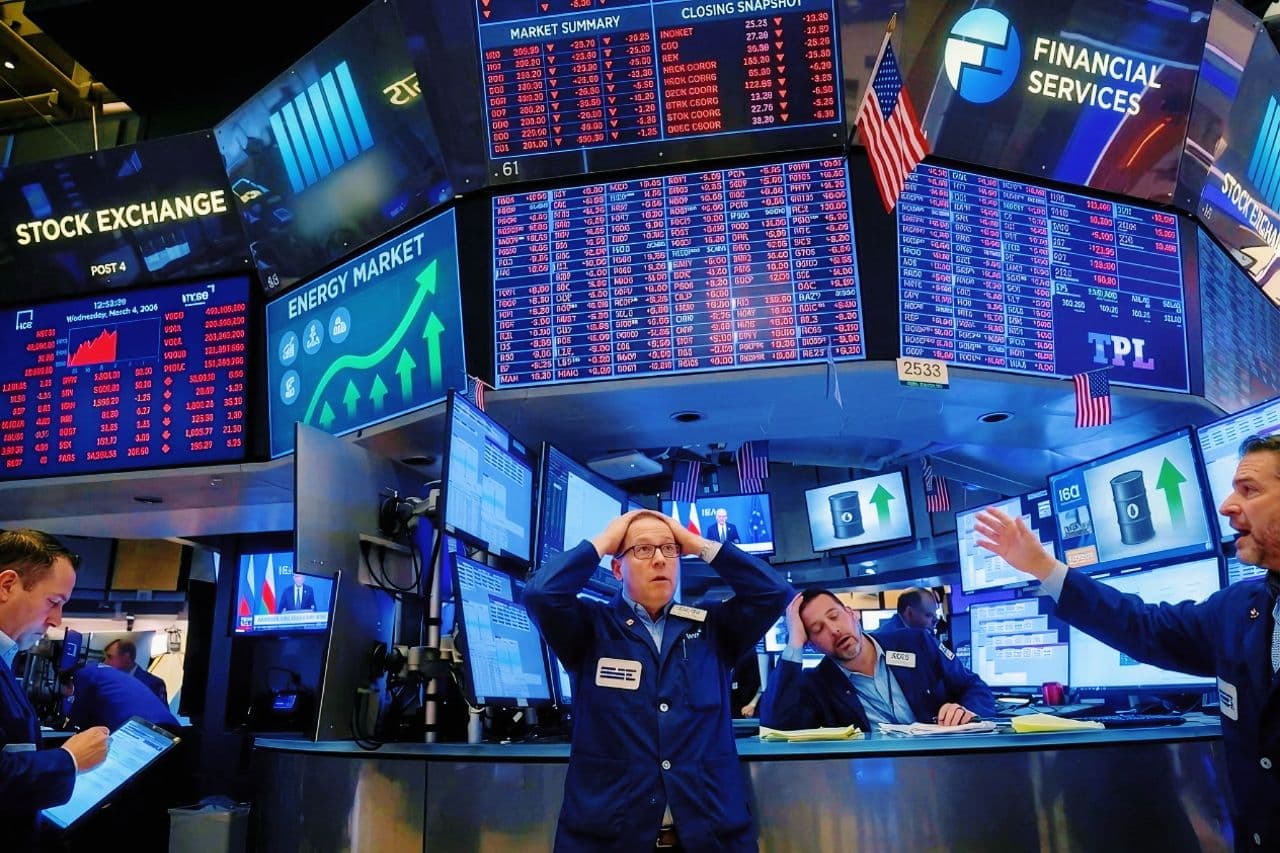
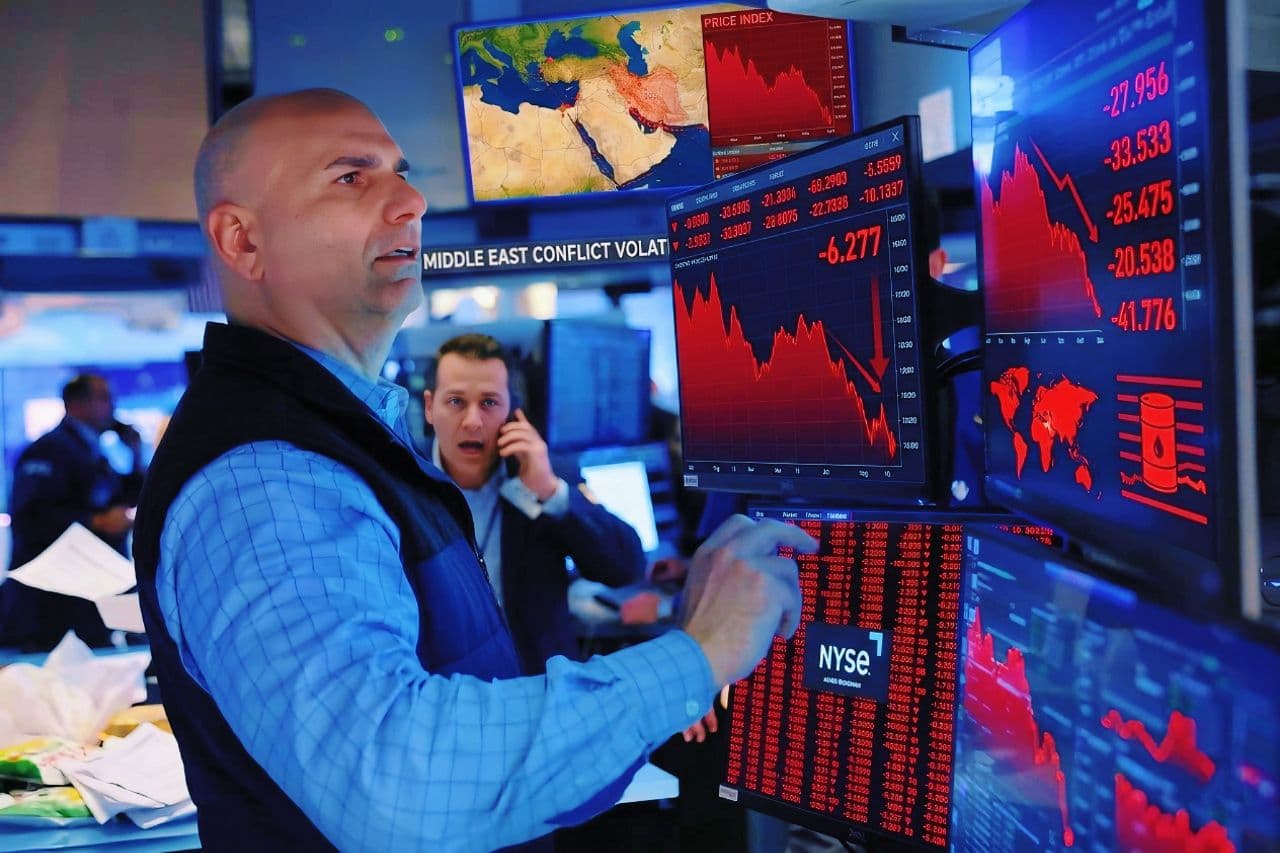
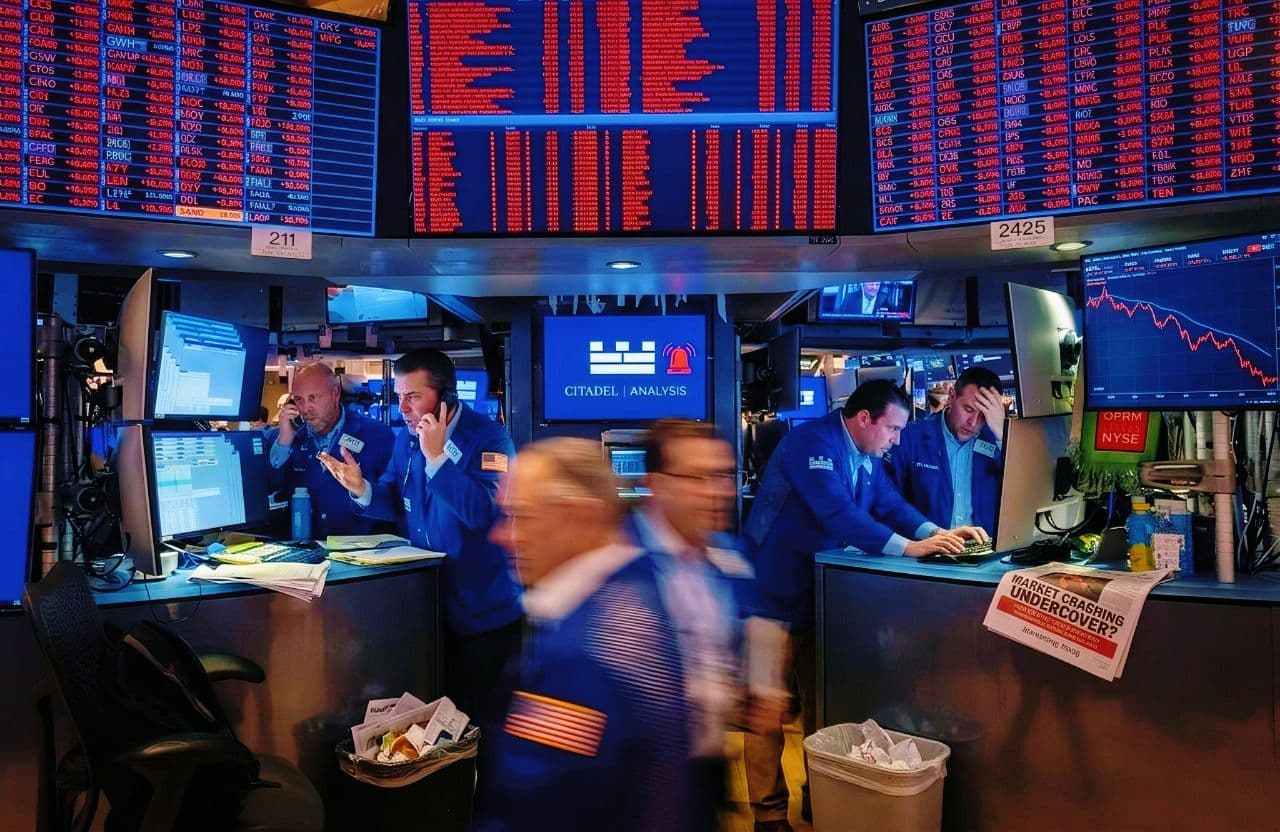
Stock Market Closes Lower After Earnings Wave and Strong Jobs Report
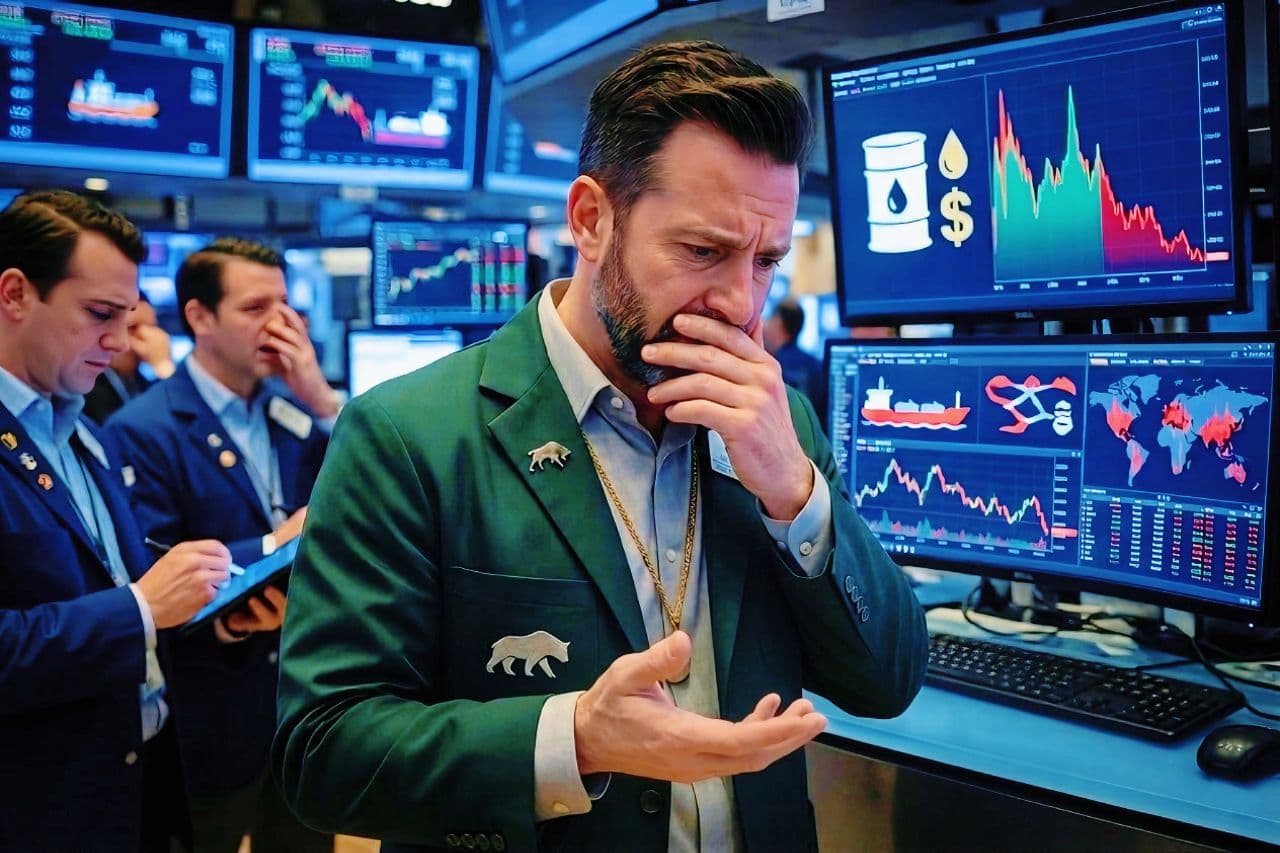
- Major U.S. indexes closed slightly lower as investors weighed a wave of corporate earnings alongside a stronger-than-expected January jobs report. The Nasdaq fell 0.2%, the Dow slipped 0.1%, and the S&P 500 edged down less than a point, pulling back after record highs earlier in the week. Treasury yields climbed, with the 10-year at 4.18%, as traders recalibrated expectations for Federal Reserve rate cuts.
- Corporate earnings drove sharp moves: Mattel plunged 25%, Lyft sank 17%, and Robinhood fell 9%, while Hinge Health jumped 17%, Cloudflare rose 5%, and T-Mobile gained 5%. Bitcoin traded near $67,600, gold futures surged 1.6%, and silver jumped 4.5%, reflecting investor repositioning amid mixed signals from the economy and markets.
Key Takeaways
Stock Market Slips as Earnings and Jobs Data Shift Fed Outlook
Major U.S. indexes ended slightly lower Wednesday as investors weighed a flood of corporate earnings alongside a stronger-than-expected January jobs report. The Nasdaq fell 0.2%, the Dow slipped 0.1%, and the S&P 500 closed fractionally lower, pulling back after record highs earlier in the week. Treasury yields climbed, with the 10-year at 4.18%, as traders recalibrated expectations for Federal Reserve policy.
The Bureau of Labor Statistics reported 130,000 jobs added in January, well above forecasts of 55,000, while the unemployment rate dipped to 4.3%. That stronger labor print reduced pressure on the Fed to cut rates, with CME’s FedWatch tool showing a 94% chance of no change in March, up from 80% the day before. Corporate earnings drove sharp moves: Mattel plunged 25%, Lyft sank 17%, and Robinhood fell 9%, while Cloudflare gained 5%, T-Mobile rose 5%, and Ford added nearly 2%. Commodities rallied, with gold up 1.6%, silver surging 4.5%, and oil climbing 1.5%.


Morgan Stanley Sees Buying Opportunity in Software Stocks
Software shares have been hammered this year, with the iShares Expanded Tech-Software Sector ETF (IGV) down more than 20% amid fears that AI disruption will erode profits and shrink seat-based revenue. Giants like Intuit, ServiceNow, and Salesforce have led the decline, with Salesforce losing about 30% of its value. The sell-off intensified last week after Anthropic’s release of AI legal tools triggered what analysts dubbed a “SaaSpocalypse.”
Morgan Stanley analysts argue the rout has been broad and indiscriminate, with little differentiation across fundamentals. They believe this has created buying opportunities, noting that while AI-native startups pose challenges, the market reaction has overshot underlying business realities. In their view, software stocks may be down, but they’re not out, and stabilization could follow as investors reassess fundamentals.


Inflation Report Expected to Show Lowest Rate in Five Years
Economists expect Friday’s Consumer Price Index report to show inflation easing further in January. Headline CPI is forecast to rise 2.5% year-over-year, down from December’s 2.7% increase, marking the lowest level since 2021. Core inflation, which excludes food and energy, is also projected to slip to 2.5% from 2.6%, reinforcing signs of cooling price pressures.
If the report matches expectations, it could strengthen arguments that tariff-driven inflation spikes are fading as companies finish adjusting prices. While inflation fell through 2024 and early 2025 before reversing mid-year under sweeping tariffs, stable gasoline and rent costs have kept overall price growth contained. Some forecasters caution, however, that January’s decline may be the last good news for a while, leaving the Federal Reserve’s 2% target still out of reach.


AI Disruption Fears Trigger Sell-Off Across Sectors
Investors are increasingly adopting a “sell first, ask questions later” approach as AI disruption fears ripple through markets. Last week, software and legal services were hit hard, and this week financials came under pressure. Shares of Charles Schwab and LPL Financial slid after Anthropic unveiled an AI model capable of advanced financial analysis, while Altruist launched an AI-powered tax planning tool. ETFs tracking software and financials, including XSW and XLF, are down sharply year-to-date, even as the broader benchmark index remains in the green.
Market strategists warn that AI-related disruption whether real or perceived is now entrenched in investor sentiment. Analysts describe the recent rout as indiscriminate, with limited differentiation across fundamentals. They expect “disruption-related volatility” to be recurring, suggesting that indiscriminate selling could continue as AI’s impact becomes more quantifiable across industries.


QXO Stock Jumps on $2.25B Kodiak Acquisition
QXO shares surged nearly 15% to about $26.65 Wednesday after announcing a $2.25 billion acquisition of Kodiak Building Partners. The deal includes $2.0 billion in cash and 13.2 million shares, which QXO can repurchase at $40 each. CEO Brad Jacobs called the acquisition “highly complementary,” noting it will expand cross-selling opportunities and strengthen QXO’s presence in key markets.
The transaction, expected to close in the second quarter, is projected to be highly accretive to 2026 earnings. Kodiak holds leading positions in many local markets, particularly across high-growth Sun Belt and Mountain states, offering QXO a substantial consolidation runway. With shares nearly doubling over the past 12 months, the acquisition aligns with QXO’s long-term goal of building a $50 billion revenue company.


Job Data Revision Undercuts Biden’s Record
The Bureau of Labor Statistics’ latest revisions revealed that the U.S. economy actually lost 48,000 jobs in January 2025, overturning earlier estimates of a 111,000 gain. That month spanned the transition between Joe Biden and Donald Trump, meaning Biden can no longer claim an unbroken streak of monthly job growth during his presidency.
Until now, Biden’s record was unique every month of his presidency had shown job gains. With the revision, he can only accurately say the economy never lost jobs in any full month of his tenure. The update highlights how routine data adjustments can reshape historical narratives around job creation and presidential economic records.


Applied Materials Earnings Could Spark 6% Stock Swing
Applied Materials is set to release fiscal first-quarter results after Thursday’s close, with traders bracing for volatility. Options pricing implies a 6% move in either direction, which could lift shares from Tuesday’s close at $329 to around $350, above January’s record, or pull them back toward $308.
The semiconductor equipment maker’s stock has already surged nearly 30% year-to-date and more than 80% over the past 12 months, fueled by demand for chips and AI hardware. While sales and profits are expected to decline year-over-year due to export restrictions and geopolitical uncertainty, Morgan Stanley analysts believe demand has “meaningfully” improved since November, raising the potential for upside surprises.


Mattel Stock Plunges 25% After Weak Holiday Earnings
Mattel shares tumbled nearly 25% to under $16 after disappointing fourth-quarter results covering the crucial holiday shopping season. The toy maker, known for Barbie and Hot Wheels, reported adjusted earnings of 39 cents per share on $1.77 billion in revenue, both missing analyst expectations.
CEO Ynon Kreiz explained that December order growth was slower than anticipated, as U.S. retailers spent much of the quarter catching up on delayed orders tied to tariff uncertainty. While international sales met expectations, the shortfall in domestic demand weighed heavily on results, sparking the sharp sell-off.


Trump Accounts Aim to Build Wealth, Raise Inequality Concerns
Trump Accounts, created under the 2025 “One Big, Beautiful Bill,” are set to launch July 5, offering babies born between 2025 and 2028 a $1,000 government-funded investment. The accounts function like IRAs, locked until age 18, and can be funded by parents, employers, nonprofits, and philanthropists. Major backers include Michael Dell and Ray Dalio, while firms like JPMorgan and Charles Schwab pledged to match contributions for eligible employees.
Advocates say the program levels the playing field by giving every child a head start in wealth-building. Critics, however, warn it could widen inequality, since wealthier families and employers are better positioned to add funds. The debate highlights how policy-driven investment tools may shape generational wealth distribution in the years ahead.


Robinhood Stock Drops on Weak Revenue and Trading
Robinhood Markets (HOOD) shares fell sharply Wednesday after reporting fourth-quarter results that disappointed investors. Revenue rose to $1.28 billion, with transaction-based revenue at $776 million and platform assets at $324 million all below analyst expectations. Earnings per share of 66 cents beat forecasts by 4 cents, but that wasn’t enough to offset concerns.
The brokerage’s ties to crypto markets have weighed heavily on sentiment amid a bitcoin sell-off. Shares have lost about one-third of their value in 2026, reflecting sluggish trading activity and investor caution.


Winter Storms Chill Economy, Hit Sales
Severe winter storms from New Mexico to Maine in January and February were strong enough to show up in the economic data. Economists noted impacts on natural gas prices and retail sales, with ripple effects expected in housing and other sectors in the coming months.
Unlike hurricanes, which often destroy infrastructure, this cold snap mainly kept people indoors and away from stores and restaurants. That slowdown was enough to dent economic activity, highlighting how extreme weather can leave a measurable mark on national statistics.


Fed Expected to Hold Rates After Strong Jobs Report
The Federal Reserve is unlikely to cut interest rates at its next meeting following January’s solid jobs data. According to CME Group’s FedWatch tool, traders now see only a 6% chance of a rate cut, down from 22% before the report.
Economists note the Fed had already factored in recent data revisions, and with inflation still above the 2% target, policymakers are expected to keep rates higher for longer. The stronger labor market gives the Fed more room to stay on the sidelines while focusing on price stability.


Consumers Face 2026 With Spending Slowdown
Retail sales stalled in December, falling short of expectations after months of strong growth. Economists warn this could be an early sign that consumers are set to pull back spending in 2026 as the labor market weakens.
With job creation slowing and confidence fading, households may become more cautious. Since consumer spending makes up about two-thirds of the U.S. economy, even modest declines could have a meaningful impact on overall growth. Analysts at Moody’s Analytics expect spending growth to ease further this year, reflecting both labor market softness and broader economic uncertainty.


Kraft Heinz Pauses Breakup Plan After Earnings Miss
Kraft Heinz shares fell 7% pre-market after new CEO Steve Cahillane announced the company will pause its planned separation, saying challenges are “fixable and within our control.” The decision came alongside fiscal Q4 results showing net sales down 3.4% year-over-year to $6.35 billion, with declines across coffee, cold cuts, bacon, and Ore-Ida.
While adjusted EPS of $0.67 topped estimates, Kraft Heinz’s 2026 guidance of $1.98 $2.10 fell well below consensus at $2.48. The company, which had previously planned to split into two businesses, now says it will avoid related dis-synergies this year. Shares remain down more than 15% over the past year, reflecting ongoing volume and mix challenges.


Trump Family’s Crypto Venture: World Liberty Financial Explained
World Liberty Financial is the Trump family’s crypto firm, founded by President Donald Trump, his sons, and investor Steve Witkoff. The company positions itself as a DeFi ecosystem, aiming to cut out middlemen in financial transactions. Its platform, WLFI Markets, lets users borrow and lend against digital assets using its USD1 stablecoin, pegged to the U.S. dollar.
The firm has applied for a national banking charter through its World Liberty Trust subsidiary, signaling ambitions to blend traditional finance with crypto. Alongside USD1, the company’s token WLFI has traded around 11 cents recently, down from a peak of 33 cents since its September launch. While the app isn’t available everywhere in the U.S., including New York, broader adoption could expand USD1’s supply and boost interest income from the assets backing it.


Raises Are Getting Harder to Come By
Wage growth slowing is a big signal that the labor market is shifting. In Q4, private industry wages rose just 0.7%, the weakest pace since mid‑2021. Year‑over‑year growth held at 3.4%, but that’s down from the prior quarter. The Bureau of Labor Statistics data shows employers are cutting back on hiring, job openings have fallen to post‑pandemic lows, and unemployed workers now outnumber available jobs. That imbalance means companies feel less pressure to raise pay.
Moody’s Analytics economist Dante DeAntonio summed it up: the weak Employment Cost Index reflects a softer labor market in late 2025, with employers regaining leverage. For workers, this translates into fewer raises and tougher negotiations.


The Bottom Line
- Jobs surprise: The U.S. added 130,000 jobs in January, more than double expectations. The unemployment rate dipped to 4.3%.
- Fed outlook: Bond yields rose as traders recalibrated. CME FedWatch now shows a 94% chance the Fed holds rates steady in March, up from 80% yesterday.
- Indexes: The Dow, Nasdaq, and S&P 500 all closed slightly lower after record highs earlier in the week.
- Magnificent Seven: Mixed performance — Nvidia and Tesla gained ~0.8%, Alphabet fell 2.4%.
- Commodities & crypto: Bitcoin slipped to $67,600; gold surged 1.6% to $5,110/oz; silver jumped 4.5% to $84/oz; oil rose 1.5% to $65/barrel.
- Currency: The U.S. dollar index ticked higher to 96.86.
Earnings movers:
- Big decliners: Mattel (-25%), Lyft (-17%), Robinhood (-9%), Humana (-3%).
- Big gainers: Hinge Health (+17%), Cloudflare (+5%), T-Mobile (+5%), Ford (+2%).