Stock Market Gains Ahead of Inflation and GDP Data
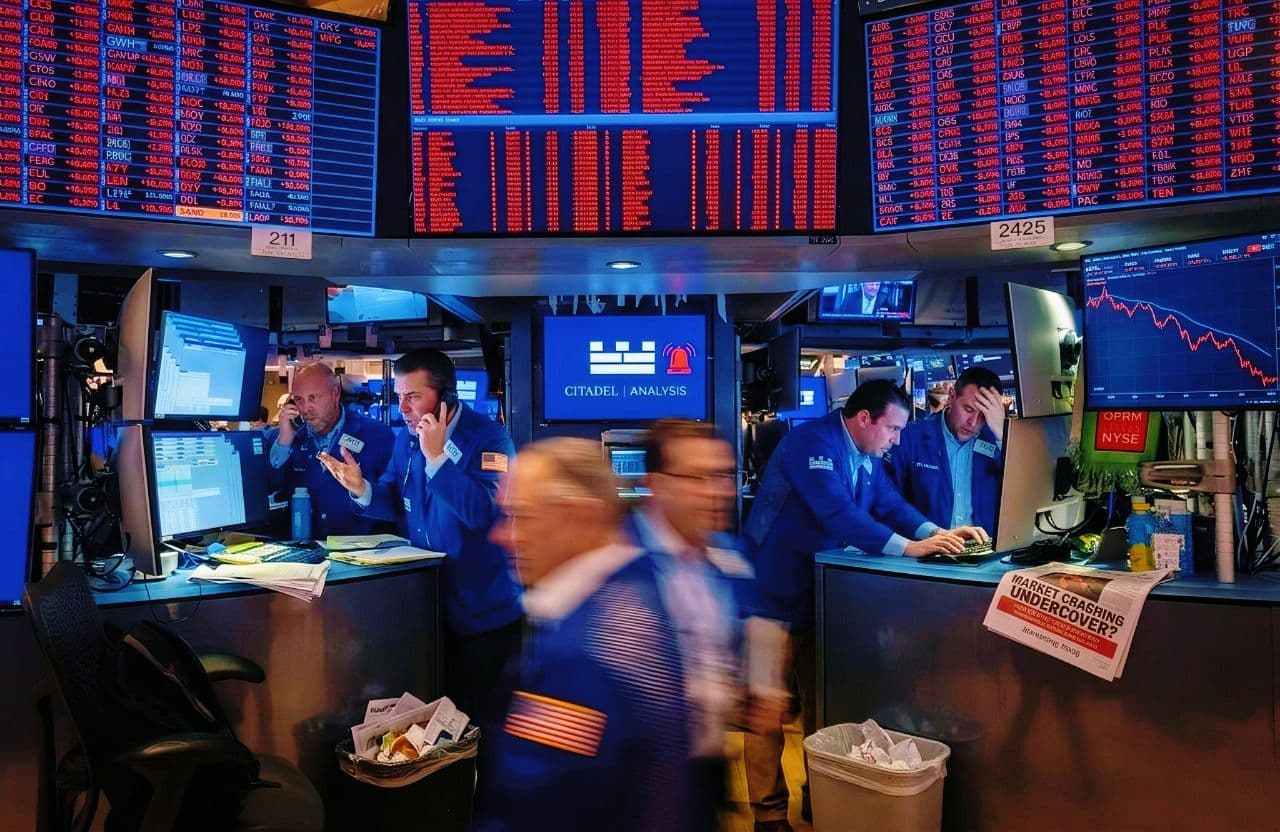
- Stocks opened the week with volatility but managed small gains, with the Nasdaq, S&P 500, and Dow Jones each rising 0.1% after early losses. Tech stocks were mixed: Apple surged 3.2%, Nvidia and Amazon rebounded, while Tesla, Alphabet, and Microsoft slipped. Paramount Skydance jumped 5% as Warner Bros. Discovery reopened acquisition talks, adding fresh drama to the ongoing media consolidation battle.
- Investors are focused on upcoming inflation and GDP data, particularly the PCE price index—the Fed’s preferred inflation measure—due Friday. Treasury yields edged higher to 4.06%, while gold and silver slumped sharply. Oil dipped 1% and Bitcoin retreated below $70,000. The week’s economic reports will be critical in shaping expectations for Federal Reserve policy decisions.
Key Takeaways
Stock Market Gains as Investors Await Inflation and GDP Data
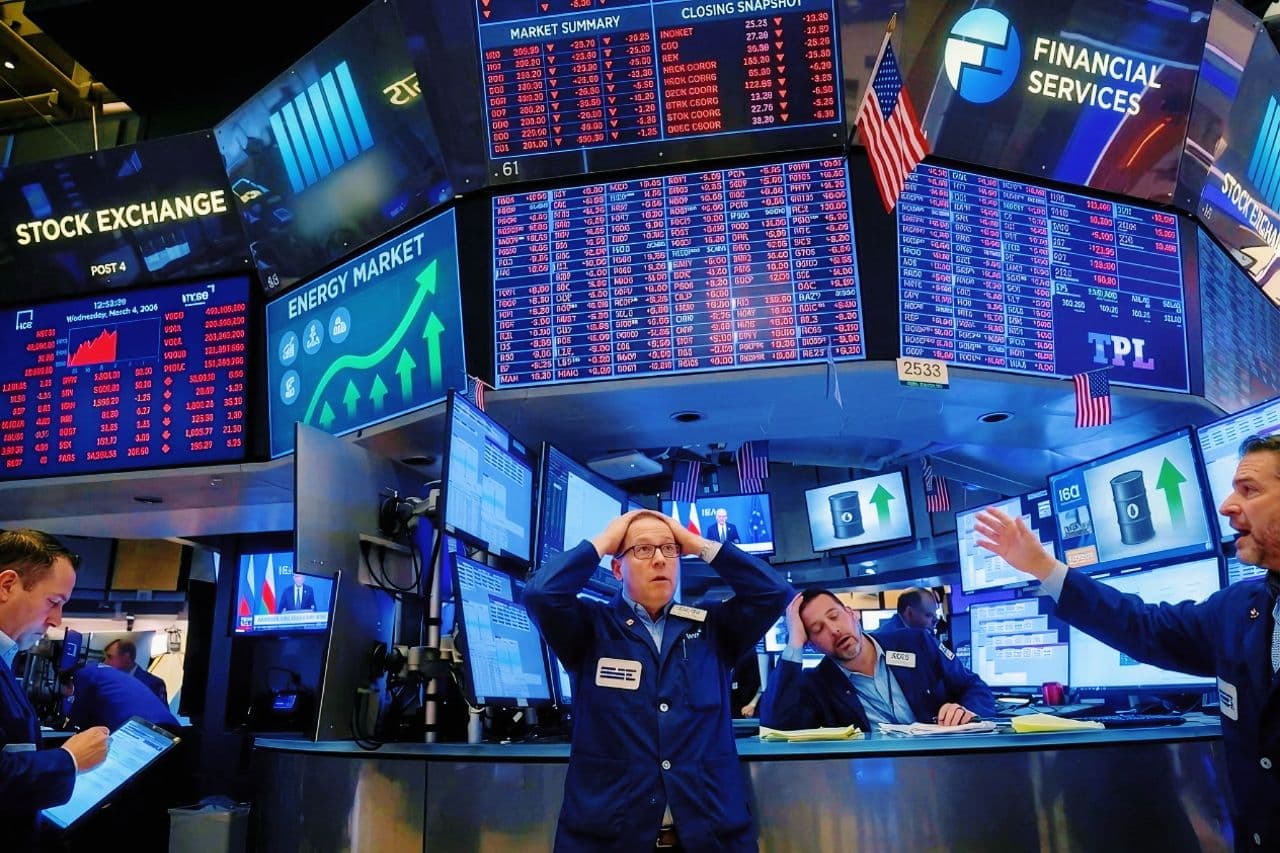
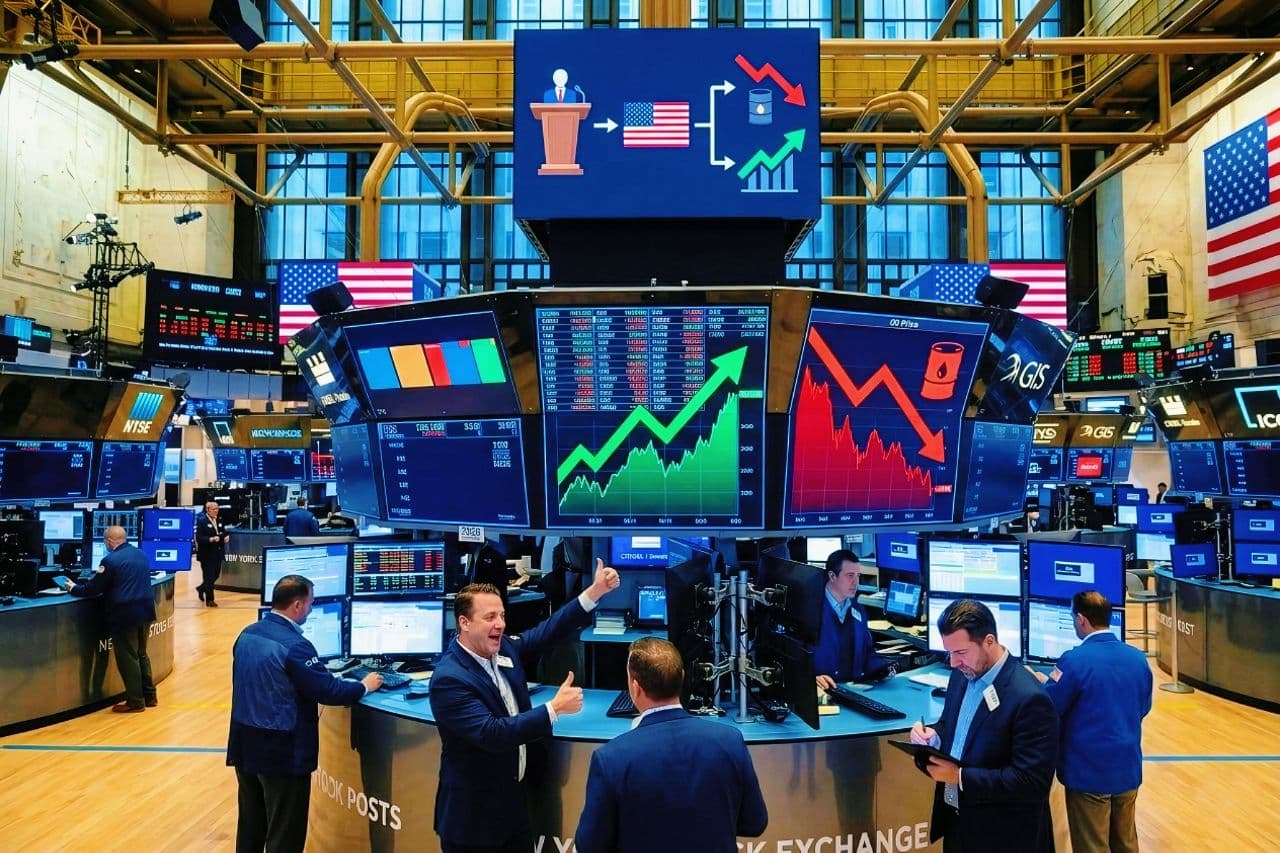
The major indexes shook off early losses to close slightly higher in a holiday-shortened week. The Nasdaq, S&P 500, and Dow Jones each rose 0.1%, with tech stocks mixed Apple surged 3.2%, Nvidia and Amazon rebounded, while Tesla, Alphabet, and Microsoft slipped. Paramount Skydance jumped 5% after Warner Bros. Discovery resumed acquisition talks, adding momentum to media sector activity.
Markets are bracing for Friday’s release of the PCE price index, the Fed’s preferred inflation gauge, alongside Q4 GDP data. Treasury yields edged up to 4.06%, while gold and silver slumped sharply, continuing their volatile trend. Oil dipped 1% and Bitcoin retreated below $70,000, reflecting broader investor caution ahead of key economic reports.






Netflix, Warner Bros, and Paramount Battle Over Media Deal
Warner Bros. Discovery reignited talks with Paramount Skydance, giving the rival bidder seven days to deliver a “best and final offer” strong enough to challenge Netflix’s current deal. While Warner’s board continues to recommend the Netflix merger, the decision to reopen negotiations signals that the high-stakes contest for premium media assets like HBO and DC Studios is far from settled.
The renewed discussions follow months of back-and-forth, including Paramount’s informal offers, multiple bids aimed at easing Warner’s concerns, and even a hostile takeover attempt. Paramount, led by David Ellison, formally offered $30 per share but indicated willingness to raise its bid further, underscoring its determination to secure Warner Bros. despite Netflix’s advantage.
Shares reacted swiftly to the latest developments. Paramount stock surged more than 5%, Warner Bros. climbed 3%, and Netflix edged up 0.2%. The market’s response highlights investor anticipation of how this consolidation battle could reshape the entertainment industry.
With negotiations heating up, the outcome of this corporate showdown will determine control over some of the most valuable media brands. The next week is pivotal, as Paramount must prove it can outbid Netflix and sway Warner’s board toward a new direction.






Genuine Parts Stock Falls on Break-Up Plan and Weak Earnings
Market Reaction
Shares of Genuine Parts Company (GPC) dropped more than 13% after announcing plans to split into two separate businesses one focused on automotive parts and the other on industrial parts.
CEO Will Stengel said the move is designed to sharpen customer alignment, simplify operations, and enable more targeted investments. The separation is expected to be completed in the first quarter of 2027.
Industry Context
Corporate breakups have become increasingly popular, with GE’s split into three companies between 2023 and 2024 serving as a model. GE Aerospace, GE Vernova, and GE Healthcare now have a combined market value of $580 billion, nearly six times GE’s worth at the time of its announcement.
Inspired by that success, companies like 3M and Honeywell have followed suit, often under pressure from activist investors.
Investor Influence
Activist Elliott Investment Management has played a key role in this trend. Elliott pushed Honeywell toward its breakup last year and took a $1 billion stake in Genuine Parts in September, securing two new independent directors on the board. Elliott’s involvement highlights how activist investors are reshaping corporate strategies to unlock shareholder value.
Earnings Impact
Alongside the breakup announcement, Genuine Parts reported disappointing fourth-quarter results. Adjusted earnings per share came in at $1.55, missing Wall Street expectations, while revenue was slightly above $6 billion but still below forecasts. The weak results added to investor concerns, sending the stock lower despite its 20% gain earlier in the year.






Dow Jones 100,000 Forecast Faces Tough Market Reality
The Dow Jones Industrial Average recently crossed the 50,000 mark, sparking bold predictions from President Donald Trump that the index could double to 100,000 by January 2029. While the milestone reflects strong momentum in equity markets, analysts argue that such rapid growth would defy historic averages and require extraordinary conditions.
Experts note that the Dow took nearly eight years to climb from 25,000 to 50,000. Based on long-term return data, the index would need closer to a decade to reach 100,000. More recent averages suggest a five-to-ten-year timeline, making Trump’s projection highly ambitious. Portfolio manager Jeremiah Buckley of Janus Henderson sees 60,000 to 70,000 as a more realistic three-year target.
For the Dow to hit 100,000 in under three years, its 30 constituents would need earnings growth of about 25% annually, far above current expectations. State Street data shows estimated 2026 earnings per share at $2,357, representing a compound annual growth rate of 10% since 2023. Even with record EPS growth, analysts stress that significant multiple expansion would be required, as the current price-to-earnings ratio of 30 is already near historic highs.
The projection underscores the tension between political optimism and market fundamentals. While strong earnings and investor confidence could push the Dow higher, doubling in such a short period would demand unprecedented growth and valuation expansion, conditions rarely sustained in market history.






Norwegian Cruise Line Stock Surges as Activist Investor Pushes Changes
Norwegian Cruise Line shares jumped more than 11% after Elliott Investment Management disclosed a stake exceeding 10% and announced plans to pressure the company into major reforms. Elliott sent a letter and presentation to Norwegian’s board outlining proposals to overhaul leadership, improve guest experience, and boost profitability. The activist investor criticized the company’s decline from a best-in-class operator at its IPO to what it now calls an industry laggard, citing weak execution and poor cost discipline.
Despite Tuesday’s surge, Norwegian’s stock remains down nearly 10% over the past year, trailing rivals Carnival and Royal Caribbean, which have each gained about 25% in the same period. Elliott argued that Norwegian’s inconsistent strategy and inaccurate guidance have left it vulnerable to competition and rising costs.
The company recently appointed John Chidsey, former CEO of Subway and Burger King, as its new chief executive, replacing Harry Sommer. Elliott criticized the choice, saying Chidsey lacks cruise industry experience despite his long tenure on Norwegian’s board. Norwegian responded that it remains committed to delivering value for investors and will provide more details during its March 2 earnings report.
Elliott signaled it is prepared to take its case directly to shareholders at the upcoming annual meeting. The firm suggested that its proposed changes could help Norwegian’s stock recover to pre-pandemic levels near $56, more than double Friday’s close, underscoring the scale of its ambitions for the cruise operator.






Packaged Food Stocks Drop After General Mills Cuts Forecasts
Shares of General Mills fell more than 7% after the company lowered its 2026 sales and profit outlook, citing a “challenging” consumer environment. The maker of Wheaties and Cheerios now expects organic net sales to decline between 1.5% and 2%, compared with its earlier forecast of up to 1% growth. Adjusted earnings per share are projected to fall 16% to 20%, deeper than the prior estimate of a 10% to 15% decline.
General Mills said weak consumer sentiment, heightened uncertainty, and significant volatility have slowed category growth and raised costs, making recovery more expensive than anticipated. The announcement weighed on packaged food peers, with Campbell’s, Mondelez International, and Kraft Heinz all sliding more than 4% in recent trading.
CEO Jeff Harmening pointed to persistent inflation, reductions in SNAP benefits, and geopolitical uncertainty as factors driving consumer stress, particularly among middle- and lower-income households. He noted that shoppers are increasingly seeking discounts rather than paying full price, a trend that has pressured margins across the sector.
The divide between income groups has widened, with lower-income consumers hit hardest by inflation and stagnant job growth, while wealthier households have benefited from stock market gains. The University of Michigan’s latest consumer survey showed a 20-point gap in sentiment between respondents without stock holdings and those with significant market exposure, underscoring the uneven financial landscape.






Investors Warn of AI Spending Bubble as Concerns Rise
Professional investors are increasingly worried about the massive costs tied to artificial intelligence. A Bank of America survey found that a net 35% of fund managers believe companies are “overinvesting” in AI, the highest level on record and a sharp jump from 14% in December. Big Tech is projected to spend more than $600 billion this year on infrastructure, much of it dedicated to training and running AI systems, raising doubts about whether those investments will deliver sufficient returns.
The stock market has reflected those concerns, with hyperscalers like Microsoft and Amazon under pressure. Tech stocks broadly traded lower Tuesday, and software companies continued to slump amid fears of AI-driven disruption. The iShares Expanded Tech-Software Sector ETF has already lost nearly 25% of its value since the start of the year, underscoring investor anxiety about the sector’s trajectory.
Beyond individual companies, investors see AI overspending as a potential systemic risk. Nearly one in three respondents identified “AI hyperscaler capex” as the most likely source of a credit event, second only to private equity and credit markets. A quarter of surveyed investors also flagged an AI bubble as the biggest risk to the stock market, making it the most common concern overall.
The growing unease highlights how quickly optimism around AI has shifted toward caution. While the technology promises transformative potential, the scale of spending and uncertainty around demand have left investors questioning whether the industry can sustain its pace without triggering broader financial instability.






Markets Brace for Inflation, GDP Data and Walmart Earnings
A holiday-shortened trading week is packed with key economic reports and corporate updates. Investors are awaiting Friday’s release of the PCE inflation report, the Federal Reserve’s preferred gauge, which could influence the outlook for interest rates. The minutes from the Fed’s January meeting are also expected to provide insight into policymakers’ views on growth and inflation.
On Thursday, the first estimate of fourth-quarter GDP will be released, following strong third-quarter growth of 4.4%. Housing data, including new home sales, housing starts, and pending home sales, will offer a snapshot of the real estate market, while durable-goods orders and trade reports will shed light on manufacturing and international demand.
Corporate earnings will also be in focus, with Walmart set to report results under new CEO John Furner. The retailer recently became the first big-box store to hit $1 trillion in market capitalization, and investors will be watching closely to see if it can sustain momentum after raising its sales forecast last quarter.
Meanwhile, quarterly 13F filings from Berkshire Hathaway and other major investors are expected this week, revealing portfolio changes from the fourth quarter. Any significant moves by Berkshire could be among the last under Warren Buffett’s leadership, making them especially noteworthy for market watchers.






The Bottom Line
The bottom line for this holiday-shortened week is that investors are bracing for a series of critical economic updates. The PCE inflation report due Friday will be closely watched as the Federal Reserve’s preferred gauge, with potential implications for interest rate policy. Thursday’s release of Q4 GDP data will provide the first look at growth momentum following a strong third quarter, while housing and trade reports will add further context to the economic picture.
Corporate earnings will also play a major role, with Walmart set to deliver its first results under new CEO John Furner. The retailer recently crossed the $1 trillion market cap milestone, and investors will be watching to see if it can sustain its growth trajectory. Meanwhile, quarterly 13F filings from Berkshire Hathaway and other major funds will reveal portfolio changes, potentially marking some of the last moves under Warren Buffett’s leadership.
Together, these reports will shape market sentiment, offering insight into consumer strength, inflation trends, and corporate performance. With volatility already elevated, traders are positioning for data that could influence both near-term market direction and longer-term monetary policy.