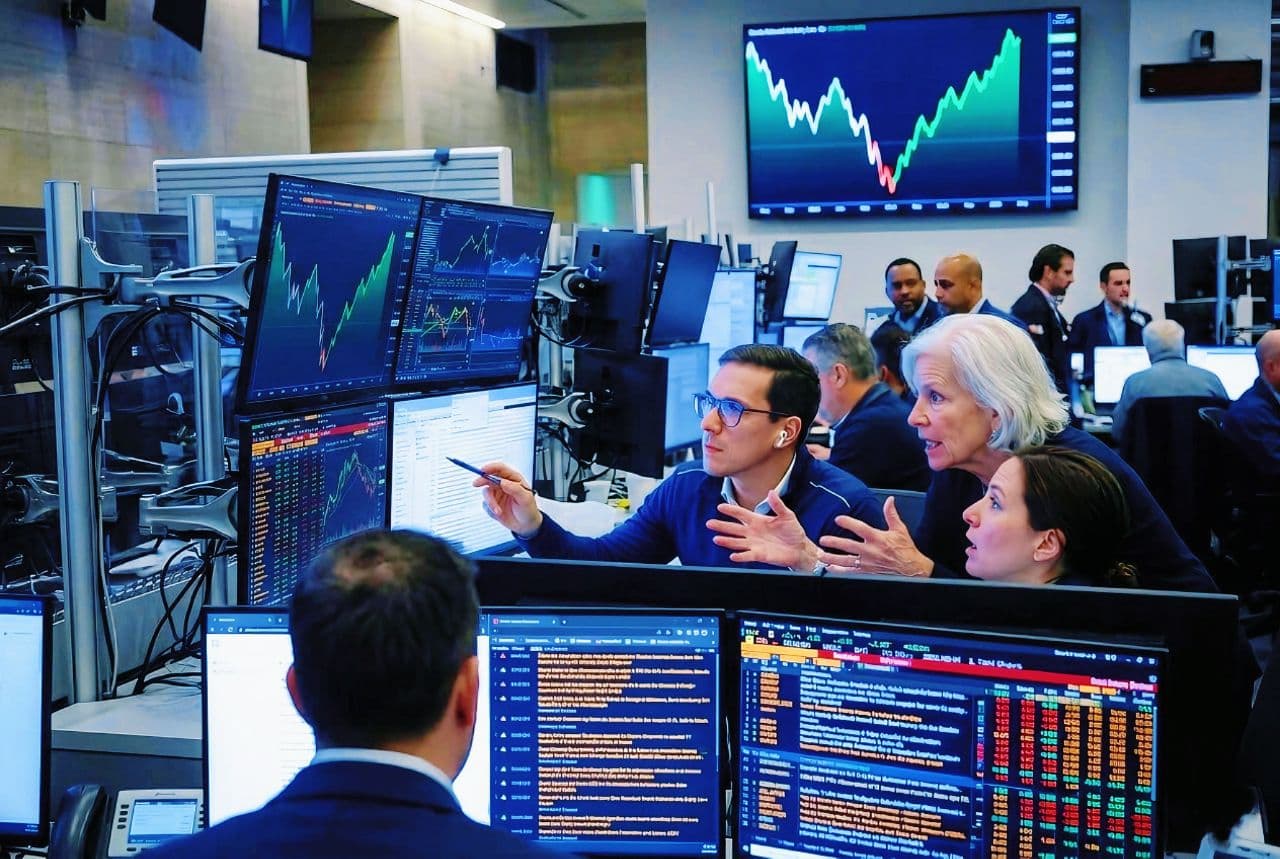
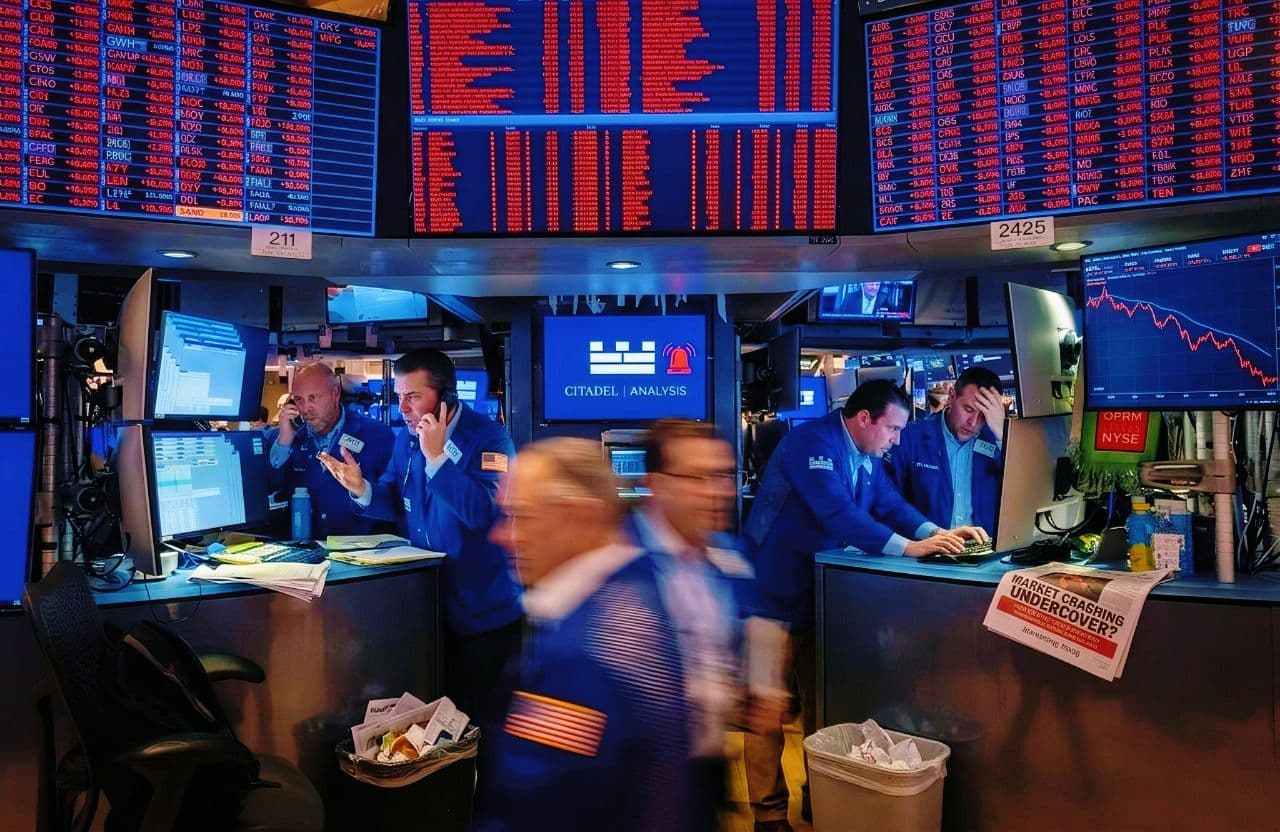
Stock Market Today: Dow, S&P 500, Nasdaq Retreat as Nvidia Drags Tech
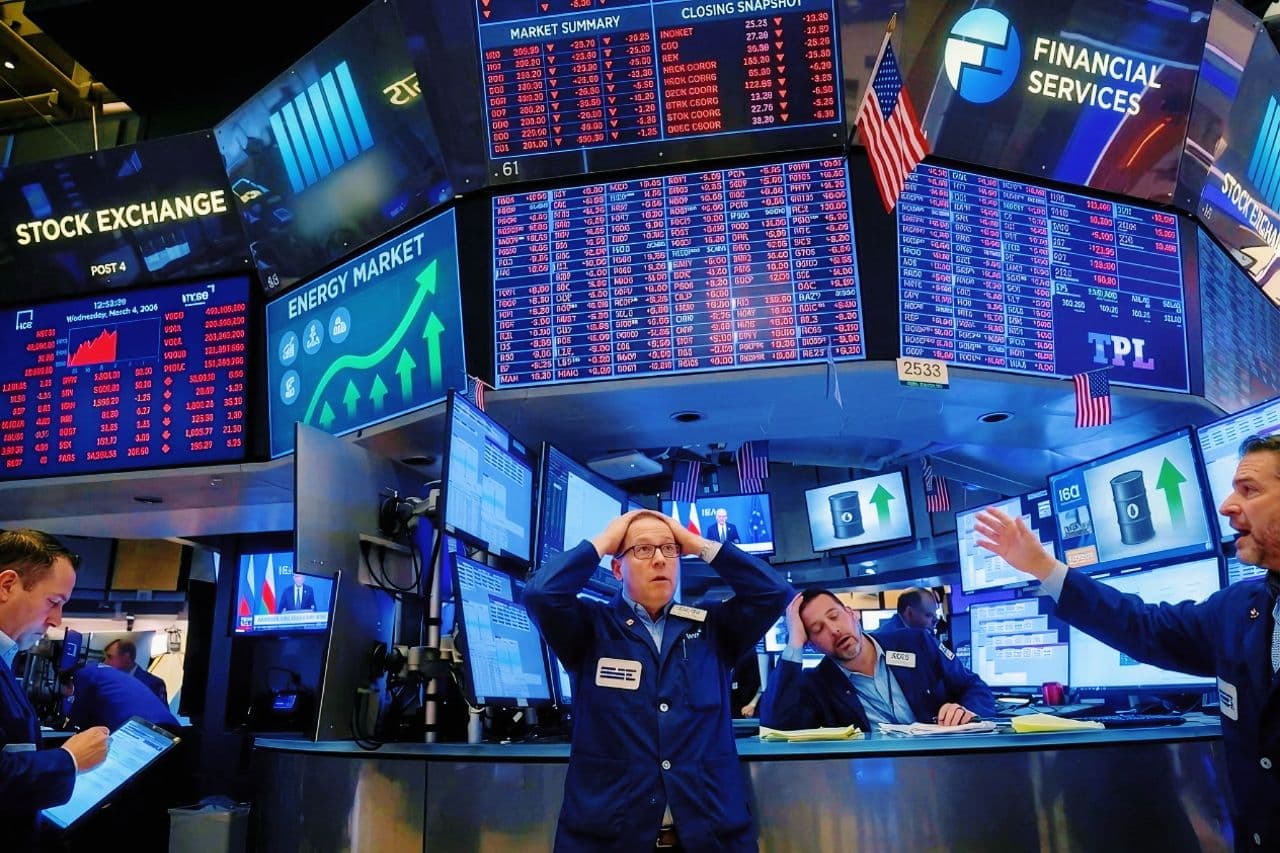
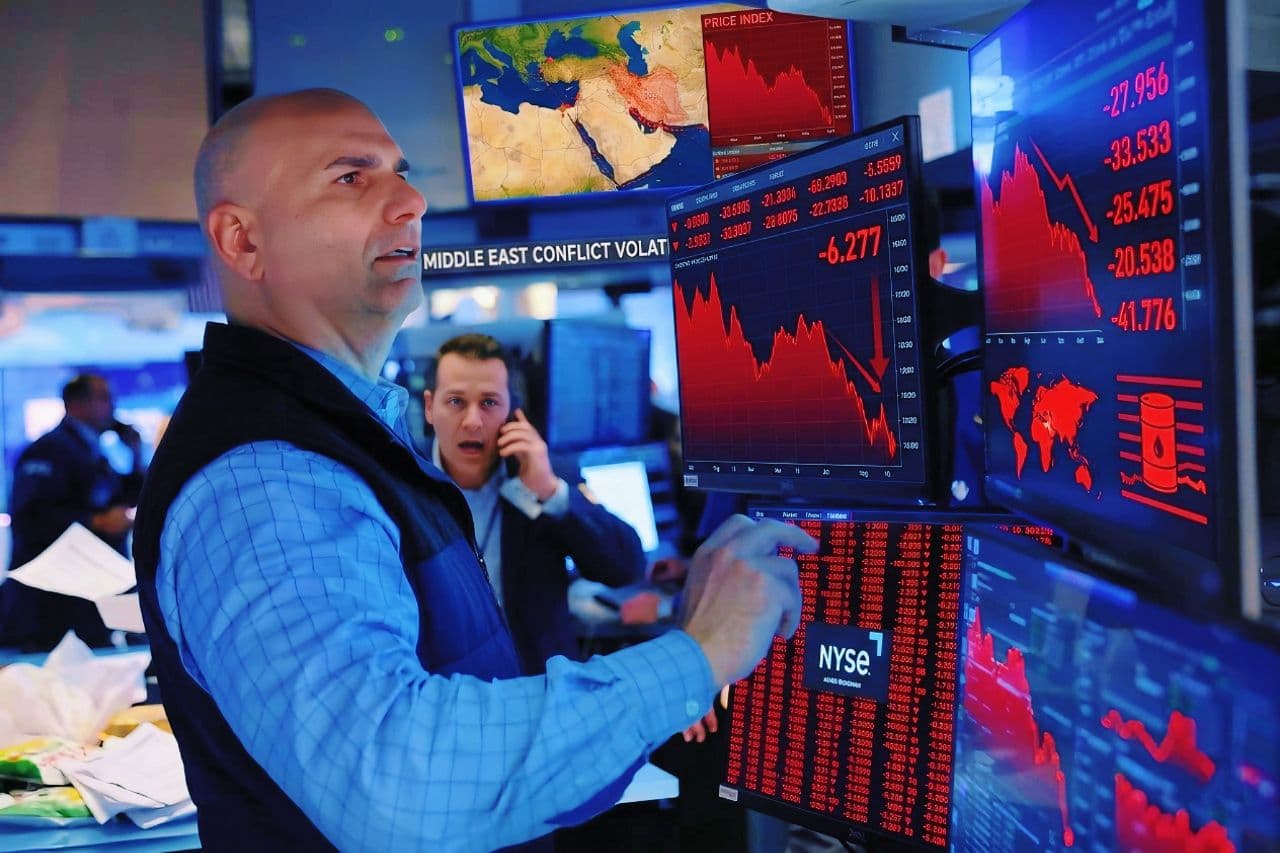
- After two days of gains, U.S. stock indexes pulled back as investors reassessed momentum in the market. The Dow Jones, S&P 500, and Nasdaq all slipped, reflecting profit‑taking and renewed caution. Despite recent rallies, volatility remains a defining feature of 2026 trading, with inflation and interest rate concerns still weighing on sentiment.
- Tech stocks were in focus, with Nvidia leading declines despite reporting blowout earnings. The company’s results exceeded expectations, but investors questioned whether its valuation had run too far ahead of fundamentals. This reaction highlights how sensitive the market is to high‑growth names, where even strong performance can trigger sell‑offs if future growth looks fully priced in.
- The retreat underscores how fragile investor confidence remains. Lower mortgage rates and easing inflation have boosted optimism in consumer spending, but tariffs and global trade tensions continue to cloud the outlook. Traders are closely watching the Federal Reserve, as interest rate policy remains a key driver of both equity and housing markets.
- The pullback serves as a reminder that rallies can be fleeting. Investors are navigating a market shaped by strong corporate earnings, shifting monetary policy, and geopolitical uncertainty. The next moves will depend heavily on whether confidence in tech and consumer sectors can outweigh broader risks.
Key Takeaways
Stock Market Today: Dow, S&P 500, Nasdaq Slip as Nvidia Leads Tech Decline
Major U.S. stock indexes retreated Thursday after a two‑day rally, with Nvidia weighing heavily on the tech sector despite delivering quarterly results that beat Wall Street expectations. The Nasdaq fell 1.3% and the S&P 500 dropped 0.6% heading into the close, while the Dow Jones Industrial Average managed a slight 0.1% gain.
The pullback followed Wednesday’s surge, when all three indexes posted solid gains after tumbling earlier in the week on tariff and AI‑disruption concerns. Nvidia’s earnings report blew past estimates, with CEO Jensen Huang noting customers are “racing to invest in AI.” Still, shares fell more than 5% after the bell, leading Dow decliners and sparking broader weakness in chipmakers.
Other tech names also struggled. Broadcom, Western Digital, and Seagate Technology dropped between 4% and 5%, dragging the S&P 500 Information Technology Sector down 2% the worst performer among the 11 tracked industries. Meanwhile, Salesforce rose about 4.5% despite issuing a full‑year revenue forecast that fell short of analyst expectations, showing resilience in software stocks.
Post‑earnings moves were mixed across the market. IonQ soared 24%, J.M. Smucker jumped 9%, while C3.ai sank 19% and The Trade Desk slipped 4%. In media, Paramount Skydance surged 10% after reporting results, while Warner Bros. Discovery was little changed. Netflix gained 3% amid reports its CEO would visit the White House to discuss potential asset acquisitions.
Beyond equities, Bitcoin traded around $66,900 after hitting overnight highs near $69,900. The 10‑year Treasury yield dipped below 4.03%, easing slightly from Wednesday’s close. Commodities were mixed, with gold futures down 0.7% to $5,190 an ounce, silver off 4% to $87.35, and crude oil up 1.2% to $66.15 a barrel. The U.S. dollar index rose 0.3% to 97.97, reflecting strength against major currencies.






Universal Health Services (UHS) had the steepest drop among S&P 500 components Thursday, with shares sliding 11% after reporting weaker‑than‑expected fiscal 2025 fourth‑quarter results. The King of Prussia, Pa.-based healthcare provider posted adjusted earnings of $5.88 per share on revenue of $4.49 billion, missing analyst estimates of $5.92 and $4.51 billion.
Despite revenue growing 9% year‑over‑year, the earnings miss weighed heavily on investor sentiment. The sharp decline pushed UHS stock into negative territory for 2026, erasing earlier gains and underscoring how sensitive healthcare equities remain to quarterly performance.
The sell‑off reflects broader market caution, as investors continue to scrutinize earnings reports for signs of resilience amid inflation pressures and shifting interest rate expectations. UHS’s results highlight the challenges facing healthcare providers, including rising costs and competitive pressures, even as demand for services remains strong.
In context, the decline in UHS shares contrasts with gains in other sectors, showing how earnings surprises positive or negative can quickly reshape market leadership. For investors, the move underscores the importance of monitoring sector‑specific risks alongside broader economic trends.






Financial Stocks Shine as S&P 500 Struggles
On a rough day for the broader market, financial stocks stood out as a rare bright spot. The S&P 500 Financials Sector climbed 1.1%, making it the top performer among the 11 industries tracked by the benchmark index. This resilience came even as the overall S&P 500 slipped 0.8%, underscoring the sector’s strength in a volatile trading environment.
Individual names drove the outperformance. Nasdaq (NDAQ) surged 5.5%, while Block (XYZ) gained 3.5% and FactSet Research Systems (FDS) advanced 3%. These moves highlight investor confidence in financial services and fintech, even as other sectors struggled to maintain momentum.
The contrast was sharp: only four of the 11 sectors finished in positive territory, with financials leading the way. The gains suggest that investors are rotating into financial stocks as a defensive play, betting on their stability and earnings potential amid broader market uncertainty.
This performance reinforces the sector’s role as a stabilizer during turbulent sessions. While tech and industrials faced pressure, financials provided balance, helping limit losses across the index. For traders, the takeaway is clear financial stocks remain a key hedge when volatility rises.





Mortgage Rates Dip Below 6%: What Buyers Should Know
Mortgage rates have fallen under 6% for the first time since 2022, marking a major shift in housing affordability. Freddie Mac’s weekly survey showed the average 30‑year fixed mortgage rate at 5.98%, down from 6.01% last week. This is the lowest reading since September 2022 and a milestone after years of elevated borrowing costs.
The drop comes after a turbulent stretch in the housing market. Rates surged past 7% multiple times in 2022 and 2023 following record lows during the pandemic, straining affordability for many households. The recent easing reflects cooling inflation and bond market adjustments, giving buyers a rare opportunity to lock in lower borrowing costs.
For borrowers, the psychological impact of seeing a rate that starts with a “5” instead of a “6” is significant. Even small declines translate into meaningful monthly savings. On a $400,000 loan, today’s rate cuts payments by more than $130 compared to 6.5%, saving over $1,600 annually. That shift could encourage sidelined buyers to re‑enter the market.
Still, experts caution that timing matters less than readiness. While sub‑6% rates improve affordability, buyers should focus on whether payments fit comfortably within their budget and long‑term plans. Locking in now can remove uncertainty, but refinancing later remains an option if rates fall further.






Salesforce Stock: Wedbush Sees Long-Term AI Upside
Salesforce (CRM) shares gained 2.5% Thursday, making the software giant one of the top performers in the Dow Jones Industrial Average, even as Wedbush analysts trimmed their price target. The firm lowered its target from $375 to $325 but maintained an “outperform” rating, emphasizing that Salesforce remains a long-term winner in the AI revolution despite near-term volatility.
The company’s fiscal 2026 fourth‑quarter results topped Wall Street expectations, but its fiscal 2027 revenue projection midpoint of $45.8 billion to $46.2 billion fell short of consensus estimates. Analysts noted that Salesforce’s positioning in AI‑driven enterprise software continues to provide growth potential, even as the stock faces pressure from what Wedbush called the “AI Ghost Trade” sell‑off.
Software stocks have been under pressure recently amid investor fears of AI disruption. Wedbush argued that the sell‑off is overblown, pointing to Salesforce’s strong fundamentals and customer adoption of AI‑powered tools. The firm believes that despite valuation adjustments, Salesforce is well‑positioned to benefit from enterprise demand for AI integration.
The market reaction reflected cautious optimism. While shares dipped after earnings guidance, Salesforce rebounded in early trading, highlighting investor confidence in its long‑term trajectory. For traders, the takeaway is that Salesforce remains a core AI play, even as short‑term sentiment fluctuates.






Nvidia Earnings Beat Expectations, But AI Stock Faces Market Skepticism
Nvidia reported fourth-quarter results that shattered analyst forecasts, driven by surging demand for its AI chips. Data center revenue hit a record high as Big Tech clients rushed to secure hardware for their expanding AI infrastructure. Despite this blockbuster performance, shares fell more than 2% in early trading Thursday, reflecting investor hesitation.
CEO Jensen Huang highlighted the company’s leadership in AI innovation during CES 2026, underscoring Nvidia’s pivotal role in powering next-generation data centers. Yet, analysts flagged the heavy reliance on a handful of major clients, with roughly half of data center revenue concentrated among the largest tech firms. This dependency raised concerns about long-term growth stability.
Wall Street’s muted reaction suggests broader skepticism around the AI trade. While fundamentals remain strong, investors appear cautious about the sustainability of AI-driven gains. Some analysts worry that hype around artificial intelligence may be overshadowing risks, including regulatory scrutiny and market saturation.
Morgan Stanley described Nvidia’s results as the “largest, cleanest beat and raise in the history of the semis industry,” but even that endorsement failed to spark a rally. The disconnect between earnings strength and stock performance highlights the fragile sentiment surrounding AI stocks, where strong fundamentals don’t always translate into immediate market rewards.






Nutanix Stock Jumps on $150M AMD AI Partnership
Nutanix shares surged more than 12% in pre-market trading after announcing a multiyear partnership with Advanced Micro Devices (AMD) to build an AI infrastructure platform tailored for agentic AI applications. The deal positions Nutanix as a key player in the rapidly expanding AI ecosystem, leveraging AMD’s chip expertise to accelerate innovation in cloud software.
As part of the agreement, AMD will invest $150 million in Nutanix common stock and commit up to $100 million to fund joint engineering projects. This strategic collaboration underscores the growing importance of AI infrastructure and highlights how chipmakers and cloud software providers are aligning to capture market share in enterprise AI solutions.
Nutanix also reported fiscal second-quarter earnings of $0.54 per share on revenue of $722.8 million, both exceeding analyst expectations. The strong financial performance reinforced investor confidence, especially after Nutanix shares had lost nearly a quarter of their value earlier in 2026. The earnings beat, combined with the AMD partnership, sparked renewed optimism for the company’s growth trajectory.
While Nutanix soared, AMD shares dipped more than 1% in morning trading, reflecting investor caution about the near-term financial impact of the investment. Still, the partnership signals a broader industry trend where cloud software firms and semiconductor leaders are joining forces to build scalable AI platforms, setting the stage for long-term growth in enterprise AI adoption.






Smucker Stock Rises on Coffee Price Gains and Strong Q3 Earnings
J.M. Smucker shares jumped 7% in pre-market trading Thursday after the company reported stronger-than-expected fiscal third-quarter results. Adjusted earnings came in at $2.38 per share, beating analyst estimates of $2.26. Net sales rose 7% year-over-year to $2.34 billion, also topping forecasts. The Orrville, Ohio-based food and beverage company credited coffee price hikes as a key driver of growth.
Smucker’s U.S. Retail Coffee unit delivered standout performance, with net sales climbing 23% to $908.2 million. The company attributed this surge primarily to higher net pricing across its Folgers and Café Bustelo brands. This pricing strategy helped offset broader inflationary pressures while reinforcing Smucker’s dominance in the coffee market.
The earnings beat comes at a pivotal time. Smucker shares had been down 2% over the past 12 months, reflecting investor caution. However, the stock is now up 9% in 2026, signaling renewed confidence in the company’s ability to navigate cost challenges and maintain profitability. The strong quarter suggests Smucker’s pricing power remains intact, even as consumer spending patterns shift.
Analysts noted that Smucker’s ability to pass along higher costs without losing market share highlights the resilience of its coffee portfolio. With demand for household staples like Folgers and Café Bustelo remaining steady, Smucker is well-positioned to sustain growth momentum. The latest results reinforce its strategy of leveraging brand strength to drive earnings in a competitive food and beverage landscape.






The Trade Desk Stock Plunges on Weak Q1 Guidance
The Trade Desk shares fell 17% in pre-market trading Thursday after the Los Angeles-based ad-tech firm issued weaker-than-expected fiscal first-quarter guidance for 2026. The company projected revenue of at least $678 million and adjusted EBITDA of about $195 million, both below analyst expectations of $688.1 million and $221.3 million, respectively. The lack of full-year estimates added to investor concerns.
CEO Jeff Green acknowledged the challenges facing the digital advertising market, noting that “the market has gotten way more complicated.” His comments underscored the uncertainty surrounding ad-tech firms as they navigate evolving consumer behavior, regulatory pressures, and competition in programmatic advertising.
Despite the disappointing outlook, The Trade Desk’s fiscal fourth-quarter results for 2025 were slightly better than expected. Revenue and adjusted EBITDA came in above forecasts, while adjusted earnings of $0.59 per share matched analyst estimates. However, this modest beat was not enough to offset the negative sentiment tied to the company’s forward guidance.
The Trade Desk stock closed Wednesday at $25.16, far below its 52-week high of $91.45 set last August. With shares already down nearly two-thirds over the past year, the latest guidance reinforced investor skepticism about the company’s near-term growth prospects. The sharp decline highlights the volatility in ad-tech stocks and the difficulty of sustaining momentum in a rapidly shifting digital advertising landscape.






Jamie Dimon Warns of Rising Risks Amid Market Highs
JPMorgan Chase CEO Jamie Dimon voiced concern this week about the potential for another financial crisis, despite markets sitting near record levels. Speaking to investors, Dimon admitted his “anxiety is high” over what could trigger the next downturn, noting that elevated asset prices may actually add to systemic risk rather than ease it.
Dimon drew parallels between today’s environment and the years leading up to the Great Financial Crisis, when the S&P 500 lost nearly half its value. His remarks highlight the tension between strong market performance and underlying vulnerabilities, particularly as investors grow complacent in the face of record valuations.
The CEO emphasized that while he cannot predict the timing or exact cause of the next crisis, the combination of high asset prices and complex market dynamics creates conditions that could magnify shocks. His comments reflect broader unease among financial leaders who see echoes of past instability in current trends.
Dimon’s warning comes as JPMorgan Chase continues to navigate a strong business environment, but his caution underscores the importance of risk management. For investors, the message is clear: record highs do not eliminate the possibility of sharp corrections, and vigilance remains essential in today’s financial landscape.






The Bottom Line
JPMorgan Chase CEO Jamie Dimon has warned investors that despite markets hovering near record highs, risks of a financial crisis remain elevated. Speaking at a recent investor meeting, Dimon admitted his “anxiety is high” about what could trigger the next downturn, stressing that soaring asset prices may actually amplify systemic vulnerabilities rather than reduce them.
Dimon compared today’s market environment to the years leading up to the Great Financial Crisis, when the S&P 500 lost nearly half its value. His remarks highlight the tension between strong stock performance and underlying fragility, as investors grow increasingly complacent amid record valuations.
The CEO emphasized that while he cannot predict the timing or exact cause of the next crisis, the combination of inflated asset prices and complex market dynamics creates conditions that could magnify shocks. His caution reflects broader unease among financial leaders who see echoes of past instability in current trends.
For JPMorgan Chase, the warning underscores the importance of risk management even in times of apparent prosperity. Dimon’s comments serve as a reminder to investors that record highs do not eliminate the possibility of sharp corrections, and vigilance remains essential in today’s financial landscape.