Stock Market Update 2026: Wall Street Slides as U.S.-Iran Tensions Push Oil Prices Higher
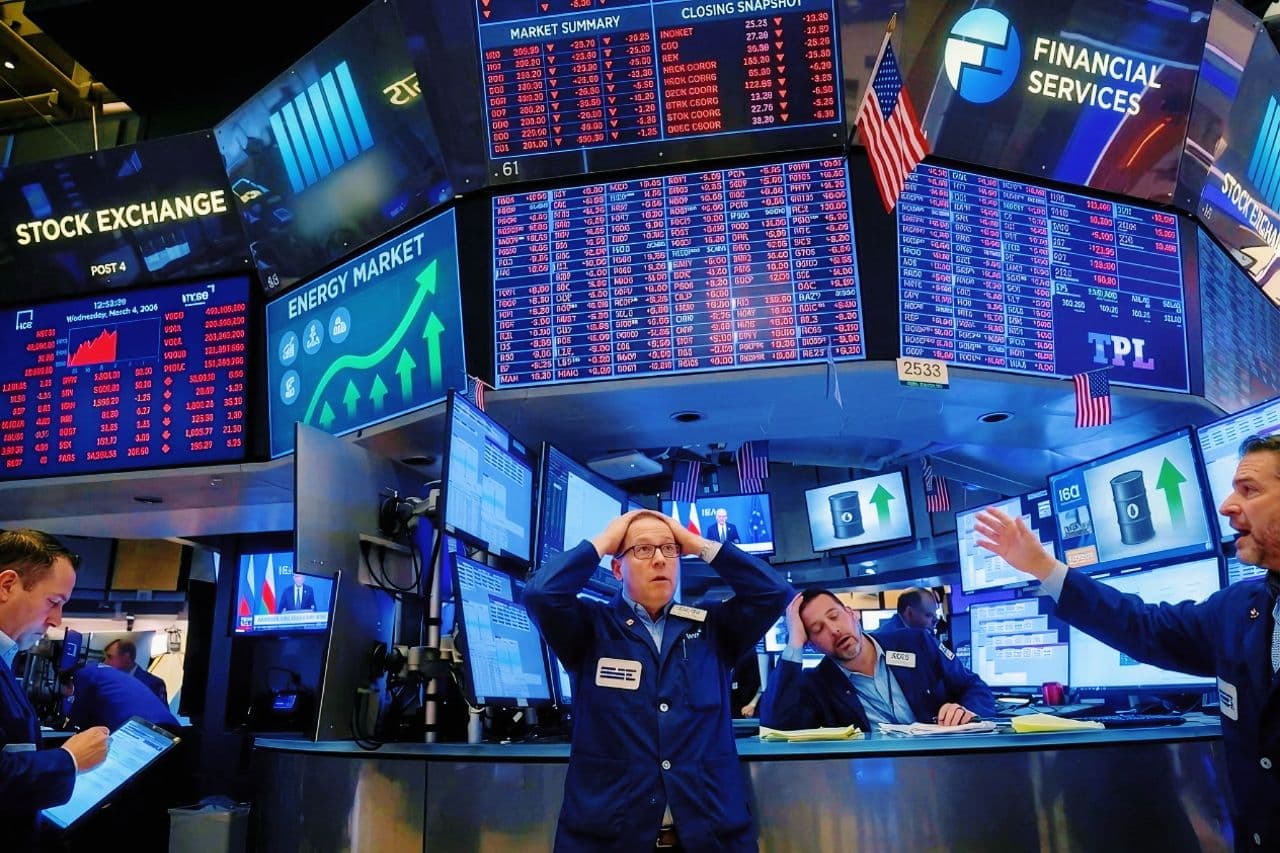
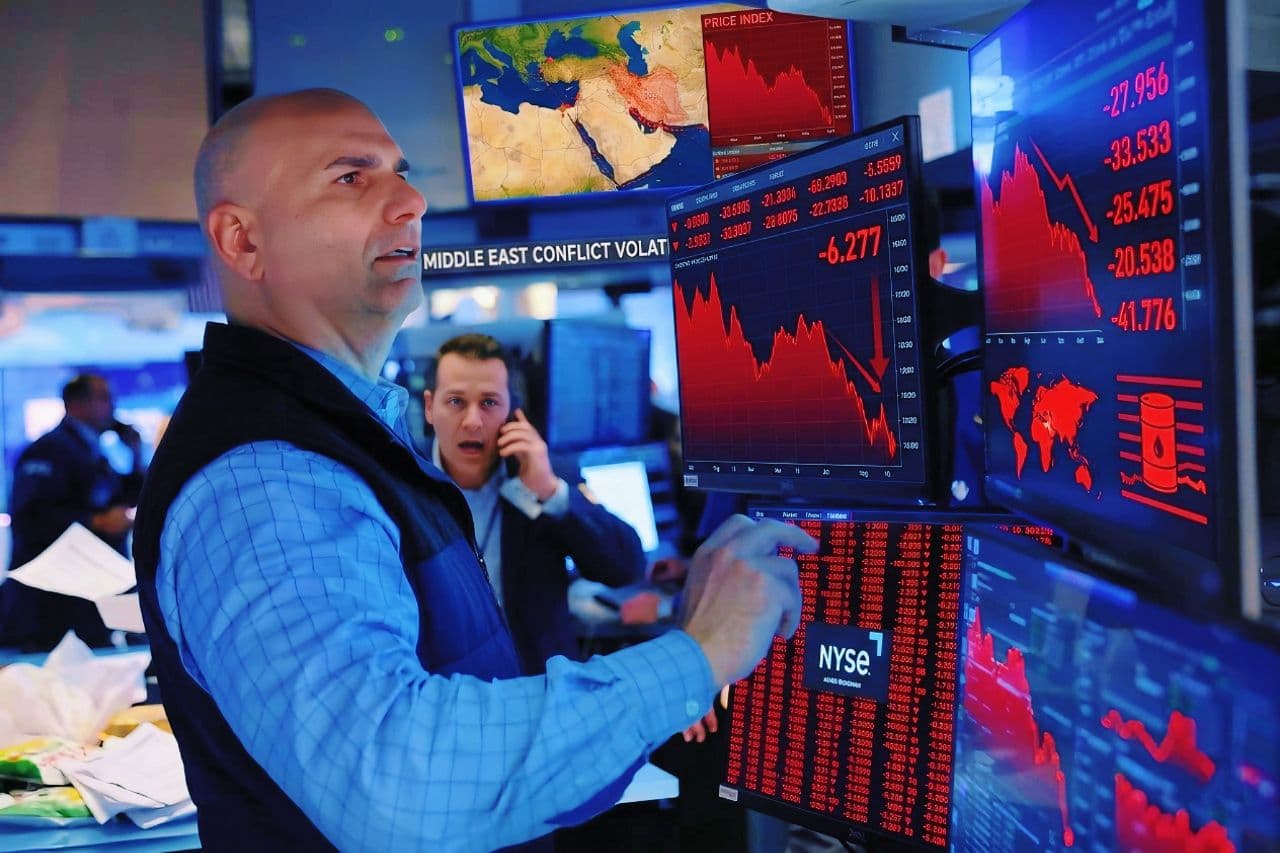
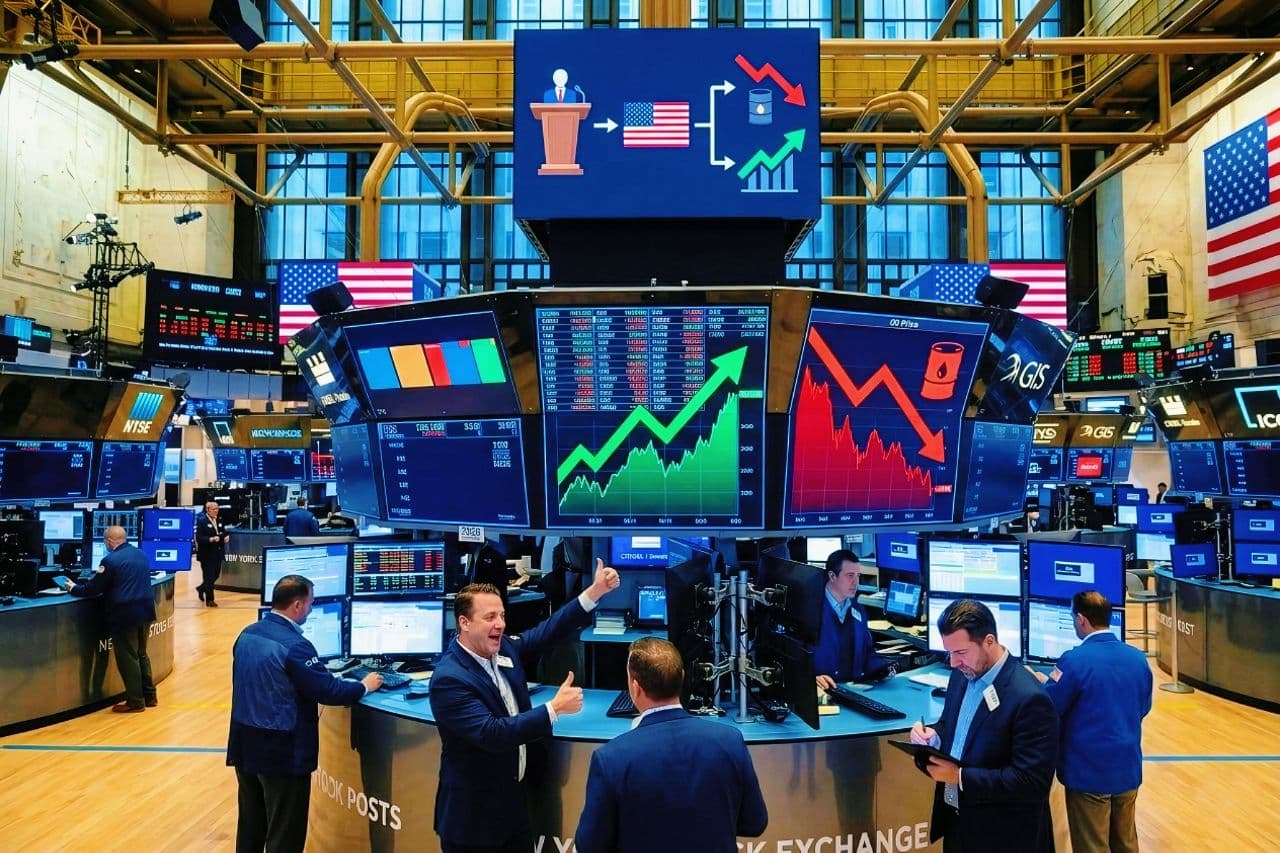
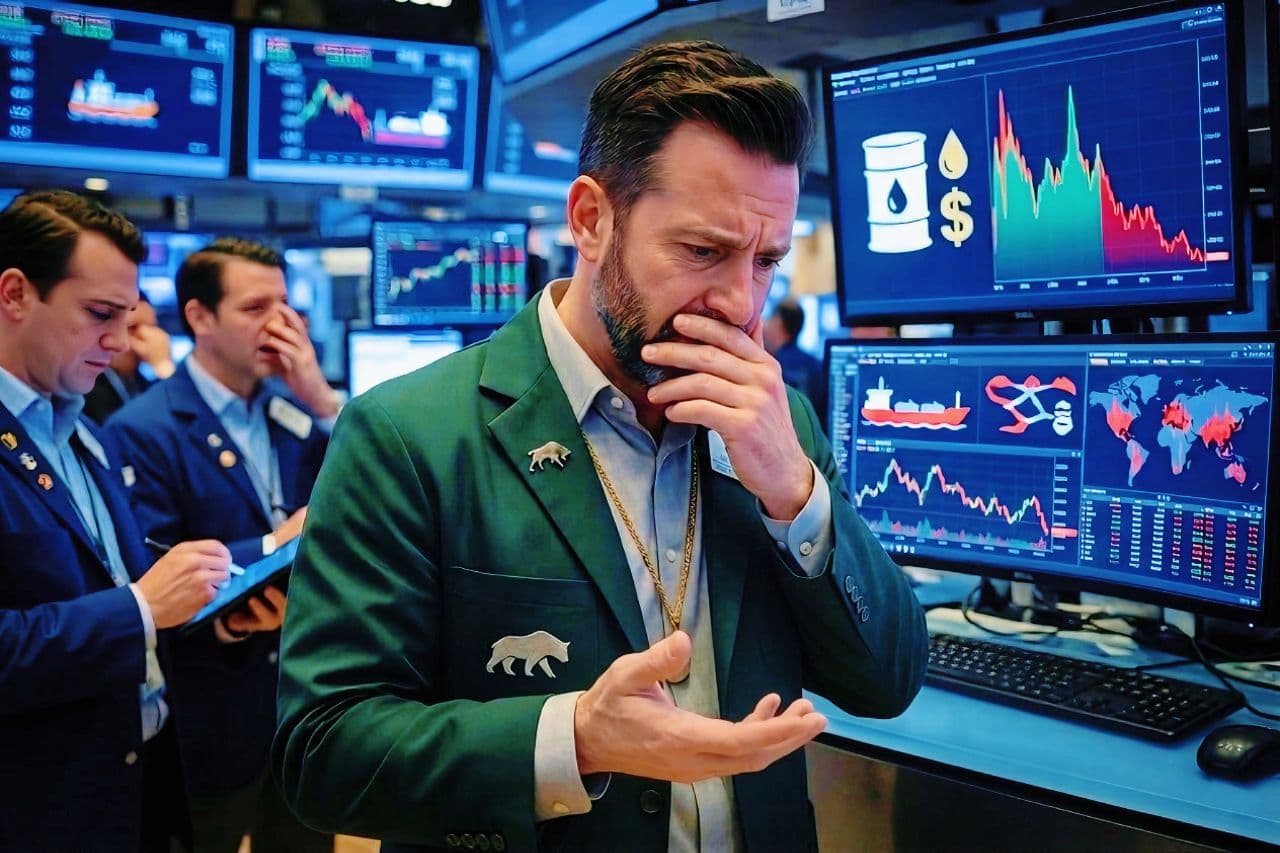
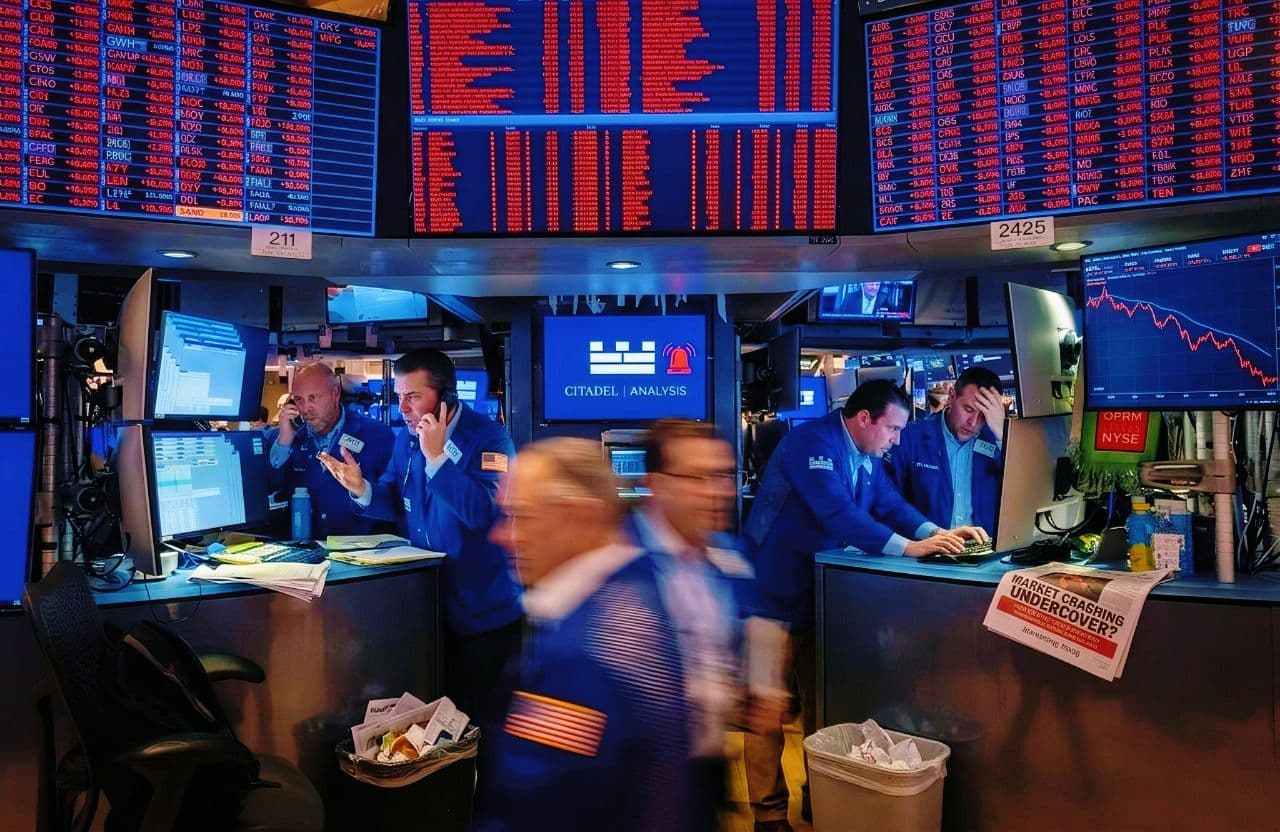
- U.S. stocks slipped Thursday, breaking a three-day winning streak as oil prices surged to a six-month high amid escalating U.S.-Iran tensions. The Dow Jones fell 0.7%, while the S&P 500 and Nasdaq each dropped 0.5%. Rising crude prices, now above $66 per barrel, reflect heightened geopolitical risk and a stronger U.S. military presence in the Middle East.
- Corporate earnings added to the volatility. Walmart shares dipped despite strong sales growth, while Carvana plunged nearly 10% after missing profitability expectations. Booking Holdings also slumped more than 7% as investors worried about slowing room night growth despite solid earnings. Meanwhile, Herbalife soared 19% after Cristiano Ronaldo invested in its tech-focused subsidiary, signaling confidence in AI-driven wellness platforms.
- Tech stocks were mixed. Apple slipped 1%, while Nvidia, Alphabet, Microsoft, Amazon, Meta, and Tesla traded marginally lower. Reports of OpenAI closing a $100 billion funding round highlighted the scale of AI investment, but investor sentiment remained cautious. The Magnificent Seven ETF continued to weigh on broader indexes, reflecting fatigue in mega-cap tech.
- Safe-haven assets showed modest moves. Gold ticked up to $5,015 an ounce, silver rose 0.6%, and the 10-year Treasury yield held steady at 4.08%. Bitcoin hovered around $67,000, while the U.S. dollar index gained 0.2%. Overall, geopolitical tensions and uneven corporate earnings are reshaping investor sentiment, reinforcing the need for diversified strategies in 2026.
Key Takeaways
Market Recap: Wall Street Slides as Oil Prices Hit 6-Month High
U.S. stocks fell Thursday, snapping a three-day winning streak as geopolitical tensions between the U.S. and Iran pushed oil prices sharply higher. The Dow Jones Industrial Average dropped 0.7%, while the S&P 500 and Nasdaq each slipped 0.5%. The pullback followed a strong session Wednesday, but renewed pressure from rising energy costs and uneven earnings weighed on investor sentiment.
Corporate earnings delivered mixed results. Walmart shares slipped 1.5% despite reporting solid sales growth, while Carvana plunged 9% after missing profitability targets. Doordash gained 1.5% as its forecast for higher user spending offset weaker quarterly results. The divergence in earnings highlights how consumer demand remains resilient in some sectors but uneven across others.
Tech stocks were mixed amid reports that OpenAI is closing a $100 billion funding round to expand computing capacity. Apple fell 1%, while Nvidia, Alphabet, Microsoft, Amazon, Meta, and Tesla traded marginally lower. The Magnificent Seven ETF continued to drag on broader indexes, reflecting investor caution toward mega-cap tech despite ongoing AI investment momentum.
Oil prices surged to their highest level since August, with West Texas Intermediate futures climbing above $66 per barrel as the U.S. increased its military presence in the Middle East. Gold and silver edged higher, while Treasury yields held steady at 4.08%. Bitcoin hovered near $67,000, and the U.S. dollar index rose 0.2%. The combination of geopolitical risk, rising energy costs, and uneven earnings is reshaping investor strategies, reinforcing the importance of diversification in 2026.






Shares of Booking Holdings (BKNG) slumped more than 7% Thursday despite delivering a strong fourth-quarter earnings report. The company posted 9% growth in room nights, exceeding guidance, and accelerated adjusted EBITDA growth to 19%. However, investor sentiment turned negative as guidance pointed to slower room night growth in the current quarter.
CEO Glenn Fogel emphasized Booking’s strategic reinvestments, including $700 million toward generative AI, advertising expansion, fintech offerings, and growth in Asia and the U.S. While these initiatives highlight long-term innovation, analysts at Bank of America noted they may weigh on near-term margin expansion, contributing to the stock’s weakness.
The market reaction reflects investor concerns about balancing reinvestment with profitability. Despite beating estimates, the forecast of decelerating growth overshadowed strong operational performance. Shares have now lost more than a quarter of their value year-to-date, underscoring the pressure on travel platforms to sustain momentum in a competitive environment.
For investors, the key takeaway is that Booking’s long-term strategy hinges on AI-driven personalization and global expansion. However, near-term headwinds from slowing growth and margin pressures are shaping market sentiment, making BKNG a stock to watch closely in 2026.






Carvana Stock Update: Profitability Concerns Trigger Sharp Decline
Carvana (CVNA) shares dropped nearly 10% Thursday to $327, deepening their recent rout. The decline came after the online used car marketplace reported weaker-than-expected profitability metrics despite strong sales growth. Gross profit per unit fell year-over-year to $6,427, missing analyst expectations, as higher costs weighed on margins.
The company also warned of elevated vehicle reconditioning costs in the first quarter, though it expects per-vehicle profits to improve later in the year. While Carvana forecasts “significant growth” in vehicle sales volume and adjusted EBITDA for 2026, it declined to provide specific guidance for the current quarter. This lack of clarity added to investor concerns.
Analysts responded by cutting price targets. Wedbush lowered its target to $425, while JPMorgan reduced its forecast to $490. Despite these adjustments, both firms remain bullish on Carvana’s long-term potential, citing strong sales momentum. Revenue jumped 58% year-over-year to $5.6 billion in the fourth quarter, topping consensus estimates.
Wall Street sentiment remains broadly positive, with 12 of 13 analysts tracked by Visible Alpha issuing “buy” ratings. Their average price target of $450 suggests nearly 30% upside from current levels. Still, with shares down more than 25% year-to-date, Carvana faces pressure to prove that profitability can catch up to its rapid sales growth.





Herbalife Stock Update: Ronaldo’s $7.5M Investment Fuels Rally
Herbalife (HLF) shares surged 19% Thursday after announcing that soccer legend Cristiano Ronaldo acquired a 10% stake in its tech-focused subsidiary, HBL Pro2col, for $7.5 million. Ronaldo, a longtime Herbalife partner, will also provide sponsorship rights and services to the subsidiary, strengthening the brand’s global visibility.
Pro2col is positioned as a next-generation digital health and wellness platform, leveraging AI and personalized data to create custom wellness plans. Herbalife CEO Stephan Gratziani highlighted Ronaldo’s investment as a vote of confidence in the company’s vision of combining nutrition, technology, and personalization to drive better health outcomes.
The deal underscores Herbalife’s strategic pivot toward tech-enabled wellness solutions. By integrating AI-driven insights, the company aims to expand its reach in both consumer health and digital wellness markets. Ronaldo’s involvement adds credibility and marketing power, aligning Herbalife with one of the world’s most recognizable athletes.
Herbalife stock has now gained 50% year-to-date, reflecting investor enthusiasm for its tech expansion and celebrity-backed initiatives. The partnership signals a broader trend of sports figures investing in AI-driven health platforms, blending athletic influence with digital innovation.






Etsy Stock Update: Shares Rise on Depop Sale to eBay
Etsy (ETSY) shares jumped 9% Thursday to around $48 after announcing the sale of its fashion marketplace Depop to eBay for $1.2 billion in cash. The move marks a strategic shift for Etsy, which originally acquired Depop in 2021 for $1.6 billion as part of its “house of brands” strategy. Investors welcomed the sale as a step toward refocusing on Etsy’s core marketplace.
The company’s stock has endured a steep decline since its pandemic highs near $300, weighed down by slowing global merchandise sales. As of late 2025, Etsy reported nearly 87 million buyers, but overall sales fell year-over-year, with 90% of gross merchandise sales coming from its main marketplace. By divesting Depop, Etsy aims to streamline operations and concentrate resources on strengthening its flagship platform.
CEO Kruti Patel Goyal emphasized that the transaction allows Etsy to prioritize growth opportunities that matter most to buyers and sellers. Analysts broadly remain bullish, with Visible Alpha data showing a mean price target of $67. While this target is well below Etsy’s peak, it suggests meaningful upside from current levels.
Shares of eBay also gained about 5% following the announcement, reflecting investor confidence in its acquisition strategy. For Etsy, the sale signals a renewed focus on profitability and core growth, encouraging investors who see the move as a positive reset for the company’s long-term trajectory.






Fed Minutes Update: Division Over Rate Cuts Signals Uncertainty Ahead
The Federal Reserve’s January meeting minutes revealed a sharp divide among policymakers. While most officials still lean toward additional rate cuts in 2026 if inflation continues to cool, others expressed concern that easing too aggressively could reignite price pressures. This tension highlights the Fed’s balancing act between supporting growth and maintaining credibility on its 2% inflation target.
The minutes showed that several participants worried further cuts could be misinterpreted as weakening the Fed’s commitment to fighting inflation. Some even suggested removing the current bias toward rate reductions, signaling that hikes remain possible if inflation stays above target. With inflation still hovering around 2.5%, the debate underscores how fragile progress has been since the 2022 spike.
Markets continue to expect at least two rate cuts later this year, aligning with the majority view inside the Fed. However, the minutes make clear that officials are prepared to adjust course if inflation proves sticky. The Fed held rates steady at 3.5% 3.75% in January, but its statement left the door open for “additional adjustments,” reflecting both optimism and caution.
For investors, the bottom line is that monetary policy remains fluid. While few analysts expect hikes in 2026, the Fed’s division signals that rate cuts are not guaranteed. The central bank’s credibility hinges on fully restoring inflation to 2%, and any signs of backsliding could reshape expectations quickly.






Global Stock Market Outlook 2026: Why Wall Street Is Falling Behind
It’s a year of global competition, not just in sports but in finance. While the Winter Olympics and World Cup dominate headlines, U.S. equities are struggling to keep pace with international markets. According to Goldman Sachs, American stocks are off to their weakest relative start since 1995, with the S&P 500 essentially flat while global benchmarks surge ahead.
The MSCI World ex-USA Index, which tracks developed markets outside the U.S., has already gained 8.2% this year nearly six percentage points more than its U.S.-inclusive counterpart. Elevated valuations, geopolitical uncertainty, and a weakening dollar have eroded Wall Street’s edge. Meanwhile, stimulus measures abroad and stronger corporate earnings have fueled rallies across Europe, Asia, and emerging economies.
Since early 2025, international indexes have more than doubled the S&P 500’s 17% return. This divergence has accelerated in 2026, with Belgium, Norway, and Turkey posting double-digit gains. Denmark remains the lone outlier, weighed down by Novo Nordisk’s struggles in the competitive weight-loss drug market. In Asia, Korea’s KOSPI Composite has soared nearly 35% in just six weeks, driven by semiconductor leaders Samsung and SK Hynix riding the AI data center boom.






Inflation Report Preview: What Markets Should Watch on Friday
The Federal Reserve’s preferred inflation gauge, the Personal Consumption Expenditures (PCE) index, is expected to show price pressures worsening rather than easing at the end of 2025. Economists surveyed by Dow Jones and The Wall Street Journal forecast headline PCE inflation rising 2.8% year-over-year through December, while core PCE excluding food and energy likely climbed to 3.0%, up from 2.8% in November.
This uptick is significant because core PCE is the Fed’s benchmark for its 2% inflation target. If confirmed, the report would dampen optimism sparked by January’s Consumer Price Index, which showed a slowdown. Goldman Sachs economists even project core PCE could reach 3.05%, the highest since March 2024, as companies pass tariff-related costs onto consumers.
The timing of the report is also notable. PCE data releases are delayed by a month due to last year’s government shutdown, meaning the January report won’t arrive until March. For now, December’s numbers will shape expectations around whether the Fed continues cutting rates or holds steady. Policymakers remain cautious, with some warning that easing too quickly could entrench inflation closer to 3% rather than 2%.
Markets are pricing in a couple of rate cuts later this year, but Deutsche Bank economists argue the Fed may wait longer. With inflation still above target for five consecutive years, officials want clearer evidence of sustained cooling before loosening policy further. Friday’s report will be a critical test of whether inflation is truly trending down or proving more stubborn than expected.






The Bottom Line
U.S. stocks slipped Thursday, ending a three-day winning streak as oil prices surged to a six-month high amid escalating U.S.-Iran tensions. The Dow Jones fell 0.7%, while the S&P 500 and Nasdaq each dropped 0.5%. Rising energy costs and uneven corporate earnings combined to pressure investor sentiment.
Corporate results were mixed. Walmart shares dipped despite strong sales growth, Carvana plunged nearly 10% on weak profitability metrics, and Booking Holdings slumped more than 7% as guidance pointed to slowing room night growth. Doordash gained modestly, while Herbalife soared after Cristiano Ronaldo’s $7.5M investment in its tech subsidiary.
Tech stocks were broadly lower, with Apple down 1% and other mega-cap names trading marginally weaker. Reports of OpenAI closing a $100 billion funding round underscored the scale of AI investment, but investor enthusiasm remained muted. The Magnificent Seven ETF continued to weigh on indexes, reflecting fatigue in U.S. tech.
Safe-haven assets saw modest moves. Gold and silver edged higher, Treasury yields held steady, and Bitcoin hovered near $67,000. The U.S. dollar index rose 0.2%, reflecting cautious demand for stability. Overall, geopolitical risks and uneven earnings are reshaping investor strategies, reinforcing the importance of diversification in 2026.