Stock Market Update: Indexes Slip as Iran Conflict Fuels Volatility
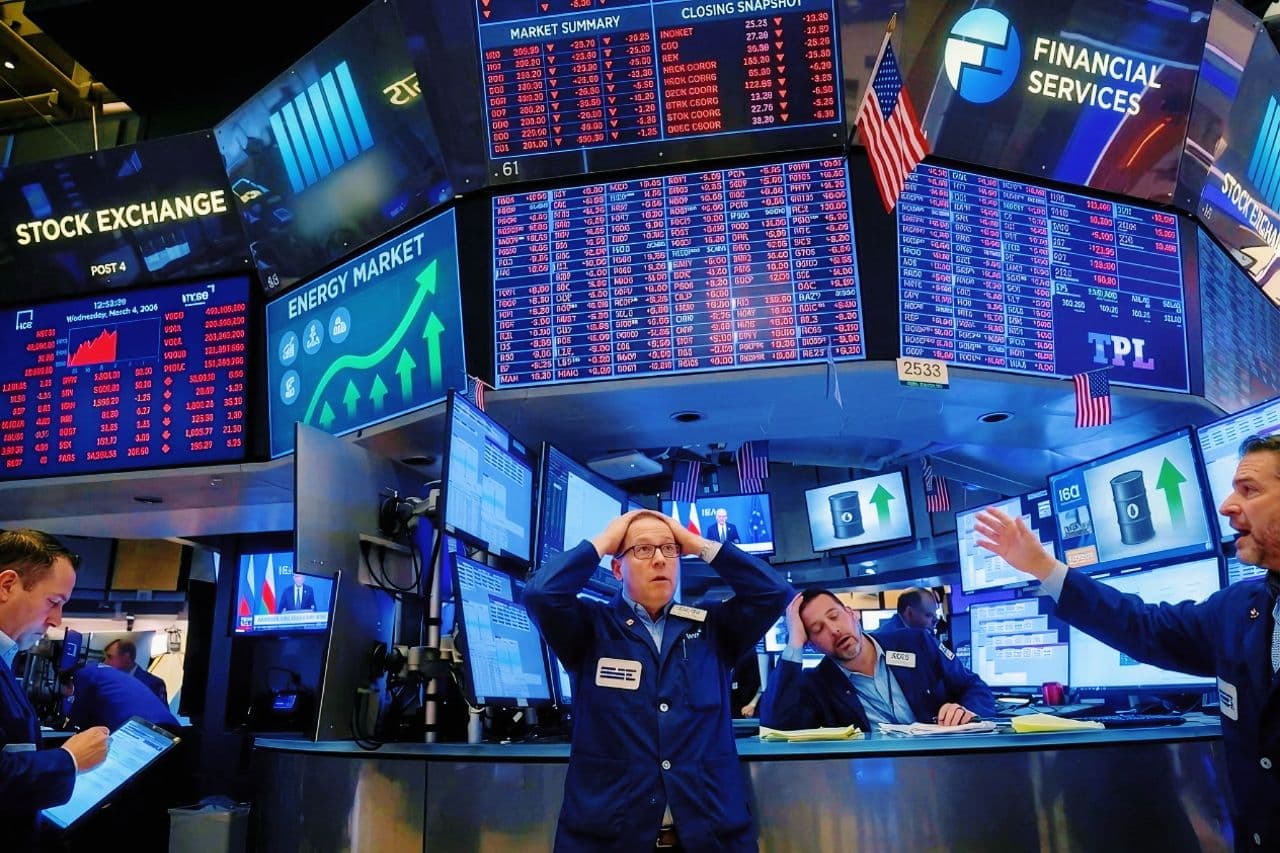
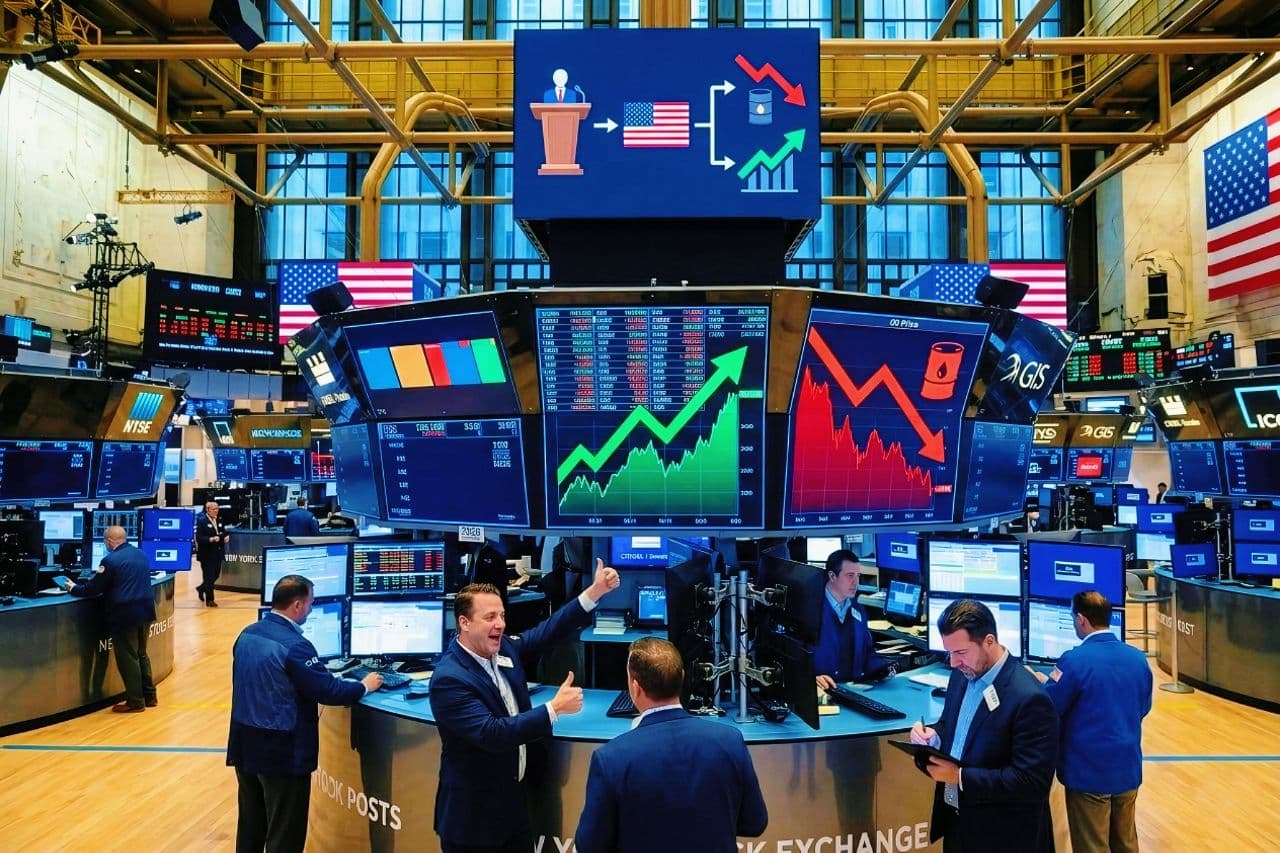
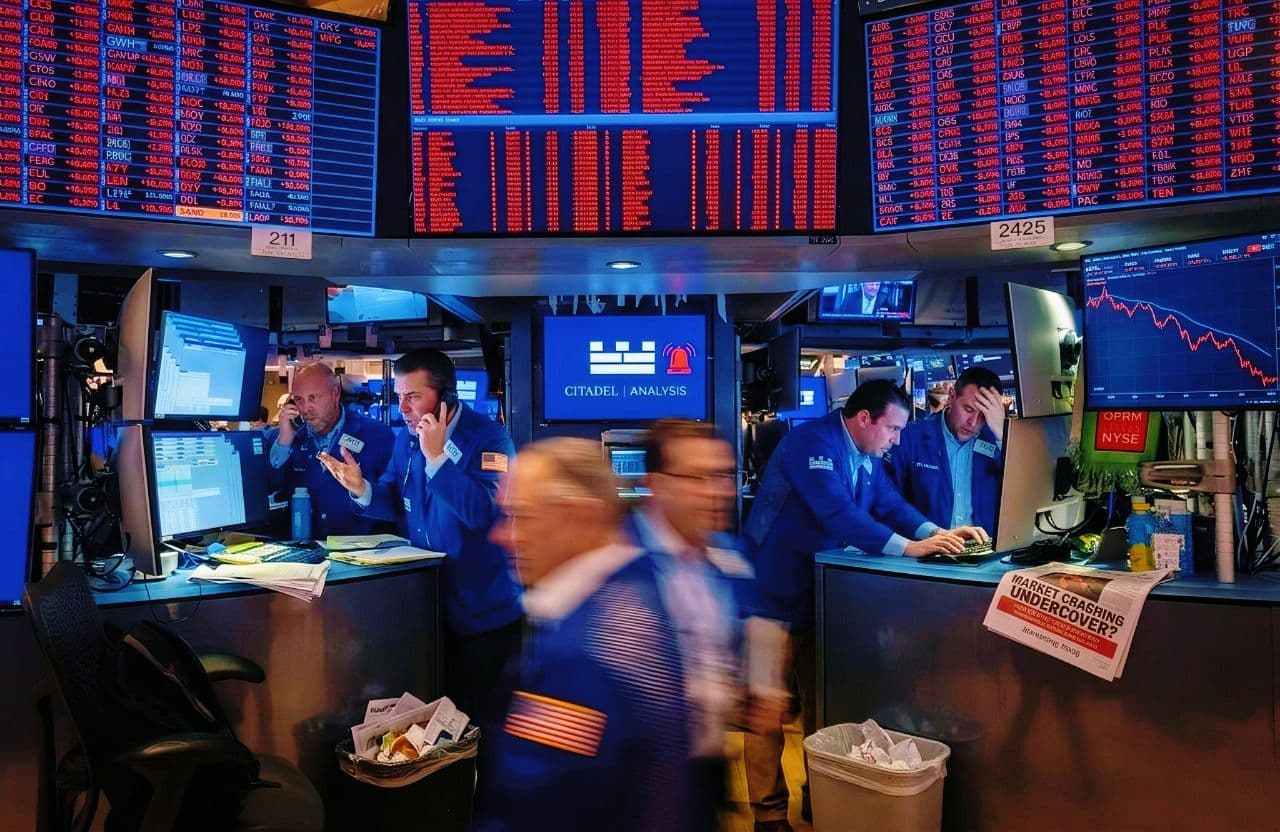
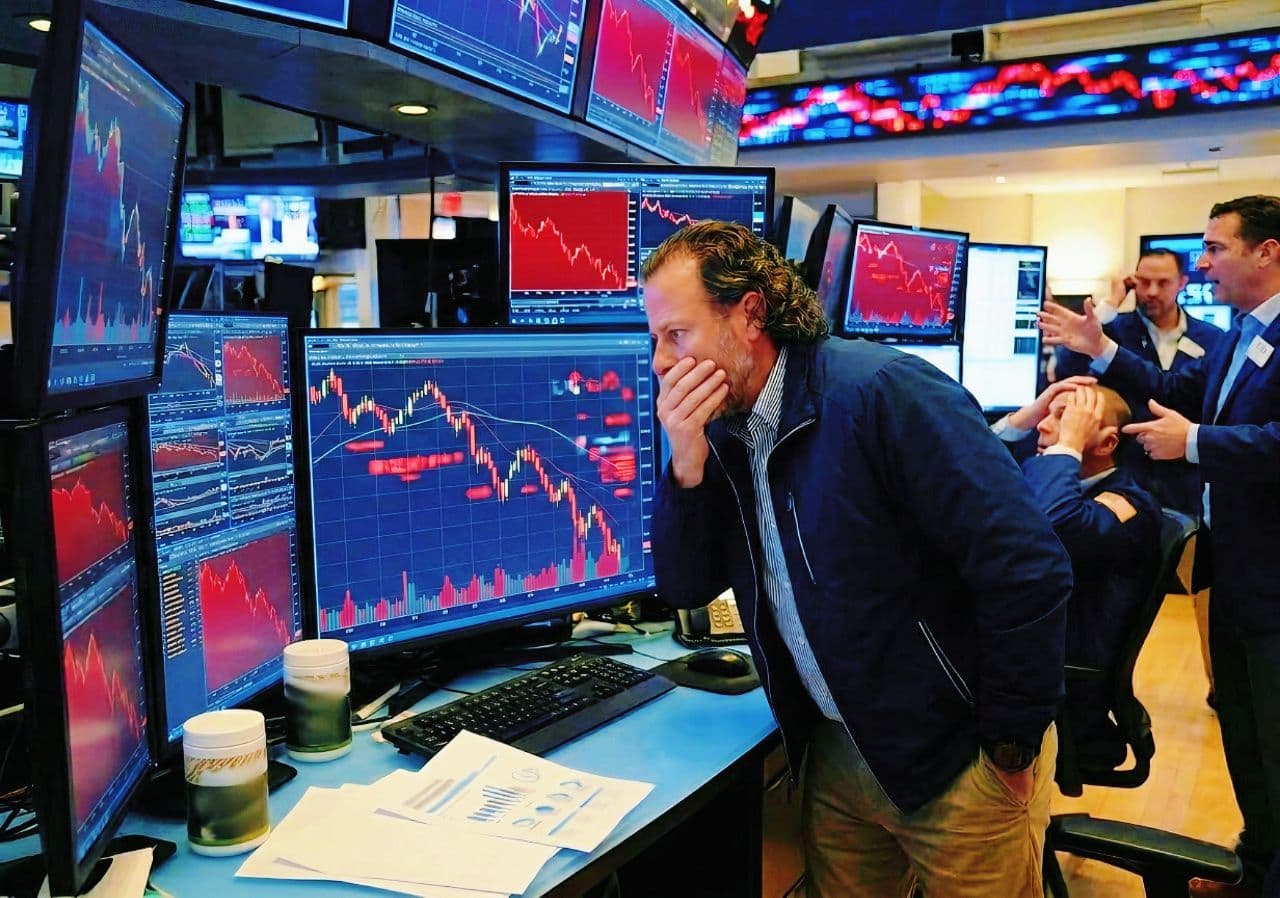
- U.S. markets closed mostly lower as investors weighed the impact of the Iran conflict. The Dow Jones and S&P 500 both retreated, reflecting renewed caution across equities. Oil futures, which had surged earlier in the week, pulled back slightly but remain elevated compared to pre-conflict levels. This combination of weaker equities and energy volatility underscores how geopolitical shocks ripple through financial systems.
- The Iran conflict has injected fresh uncertainty into global markets, raising inflation risks through higher oil prices. Investors are recalibrating expectations for Federal Reserve policy, with many anticipating that rate cuts may be delayed. The Fed’s balancing act—supporting growth while containing inflation—has become more complex as energy costs threaten to push consumer prices higher.
- For equities, the outlook remains fragile. Defensive sectors such as utilities and consumer staples are showing relative resilience, while cyclical sectors tied to global trade and energy are under pressure. Volatility is likely to persist as long as geopolitical tensions remain unresolved, making risk management critical for investors.
- Markets are caught between cooling inflation data from February and the new inflationary pressures from rising oil prices. Until clarity emerges on the geopolitical front, investors should expect continued swings in both equities and commodities.
Key Takeaways
Stock Market Recap: Indexes Slip as Oil Swings on Iran Conflict
Major U.S. stock indexes closed mostly lower Tuesday as investors digested conflicting developments from the Iran war. The S&P 500 fell 0.2% and the Dow Jones Industrial Average slipped 0.1%, while the Nasdaq managed a fractional gain. This came after Monday’s sharp rebound, when all three indexes rallied following President Trump’s comments that “the war is very complete, pretty much,” and oil prices briefly eased.
Oil futures were highly volatile throughout the session. West Texas Intermediate crude dropped more than 8% to $87 a barrel by late afternoon, after briefly plunging below $77 on a deleted post claiming the U.S. Navy had escorted an oil tanker through the Strait of Hormuz. Earlier in the week, prices had surged above $119 the highest since 2022 before paring gains as G7 finance ministers signaled possible reserve releases.
Portfolio managers warn that sustained higher oil prices could leak into inflation expectations, potentially derailing the disinflation trend of the past 12 18 months. That risk is already showing in bond markets, with the 10-year Treasury yield climbing above 4.15%. Meanwhile, gold futures advanced nearly 2% to $5,200 an ounce, silver jumped 4.7% to $88.50, and the U.S. Dollar Index slipped 0.3% to 98.92. Bitcoin traded near $70,000, recovering from overnight lows.
Tech stocks showed mixed performance. Six of the Magnificent Seven gained, while Microsoft edged lower. Memory stocks Sandisk and Western Digital extended Monday’s rally, rising 5% and 1.5% respectively. In earnings-driven moves, NIO surged 15%, Kohl’s fell 1.6%, Hewlett Packard Enterprise dropped 3.3%, and Oracle slipped 1.3% ahead of its results.






Michael Saylor, executive chairman of Strategy (MSTR), has introduced a new financial instrument nicknamed “Stretch” (STRC), designed to merge the appeal of both bonds and equities. These preferred issues pay a regular yield like bonds but rank below creditors in the capital stack, resembling equity risk. Four such securities Stretch, Stride, Strife, and Strike are now trading on Nasdaq, with Stretch drawing the most attention.
The reason Stretch stands out is its 11.5% current yield, a striking figure compared to Strategy’s common stock, which has lost half its value over the past year amid crypto market weakness. Saylor has promoted Stretch as “for everyone,” positioning it as a more stable alternative for investors who want exposure to Bitcoin-linked returns without the full volatility of common shares.
Fans liken Stretch to a stablecoin because of its yield and structure, but it’s important to note the differences. Unlike stablecoins, Stretch is a preferred security tied to Strategy’s capital framework, meaning it carries both equity-like risk and bond-like features. This hybrid design appeals to investors seeking yield in uncertain markets while still betting on Bitcoin’s long-term potential.
The broader implication is that Saylor is using Bitcoin-backed instruments to create new ways of distributing dividends and attracting investors. For Wall Street and Main Street alike, Stretch represents a novel approach to bridging crypto volatility with traditional yield-seeking strategies.






Oil Price Shock: $130 Could Trigger Recession
Economists at Wells Fargo Securities warn that if crude oil climbs to $130 a barrel and stays there, the U.S. economy could tip into recession. At that level, gas prices would surge enough to force households to cut back on spending while businesses reduce hiring and investment.
The Iran conflict has already sent oil on a roller coaster ride. Since late February, prices have whipsawed between $77 and $119 a barrel as the Strait of Hormuz through which 20% of global oil supply flows was virtually closed. This volatility underscores how geopolitical shocks can quickly reshape energy markets.
Analysts emphasize that the danger lies in persistence. A sustained oil spike would erode real incomes, slow consumption growth, and weaken hiring, creating a self-reinforcing downturn. Inflation expectations could rise again, complicating the Federal Reserve’s efforts to maintain disinflation.
The broader takeaway is clear: energy costs are now the most actionable risk to the U.S. economy. If oil stabilizes below $130, recession risks ease. But if prices remain elevated, households and businesses may face a painful squeeze that derails the recovery.






Investing Strategy Amid Iran Conflict: Stay Balanced
As the Iran war evolves, investors face fast-moving markets where oil, gold, and equities swing sharply from one headline to the next. West Texas crude surged above $115 before dropping near $85, gold barely moved at first but climbed after signals of easing hostilities, and U.S. stocks have alternated between gains and losses. The VIX, Wall Street’s fear gauge, has been jumping between panic and calm, reflecting the uncertainty.
Experts caution against extreme reactions whether “running for the hills” or aggressively “buying the dip.” The conflicting signals make short-term moves difficult to predict, and chasing volatility often leads to costly mistakes. Instead, strategists advise patience and discipline, focusing on long-term positioning rather than trying to time every swing.
For equities, defensive sectors like utilities and consumer staples may provide relative stability, while cyclical sectors tied to energy and global trade remain vulnerable. Commodities such as gold continue to serve as hedges, but their moves are also tied to shifting geopolitical narratives.
Investors should go slow, avoid extreme positions, and prioritize diversification. With markets breaking trends hour by hour, financial readiness and risk management matter more than chasing short-term gains.






Vertex Pharma Stock Surges on Kidney Drug Breakthrough
Vertex Pharmaceuticals (VRTX) shares jumped more than 8% Tuesday to around $499, making it the best-performing stock in the S&P 500. The rally followed news that its Phase 3 trial of povetacicept delivered “remarkable” results, meeting both primary and secondary goals while reducing key markers of kidney disease compared to a placebo.
The drug targets immunoglobulin A nephropathy (IgAN), a condition that can lead to kidney damage or failure. Analysts at Jefferies initiated coverage with a buy rating and a $580 price target, citing the growing market for IgAN treatments. William Blair analysts echoed the optimism, calling the trial a “clear win” and projecting potential FDA approval by year-end, with revenue contributions beginning next year.
Tuesday’s surge leaves Vertex shares up about 10% year-to-date, reinforcing investor confidence in its pipeline despite broader market volatility. The company’s success highlights how biotech innovation can drive sector leadership, especially when trial results exceed expectations.
Vertex’s breakthrough positions it as a leader in kidney disease treatment, with analysts expecting strong commercial potential. If approval comes through, povetacicept could become a major revenue driver in 2027 and beyond.






AI Job Risk Report: White-Collar Workers Face Rising Exposure
A new study from Anthropic, the company behind the Claude AI model, reveals that the jobs most exposed to AI disruption are not low-wage roles but rather high-paying, highly educated professions. Unlike past automation waves that hit blue-collar workers hardest, this one targets knowledge work. For example, nearly three-quarters of a computer programmer’s core tasks are already being handled by AI today.
The report warns that policymakers must prepare for what could become a “Great Recession for white-collar workers.” This shift challenges assumptions about automation, showing that cashiers and cooks may be less vulnerable than lawyers, analysts, and programmers whose work is increasingly automated.
The study arrives at a time when many Americans worry about AI’s impact on employment. While most prior research has been theoretical, Anthropic’s access to real-world AI usage data at scale makes this one of the most robust examinations of how automation is already reshaping professional work.
AI is no longer a distant threat it is actively transforming industries today. For workers in knowledge-heavy fields, adaptation and reskilling will be critical to staying competitive in an economy where AI can perform complex tasks once reserved for highly trained professionals.






Pershing Square IPO: Bill Ackman’s Bold Market Move
Bill Ackman’s hedge fund Pershing Square has officially filed for an IPO on the New York Stock Exchange, aiming to make it easier for investors to gain exposure to his long-term investment strategy. The offering will use a dual-listing structure, with shares of Pershing Square trading under the ticker PS, while a closed-end fund trades under PSUS.
The firm revealed that for every 100 shares purchased of the closed-end fund, investors will also receive 20 shares in Ackman’s management company. Shares of the closed-end fund will be priced at $50 each, creating a unique incentive structure that blends traditional fund investing with direct ownership in the management entity.
Pershing Square expects to raise between $5 billion and $10 billion from the combined IPO, though the exact number of shares to be sold has not yet been disclosed. Importantly, the closed-end fund has already secured $2.8 billion in commitments from institutional investors including family offices, pension funds, and insurance companies, signaling strong demand ahead of the public offering.
Ackman has long modeled Pershing Square after Warren Buffett’s Berkshire Hathaway, focusing on large, concentrated investments in a handful of companies. This IPO represents a significant step in expanding access to his strategy, potentially opening the door for retail investors to participate in Pershing’s long-term vision.






Mortgage Rates Drop Below 6%—Then Iran Conflict Pushes Them Higher
Mortgage rates briefly gave homebuyers relief in late February, slipping under 6% for the first time in more than three years. Freddie Mac’s weekly survey showed the average 30-year fixed rate at 5.98% on Feb. 26, while Investopedia’s daily zero-point average from Zillow stood at 6.16%. This milestone marked a notable shift after years of elevated borrowing costs.
The reprieve didn’t last long. Just two days later, the Iran conflict began, sending volatility through global markets. Oil prices surged, inflation concerns resurfaced, and long-term interest rates moved higher. Mortgage rates followed suit, climbing almost daily since Feb. 27.
By early March, Investopedia’s daily average had risen to 6.31%, adding 15 basis points in less than two weeks. While the increase is modest compared to last year’s highs, it interrupted what had been a welcome downward trend for buyers and refinancers.
Mortgage costs remain highly sensitive to geopolitical shocks. Rates may continue to swing as long as uncertainty persists, making financial readiness more important than waiting for perfect timing. Buyers who are pre-approved and confident in their budgets are better positioned to act when opportunities arise.






Fibermaxxing Trend: America’s New Grocery Craze
Protein may have dominated grocery aisles in recent years, but now fiber is taking center stage. Americans are “fibermaxxing,” boosting their fiber intake to meet or even exceed daily recommendations. The movement has been fueled by TikTok influencers highlighting the benefits of high-fiber foods like chia seeds, oats, berries, and even indulgent options such as Dutch stroopwafels.
This surge in fiber awareness is reshaping consumer behavior. Shoppers are increasingly drawn to “better-for-you” snacks that combine convenience with holistic health benefits. Food industry executives note that consumers want more than just salty crunch they’re seeking products that deliver functional nutrition alongside taste.
The trend has even reached mainstream advertising. Kellogg’s aired its first-ever Super Bowl ad this year, a bold tribute to its high-fiber Raisin Bran cereal. On platforms like Reddit, consumers share experiences of adjusting to higher fiber diets, often with humor about the digestive effects of lentils, chia seeds, and cruciferous vegetables.
Industry leaders like Oatly emphasize that fiber awareness has skyrocketed in the past year, driven by social media and consumer demand for healthier options. As fibermaxxing continues to gain traction, brands are racing to innovate products that meet this new obsession while balancing taste, convenience, and wellness.






Oracle Earnings Preview: Traders Brace for Big Stock Swing
Oracle (ORCL) is set to report quarterly results after Tuesday’s closing bell, and traders are positioning for a sharp move. Options pricing suggests the stock could swing as much as 10% in either direction by the end of the week. A rally of that size would lift shares back toward $167, while a drop could push them down to $136.
The anticipation comes after a steep decline in Oracle’s share price. The stock has lost nearly 60% from its September highs, weighed down by concerns over its backlog’s reliance on OpenAI and questions about whether its AI investments will deliver meaningful returns.
Investors are watching closely to see if Oracle can reassure markets about its cloud growth strategy and AI partnerships. With volatility priced in, the earnings release could mark a turning point either restoring confidence or deepening skepticism about its future trajectory.
Oracle’s results will serve as a litmus test for investor sentiment around AI-driven cloud strategies. Traders expect turbulence, and the outcome could set the tone for tech sector momentum in the weeks ahead.




NIO Earnings Breakthrough: First Net Profit Sends Shares Higher
Chinese EV maker NIO (NIO) surprised markets Tuesday by reporting its first-ever quarterly unadjusted profit. Shares surged more than 6% pre-market, reflecting investor enthusiasm for the company’s fiscal 2025 fourth-quarter performance.
NIO posted a profit of 282.7 million yuan ($41.1 million), a sharp turnaround from a net loss of 7.11 billion yuan ($1.03 billion) in the same quarter of 2024. Analysts had expected another loss of about 345.8 million yuan ($50.3 million), making the result a significant beat.
Revenue climbed to 34.65 billion yuan, up 76% year-over-year, as vehicle deliveries rose to 124,807 units, a 72% increase from Q4 2024. The strong sales momentum highlights NIO’s growing competitiveness in the Chinese EV market, even as global demand faces volatility.
Despite entering the day down 3% in 2026, NIO’s profit milestone and revenue surge have reignited investor confidence. Analysts now see profitability as a potential turning point for the company, positioning it as a stronger player in the global EV race.
Kohl’s Stock Falls on Weak Holiday Sales
Kohl’s (KSS) shares dropped about 5% pre-market Tuesday after reporting disappointing fiscal 2025 fourth-quarter results. Comparable sales fell 2.8% year-over-year, while revenue declined more than 4% to $5.17 billion, missing analyst expectations of $5.18 billion.
Despite the topline weakness, adjusted earnings came in at $0.95 per share, topping estimates of $0.82. The company also issued fiscal 2026 guidance with midpoints for net sales, comparable sales, and adjusted EPS slightly above expectations, signaling cautious optimism for the year ahead.
CEO Michael Bender, who officially shed his “interim” tag in November, emphasized that Kohl’s is focused on resetting its foundation to stabilize operations and build for long-term growth. He acknowledged that Q4 sales were softer than hoped but highlighted meaningful progress across 2025.
Shares of Kohl’s entered Tuesday down 27% year-to-date, reflecting investor skepticism about the retailer’s turnaround strategy. The latest results underscore the challenge of balancing earnings improvements with sluggish sales momentum in a competitive retail environment.
Inflation Report Preview: Markets Eye February CPI
Economists expect Wednesday’s Consumer Price Index (CPI) report to show 2.4% annual inflation in February, unchanged from January. Core CPI, which excludes food and energy, is forecast at 2.5%, also steady from the prior month. Under normal circumstances, such stability would reassure investors and the Federal Reserve that inflation isn’t worsening, even if it remains above the Fed’s 2% target.
However, the report’s impact may be muted by recent events. The Iran conflict has driven up gasoline and diesel prices in early March, meaning February’s tame data could already be outdated. Markets are more focused on whether energy costs will reignite inflation pressures in the months ahead.
For the Fed, the challenge is balancing disinflation progress with new risks. If energy-driven inflation persists, it could delay rate cuts and keep borrowing costs elevated longer than expected. Investors will be watching closely for signs of how policymakers interpret the data in light of global uncertainty.
While February CPI may look calm, the trajectory of inflation is far from settled. Geopolitical shocks and energy volatility could quickly reshape the outlook, making preparation and flexibility essential for households and businesses.
The Bottom Line
The U.S. stock market closed mostly lower Tuesday as investors struggled to interpret conflicting signals from the Iran war. The S&P 500 slipped 0.2%, the Dow Jones fell 0.1%, while the Nasdaq eked out a fractional gain. Oil futures swung wildly, dropping more than 8% to $87 a barrel after briefly plunging below $77, underscoring how geopolitical headlines are driving volatility.
Beyond equities, safe-haven assets gained traction. Gold rose nearly 2% to $5,200 an ounce, silver jumped 4.7% to $88.50, and Bitcoin climbed back to $70,000. Meanwhile, the 10-year Treasury yield edged up to 4.15%, signaling renewed inflation concerns, while the U.S. Dollar Index slipped 0.3%.
Tech stocks showed resilience, with most of the Magnificent Seven advancing except Microsoft. Memory chipmakers Sandisk and Western Digital extended their rallies, while earnings-driven moves saw NIO surge 15%, Kohl’s fall 1.6%, Hewlett Packard Enterprise drop 3.3%, and Oracle decline 1.3% ahead of results.
Markets remain highly sensitive to geopolitical developments. Oil price swings are feeding inflation risks, while investors juggle defensive positioning with selective bets in tech and earnings plays. Until clarity emerges on the Iran conflict, volatility will remain the defining feature of trading.