Stock Market Update: Tech Stocks Rally While Fed Faces Rate Cut Divide
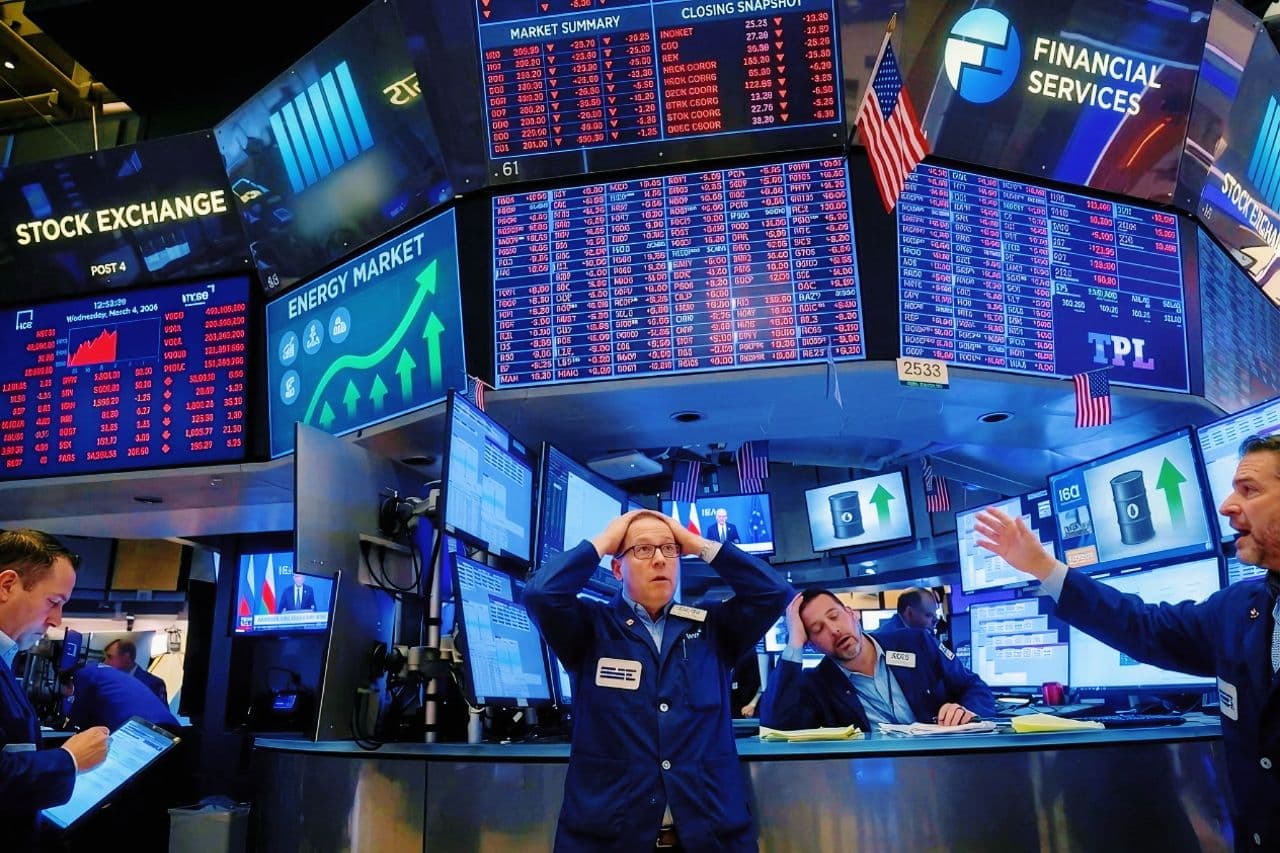
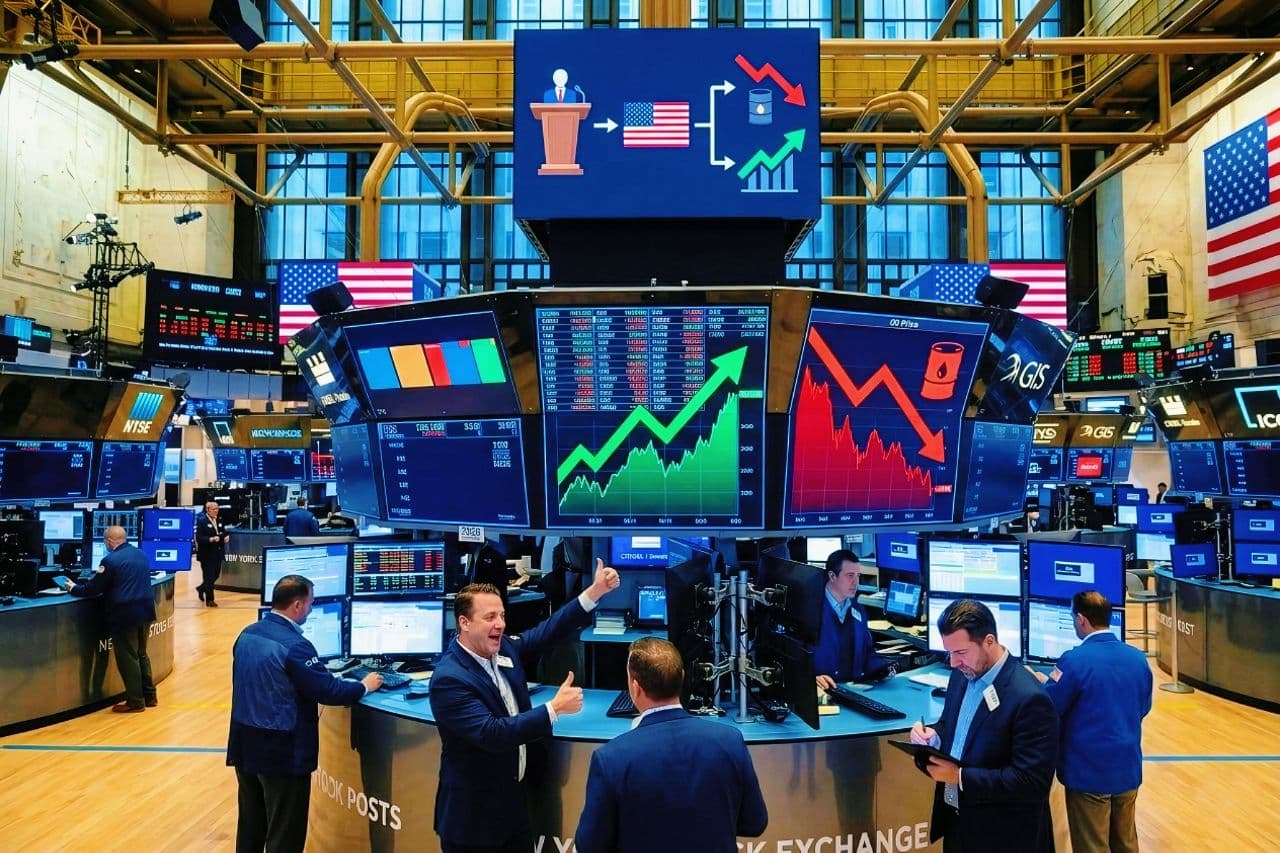
- Tech stocks powered markets higher today, driving gains across the major indexes. The sector’s strength helped offset broader uncertainty, as investors digested the latest Federal Reserve minutes. The report revealed deep divisions among policymakers over the timing and scale of future interest rate cuts, underscoring the challenges of balancing inflation risks with slowing growth.
- The Nasdaq led the charge, buoyed by strong performances from mega‑cap tech names. Meanwhile, the Dow and S&P 500 also posted gains, reflecting investor confidence in the sector’s resilience. However, the Fed’s split views on monetary policy kept traders cautious, with some officials signaling patience while others pushed for earlier easing.
- This divergence highlights the delicate state of the economy. While falling inflation has opened the door to potential cuts, concerns about financial stability and long‑term growth remain. Investors are watching closely for signals that could shape the trajectory of rates in 2026.
- For market participants, the takeaway is clear: tech strength continues to drive momentum, but uncertainty around Fed policy means volatility could persist. Positioning portfolios to balance growth opportunities with risk management will be key in navigating the months ahead.
Key Takeaways
Market Recap: Tech Stocks Rally Amid Fed Policy Divide
Stocks rose on Wednesday but pared gains as investors weighed the Federal Reserve’s January meeting minutes. The Nasdaq climbed 0.8%, the S&P 500 advanced 0.6%, and the Dow added 0.3%. All three indexes had eked out small gains Tuesday in a volatile session driven by shifting sentiment around tech.
The Fed minutes revealed sharp divisions among policymakers. Some officials want to keep the option of raising rates if inflation proves sticky, while others favor continuing cuts. The majority voted to hold rates steady for the first time since July. With stronger‑than‑expected inflation and jobs data, the odds of near‑term cuts have diminished. Investors now await Friday’s release of the December PCE index, the Fed’s preferred inflation gauge.
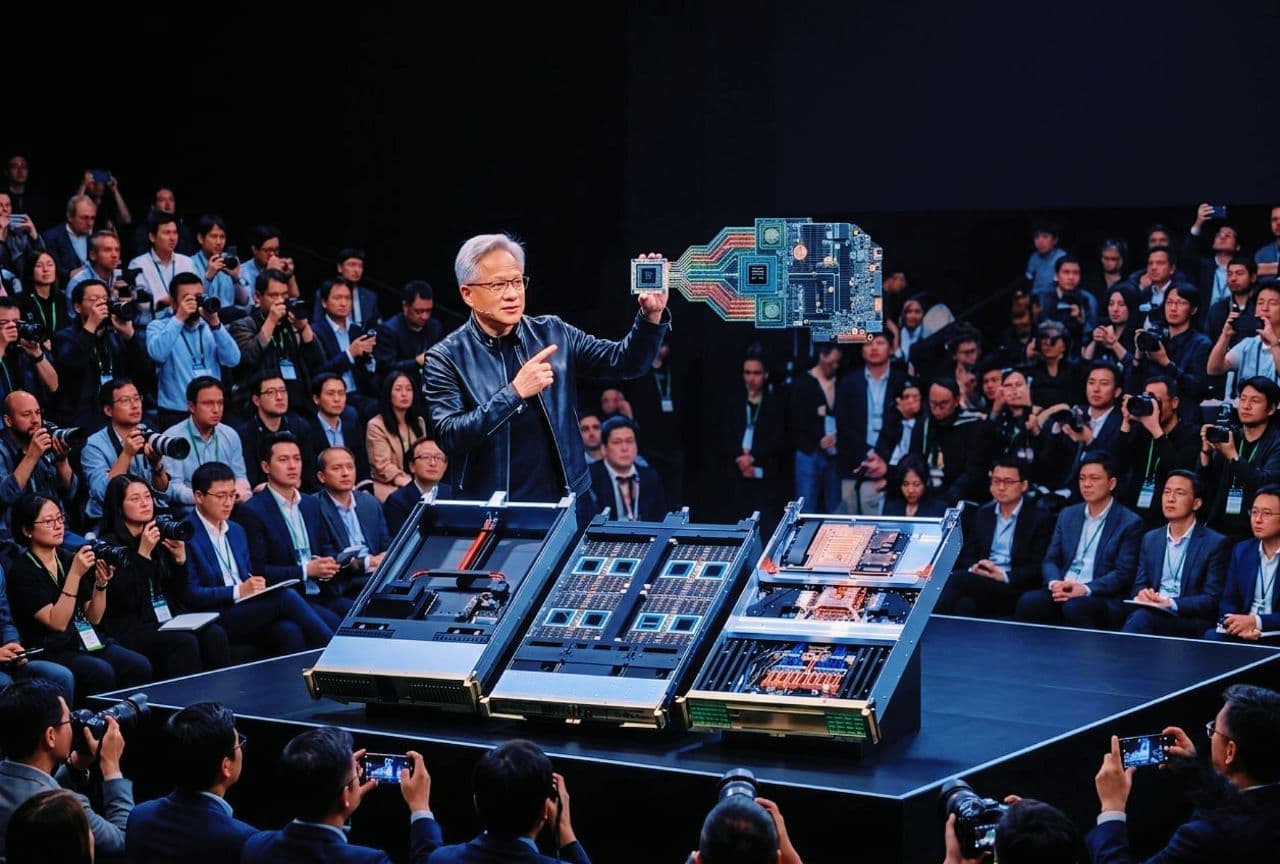
Tech stocks regained momentum. Nvidia rose 1.6% after Meta announced a major chip purchase, while Micron and Western Digital also advanced. Meta gained 0.6%, and the rest of the “Magnificent Seven” posted modest gains, with Amazon up nearly 2% despite Berkshire Hathaway exiting most of its stake. Apple, Alphabet, Microsoft, and Tesla all edged higher.
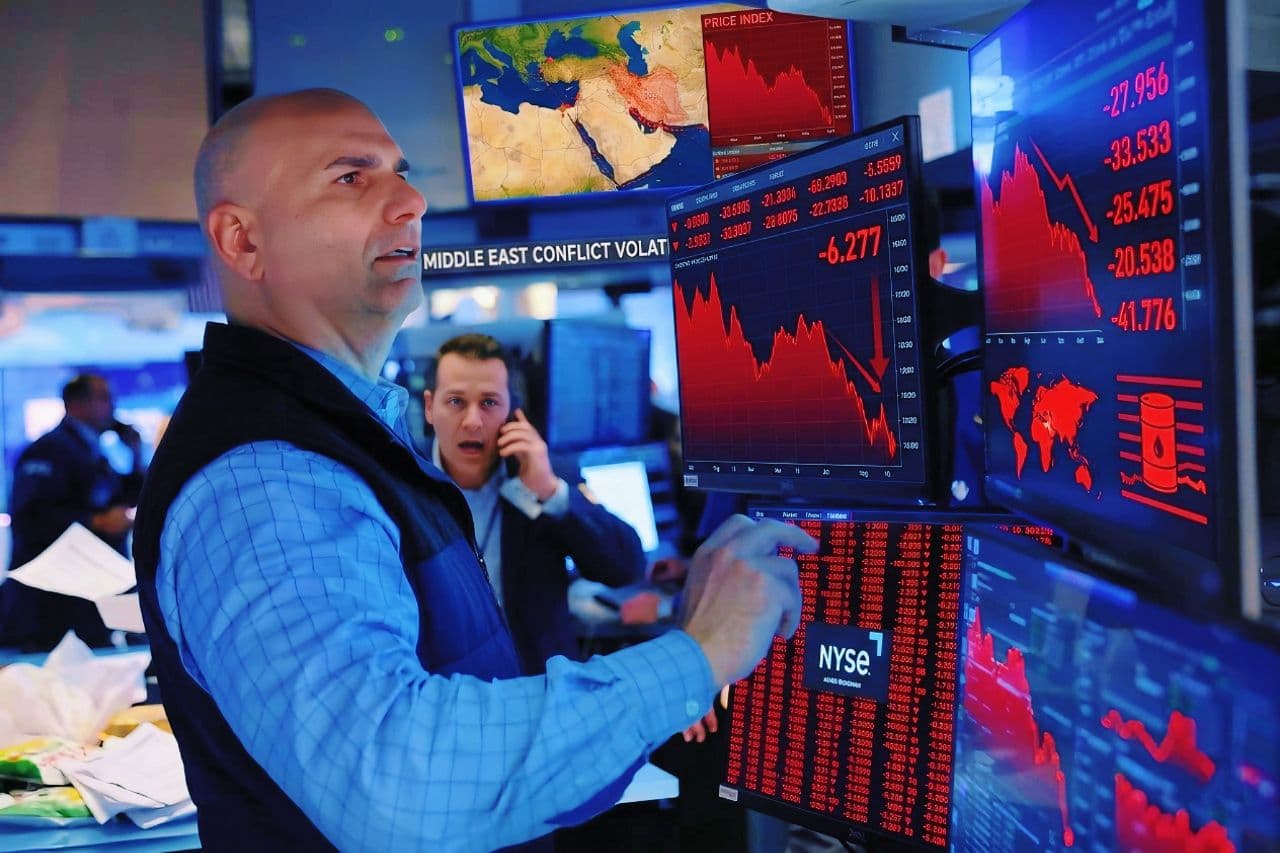
Elsewhere, Palo Alto Networks fell 7% after weak guidance, while Cadence Design Systems and Analog Devices surged on strong earnings. Treasury yields ticked up, with the 10‑year at 4.09%. Oil jumped 4.5% to $65.50 a barrel amid geopolitical concerns, while gold and silver rebounded sharply. Bitcoin traded around $66,200, down from overnight highs above $68,000, and the U.S. dollar index rose 0.6% to 97.70.






Madison Square Garden Sports (MSGS), owner of the NBA’s New York Knicks and NHL’s New York Rangers, is exploring a potential spinoff that would create publicly traded companies for each team. CEO Jim Dolan said the move would give each franchise “enhanced strategic flexibility” and a clearer investment profile. While no timetable has been set and league approval is required, the announcement has already sparked excitement among investors.
The deal would be unusual in U.S. sports. Most professional teams are privately owned, and none of the major league franchises NBA, NHL, NFL, MLB, or MLS trade as standalone stocks. The Green Bay Packers are the only exception, offering public ownership through a unique arrangement. A Knicks or Rangers spinoff would allow fans and investors alike to directly own shares in two of the most iconic teams in American sports.
Investor enthusiasm is already evident. MSGS shares surged on the news, adding to a roughly 30% gain this year and nearly 75% growth over the past five years. Analysts at Citi valued the stock at $337, about 15% above its recent close, with the Knicks alone accounting for $226 of that valuation. Forbes ranked the Knicks among the world’s top 10 most valuable sports franchises in 2025, with an estimated worth of $9.5 billion.
For investors, the bottom line is clear: owning shares of the Knicks or Rangers could unlock value and provide rare exposure to professional sports franchises. But with league approval pending and no guarantee of a deal, the opportunity remains speculative. If the spinoff proceeds, it would mark a historic shift in how fans and investors can participate in the business of sports.






Carvana Earnings: Traders Brace for Big Stock Swings
Carvana (CVNA) is set to report earnings after the market closes today, and traders are pricing in a major move. Options activity suggests the stock could swing as much as 13.5% in either direction by week’s end. From Tuesday’s close near $351, that implies a potential rally toward $398 or a drop below $304 its lowest level since November.
The company has had a turbulent start to 2026. A short‑seller report last month knocked shares off record highs, though JPMorgan analysts dismissed the report as based on flawed financial interpretations. They recently raised their price target to $510, expecting strong fourth‑quarter sales growth to carry into early 2026.
Analysts project Carvana will post a 48% year‑over‑year revenue jump to $5.25 billion, with earnings per share rising to $1.01 from $0.56 a year ago. Despite recent volatility, sentiment remains bullish: 12 of 13 analysts tracked by Visible Alpha rate the stock a “buy,” with an average target of $500, suggesting about 40% upside from Tuesday’s close.
Shares were up roughly 2% in trading ahead of the report, though they remain down about 15% year‑to‑date. With expectations of a sharp post‑earnings move, investors are watching closely to see whether Carvana can deliver results strong enough to justify its lofty valuations and regain momentum.






Nvidia Portfolio Shake-Up: AI Bets Cut, New Positions Added
Nvidia (NVDA) surprised markets by selling stakes in several AI‑focused firms during the fourth quarter, sending their stocks lower. Applied Digital (APLD) dropped nearly 10%, Recursion Pharmaceuticals (RXRX) plunged 14%, and driverless tech company WeRide (WRD) slipped about 4% before recovering some losses. The company did not comment on its reasoning, leaving investors speculating about the shift.
Despite trimming those positions, Nvidia’s own stock rose about 2%, regaining positive territory for 2026 after a rough start marked by concerns about an AI bubble. The latest 13F filing also revealed Nvidia exited its stake in Arm (ARM), a longtime chip partner it once tried to acquire. Arm shares climbed 1% after posting stronger‑than‑expected earnings earlier this month.
Nvidia added new positions in Intel (INTC), Synopsys (SNPS), and Nokia (NOK). Synopsys surged 5% in recent trading, Nokia gained 1.5%, while Intel was little changed. The Intel investment aligns with Nvidia’s September announcement of a multibillion‑dollar partnership, fueling speculation about deeper ties and a potential foundry deal.
Meanwhile, Nvidia maintained its holdings in AI cloud infrastructure providers CoreWeave (CRWV) and Nebius Group (NBIS). Both stocks rallied, with CoreWeave up 5% and Nebius climbing 4%. The moves highlight Nvidia’s evolving strategy paring back some AI bets while reinforcing partnerships and diversifying into chip design and telecom.






Palo Alto Networks Earnings: Deals Weigh on Profit Outlook
Palo Alto Networks (PANW) shares slid 6% to about $153 after the cybersecurity firm cut its full‑year profit forecast. The company now expects adjusted earnings per share of $3.65 to $3.70, down from its prior range of $3.80 to $3.90. The weaker outlook stems from higher integration costs tied to recent acquisitions, including its $25 billion purchase of CyberArk.
The stock’s drop made Palo Alto Networks the worst performer in the S&P 500 and Dow on a day when broader markets gained. Analysts reacted quickly: Morgan Stanley trimmed its price target to $223 from $245 but maintained an “overweight” rating, calling the sell‑off “overdone.” Wedbush reiterated its “outperform” rating with a $225 target, labeling Palo Alto Networks one of its top cybersecurity picks for 2026.
Despite the lowered guidance, Palo Alto Networks reported stronger‑than‑expected fiscal second‑quarter results. Adjusted EPS came in at $1.03, while revenue rose 15% year‑over‑year to $2.59 billion, both topping Visible Alpha estimates. Analysts remain broadly bullish, with most maintaining positive ratings despite near‑term profit pressures.
With Wednesday’s decline, Palo Alto Networks shares are down about 16% year‑to‑date. The company’s aggressive acquisition strategy is reshaping its portfolio, but integration costs are weighing on margins. For investors, the key question is whether AI tailwinds and revenue growth can offset the drag from deal‑related expenses in the months ahead.






S&P 500 Flat Masks Extreme Stock Swings
The S&P 500 is essentially unchanged for the year, down just 0.03% as of Tuesday’s close. On the surface, that looks uneventful, but beneath the index’s calm exterior lies significant volatility. According to Bespoke Investment Group, 117 stocks in the S&P 500 have already moved more than 20% up or down this year, while fewer than 100 components have shifted less than 5%.
The disparity is most pronounced in tech. More than 40% of sector stocks are swinging wildly, with some soaring and others plunging. Memory device makers Sandisk and Western Digital have surged 150% and 70%, respectively, riding the AI boom. Meanwhile, software firms like Intuit and ServiceNow have been hammered, down 40% and 30%, as investors worry about AI disruption.
This uneven performance has created a rare divergence between the capitalization‑weighted S&P 500 and its equal‑weight counterpart. The equal‑weight index is outperforming by about 5.5 percentage points, marking the worst relative showing for the cap‑weighted index since 1992.
For investors, the takeaway is clear: while the headline number suggests stability, the underlying market is anything but. Extreme moves in tech and other sectors are reshaping portfolio performance, making diversification and sector positioning more critical than ever.






Cybersecurity Stocks: Wedbush Predicts Strong Upside
Wedbush analysts see big gains ahead for select cybersecurity names despite a rough start to the year for software stocks. They argue that as AI adoption accelerates, companies face growing risks that will drive demand for advanced cybersecurity solutions. In their latest note, Wedbush highlighted CrowdStrike (CRWD), ZScaler (ZS), and Palo Alto Networks (PANW) as likely winners in the sector.
CrowdStrike remains a “gold standard of cybersecurity,” according to Wedbush, even after a 13% year‑to‑date decline. With a price target of $600, analysts see nearly 45% upside from current levels around $420. ZScaler was described as a “premier name to own in the cyber space,” with its strong pipeline and AI strategy expected to fuel growth. Wedbush projects the stock could nearly double to $350 over the next 12 months.
Palo Alto Networks rounds out the trio, despite disappointing earnings guidance earlier this week. Wedbush believes its acquisitions have strengthened its value proposition as companies look to consolidate vendors. Their $225 price target implies about 45% upside from recent levels. Analysts remain confident that AI tailwinds and consolidation trends will support long‑term growth.
Investors will get more clarity soon, with ZScaler set to report earnings on February 26 and CrowdStrike scheduled for March 3. These results could validate Wedbush’s bullish stance and provide fresh momentum for cybersecurity stocks that have been under pressure early in 2026.






Moderna Stock Climbs as FDA Reconsiders Flu Vaccine
Moderna (MRNA) shares jumped 6% Wednesday after the FDA reversed course and agreed to review the company’s application for its new mRNA flu vaccine. Regulators had previously declined to consider the filing, surprising investors. Following a meeting with the FDA, Moderna submitted an amended application seeking full approval for adults aged 50 64 and accelerated approval for those over 65. The review is expected to conclude by August 5.
CEO Stéphane Bancel praised the FDA’s engagement, calling the decision a constructive step forward. The reversal comes at a pivotal time for Moderna, which has been working to expand its vaccine portfolio beyond COVID‑19. Investors welcomed the news, seeing it as validation of the company’s broader mRNA pipeline.
Moderna’s stock has been on a tear in 2026, rising nearly 60% year‑to‑date. The rally gained momentum last month after encouraging results from a cancer clinical trial boosted confidence in the company’s research strategy. The FDA’s decision adds another catalyst, reinforcing optimism about Moderna’s growth prospects.
For investors, the takeaway is clear: regulatory approval remains a critical driver of biotech valuations. Moderna’s flu vaccine review could unlock new revenue streams, but the outcome will depend on trial data and regulatory scrutiny. With strong momentum already in place, the company’s performance in the coming months will be closely watched.






Berkshire Portfolio Shift: Buffett’s Final Quarter
Berkshire Hathaway (BRK.A, BRK.B) trimmed its holdings in two of its biggest tech positions in the final quarter of 2025, marking Warren Buffett’s last portfolio update as CEO. The conglomerate sold about 10.3 million shares of Apple (AAPL), roughly 4% of its stake, continuing a gradual reduction that began in late 2023. Berkshire’s Apple stake, once valued at $175 billion, stood at about $60 billion as of Tuesday’s close. Apple shares slipped 0.3% in early trading Wednesday.
The bigger move came with Amazon (AMZN). Berkshire sold 7.7 million shares more than 75% of its position cutting its holdings from $2.1 billion at the end of Q3 to about $457 million. Amazon stock rose 1.5% Wednesday morning despite the sell‑off.
This filing represents the last overlap with Buffett’s tenure, as he officially retired at the end of 2025 after leading Berkshire since 1965. His successor, Greg Abel, now heads the $1 trillion conglomerate. Buffett’s steady trimming of Apple and Amazon reflects a cautious approach to tech exposure, even as both stocks posted gains in the fourth quarter.
Apple rose nearly 7% in Q4, benefiting from investor confidence as it avoided heavy AI spending compared to peers like Meta and Alphabet. Amazon gained 5% in the same period, underscoring resilience despite Berkshire’s exit. For investors, the portfolio shift signals Berkshire’s evolving strategy under new leadership while closing the book on Buffett’s legendary run.






The Bottom Line
Markets rose Wednesday, led by tech stocks, but gains were capped as investors digested the Federal Reserve’s January meeting minutes. The Nasdaq climbed 0.8%, the S&P 500 added 0.6%, and the Dow gained 0.3%. Nvidia and other AI‑linked names powered the rally, while earnings reports created sharp moves in individual stocks.
The Fed minutes revealed deep divisions among policymakers. Some officials want to keep the option of raising rates if inflation proves sticky, while others favor continuing cuts. With stronger inflation and jobs data recently, the odds of near‑term rate cuts have diminished, leaving investors cautious ahead of Friday’s PCE inflation release.
Tech strength was evident, with Nvidia up 1.6% after Meta announced a major chip deal. Amazon rose nearly 2% despite Berkshire Hathaway trimming its stake, while Apple, Alphabet, Microsoft, and Tesla posted modest gains. Chipmakers Cadence Design Systems and Analog Devices surged on strong earnings, though Palo Alto Networks fell 7% after disappointing guidance.
Beyond equities, the 10‑year Treasury yield ticked up to 4.09%, oil jumped 4.5% to $65.50 a barrel amid geopolitical concerns, and gold and silver rebounded sharply. Bitcoin slipped to around $66,200, while the U.S. dollar index rose 0.6%. The takeaway: tech momentum is driving markets higher, but Fed policy uncertainty and global risks continue to shape investor sentiment.