Tariff Concerns Return: What Investors Need to Know About Market Risks
- Stocks fell sharply to start the week after President Trump announced new tariffs in response to a Supreme Court decision that struck down many of the sweeping import taxes imposed last year. The announcement reignited fears of trade disruptions and sent markets lower as investors reassessed the risks tied to U.S. trade policy.
- The Supreme Court ruling has raised fresh questions about the likelihood of tariff refunds, the validity of bilateral trade deals negotiated last year, and how the Trump administration plans to revive its tariff agenda. These uncertainties are fueling volatility across equities, commodities, and global markets.
- For investors, the implications are significant. Tariff policies ripple across industries, from manufacturing and technology to consumer goods, making diversification and risk management critical in the current environment. The renewed focus on tariffs adds another layer of complexity to portfolios already navigating AI-driven market shifts and broader macroeconomic pressures.
- Ultimately, the return of tariff concerns underscores the importance of staying alert to policy changes. Whether tariffs escalate or ease, the outcome will shape market direction and portfolio performance in the months ahead, making this a pivotal moment for investors.
Key Takeaways
Supreme Court Ruling Sparks Tariff Uncertainty: What Investors Should Watch
The Supreme Court’s 6-3 decision on Friday has thrown a wrench into President Donald Trump’s efforts to reshape global trade, ratcheting up uncertainty on Wall Street. The justices ruled that the president exceeded his authority when invoking emergency powers to unilaterally impose tariffs on imports from most of the world. Those tariffs were struck down, and lower courts were ordered to resolve if, when, and how refunds will be distributed. In response, Trump announced a new round of tariffs, escalating tensions further.
“This is a moment of great uncertainty and volatility not just for consumers, not just for businesses, but also for our trading partners,” said Natasha Sarin, Yale Law School professor and founder of the Yale Budget Lab, in an interview with CNBC. Her comments underscore the broad impact of the ruling, which has revived trade-related headwinds that markets had hoped were behind them.
For investors, the implications are significant. Tariff uncertainty was a major overhang on markets last year, and the Supreme Court’s ruling effectively resets the clock, raising fresh questions about trade deals, refund lawsuits, and the durability of Trump’s tariff agenda. The administration has already moved to impose temporary global tariffs, but their long-term viability will depend on Congressional approval.
Ultimately, this ruling highlights the fragility of trade policy and its outsized influence on markets. Whether tariffs escalate or ease, the outcome will shape equity performance, consumer prices, and investor sentiment in the months ahead. For traders, staying alert to policy shifts is essential as volatility returns to the forefront.






Uncertainty about tariffs was a major overhang on the stock market throughout the first half of last year, weighing heavily on investor sentiment. Markets only climbed to record highs in the second half once trade tensions eased and the fog cleared.
Friday’s Supreme Court ruling has revived those trade-related headwinds, reintroducing volatility and raising fresh questions about the durability of U.S. tariff policy. The decision struck down many of the sweeping import taxes imposed last year, creating uncertainty about refunds, trade deals, and the administration’s next steps.
For investors, this means renewed exposure to policy-driven risks that can ripple across sectors, from manufacturing and technology to consumer goods. Even diversified portfolios may feel the impact, as tariffs influence both corporate earnings and global supply chains.
Ultimately, the ruling underscores how sensitive markets remain to trade policy shifts. Investors should prepare for heightened volatility as tariffs return to the forefront of Wall Street’s concerns, shaping both near-term sentiment and long-term portfolio strategies.






Tariff Ruling Revives Market Volatility: Why Investors Should Care
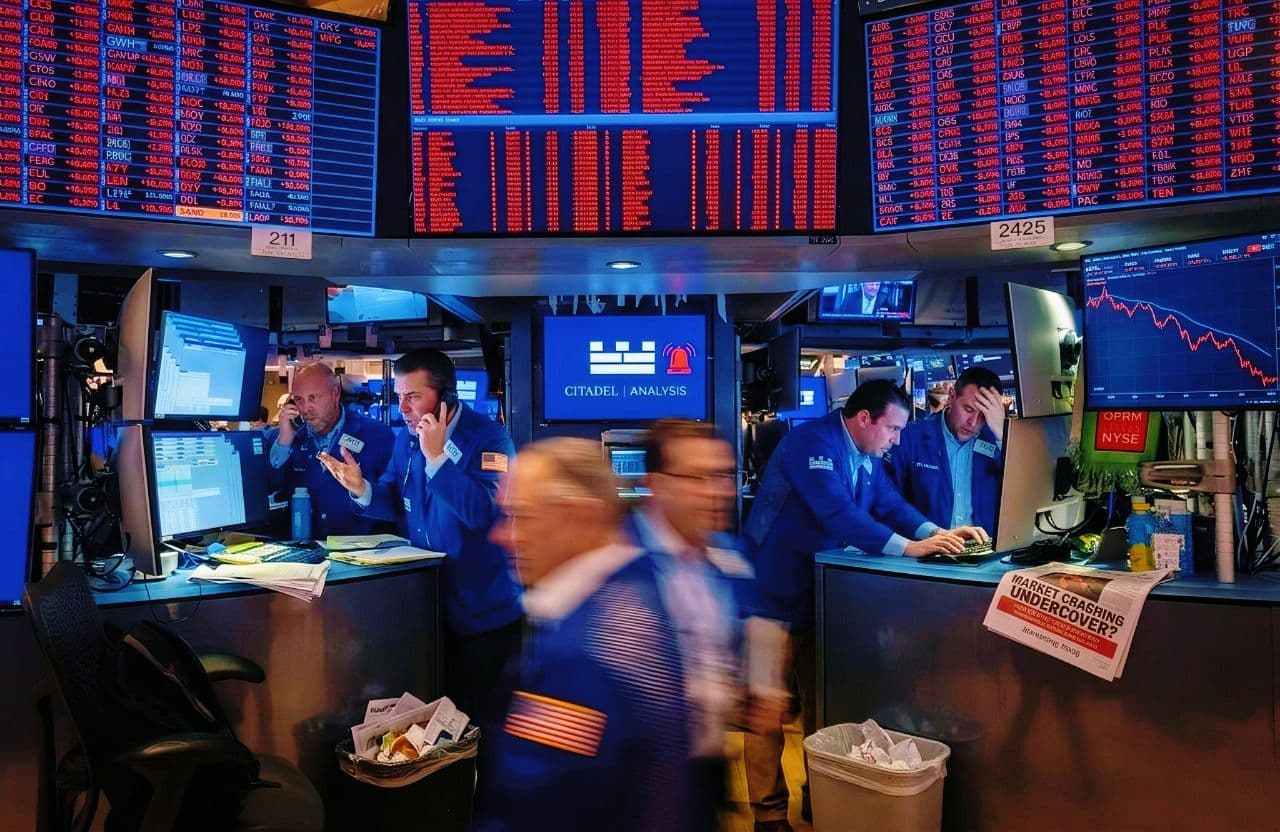
The Supreme Court’s decision has effectively turned the clock back to last spring, when markets were rattled by uncertainty over tariff rates and their economic impact. After gaining ground last week, major U.S. indexes fell sharply on Monday: the Dow Jones Industrial Average dropped 1.7% (over 800 points), while the S&P 500 and Nasdaq slid 1% and 1.1%, respectively.
Investors had been encouraged by how little tariffs seemed to affect prices and profit margins over the past year. Inflation accelerated, but less than expected, and S&P 500 earnings grew by double digits in the fourth quarter. As Gina Martin Adams of HB Wealth noted, “The markets have been celebrating a lack of impact from tariffs for much of the last several months.”
However, Trump’s unwavering commitment to tariffs means investors didn’t celebrate the Supreme Court’s ruling. The administration quickly announced a temporary 10% global tariff raised to 15% over the weekend that will require Congressional approval to last beyond 150 days. This move has reignited uncertainty, with ripple effects on trade deals worldwide. The European Parliament even paused ratification of its U.S. trade deal, citing doubts about America’s trade regime.
For investors, the implications are clear: tariff uncertainty is back, and it’s already driving volatility across equities. Even diversified portfolios may feel the impact, as tariffs influence earnings, supply chains, and global trade sentiment.






Tariff Refund Uncertainty and Market Risks: What Investors Should Watch
The Supreme Court’s ruling has left investors facing a new wave of uncertainty. While countries with existing trade deals like the U.K., Japan, and Vietnam are unlikely to renegotiate, unanswered questions about tariff refunds could hang over markets for years. Capital Group’s Tom Cooney estimates lawsuits from importers and consumer groups will tie up lower courts for several years, prolonging the uncertainty.
Experts expect the Trump administration to pursue tariffs under sturdier legal authorities, with replacement rates forecasted in the 13% 14% range just below recent averages. Evercore ISI calculates that about 90% of the vacated tariffs could be restored, reinforcing the administration’s leverage in trade negotiations.
This revival of tariffs is already shaping investor sentiment. Consumer discretionary stocks, among the most directly impacted by import costs, fell sharply on Monday after modest gains Friday. As LPL Financial strategist Jeff Buchbinder noted, “we wouldn’t chase any rebounds in import-heavy consumer retailers.”
For investors, the takeaway is clear: tariff uncertainty is back, and it’s likely to weigh on sectors most exposed to global trade. Even diversified portfolios may feel the impact as markets adjust to renewed policy-driven risks.






The Bottom Line
The Supreme Court’s ruling has reignited tariff uncertainty, turning back the clock to last spring when markets were rattled by trade policy risks. Despite recent resilience in earnings and inflation, the renewed push for tariffs paired with unanswered questions about refunds and trade deals has already triggered sharp declines across major U.S. indexes.
Trump’s administration is moving quickly to restore tariffs under sturdier legal grounds, with effective rates forecasted near pre-ruling levels. That means the overhang of tariffs is unlikely to fade soon, and sectors most exposed to imports, like consumer discretionary, are already showing weakness.
For investors, the bottom line is clear: tariff policy remains a powerful driver of volatility. Even diversified portfolios may feel the impact as trade uncertainty ripples across equities, supply chains, and global markets. Staying alert to policy shifts and managing exposure to import-heavy sectors will be critical in navigating the months ahead.