Trump’s Greenland Deal Revives TACO Trade: Wall Street Eyes Emerging Market Opportunities
- Stocks rallied after President Trump eased his threats against Greenland, reigniting discussion of the TACO Trade—a strategy designed to capitalize on his bold policy moves.
- Over the past year, dip-buyers consistently benefited from Trump’s tendency to walk back aggressive tariff threats that initially pressured the market.
- Recent events that might have triggered TACO Trade opportunities in the past have been absorbed more calmly by investors this time, reflecting a shift in market sentiment.
Key Takeaways
Wall Street Rallies on Greenland Deal: TACO Trade Strategy Gains Momentum Amid Tariff Relief
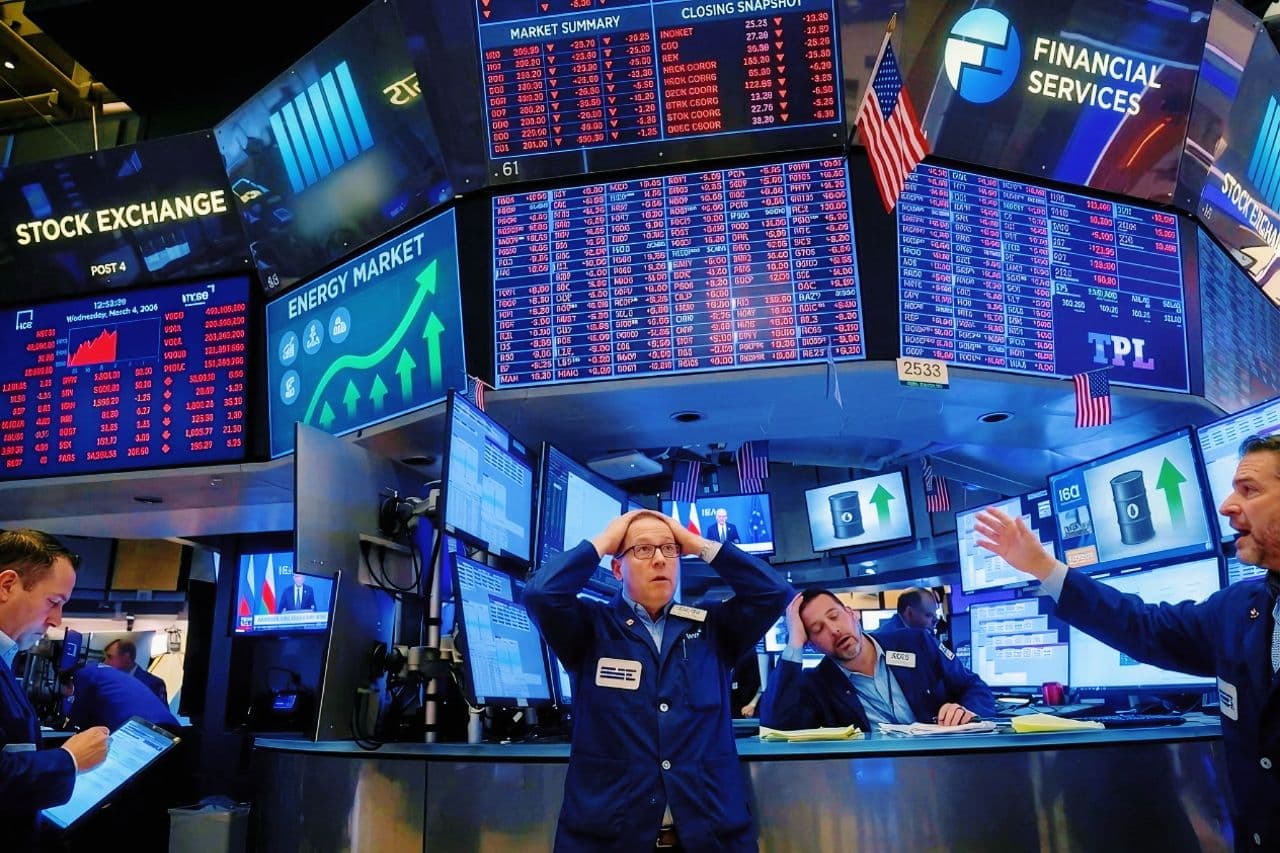
It’s Taco Thursday on Wall Street. U.S. stocks extended their gains Thursday after President Donald Trump confirmed he would not use force to take over Greenland or impose new tariffs on European nations, following a U.S. NATO framework agreement on Greenland’s sovereignty. The easing of tensions fueled investor optimism and lifted markets.
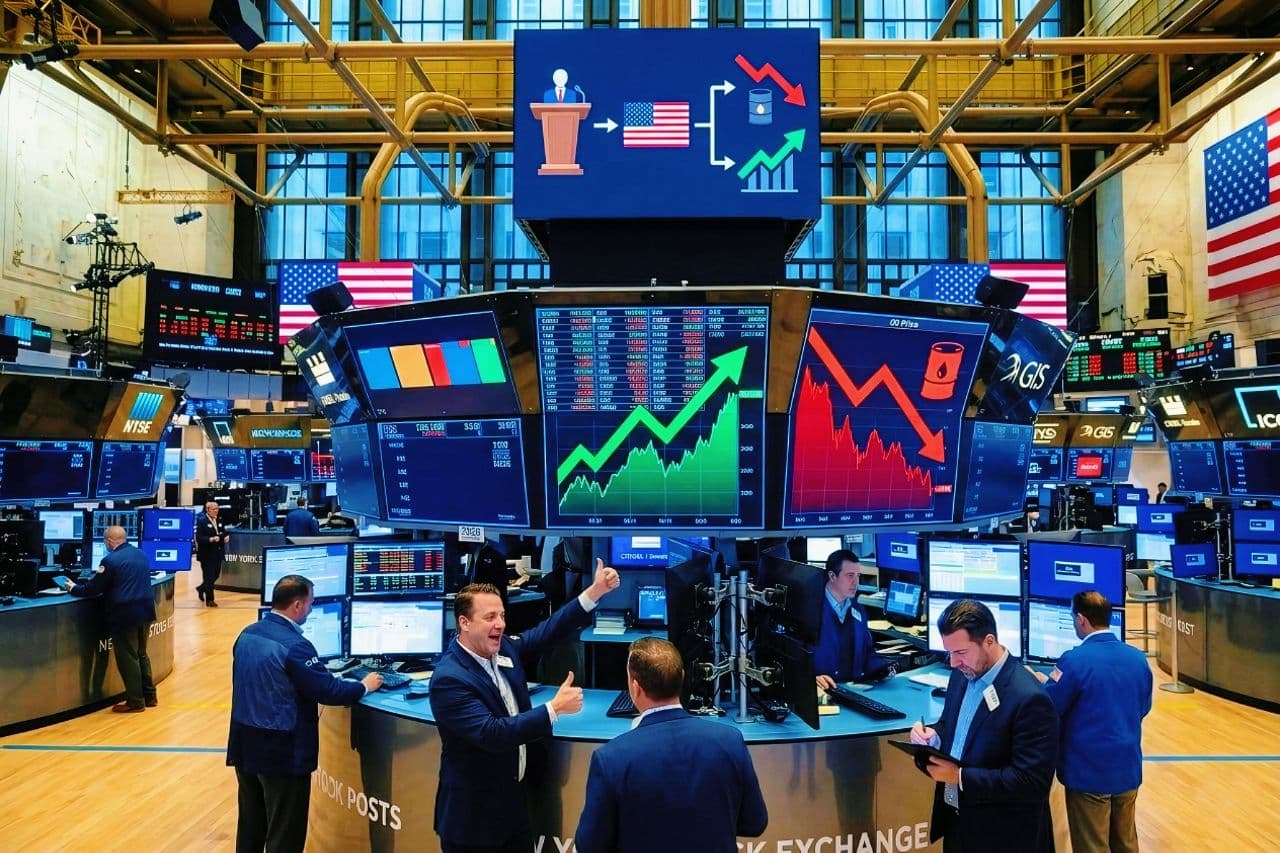
This détente revived discussion of the TACO, or “Trump Always Chickens Out,” concept, which refers to the president’s tendency to issue steep tariff threats or dramatic policy moves before ultimately reducing, delaying, or canceling them. The so-called TACO Trade has become a strategy where investors buy assets rattled by Trump’s threats, anticipating they will rebound once the rhetoric cools.


Wall Street Record Highs: Investor Confidence in Trump’s Dealmaking Fuels 2026 Stock Market Rally
Why This Is Important
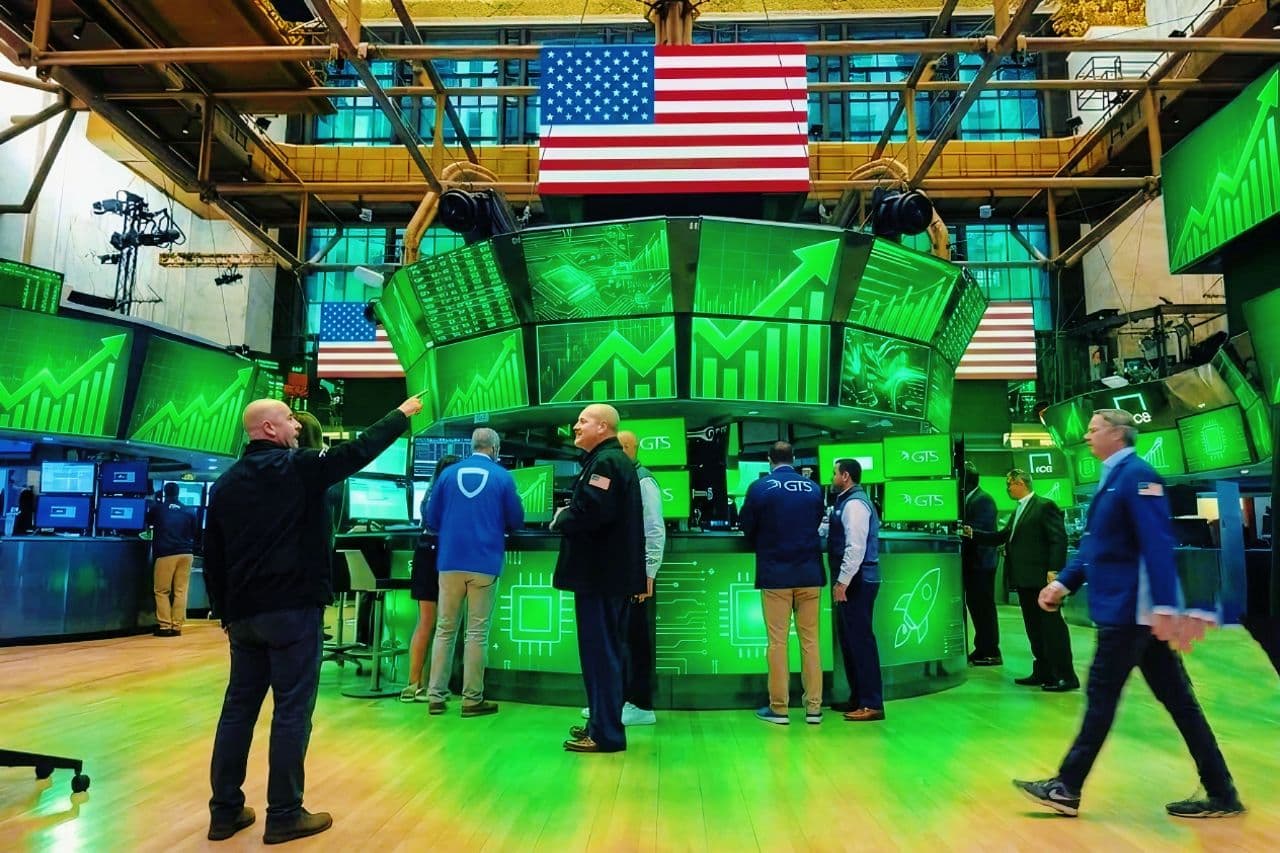
The stock market reached a string of record highs last year and has continued its upward momentum into 2026, even amid heightened uncertainty tied to President Trump’s rapid political maneuvers. Much of these gains stem from investors’ confidence in a recurring pattern in his dealmaking style, where initial threats or bold moves are often followed by concessions or revised agreements. This belief has helped sustain optimism and drive market resilience despite ongoing volatility.


TACO Trade Strategy: Buy-the-Dip Gains Momentum as Trump’s Tariff Retreats Fuel Wall Street Rally
“TACO” entered Wall Street’s vocabulary through Financial Times columnist Robert Armstrong, who noted that the U.S. administration tends to back off when tariffs cause economic pain. His theory gained traction in May when stocks rebounded from “Liberation Day” losses. Later that month, Trump appeared to validate the idea as markets soared after a 90-day tariff pause with China, followed by a similar pause on EU tariffs.
For investors, the TACO concept translates into “TACO = BTD,” or “buy the dip,” as Pepperstone strategist Michael Brown explained. The strategy proved profitable in 2025, with the S&P 500 climbing more than 37% from April lows to year-end. Gina Bolvin of Bolvin Wealth Management reinforced that buy-the-dip remains a solid approach, highlighting its effectiveness during Trump’s tariff reversals.
Yet TACO traders face a paradox: the trade relies on panic-driven selloffs that create buying opportunities, but investors are increasingly confident that Trump’s reversals are inevitable. This certainty reduces the very uncertainty that fuels the strategy, raising questions about its sustainability in 2026.


Trump’s Second Term: Wall Street Shrugs Off Turmoil as TACO Trade Stays in Play
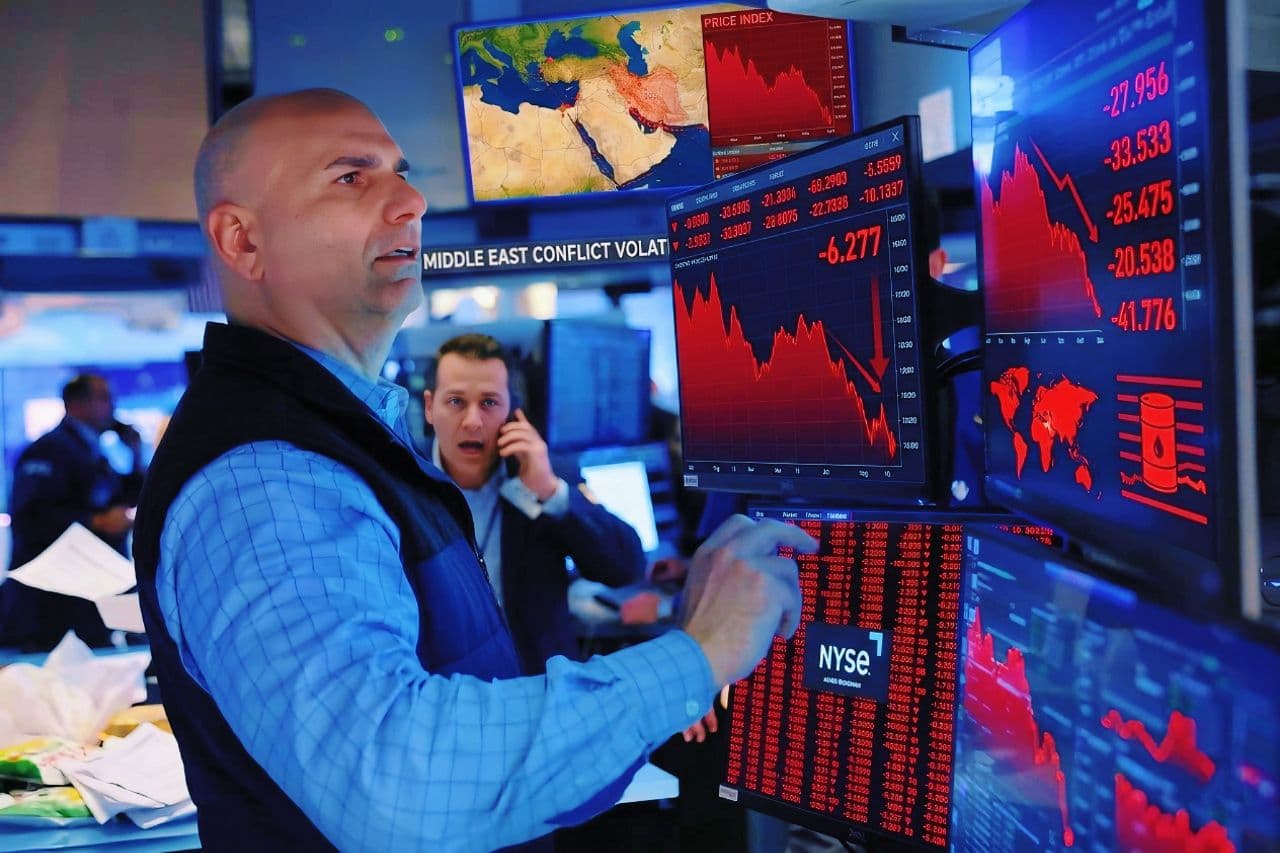
A year into President Trump’s second term, investors appear more resilient to his aggressive tactics. Events that once rattled markets such as the U.S. capture of Venezuelan President Nicolás Maduro or the Justice Department’s investigation into Fed Chair Jerome Powell have coincided with record highs in both the Dow Jones Industrial Average and gold.
This shift suggests markets are less sensitive to trade policy shocks, viewing them as less severe than initially feared. Yet Trump’s unpredictable maneuvers, highlighted by the Greenland standoff, continue to keep the “TACO Trade” alive. For investors, the paradox remains: confidence in Trump’s reversals reduces panic, but unpredictability ensures opportunities for buy-the-dip strategies still exist.


The Bottom Line
A year into Trump’s second term, investors have grown more accustomed to his aggressive tactics. Market-shaking moves that once triggered panic now often elicit muted reactions, with stocks continuing to climb to record highs. Yet Trump’s unpredictability seen in episodes like the Greenland standoff ensures that the “TACO Trade” remains relevant. For investors, the paradox is clear: confidence in Trump’s eventual reversals reduces volatility, but his unpredictability still creates opportunities for buy-the-dip strategies.