UnitedHealth Stock Crash 20 Percent Major Market Decline Explained
- UnitedHealth Group shares plunged after the company reported weaker-than-expected earnings, compounded by the Trump administration’s announcement that Medicare rates will remain unchanged next year. This combination of disappointing results and stagnant reimbursement outlook triggered sharp declines across the healthcare sector.
- Shares of CVS Health, Humana, and other major insurers also fell significantly, reflecting broader investor concerns. Persistent struggles with rising healthcare costs have pressured health plans, forcing companies like UnitedHealth to scale back certain services in an effort to manage expenses.
Key Takeaways
UnitedHealth Stock Decline Sparks Sell-Off Across Healthcare Sector
UnitedHealth Group shares led a sharp downturn in health insurance stocks after reporting weaker quarterly results and facing pressure from unchanged Medicare rates announced by the Trump administration. The Centers for Medicare and Medicaid Services projected payments to private Medicare Advantage plans will rise just 0.09% next year, far below expectations and significantly less than the 5% increase seen this year and the 4% projected for 2025.
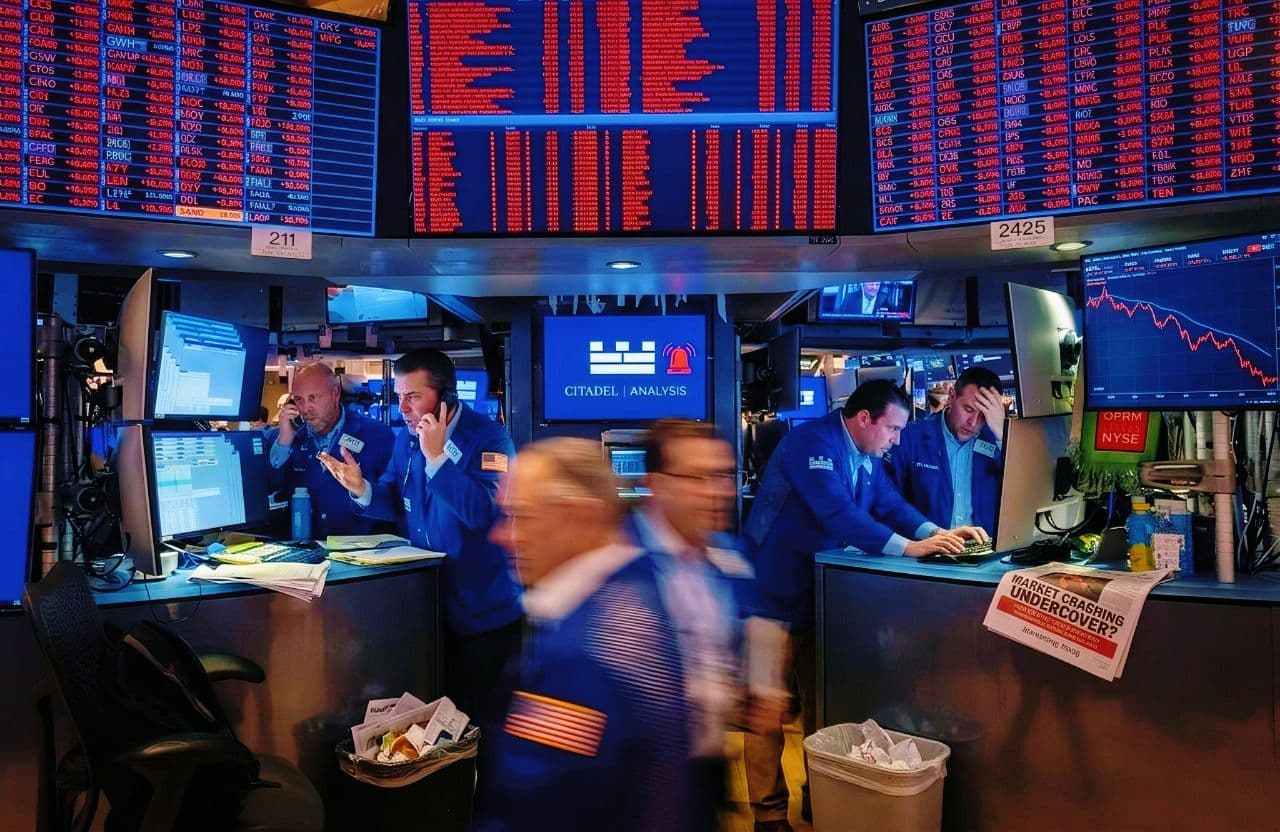
UnitedHealth (UNH) stock fell 20%, hitting its lowest level since August and dragging down the Dow Jones Industrial Average despite broader market gains. The sell-off spread across the sector, with Humana (HUM) also dropping 20%, CVS Health (CVS) sliding 14%, and Elevance Health (ELV) declining 13%, underscoring investor concerns over rising healthcare costs and stagnant reimbursement growth.


Why UnitedHealth Stock Decline Matters for Healthcare Investors
Healthcare stocks have struggled to deliver strong returns in recent years, overshadowed by Wall Street’s focus on artificial intelligence and burdened by growing frustration over rising healthcare costs. This environment has left the sector vulnerable, with investors cautious about long-term growth prospects.
The Trump administration’s push to address affordability ahead of the midterm elections adds another layer of uncertainty. Policy-driven headwinds could further pressure insurers like UnitedHealth, CVS Health, and Humana, intensifying challenges for the broader healthcare industry at a time when costs remain elevated and investor confidence is fragile.


UnitedHealth Earnings Miss Fuels Healthcare Sector Concerns
The healthcare sector entered 2026 with momentum after double-digit gains late last year, driven by investor caution over a potential AI stock bubble. Despite this rebound, the industry has consistently lagged broader markets and faces renewed political risks. Healthcare investors remain wary of Health Secretary Robert F. Kennedy Jr.’s criticism of the industry and President Trump’s push to lower costs in a system that many Americans view as unaffordable.
UnitedHealth’s latest quarterly results added pressure to investor sentiment. The company reported fourth-quarter revenue of $113.2 billion, falling short of expectations, while adjusted earnings per share matched forecasts at $2.11. Looking ahead, UnitedHealth projects total revenue of $439 billion in 2026, a 2% year-over-year decline attributed to planned restructuring. Its insurance subsidiary, UnitedHealthcare, expects to cover 2.8 million fewer people this year, with Medicare Advantage accounting for nearly half of that reduction.


UnitedHealth Turnaround Effort After Historic Stock Meltdown
UnitedHealth is working through a major turnaround following last year’s sharp stock collapse, when shares fell to their lowest levels since the 2020 Covid crash. The company endured its worst trading day in 25 years last April after slashing its full-year profit forecast, citing rising healthcare costs and heightened care activity.
The decline deepened as UnitedHealth withdrew its financial guidance entirely, its CEO stepped down, and the Justice Department launched an investigation into its Medicare Advantage billing practices. These setbacks have intensified pressure on the insurer, making its turnaround strategy critical for restoring investor confidence and stabilizing long-term growth.


The Bottom Line
UnitedHealth’s sharp decline underscores the mounting pressures facing the healthcare sector. Rising costs, stagnant Medicare rates, regulatory scrutiny, and political headwinds have combined to erode investor confidence. With revenue forecasts lowered and membership reductions expected, the company’s turnaround will be closely watched as a test case for the broader industry. For investors, healthcare stocks remain vulnerable, and UnitedHealth’s trajectory highlights both the risks and potential volatility ahead.