Wall Street Rally: Stocks Rise Again as Greenland Tensions Ease, Gold Hits Record High
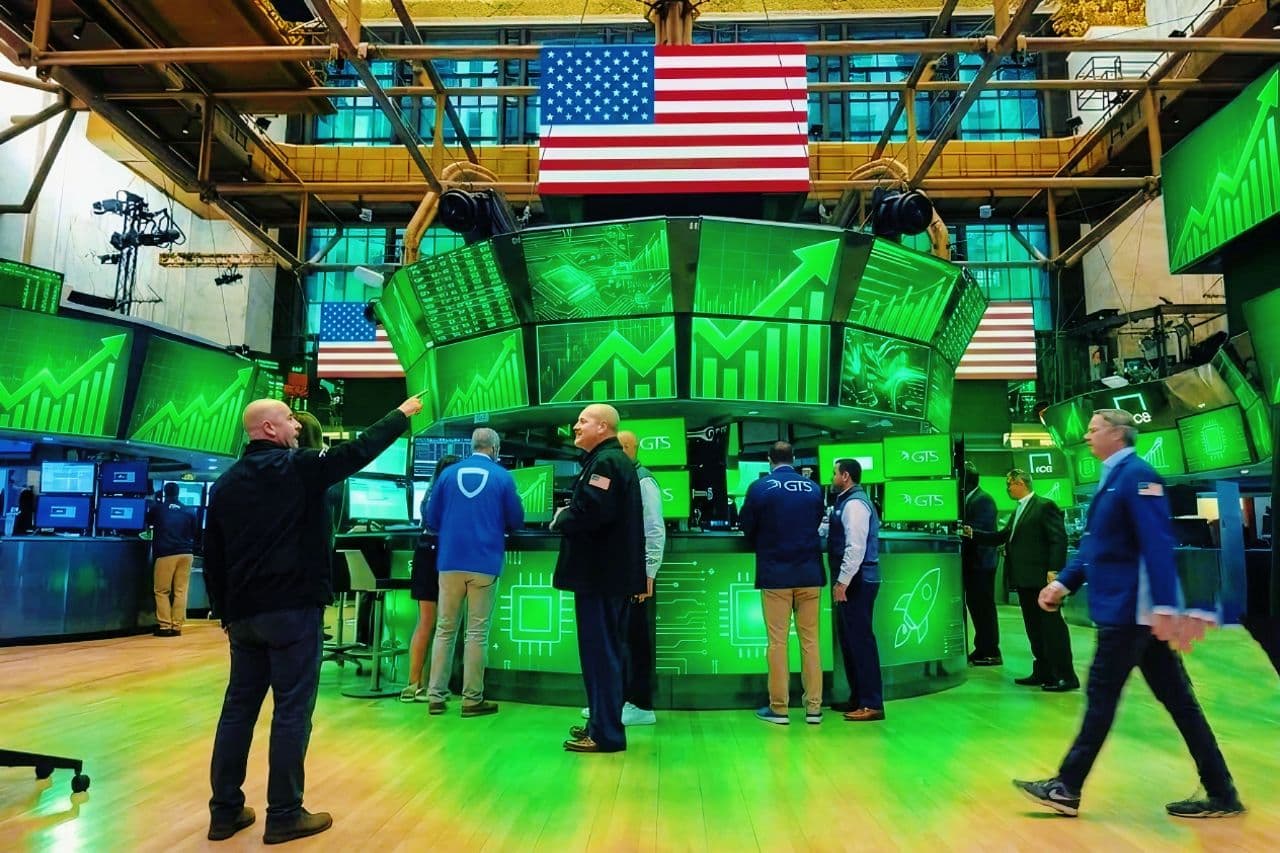
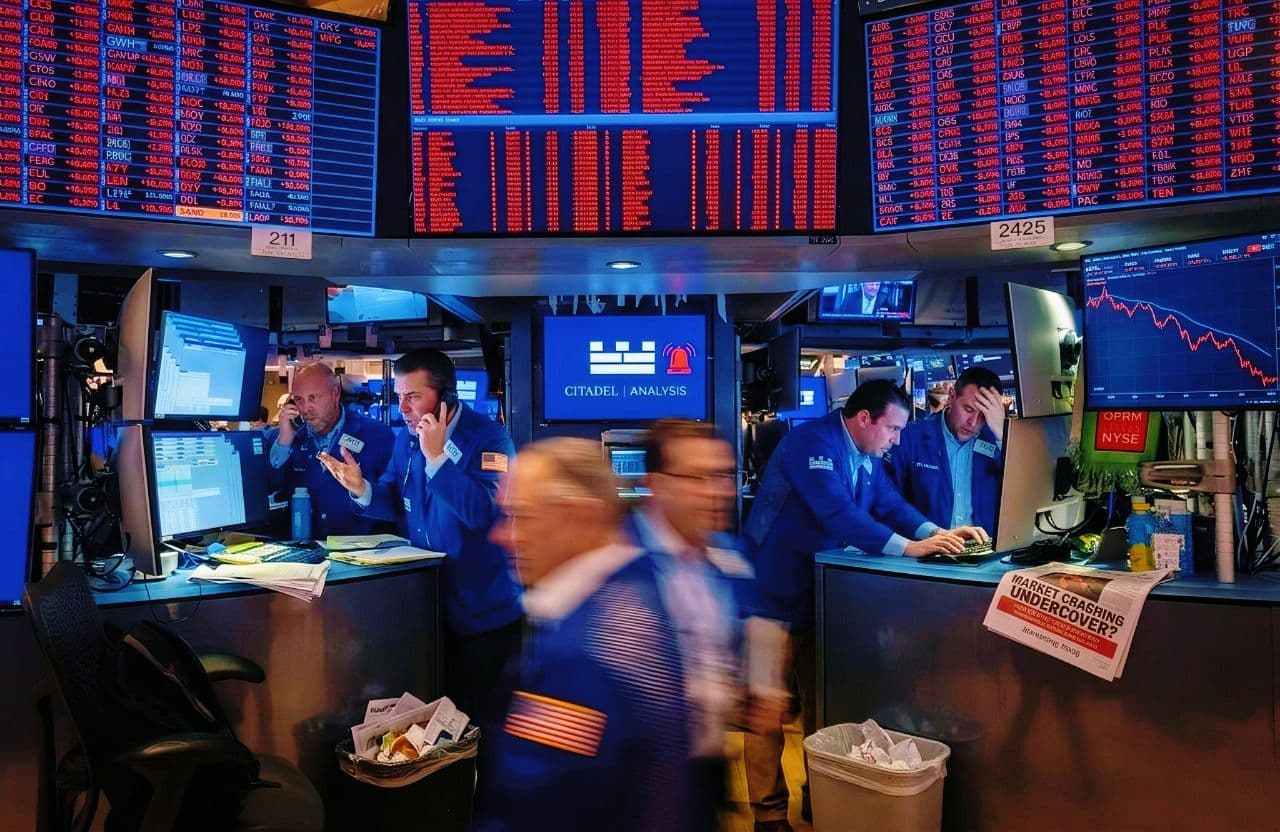
- Major U.S. indexes closed higher for the second straight day as President Trump backed off tariff threats tied to Greenland, calming tensions with European allies. The Dow climbed more than 300 points, while the Nasdaq and S&P 500 each rose 0.6%.
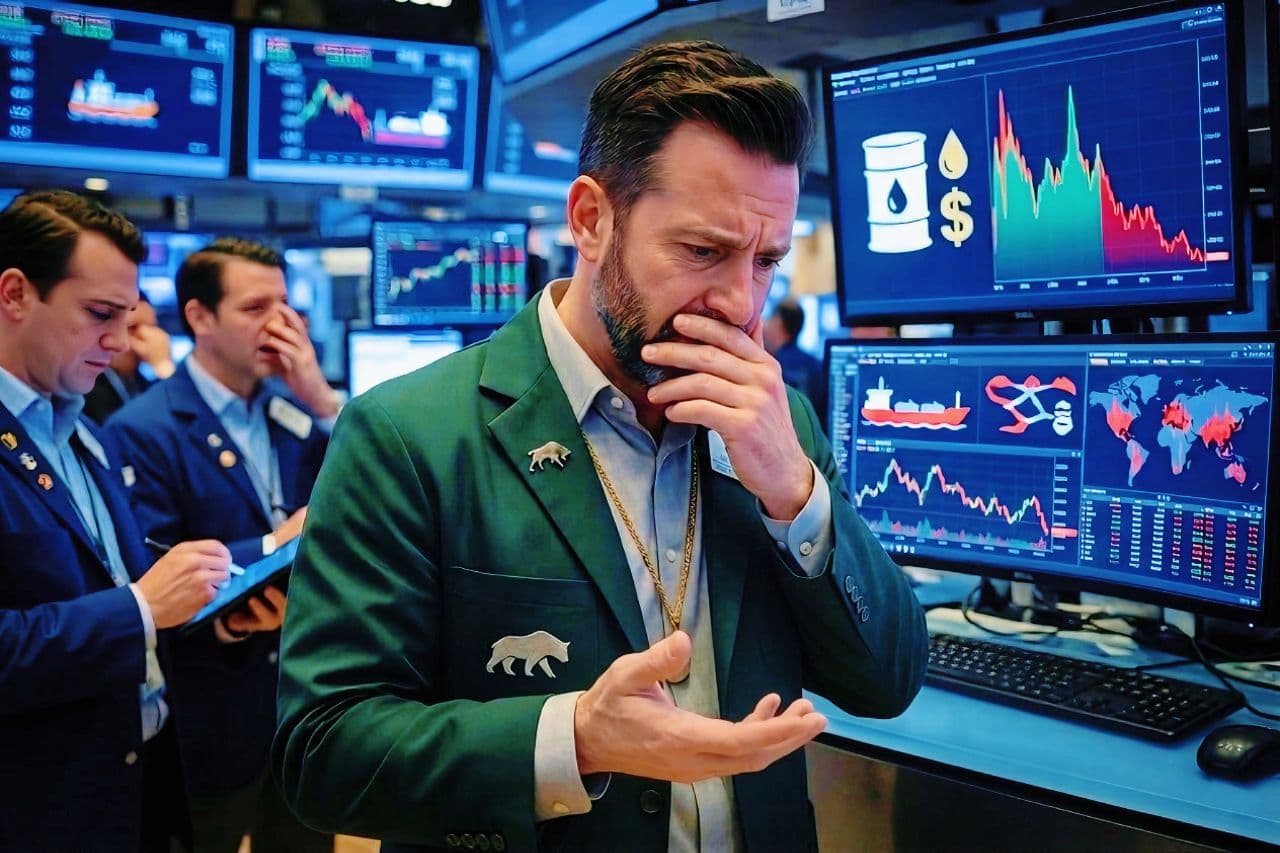
- Safe-haven gold surged past $4,930 an ounce to a fresh all-time high, while the U.S. dollar index slipped 0.5%. Treasury yields held steady at 4.25%, and crude oil dropped over 2% to $59.35 a barrel.
- Tech stocks powered the rally, with Meta Platforms jumping 5.7% and all members of the “Magnificent Seven” finishing higher. Intel reversed early losses to edge up ahead of its earnings report, while Abbott, McCormick, and GE Aerospace fell sharply post-results.
Key Takeaways
Wall Street Rally: Dow Jumps 300 Points, Nasdaq Leads as Gold Hits Record High Amid Greenland Tariff Relief
Major U.S. stock indexes surged for a second straight session Thursday after President Trump eased tensions with European allies by backing off new tariff threats tied to Greenland. The Nasdaq gained 0.9%, the Dow rose 0.6% adding more than 300 points and the S&P 500 climbed 0.6%.
Markets had already rebounded Wednesday, rising about 1.2% across the board after Trump ruled out military action in Greenland at Davos and confirmed on Truth Social that tariffs scheduled for February 1st on NATO allies would not be imposed.
Inflation data showed the Personal Consumption Expenditures price index rose 0.2% month-over-month and 2.8% year-over-year, in line with expectations. The report is unlikely to heavily influence the Fed’s January 27 28 meeting, as December data was delayed.
The 10-year Treasury yield held at 4.25%, steady from Wednesday, after hitting 4.30% Tuesday its highest since August.
Gold futures soared past $4,930 an ounce to a fresh all-time high, while Bitcoin slipped slightly to $89,500. The U.S. dollar index fell 0.5% to 98.30, and crude oil dropped more than 2% to $59.35 a barrel.
Intel edged up 0.1% ahead of earnings after a 12% surge Wednesday. All “Magnificent Seven” tech stocks closed higher, led by Meta Platforms with a 5.7% jump.






Intel shares sank in late trading Thursday after the company’s outlook fell short of analyst expectations. Executives warned that supply levels could hit their lowest point in the first quarter before improving later in the year. CFO David Zinsner noted that Q1 would be the tightest period for available supply, reflecting industry-wide shortages.
Investors reacted sharply to the company’s near-term forecast, with shares sliding more than 12% despite edging higher during the regular session. Intel projected breakeven adjusted earnings in Q1 on revenue between $11.7 billion and $12.7 billion, below consensus estimates.
For Q4, Intel reported adjusted earnings of 15 cents per share on revenue of $13.67 billion, topping analyst expectations. CEO Lip-Bu Tan emphasized progress in building a “new Intel” and highlighted AI as a major growth opportunity across its businesses.
Intel’s stock had surged nearly 50% in January leading up to the report, fueled by optimism around AI sales, making the disappointing outlook a sharp reversal for investors.






Trump Lawsuit Targets JPMorgan and CEO Dimon: $5B Claim Over Account Closures Sparks Wall Street Debate
President Donald Trump filed a $5 billion lawsuit Thursday in Miami-Dade County against JPMorgan Chase and CEO Jamie Dimon, alleging the bank closed his accounts for political reasons following the Jan. 6 Capitol riot. The suit claims JPMorgan acted on “political and social motivations” and embraced “woke beliefs” to distance itself from Trump’s conservative views.
JPMorgan responded that while it regrets Trump has sued, it believes the case has no merit. The bank emphasized that accounts are not closed for political or religious reasons but when they pose legal or regulatory risks. The company added it has long urged administrations to revise rules that force banks into such decisions and supports efforts to prevent the weaponization of the financial sector.
JPMorgan shares edged 0.4% higher in late trading Thursday, showing limited investor concern despite the headline risk.






Elon Musk Says Tesla Optimus Robots Coming by 2027, Stock Jumps on AI Robotics Hype
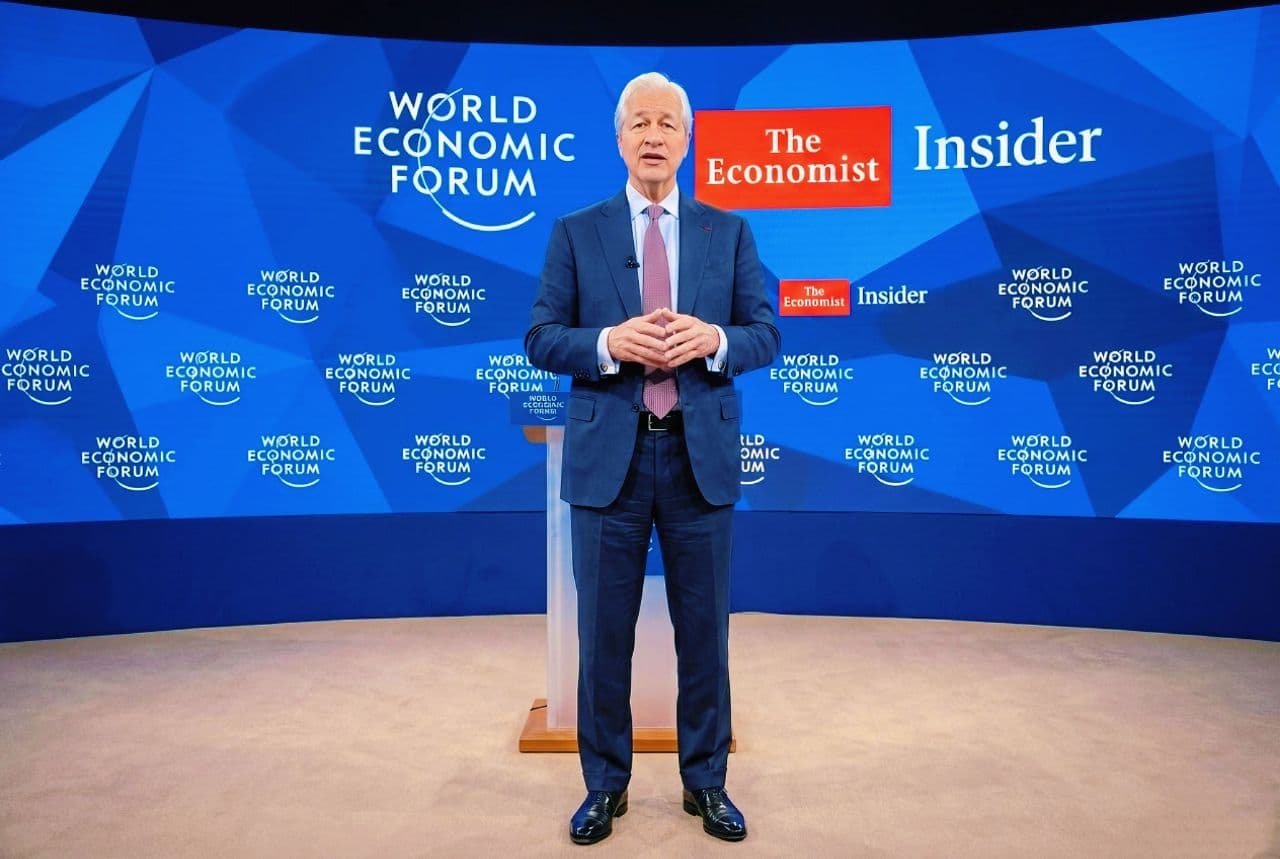
Elon Musk announced Thursday at the World Economic Forum in Davos that Tesla’s humanoid Optimus robots could be available to the public as early as 2027. He added that “humanoid robotics will advance very quickly,” signaling Tesla’s push into consumer robotics.
The remarks lifted Tesla shares nearly 4% in afternoon trading, as investors welcomed the potential rollout. The milestone would also mark progress toward one of Musk’s performance-based targets tied to Optimus robot sales, a key factor in unlocking his trillion-dollar compensation package.
The announcement comes just ahead of Tesla’s fourth-quarter earnings report, due next week, fueling anticipation about how the company’s AI and robotics strategy will shape future growth.






United Airlines Sees Surge in Business Travel Demand, Projects 37% Earnings Jump in 2026
Business travel is fueling a strong rebound for airlines, with United Airlines reporting a sharp rise in corporate ticket sales. Chief Commercial Officer Andrew Nocella said volumes are “really compelling,” noting that demand has started the year at a very strong pace.
United revealed that corporate ticket sales are running a high-single-digit percentage above last year’s levels. Nocella described the trend as “pretty amazing” and said it supports the company’s forecast for first-quarter earnings to climb 37% compared with 2025.
Industry-wide, business travel is making a comeback as companies prioritize in-person meetings. Frank Holmes, CEO of U.S. Global Investors, confirmed that carriers across the sector are seeing steady growth in corporate travel demand.






Global Black Swan Risks: Russia, Iran, China Scenarios Could Shock Oil, Tech, and NATO Markets
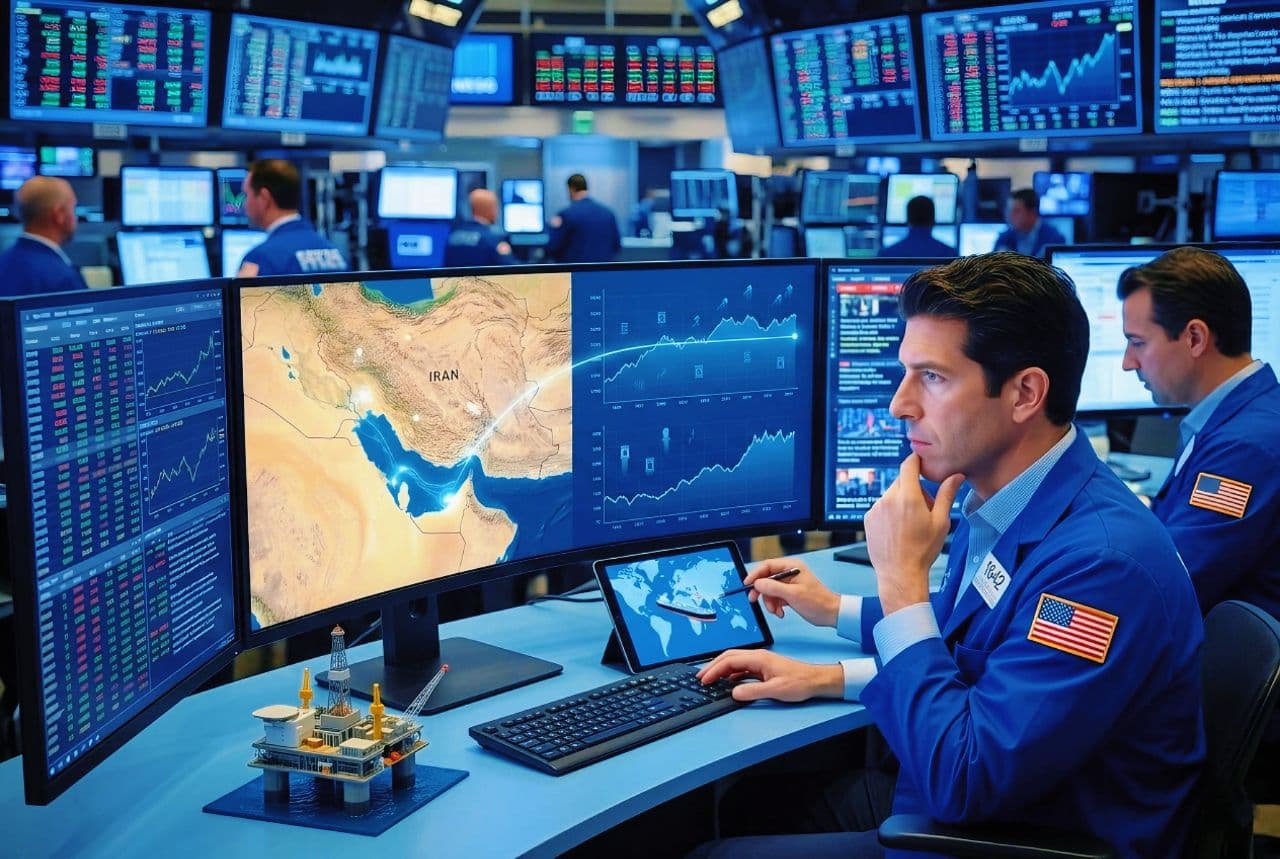
Investors are increasingly weighing not just “what’s next” but “what if,” as analysts highlight potential black swan scenarios that could disrupt global markets. Among the risks: unrest in Iran leading to government collapse and an oil shock, a breakthrough in China’s technology sector, or Russia seizing NATO territory with uncertain U.S. response.
Events in Greenland have already prompted market watchers to revisit these possibilities, noting how sudden geopolitical shifts can trigger downturns similar to last year’s Liberation Day selloff. Experts at BCA Research emphasized that while black swan events are difficult to predict, strategists must prepare for the moment when theoretical risks become real.






Winter Storms Drive Energy Stocks Higher: Generac, Natural Gas ETFs, and Oil Producers Surge
As severe cold and snow grip much of the United States, energy-related stocks are rallying. Generac (GNRC), a leading backup power generator maker, has jumped more than 10% this week on concerns that extreme weather could trigger widespread outages.
Exchange-traded funds tied to natural gas have soared, with the U.S. Natural Gas Fund (UNG) up 34% and ProShares Ultra Bloomberg Natural Gas (BOIL) surging 70% since the week began.
Other energy producers, including EQT Corp. (EQT), Expand Energy (EXE), and ExxonMobil (XOM), have also gained in recent sessions, though they pulled back slightly Thursday afternoon.






BlackRock CEO Larry Fink Warns AI Could Widen Global Inequality, Calls for Inclusive Capitalism
BlackRock CEO Larry Fink cautioned at the World Economic Forum in Davos that artificial intelligence could repeat the post-Cold War mistakes that fueled global income inequality. He noted that while wealth creation surged in the decades after the Cold War, it concentrated among a narrow group, undermining social stability.
Fink warned that AI risks producing similar outcomes, leaving elites “out of step with the moment” in an era of populism. He argued the challenge is whether capitalism can evolve to make more people owners of growth, rather than passive spectators.






PCE Inflation Stays Hot at 2.8% in November, Household Income and Savings Under Pressure
The latest government report showed that households struggled to keep up with rising costs in November and October, as income growth lagged behind inflation. The Personal Consumption Expenditures (PCE) price index rose 2.8% year-over-year in November, up from 2.7% in October, while “core” PCE excluding food and energy held steady at September’s levels.
Inflation-adjusted disposable income dipped 0.1% in October before inching up 0.1% in November. Meanwhile, the savings rate fell to 3.5% in November, its lowest since 2022, down from 4% in September.
The report highlighted persistent inflation above the Federal Reserve’s 2% target, with household income failing to keep pace. Analysts noted that the period coincided with a federal government shutdown, adding financial stress for government workers and potentially skewing survey data.






Crew Carwash Tops Glassdoor Best Places to Work List, Beating Google, Apple, and Nvidia
Crew Carwash, a family-owned chain with 55 Midwest locations, has been named America’s best workplace in Glassdoor’s 18th annual “Best Places to Work” list. The company edged out tech giants like Google, Apple, and Nvidia, offering benefits such as tuition reimbursement and student loan repayment perks more commonly associated with Fortune 500 firms.
In-N-Out Burger secured the second spot, praised for creating career pathways from cashier to corporate roles. Both companies highlight how blue-collar employers are increasingly recognized for prioritizing employee experience and offering long-term career growth.
Glassdoor’s chief economist Daniel Zhao noted that many of this year’s winners are blue-collar businesses, standing out by delivering opportunities and benefits in industries that traditionally overlook worker advancement.






Lemonade Stock Surges on Tesla FSD Insurance Launch, Shares Up 38% in 2026
Lemonade (LMND) shares jumped 16% Thursday, extending a two-day rally fueled by its announcement of a first-of-its-kind Autonomous Car Insurance product tailored for self-driving vehicles, beginning with Tesla’s Full-Service Driving (FSD) software.
The company revealed the launch Wednesday, noting it stems from a technical collaboration with Tesla that provides access to previously unavailable vehicle data. Shares closed up 9% in the prior session and are now up 38% year-to-date.
Lemonade, which offers AI-powered renters, pet, car, homeowners, and life insurance across the U.S. and EU, is positioning itself as a leader in next-generation insurance solutions tied to autonomous driving technology.






Moderna Stock Soars 85% YTD on Skin Cancer Breakthrough With Merck’s Keytruda
Moderna (MRNA) shares surged another 10% Thursday, marking their second straight day of sharp gains after promising trial results for a skin cancer treatment. The rally follows a 16% jump Wednesday, making Moderna one of the biggest S&P 500 gainers this week.
The Cambridge-based biotech, in partnership with Merck (MRK), released five-year follow-up data from a Phase 2b trial of its mRNA-based intismeran autogene combined with Merck’s Keytruda in high-risk melanoma patients. The treatment reduced the risk of recurrence or death by 49% compared with Keytruda alone, showing sustained and clinically meaningful improvement in recurrence-free survival.
Moderna shares have skyrocketed 85% since the start of 2026, while Merck’s stock dipped 1% Thursday but remains up 4% year-to-date.






Intel’s 50% Rally Faces Earnings Test: Traders Brace for 9% Swing on AI Demand Hopes
Intel’s stock, up nearly 50% since the start of the year, is set for a crucial test as the chipmaker reports fourth-quarter results after Thursday’s market close. Optimism has been fueled by President Trump’s recent show of support, speculation about new clients, and stronger-than-expected demand for Intel’s AI products.
Options pricing suggests traders expect shares could move as much as 9% in either direction once results are released, underscoring the high-stakes nature of the report.






IPO Supercycle Begins: BitGo Crypto Debut at $2B Valuation, Mega-Listings Like SpaceX and OpenAI Ahead
The 2026 IPO market is off to a strong start with crypto custodian BitGo pricing its initial public offering at $18 per share, implying a $2 billion market cap. Shares are set to begin trading today on the New York Stock Exchange under the ticker BTGO.
Investor enthusiasm is evident, with BitGo’s upsized offering priced above the indicated range mirroring the buzz seen around last year’s crypto IPOs like Circle (CRCL) and Gemini (GEMI). Analysts say this momentum bodes well for a lineup of highly anticipated debuts, including potential mega-IPOs from SpaceX, OpenAI, and Anthropic, some targeting valuations in the trillion-dollar range.






Trump Pushes $2,000 Tariff Rebate Checks Without Congress, Experts Warn of Legal and Debt Risks
President Donald Trump said Tuesday he may not need congressional approval to deliver $2,000 tariff-funded “dividend” checks to American families. He argued the payments could be issued directly, framing them as a substantial benefit to households.
Experts, however, strongly disagreed. Policy analysts emphasized that only Congress has the constitutional authority to allocate tariff revenue. Erica York of the Tax Foundation noted that Trump’s claim is incorrect and warned that such spending would increase the national debt.
The proposal has stirred debate over executive power, fiscal responsibility, and the feasibility of using tariff revenue for direct payments.






Crypto Custodian BitGo Debuts at $2B Valuation, IPO Supercycle Could Bring SpaceX, OpenAI, Anthropic
The 2026 IPO market is kicking off with momentum as BitGo priced its initial public offering at $18 per share, valuing the crypto custodian at roughly $2 billion. Shares will begin trading today on the New York Stock Exchange under the ticker BTGO.
Investor enthusiasm is clear, with BitGo’s upsized deal priced above the indicated range echoing the excitement around last year’s crypto IPOs from Circle (CRCL) and Gemini (GEMI). Analysts say this strong start sets the stage for a potential IPO supercycle, with mega-debuts expected from SpaceX, OpenAI, and Anthropic, some eyeing trillion-dollar valuations.






Trump’s 10% Credit Card Rate Cap Misses Deadline, Now Pushed to Congress
A deadline to impose a 10% cap on credit card interest rates passed this week without action, despite President Donald Trump’s earlier pledge. The proposal, announced earlier this month, was meant to take effect Jan. 20 and last one year.
As of Wednesday, no federal laws or executive orders have been issued to enforce the cap, and credit card companies have not voluntarily lowered rates. Trump is now urging Congress to pass legislation to make his plan a reality.
The debate highlights both consumer frustration with high borrowing costs and the legal limits of executive authority in regulating credit markets.






Natural Gas Prices Surge 60% in Two Days as Arctic Cold Hits U.S.—Impact on Heating Bills Explained
U.S. natural gas futures soared 29% Wednesday, capping a record 60% two-day rally as an Arctic cold wave grips much of the country. The surge reflects expectations of soaring demand, with nearly half of American households relying on natural gas for heating.
Forecasters warn that heavy snow and ice will stretch from New Mexico to the East Coast this weekend, keeping sub-freezing temperatures in place through late January. Despite the spike in futures prices, consumer heating bills won’t rise immediately, since utilities typically lock in supply contracts ahead of time.
Analysts say the rally underscores how extreme weather can quickly disrupt energy markets, driving volatility in natural gas ETFs and producers.

Intel Stock Jumps 12% Ahead of Earnings as Analysts Tout AI Demand and Apple Foundry Rumors
Intel (INTC) shares surged nearly 12% Wednesday to close above $54, extending a rally that has added almost half the company’s value in January. The momentum comes as Wall Street analysts highlight stronger-than-expected demand for Intel’s AI-driven server CPUs and optimism about its upcoming quarterly results, due after Thursday’s market close.
HSBC, KeyBanc, and Wedbush all told clients they expect Intel’s outlook to beat consensus projections. KeyBanc added that confidence is growing around Intel’s chances of winning Apple (AAPL) as a foundry customer, following months of speculation about a potential partnership.
The rally underscores investor enthusiasm for Intel’s positioning in AI infrastructure and its potential to secure marquee clients in the tech ecosystem.
McCormick Stock Falls 6% After Soft 2026 Profit Forecast, Shares Down 10% Over Past Year
McCormick & Co. (MKC) shares dropped 6% in premarket trading Thursday after the spice maker issued a weaker-than-expected fiscal 2026 profit outlook. The company projected adjusted earnings of $3.05 to $3.13 per share, below analyst expectations of $3.22.
For fiscal Q4 2025, McCormick reported adjusted EPS of $0.86, narrowly missing estimates, though net sales of $1.85 billion slightly beat consensus. CEO Brendan Foley cited global trade headwinds and elevated costs but emphasized productivity initiatives and cost management as strategies to sustain growth and fund long-term investments.
McCormick shares have lost about 10% of their value over the past year, reflecting investor concerns about margin pressures and muted earnings growth.
Thoma Bravo’s Orlando Bravo: AI Won’t Kill Software, Deep Domain Knowledge Is the Key
Software stocks have slumped this year amid investor fears that artificial intelligence could disrupt the multi-trillion-dollar industry. But Orlando Bravo, founder of private equity giant Thoma Bravo, says that narrative is “absolutely wrong.”
In an interview with CNBC, Bravo argued that the franchise value of software companies lies in their deep domain expertise knowledge of industries and enterprise needs that positions them to integrate AI rather than be displaced by it. He emphasized that software firms are the ones best equipped to drive enterprise adoption of AI, holding the key to its practical implementation.
The Bottom Line
- U.S. markets closed higher for the second straight day as eased geopolitical tensions in Greenland lifted investor sentiment.
- Gold set a fresh all-time high, reflecting strong demand for safe-haven assets amid lingering uncertainty.
- The rally shows investors balancing relief from geopolitical risks with continued caution, channeling money into both equities and commodities.
In short: stocks are climbing, gold is breaking records, and calmer geopolitics are giving markets breathing room .