Stock Market Retreats as Jobs Report Shocks
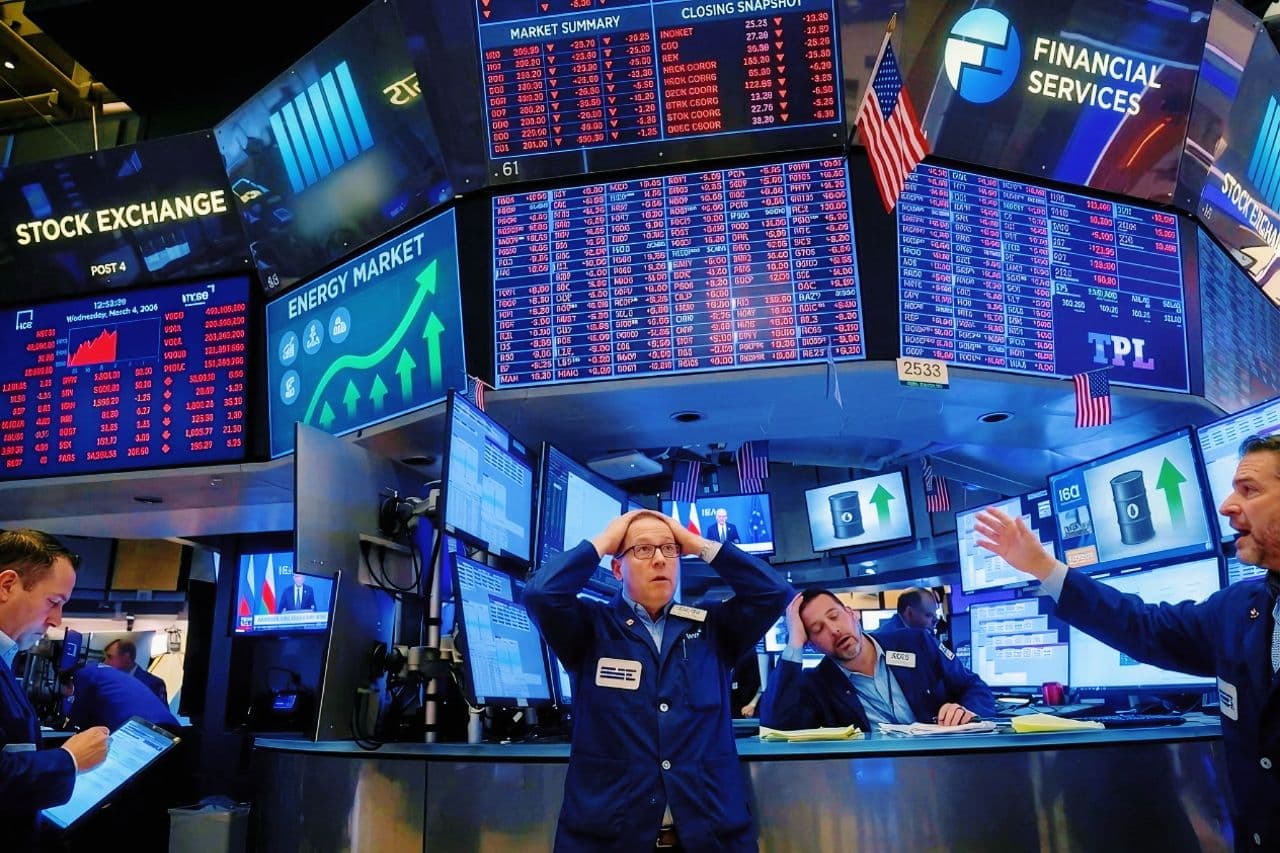
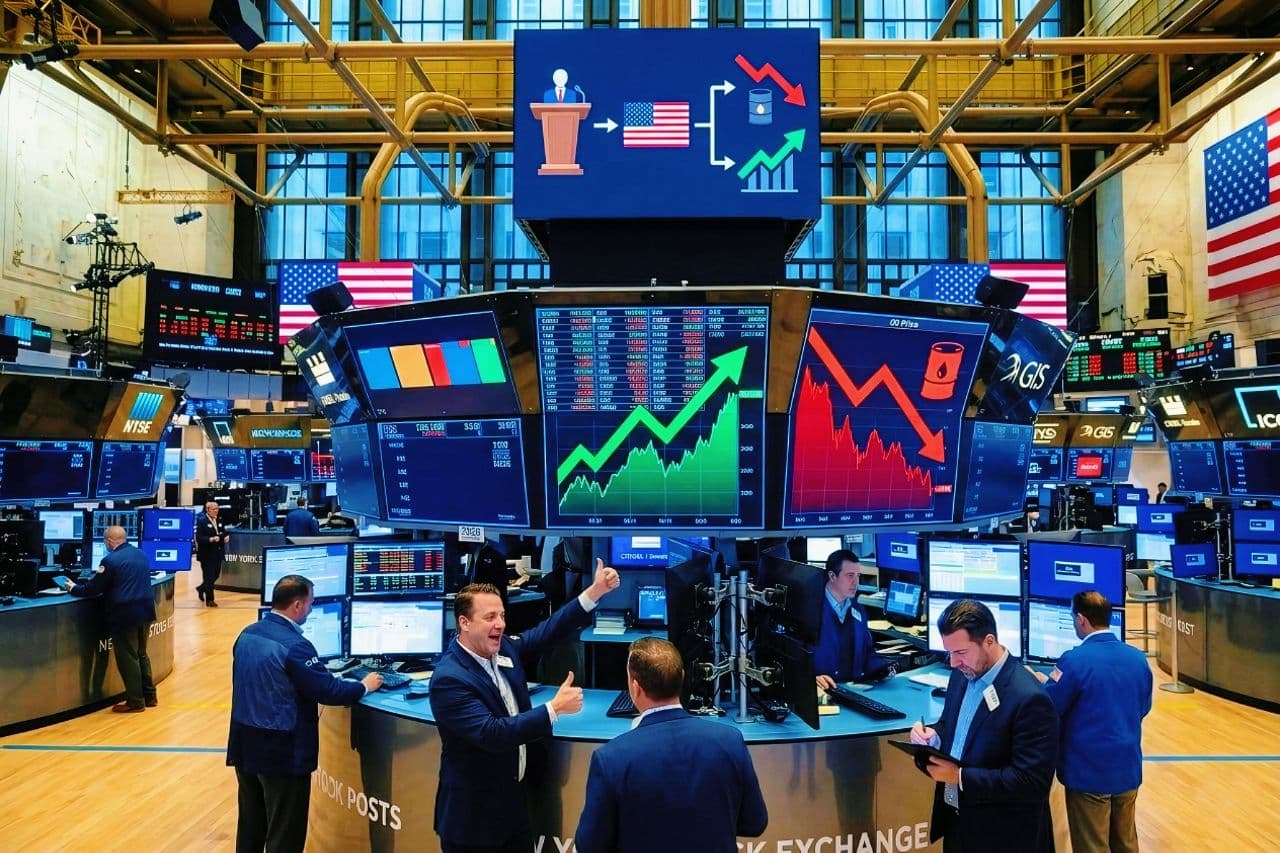
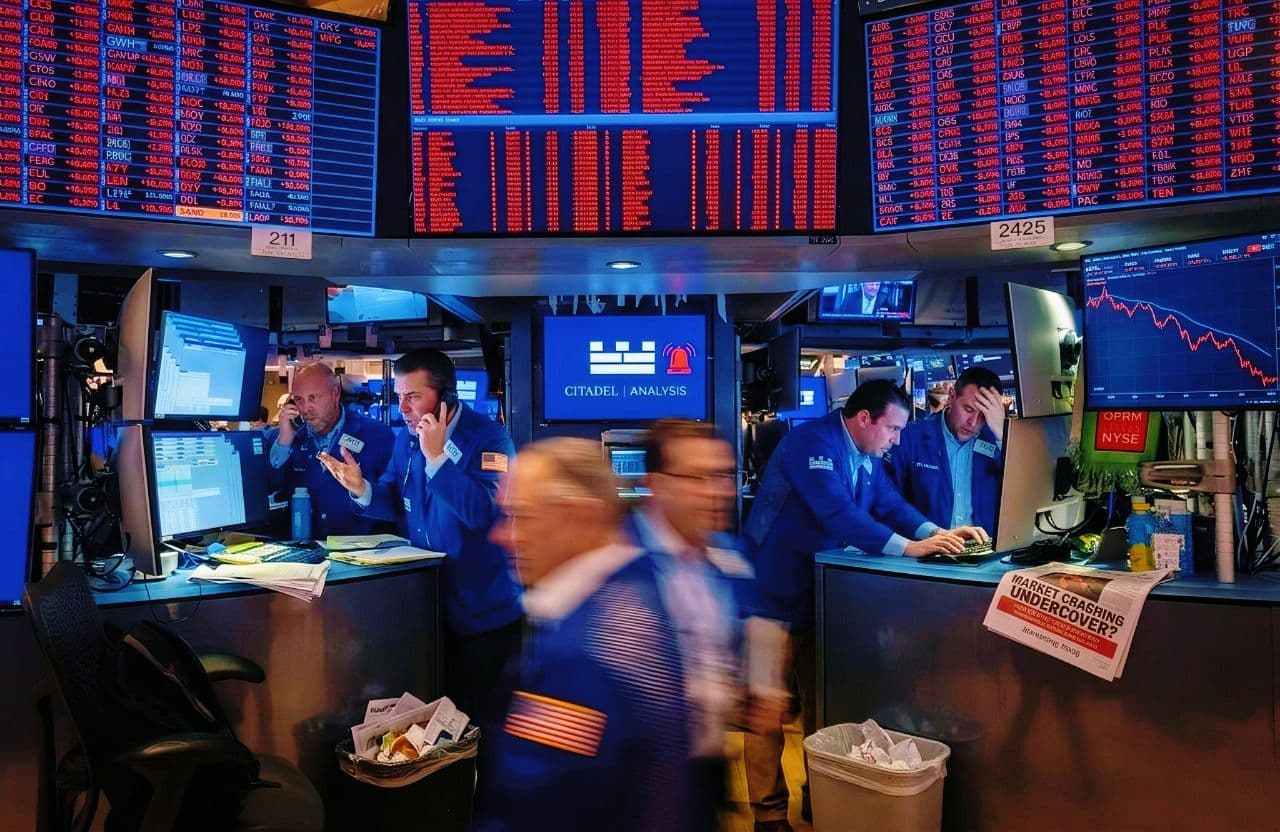
- Major U.S. indexes tumbled after the February jobs report came in far worse than expected. The Dow Jones Industrial Average dropped 500 points, while oil prices surged to $90 a barrel, adding fresh inflation pressure to an already fragile economic backdrop.
- The disappointing employment data, which showed 92,000 jobs lost, rattled investor confidence and fueled concerns about slowing growth. Traders quickly adjusted expectations for Federal Reserve policy, betting on earlier rate cuts to counter rising unemployment and weakening demand.
- The combination of a weak labor market and higher energy costs created a volatile mix for Wall Street. Analysts warned that the downturn could signal broader economic weakness, with stagflation risks looming as inflationary pressures collide with slowing job creation.
- Markets are now bracing for the Fed’s next move. While officials are expected to hold rates steady at their upcoming meeting, the jobs shock and oil spike have intensified debate over whether rate cuts will be needed sooner to stabilize growth.
Key Takeaways
Stock Market Falls as Jobs Shock and Oil Surge Hit
Major U.S. indexes retreated Friday after employers unexpectedly cut 92,000 jobs in February and oil futures soared above $90 a barrel. The Nasdaq fell 1.7%, the S&P 500 dropped 1.3%, and the Dow Jones Industrial Average shed nearly 500 points after retreating as much as 950 earlier. The losses put all three indexes on pace to close lower for the week, with the Dow set to snap a 10‑week winning streak.
The Bureau of Labor Statistics reported the surprise job losses alongside a rise in unemployment to 4.4%, defying forecasts for a 50,000 job gain and a steady rate. Treasury yields held near 4.14%, little changed from Thursday, but up from 3.95% last week, reflecting ongoing pressure in credit markets.
Oil prices surged after Iran claimed to have attacked a tanker in the Strait of Hormuz. West Texas Intermediate crude futures spiked as high as $92.61 a barrel, their highest since September 2023, and were up nearly 35% for the week the biggest weekly gain since Russia’s invasion of Ukraine in 2022. The escalation, combined with President Trump’s hardline comments on Iran, fueled fears of prolonged supply disruptions.
Safe‑haven assets rallied, with gold futures climbing 1.8% to $5,170 an ounce and silver up 3% to $84.75. The U.S. Dollar Index slipped 0.3% to 98.98, while Bitcoin traded around $68,200 after swinging sharply earlier in the week. Shares of the Magnificent Seven tech giants all fell, though Marvell Technology surged 19% post‑earnings, Gap dropped 15%, and Costco rose 1.5%.






Boeing shares jumped nearly 4% Friday, making it the best performer in the Dow Jones Industrial Average, after reports surfaced that the company is close to securing one of the largest aircraft sales in its history. Bloomberg reported that Boeing is nearing a deal with China for 500 737 Max planes, expected to be unveiled during President Donald Trump’s upcoming state visit to Beijing from March 31 to April 2.
The report also noted that discussions are underway for a widebody sale, including about 100 Boeing 787 Dreamliner and 777X jets, which would further strengthen Boeing’s position in the global aviation market.
Despite Boeing’s rally, the broader market struggled. The Dow was down about 550 points, or 1.1%, in the final half hour of trading, reflecting investor concerns over weak jobs data and surging oil prices. Boeing’s gains stood out, as no other Dow component rose more than 0.5%.
The potential China deal represents a major milestone for Boeing, signaling renewed demand for its aircraft amid geopolitical tensions and trade uncertainty. If finalized, the order would provide a significant boost to Boeing’s revenue outlook and reinforce its competitive edge against Airbus in the global aviation sector.






Gas Prices Surge Amid Middle East Conflict
Drivers are facing higher costs at the pump after gas prices jumped sharply this week, fueled by escalating conflict in the Middle East. The average price of a gallon of regular gasoline now stands at $3.32, according to AAA an increase of about 11% from last week, just before U.S. and Israeli strikes on Iran triggered broader fighting in the region.
Economists warn the pain isn’t over. Wholesale gasoline prices, which typically lead retail prices by about two weeks, suggest that consumers will see even higher costs soon. “Gasoline prices are going to keep going up in the U.S.,” said Ryan Sweet of Oxford Economics, noting that households should brace for more pressure at the pump in the coming weeks.
The conflict has already disrupted tanker traffic through the Strait of Hormuz, a critical global oil supply route. President Donald Trump has insisted that only “unconditional surrender” from Iran will end the war, raising fears that the fighting could last far longer than initially expected. A prolonged conflict would continue to push fuel prices higher, adding strain to household budgets and inflationary pressures across the economy.
With oil futures surging above $90 a barrel and supply risks mounting, analysts caution that gas prices could remain elevated for an extended period. The ripple effects are likely to weigh on consumer spending and complicate the Federal Reserve’s policy decisions as it balances inflation risks against slowing job growth.






Gas Prices Spike Nationwide as Iran War Escalates
Oil prices have surged on fears of supply disruptions from the Iran war, and the impact is hitting drivers fast. The national average for regular gasoline jumped 34 cents in just five days, climbing from $2.98 on Sunday to $3.32 by Friday, according to AAA.
Prices broke above the $3.00 mark on Monday after holding below that level for 13 straight weeks the longest stretch under $3 since 2021. Since then, the average has risen daily as the Middle East conflict intensifies and crude oil rallies.
Because gasoline prices closely track crude, the surge in energy markets has quickly filtered through to consumers. Analysts warn that if the conflict drags on, supply risks will keep pushing pump prices higher, with some states already seeing costs near $5 per gallon while others remain closer to $2.87.
The escalation underscores how geopolitical tensions can ripple through global markets and directly impact household budgets. With oil futures climbing and tanker traffic disrupted, drivers should brace for more volatility at the pump in the weeks ahead.






Retail Sales Dip From Winter Storms, But Tax Refunds Could Revive Spending
Snowy weather slowed shoppers in January, leading to a 0.2% decline in U.S. retail sales, according to delayed Census Bureau data. Economists noted that the drop was less severe than expected, suggesting the underlying pace of consumer spending remains resilient despite the temporary setback.
The stall was largely attributed to harsh winter conditions across the country, which kept many consumers at home and away from stores. Analysts emphasized that without the weather impact, sales would have been stronger, pointing to a solid foundation for retail activity.
Looking ahead, economists expect spending to rebound as households receive tax refunds later this year. These refunds typically provide a boost to disposable income, encouraging purchases and helping retailers recover from seasonal weakness.
Nationwide Senior Economist Ben Ayers highlighted that the data shows consumer demand is intact, with January’s slowdown more of a weather‑driven pause than a sign of deeper weakness. The expectation is that shoppers will return as conditions improve and financial inflows from refunds support renewed activity.






Defensive Investors Eye Costco Gains
Costco Wholesale’s latest earnings beat expectations, with the retailer reporting $4.58 per share in its fiscal second quarter on revenue of $69.6 billion, topping analyst forecasts. The strong results gave Costco stock a lift, rising about 1% in Friday trading despite a weak broader market.
Over the past year, Costco shares have been relatively flat, even as the company consistently delivered solid performance. Analysts note that defensive investors those seeking stability in consumer‑focused stocks have increasingly turned to Costco, helping fuel a 15% rally to start 2026.
The appeal lies in Costco’s reputation for resilience during uncertain economic conditions. With inflation pressures and market volatility weighing on growth stocks, investors see Costco’s steady earnings and loyal customer base as a safe haven.
Some experts believe this defensive positioning could push Costco shares back toward record highs. If consumer demand remains strong and investors continue to favor stability, Costco may benefit from renewed momentum in the months ahead.






Day One Biopharma Stock Skyrockets on $2.5B Servier Deal
Day One Biopharmaceuticals shares surged Friday after France’s Servier announced it will acquire the company for about $2.5 billion. The deal values Day One at $21.50 per share in cash, a 68% premium to Thursday’s closing price, sending the stock up nearly two‑thirds in afternoon trading.
Servier said the acquisition strengthens its pipeline in rare oncology, positioning it as a leader in pediatric low‑grade glioma while expanding programs targeting adult and pediatric cancers with high unmet needs. The transaction is expected to close in the second quarter of 2026.
Day One shares have already soared more than 125% year‑to‑date, reflecting investor optimism around its cancer therapies. The deal marks one of Servier’s largest moves to date, underscoring its long‑term commitment to investing in science that addresses rare cancers.
Servier President Olivier Laureau emphasized that combining expertise will accelerate innovation for patients. He described the acquisition as a decisive step toward the company’s 2030 ambition, reinforcing its strategy to expand in oncology and deliver meaningful breakthroughs in treatment.






Dividend Stocks Shine as Safe Haven
Dividend‑paying stocks are back in focus as investors seek stability amid market volatility. The dividend aristocrats S&P 500 companies that have raised payouts annually for at least 25 years delivered a 7% total return in 2026, outperforming the broader index, which has been roughly flat.
This marks a reversal from last year, when the aristocrats returned about 7% compared to the S&P 500’s 18%. Analysts note that while they don’t always lead, dividend stocks tend to provide resilience during periods of heightened uncertainty, making them attractive when sentiment turns risk‑off.
Geopolitical tensions and concerns about AI‑driven disruption have rattled markets early this year, prompting investors to flock to dividend‑paying companies seen as safer, “AI‑proof” plays. Household names like Walmart (WMT), McDonald’s (MCD), and Clorox (CLX) have all outperformed the broader market in recent weeks, reinforcing the appeal of steady income streams.
Wolfe Research analysts described dividend aristocrats as their “favorite dividend strategy in periods of market turmoil,” noting that the group has historically outperformed across market cycles especially during downturns. For investors, dividend stocks have proven to be a “nice place to hide” in 2026.






Marvell Stock Soars on AI-Driven Growth
Marvell Technology shares surged more than 16% Friday, defying broader market weakness, after the semiconductor company posted earnings that beat expectations and raised its sales outlook on booming AI demand. The rally pulled Marvell back into positive territory for the year, underscoring investor enthusiasm for chipmakers tied to artificial intelligence.
The company reported adjusted earnings of $0.80 per share on revenue of $2.22 billion, a 22% year‑over‑year increase and a record for the firm. Both figures topped analyst estimates, driven by strong AI‑related orders that continue to reshape the semiconductor landscape.
CEO Matt Murphy told investors that Marvell expects revenue to grow more than 30% this year to nearly $11 billion, well above the $9.5 billion projection shared last September. The company also lifted its fiscal 2028 forecast to $15 billion, up $2 billion from its prior outlook, signaling confidence in long‑term demand.
The upbeat guidance highlights how AI adoption is fueling growth across the chip sector. With Marvell’s technology positioned at the center of data infrastructure and cloud computing, analysts see the company as a key beneficiary of the AI boom, driving both near‑term momentum and long‑term expansion.






Energy Stocks Stand Out as Market Weakens
For the second straight day, the S&P 500 Energy Sector was the only one of the 11 tracked industries to trade in positive territory, rising 0.4% even as the broader market fell. Energy shares have become a rare bright spot for investors amid heightened volatility.
Seven components of the sector posted gains of at least 1%, with Diamondback Energy (FANG) leading the way at +1.6%. The resilience of energy stocks contrasts sharply with the broader S&P 500, which slipped 1% overall on Friday.
The strength in energy reflects investor confidence in oil‑linked companies as crude prices remain elevated. With geopolitical tensions driving supply concerns, energy stocks are benefiting from a defensive bid while other sectors struggle.
Much like yesterday’s trading session, energy remains the lone outperformer, underscoring its role as a safe haven in a market otherwise pressured by weak jobs data and inflation risks.






U.S. Job Market Shock Sends Stocks Lower
The U.S. economy shed 92,000 jobs in February, marking the weakest month since October and defying forecasts for a gain of 50,000. The unemployment rate ticked up to 4.4%, according to the Bureau of Labor Statistics. Economists had expected stability, but the report confirmed that the labor market is still losing steam after January’s brief rebound.
Markets reacted sharply to the disappointing data. The Dow Jones Industrial Average fell nearly 500 points, while the Nasdaq and S&P 500 also retreated. Oil prices surged above $90 a barrel amid escalating conflict in the Middle East, compounding inflation concerns and weighing further on investor sentiment.
Treasury yields held near 4.14%, reflecting ongoing pressure in credit markets. Meanwhile, safe‑haven assets like gold and silver rallied, while Bitcoin swung lower after recent volatility tied to geopolitical tensions.
The February jobs report was closely watched as a test of whether the labor market was stabilizing. Instead, it underscored fragility, raising the stakes for the Federal Reserve as it balances inflation risks against the need to support growth.






Health Care Jobs Remain the Bright Spot
Even as the broader U.S. labor market weakens, the health care sector continues to drive job growth. In January, the industry added 137,000 jobs, accounting for nearly all of the month’s employment gains while other sectors lost ground. Economists expect this trend to persist, with health care remaining “hale and hearty” in February despite widespread job losses elsewhere.
The Bureau of Labor Statistics report underscores how critical health care has become to overall employment. In fact, 2025’s job growth would have been negative without health care, highlighting the sector’s resilience. With aging demographics, rising demand for medical services, and ongoing investment in hospitals and clinics, economists see health care as the most reliable source of new jobs in the near future.
For students and jobseekers, this means opportunities in nursing, medical technology, and specialized care are likely to expand even as other industries struggle. The sector’s strength has led some analysts to suggest that pursuing health care careers could be one of the most stable paths forward in today’s uncertain economy.






Housing Market "Lock-In" Effect Explained
Normally, higher mortgage rates cool housing demand and push prices down. But after the pandemic, the opposite happened: rates climbed from under 3% to over 7%, and yet home prices kept rising.
A new study from Harvard’s Joint Center for Housing Studies highlights the “lock-in effect.” Millions of homeowners refinanced or bought during the pandemic at historically low rates, giving them a strong incentive not to sell. With fewer homes hitting the market, supply tightened, and prices stayed elevated despite higher borrowing costs.
Renters played a key role too. With limited inventory and rising rents, many tried to buy homes even at higher rates, adding demand pressure. The result was a rare period where both mortgage rates and home prices climbed together.
This dynamic explains why affordability has worsened: homeowners are “locked in” to cheap mortgages, while buyers face fewer options and higher costs. Economists warn that unless rates fall or supply meaningfully increases, the lock‑in effect will continue to price out many would‑be buyers.






Robinhood Launches Early Dividend Program
Robinhood is shaking up Wall Street norms with its new “Early Dividends” program, set to roll out in April. The initiative will allow investors to access dividend payments after a stock’s record date, rather than waiting until the traditional payment date used by most brokerages.
On average, this means dividends will be available about 17 days earlier, with some payouts arriving nearly a month ahead of schedule. Robinhood says it is the first and only platform to offer this accelerated timeline, a move designed to benefit investors who rely on steady dividend income.
The program applies to eligible dividend‑paying stocks and could make Robinhood more attractive to income‑focused investors. By breaking from industry practice, the company is positioning itself as an innovator in retail investing, offering users faster access to cash flow in volatile markets.






Oil Surge Sparks Market Anxiety
Stocks tumbled Thursday as oil prices surged to levels not seen since 2024, rattling investors already on edge from geopolitical tensions. The Dow Jones Industrial Average dropped nearly 800 points, while the Nasdaq and S&P 500 also finished lower.
The spike in Brent crude driven by disruptions in the Strait of Hormuz amid escalating conflict in the Middle East has raised fears of a supply shock that could fuel inflation and weigh on global growth. Energy stocks were among the few gainers, but most sectors sold off as investors shifted away from risk.
Analysts warn that prolonged disruptions could have far‑reaching effects. As BCA Research noted, “Iran doesn’t need to sink a single U.S. warship. It could inflict much more damage by sinking the U.S. stock and bond markets by disrupting shipping, trade, and oil tankers.”
The surge in oil prices underscores how geopolitical risks can ripple through financial markets, amplifying volatility and reshaping investor sentiment. With crude climbing and inflation concerns intensifying, markets may remain unsettled until signs of stability emerge in the region.






The Bottom Line
- Markets pulled back hard Friday after the U.S. jobs report showed employers unexpectedly cut 92,000 jobs in February, with unemployment rising to 4.4%.
- The Dow dropped nearly 500 points (after being down as much as 950 earlier), while the Nasdaq fell 1.7% and the S&P 500 lost 1.3%.
- Oil futures surged above $90 a barrel after Iran claimed to have attacked a tanker in the Strait of Hormuz, sparking supply fears.
- Safe‑haven assets rallied: gold up 1.8%, silver up 3%, while the U.S. Dollar Index slipped.
- Bitcoin swung lower, trading around $68,200 after recent volatility tied to Middle East tensions.
- Corporate highlights: Marvell Technology soared 19% post‑earnings, Gap fell 15%, and Costco rose 1.5%.
In short: Weak jobs data + surging oil = market stress. Energy and safe‑haven assets are holding up, but equities broadly remain under pressure.