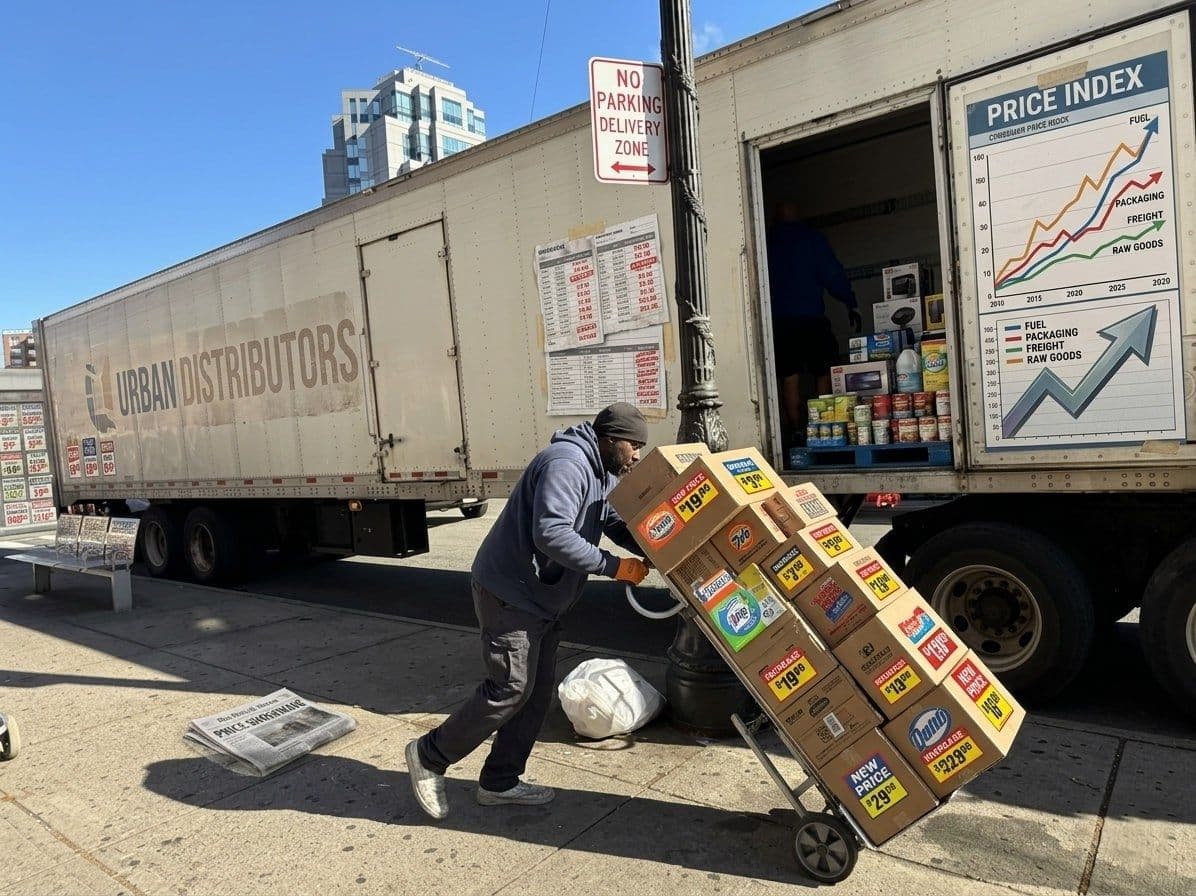
Diesel Price Surge Threatens U.S. Economy – Inflation Risks Ahead
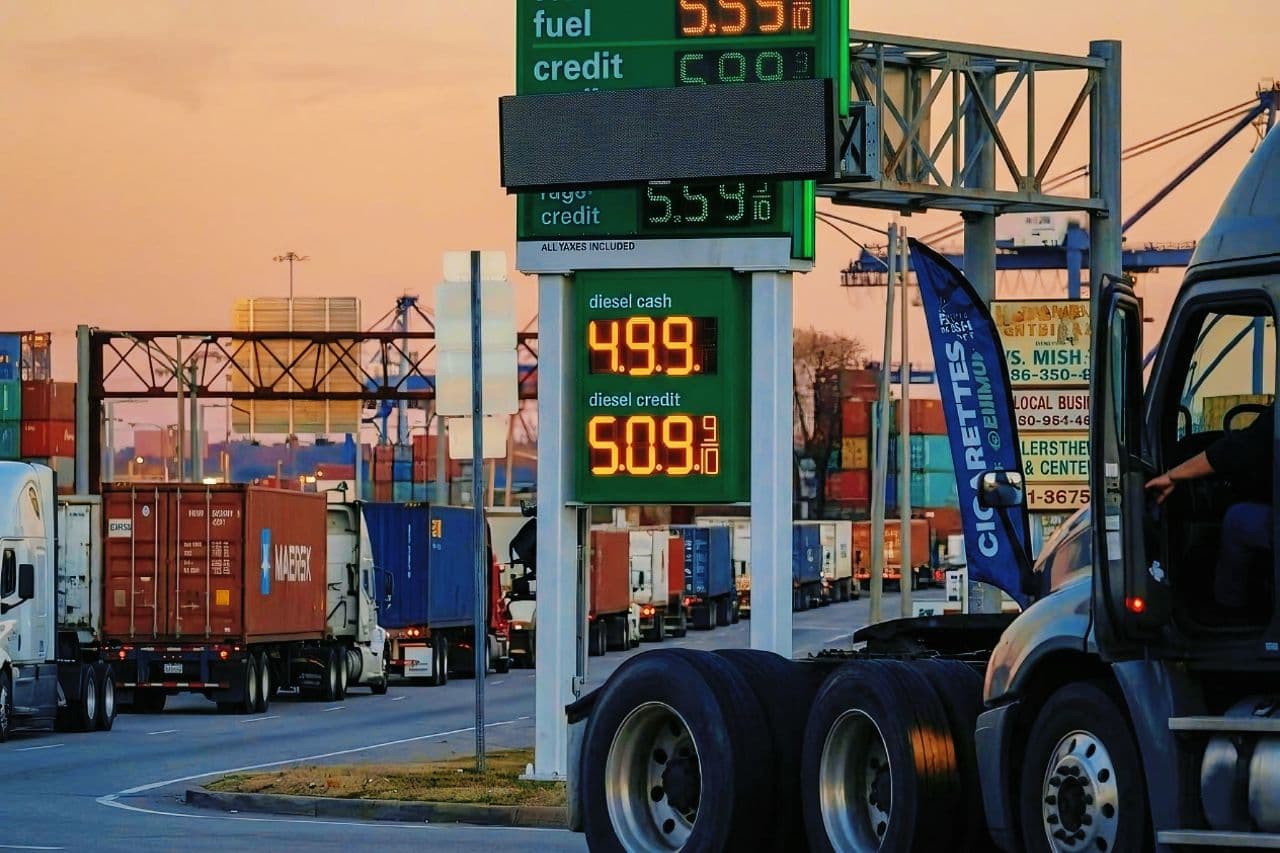
- The war against Iran has driven diesel fuel prices past $5 per gallon, creating ripple effects across the U.S. economy. Since diesel powers trucks, ships, and trains, higher transportation costs are now feeding into nearly every sector, from groceries to manufacturing.
- More expensive fuel means inflationary pressures are intensifying. Economists warn that rising diesel costs could push overall inflation to its highest levels in years, undermining earlier hopes for economic stability. The impact is especially severe because diesel was already in shorter supply before the war, amplifying the surge compared to gasoline.
- This shortage-driven spike highlights how vulnerable supply chains are to geopolitical shocks. With diesel fueling the backbone of logistics, higher costs are quickly translating into more expensive goods and services for consumers.
- Diesel’s surge is not just an energy issue it’s an inflation driver. As long as prices remain elevated, the U.S. economy faces mounting risks of slower growth, higher costs, and recessionary pressures.
Key Takeaways
Diesel Prices and Inflation
Diesel’s surge past $5 a gallon is more than a trucking issue it’s an economy-wide problem. Because diesel fuels the movement of most goods, higher costs ripple through supply chains, raising prices for groceries, consumer products, and even housing-related expenses.
The war against Iran has amplified an already tight diesel market, making the spike sharper than gasoline’s increase. Economists now expect inflation to climb, with the Consumer Price Index potentially jumping to 4.4% from 2.4% in February. Kathy Bostjancic of Nationwide noted that “the spike in diesel fuel prices will feed into higher transportation costs and could lift price pressures across the supply chain.”
Diesel’s surge is a hidden driver of inflation. Even if you don’t fill up with diesel, you’ll feel its impact in higher prices across nearly everything you buy.
What Higher Diesel Prices Mean for the Economy
Diesel fuel soaring past $5 per gallon is more than just a transportation issue it’s a direct threat to the broader economy. Because diesel powers trucks, trains, buses, ships, and farm equipment, higher costs ripple through nearly every sector. From food production to construction to retail, businesses face rising expenses that are quickly passed on to consumers.
Economists warn this creates a double-whammy effect:
- Inflation pressures intensify as transportation and production costs rise.
- Economic growth slows as households and businesses cut back spending.
This combination known as stagflation is particularly dangerous because it erodes purchasing power while stalling growth. The last time the U.S. faced stagflation was in the 1970s, driven by oil shocks, and the current diesel surge carries similar risks.
Diesel’s spike is not just an energy story it’s an inflation driver that could reshape the economic outlook. If prices remain elevated, expect higher costs across food, housing, and consumer goods, with recession risks rising the longer the war in Iran disrupts supply.
Diesel Prices and Economic Ripple Effects
Diesel’s surge past $5 per gallon is hitting far more than tractor-trailers. Trains, buses, construction vehicles, and farm machinery all depend on diesel, meaning higher costs ripple through mass transit, building projects, and food production. Farmers planting and harvesting with diesel-powered equipment and delivering crops on diesel trucks will pass those costs along, just as they did in 2022 when fuel spikes drove potato prices up 8.8% and apples up 2.1%.
Diesel prices are rising faster than gasoline because supply was already tight before the war in Iran disrupted traffic through the Strait of Hormuz. Global demand from China, India, and Europe, combined with the higher cost of producing cleaner, low-sulfur diesel, has amplified the surge.
Diesel’s spike is a hidden inflation driver. Even if you don’t fill up with diesel, you’ll feel its impact in higher food, transit, and construction costs. With 20% of the world’s oil supply disrupted, the longer the war drags on, the more entrenched these price pressures will become.
Diesel’s Surge and Economic Fallout
Diesel today is not the same fuel it was decades ago. Modern diesel is far cleaner, with dramatically less sulfur, but also more expensive to refine. That makes it especially vulnerable to supply shocks like the Iran war, which has disrupted traffic through the Strait of Hormuz and cut off about 20% of the world’s oil supply.
Because diesel powers trucks, trains, buses, ships, construction equipment, and farm machinery, its surge past $5 per gallon is among the most important economic impacts of the conflict. Rising costs ripple through mass transit, building projects, and food production, ultimately landing on consumers in the form of higher prices.
Economists warn that diesel will be the product most reflective of global supply stress in this period. If Iran continues to block shipping, the longer the war drags on, the more entrenched inflationary pressures will become.
Diesel’s spike is a hidden inflation engine. Even if you don’t buy diesel directly, you’ll pay for it in higher food, housing, and consumer goods costs. Its trajectory will be one of the clearest signals of how deeply the Iran war reshapes the global economy.
The Bottom Line
Diesel’s surge past $5 a gallon is emerging as one of the most significant economic consequences of the Iran war. Unlike gasoline, diesel fuels the backbone of the economy trucks, trains, buses, ships, construction equipment, and farm machinery. That means higher diesel costs ripple through supply chains, raising prices for food, housing, and consumer goods.
Because diesel was already in short supply before the conflict, its spike has been sharper than gasoline’s. Global demand from China, India, and Europe, combined with the higher cost of producing cleaner, low-sulfur diesel, has amplified the surge.
Diesel is the inflation driver to watch. Even if you don’t buy diesel directly, you’ll feel its impact everywhere from grocery bills to construction costs. The longer the Strait of Hormuz remains disrupted, the more entrenched these price pressures will become, increasing the risk of stagflation and recession.
Related Articles

Iran War March 2026: Rising Costs for Americans
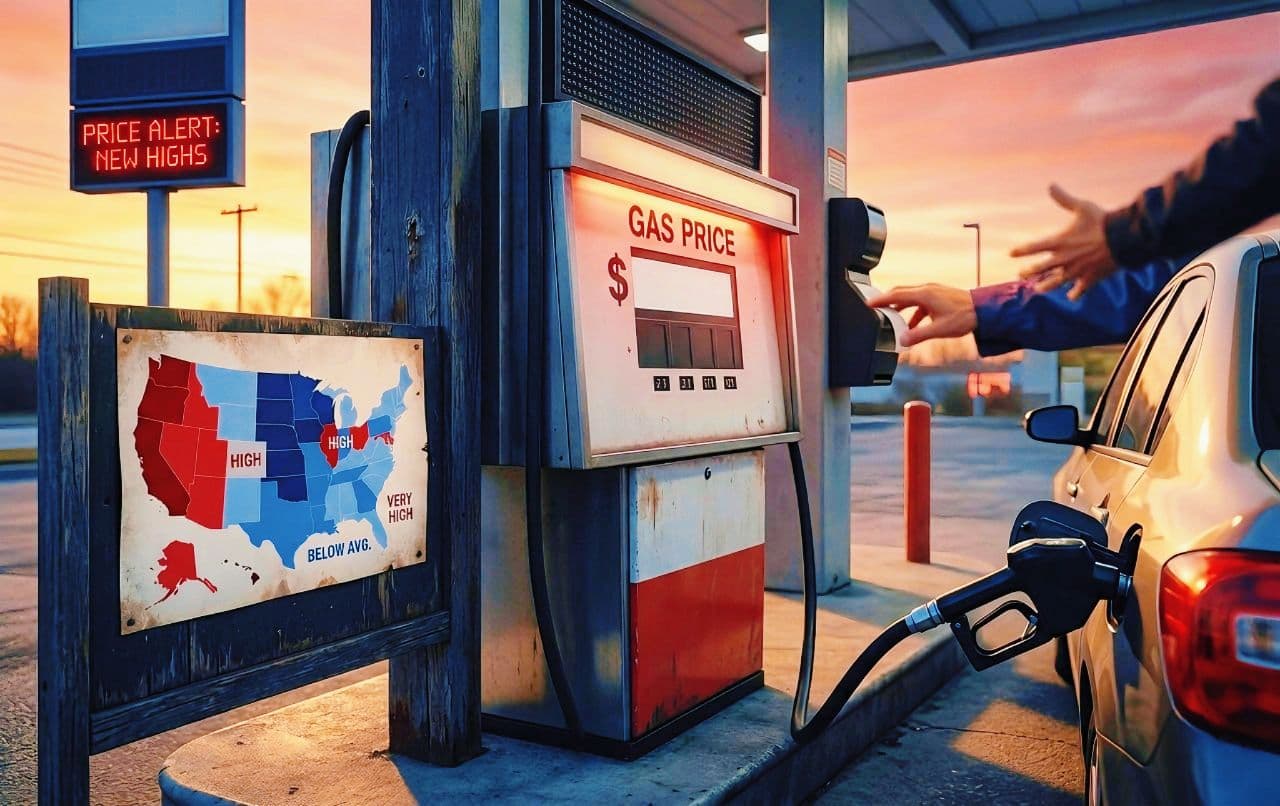
Gas Prices March 2026: Highest Since 2022 — State-by-State Pump Costs

March 2026 Market Outlook: Jobs Report, Retail Sales, Trade Balance, and Earnings from Nike & Conagra

Bitcoin Price Forecast 2026: Crypto Market Bottom and Recovery Trends

Iran War’s Impact on Your Finances

Gold Price Sell-Off: Investment Market Trends

Fed Policy Meeting Begins – Inflation and Rate Outlook
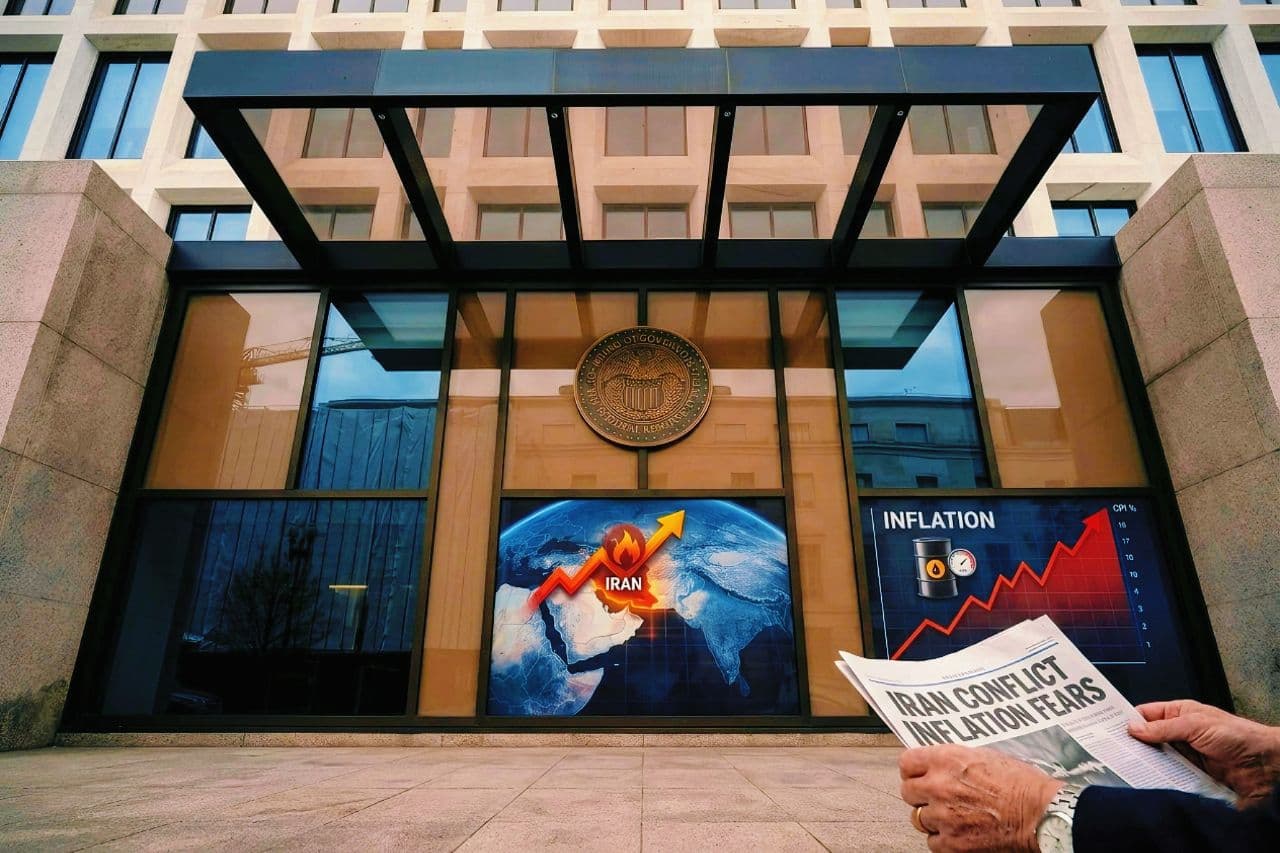
Iran War Fuels Inflation Fears – Fed Rate Hike Looms
Iran War Timeline and Economic Impact – What Investors Need to Know

Wall Street Insider Warns of 2008-Style Market Crash – Investor Alert

Bitcoin Investment Surges During Iran War – Safe Haven Asset Outshines Gold