Iran War’s Impact on Your Finances

- Gas and diesel prices have surged since the Iran war began, but those increases are only the most visible strain on household budgets. Rising grocery bills, higher airfares, and climbing mortgage rates are all part of the broader financial fallout. The Strait of Hormuz, a critical chokepoint for oil, natural gas, fertilizer, and pharmaceutical supply chains, has amplified the economic reach of the conflict far beyond the gas station.
- The strikes on the world’s largest natural gas field mark a new phase of the war, with consequences that extend directly to utility bills. As energy supply chains tighten, Americans are facing higher costs not only at the pump but also in heating and electricity. This ripple effect underscores how deeply global conflicts can penetrate everyday expenses.
- Groceries and consumer goods are also under pressure. Fertilizer shortages threaten crop yields, while packaging and pharmaceutical supply chains are disrupted. These challenges mean that food prices, prescription costs, and even electronics could rise in the coming months. The war’s impact is not isolated it touches nearly every corner of the economy.
Key Takeaways
Iran War Inflation Shock: Rising Costs for Americans
Many Americans are feeling the financial strain of the Iran war most visibly at their local gas stations. Prices for regular unleaded gas have jumped more than 27% on average since the conflict began on February 28, but the impact extends far beyond the cost of a fill-up. U.S. and Israeli airstrikes that closed the Strait of Hormuz to commercial traffic have disrupted global supply chains, pushing costs higher across multiple sectors.
The Federal Reserve has already warned that the war will drive inflation higher. Chair Jerome Powell noted that the conflict’s ripple effects are expected to raise consumer prices broadly, while a Nationwide analysis projected inflation could climb to 4.4% in the coming months, up from 2.4% in February. This sharp increase underscores how geopolitical instability can quickly translate into higher living costs for households.
Beyond fuel, Americans are seeing rising grocery bills, more expensive airfares, and higher mortgage rates. The Strait of Hormuz is a chokepoint not only for oil but also for natural gas, fertilizer, and pharmaceuticals, meaning the war’s financial reach touches everything from food production to healthcare. Strikes on the world’s largest natural gas field mark a new phase of the conflict, with consequences that will show up in utility bills and beyond.
Why the Iran War’s Costs Hit Home
The financial impact of the Iran war extends far beyond the gas pump. While rising fuel prices are the most visible strain, the Strait of Hormuz is a critical artery for global trade. Fertilizer for food production, petrochemicals for packaging, and pharmaceutical inputs all flow through this chokepoint. With commercial traffic disrupted, costs across these essential sectors are climbing, and households are beginning to feel the ripple effects in everyday expenses.
This matters because inflation is not confined to energy. Higher fertilizer costs translate into more expensive groceries, while petrochemical shortages drive up packaging and shipping prices. Pharmaceutical supply chain disruptions mean prescription drugs could become costlier, adding pressure to healthcare budgets. These interconnected effects highlight how a regional conflict can quickly escalate into a global economic burden.
The Federal Reserve has already warned that inflation will rise as a result of the war. Analysts project consumer prices could climb significantly in the coming months, compounding the challenges families face. From utility bills to food costs, the war’s reach is broad, reshaping the financial landscape for millions of Americans.
Rising Fuel Costs Ripple Across the Economy
Prices at the pump are only the beginning of the financial strain caused by the Iran war. West Texas Intermediate crude oil, the U.S. benchmark, has surged 45% since the conflict began, driving the national average for regular gasoline up to $3.88 per gallon a 95-cent increase in just a month, according to AAA. Before hostilities, the average had been below $3, underscoring how quickly geopolitical instability can reshape consumer costs.
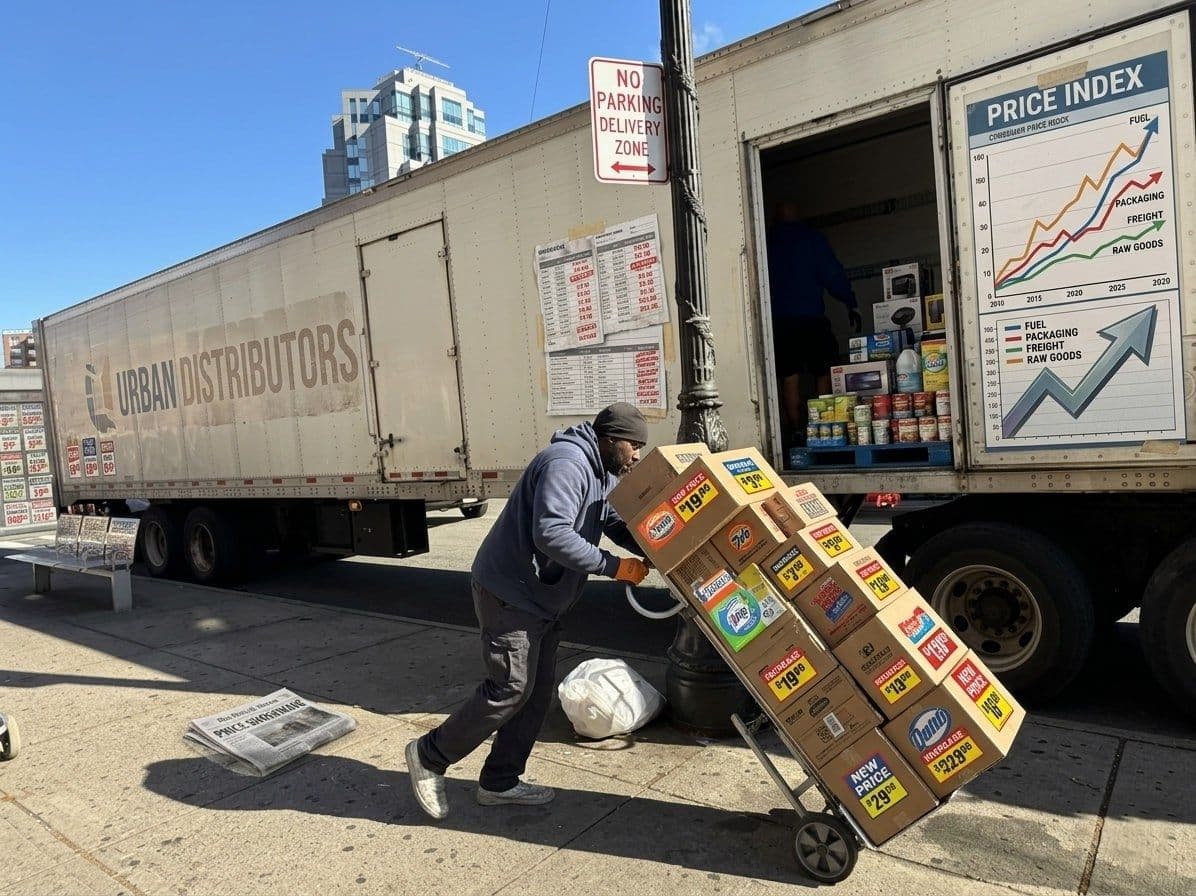
Diesel prices have spiked even more dramatically, climbing to $5.10 per gallon, up $1.42 from a month ago. While most Americans don’t drive diesel-powered vehicles, nearly everything they purchase from groceries to household goods arrives on a diesel truck. This surge threatens to push prices higher across the supply chain, with retailers likely to pass along those additional costs to consumers.
Air travel is also feeling the squeeze. Jet fuel has jumped more than 76% since the war began, far outpacing crude oil’s rise. The refining premium, known as the crack spread, has increased as much as 400%. Skift Research estimates airlines face $24 billion in additional fuel costs, which could lead to fare hikes of at least 10%. For travelers, this means higher ticket prices and fewer budget-friendly options in the months ahead.
From Farms to Pharmacies to Phones
The financial impact of the Iran war is stretching across industries, from agriculture to healthcare to technology. Rising transportation costs for delivery trucks, cargo planes, and ships are only part of the story. Analysts warn of a looming fertilizer supply shock that could drive grocery prices higher. About one-third of the world’s fertilizer shipments pass through the Strait of Hormuz, and countries near the war zone supply nearly half of global urea exports and 30% of ammonia both critical inputs for farmers just as spring planting begins.
The American Farm Bureau Federation has already raised alarms, warning that U.S. farmers are “underwater” and face serious risks if fertilizer deliveries are disrupted. Without guaranteed supplies, the U.S. could see a shortfall in crops, which would push food prices higher. This scenario highlights how deeply global trade disruptions can affect everyday essentials, from the food on your table to the packaging that protects it.
Pharmaceutical supply chains are also vulnerable. Many of the chemical inputs needed for prescription drugs flow through the same chokepoint, meaning shortages or delays could raise healthcare costs. Technology is not immune either components for electronics and smartphones rely on petrochemical derivatives, and rising costs in these supply chains could make consumer devices more expensive.
Iran War’s Hidden Impact on Prescription Costs
A lesser-known but urgent consequence of the Iran war is its effect on the pharmaceutical supply chain. Roughly 47% of American generic prescriptions are manufactured in India, and those drug makers rely heavily on oil flowing through the Strait of Hormuz to produce petrochemicals used in generic medications. With disruptions in this critical trade route, the risk of shortages is rising.
Generic drugs account for about 90% of U.S. prescriptions, making them the backbone of the healthcare system. While distributors typically carry 30 to 60 days of buffer stock, any prolonged disruption could quickly lead to shortfalls. This means patients could face higher costs or limited access to essential medications if the supply chain remains strained.
Cancer patients relying on biologics face even greater challenges. These drugs require refrigeration throughout transit, and airport closures across the Gulf have eliminated air freight as an alternative route. Without reliable logistics, the availability of life-saving treatments could be compromised, adding urgency to the broader economic and humanitarian impact of the conflict.
Stagflation Risk: Why It Matters
The danger posed by the Iran war isn’t just higher prices it’s the combination of rising costs alongside a slowing economy, a scenario economists call stagflation. This mix of inflation and stagnation is particularly damaging because it erodes purchasing power while limiting growth opportunities. For households, it means paying more for essentials like fuel, food, and medicine, even as wages and job prospects struggle to keep pace.
Stagflation is rare but historically painful. When inflation rises without strong economic activity, central banks face a dilemma: raising interest rates to curb inflation risks slowing the economy further, while keeping rates low risks fueling even higher prices. This balancing act makes policy decisions more complex and leaves consumers caught in the middle.
The Iran war’s disruption of supply chains through the Strait of Hormuz amplifies this risk. Fertilizer shortages threaten food production, petrochemical disruptions raise packaging and pharmaceutical costs, and energy spikes drive utility bills higher. These pressures combine to create a broad-based inflationary environment, while geopolitical instability dampens investment confidence.
The Expanding Economic Fallout
The Iran war’s impact is stretching far beyond fuel and food, reaching into technology, packaging, construction, and even household utilities. More than a quarter of the world’s helium critical for cooling semiconductor manufacturing equipment comes from Qatar and passes through the Strait of Hormuz. A shortage could push smartphone and computer prices higher later this year.
Packaging costs are also at risk. Roughly 85% of the Middle East’s polyethylene, the resin used in most plastic packaging, moves through Hormuz. Supply chain experts warn that shortages could raise prices for packaging, automotive components, and consumer goods. Aluminum, another essential material for electronics and construction, has already surged to a four-year high, with about 20% of global supply coming from the region.
Utility bills are expected to climb as well. More than 40% of U.S. electricity comes from natural gas, and allies scrambling for alternatives to Gulf supply have increased demand for U.S. liquefied natural gas exports. This tightening of domestic supply is expected to push household energy costs higher. The pressure intensified when Israel struck South Pars the world’s largest natural gas field prompting Iran to retaliate against Qatar’s Ras Laffan export complex. These attacks signal broader risks for global energy infrastructure and the prices Americans pay to heat their homes.
The Fed’s Hawkish Shift and Your Wallet
Traders now expect a Federal Reserve rate hike is more likely than a cut, according to the Atlanta Fed’s market probability tracker. Higher rates would ripple through household budgets, pushing up borrowing costs on car loans, credit cards, and new mortgages just as energy and food prices are already climbing.
The war’s impact on Americans’ finances hinges largely on when ships resume sailing through the Strait of Hormuz. Until then, the full bill hasn’t arrived. Economists at Wells Fargo Securities warn that if oil prices hover around $130 a barrel, the U.S. could tip into recession. That scenario combines rising costs with slowing growth, intensifying the risk of stagflation.
The Bottom Line
The Iran war is reshaping the global economy in ways that directly hit American households. From soaring gas and diesel prices to rising grocery bills, airfares, and utility costs, the conflict’s disruption of the Strait of Hormuz has created ripple effects across nearly every sector. Fertilizer shortages threaten food production, pharmaceutical supply chains face risks, and even technology costs could climb as helium and aluminum supplies tighten.
At the same time, the Federal Reserve is signaling a more hawkish stance, with traders now expecting rate hikes instead of cuts. That means higher borrowing costs for mortgages, car loans, and credit cards just as inflation accelerates. Economists warn that if oil prices hover near $130 a barrel, the U.S. could tip into recession, raising the specter of stagflation: rising prices alongside slowing growth.
In short, the war’s financial reach extends far beyond the gas pump. It touches farms, pharmacies, factories, and households, making everyday life more expensive while straining the broader economy.
Related Articles

Iran War March 2026: Rising Costs for Americans

Gas Prices March 2026: Highest Since 2022 — State-by-State Pump Costs

March 2026 Market Outlook: Jobs Report, Retail Sales, Trade Balance, and Earnings from Nike & Conagra

Bitcoin Price Forecast 2026: Crypto Market Bottom and Recovery Trends

Gold Price Sell-Off: Investment Market Trends

Fed Policy Meeting Begins – Inflation and Rate Outlook

Iran War Fuels Inflation Fears – Fed Rate Hike Looms

Diesel Price Surge Threatens U.S. Economy – Inflation Risks Ahead

Iran War Timeline and Economic Impact – What Investors Need to Know

Wall Street Insider Warns of 2008-Style Market Crash – Investor Alert

Bitcoin Investment Surges During Iran War – Safe Haven Asset Outshines Gold