Iran War March 2026: Rising Costs for Americans

- The OECD now projects inflation in the U.S. at 4.2% for 2026, keeping it well above the Federal Reserve’s annual target of 2%. This elevated forecast signals persistent price pressures that will challenge policymakers and households alike.
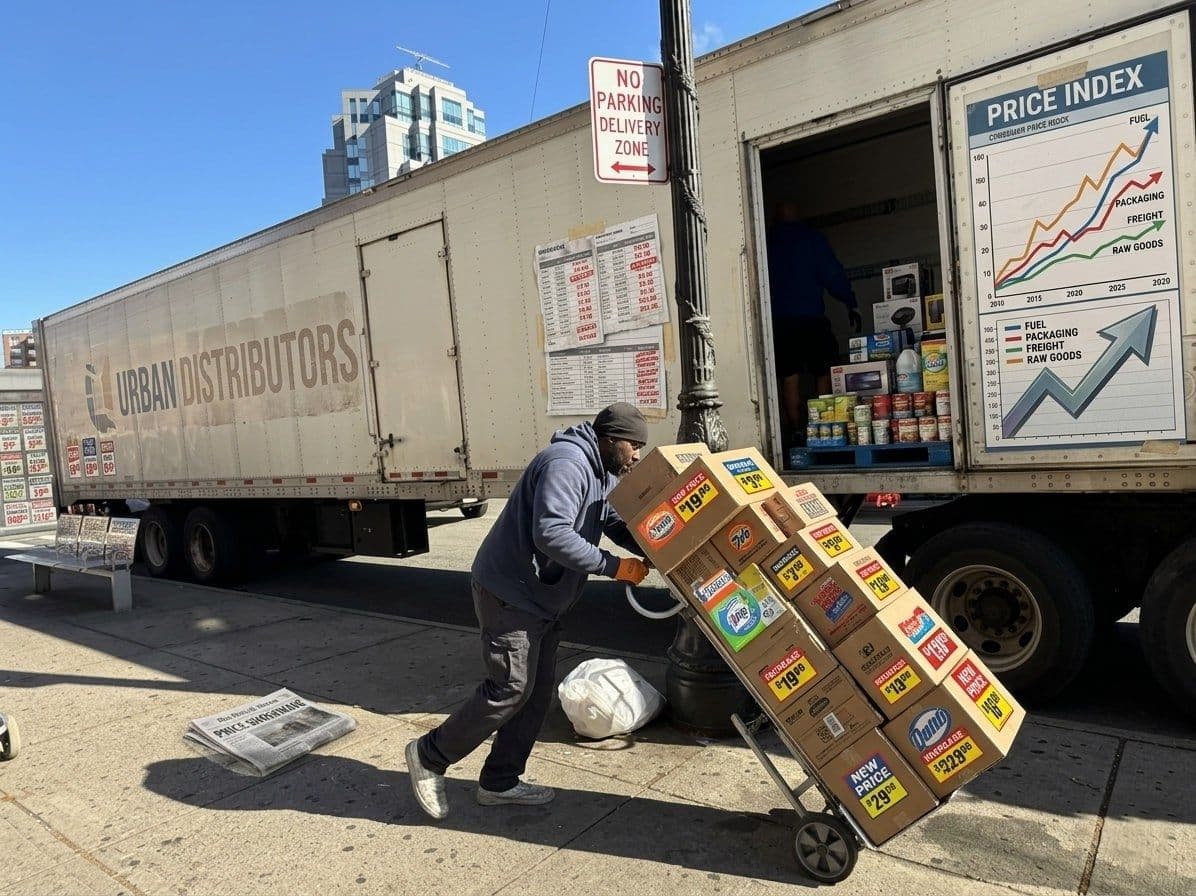
- Gasoline and diesel prices have surged, driving up transportation costs across the country. These increases ripple through supply chains, raising grocery prices and adding strain to household budgets already stretched by higher energy costs.
- Fertilizer shortages and rising input costs are threatening U.S. crop production. With agriculture facing higher expenses, food prices could climb further, amplifying inflationary pressures and reducing consumer purchasing power.
- The combination of elevated fuel costs, supply chain disruptions, and agricultural challenges underscores why inflation remains stubbornly high. For households, this means continued financial strain, while for investors, it highlights the importance of monitoring energy and food markets closely.
Key Takeaways
Iran War March 2026: Rising Costs for Americans
A month ago, analysts could only project what the Iran war might cost the average American. Now the toll is showing up directly in everyday budgets, weighing heavily on consumer sentiment and reshaping inflation expectations.
“Americans are often thinking about [the war’s costs] in terms of the price of gas,” said Layna Mosley, director of the Sovereign Finance Lab at Princeton University. “But the costs are a lot broader than that.” Rising energy prices are filtering into transportation, food, and household expenses, amplifying financial strain.
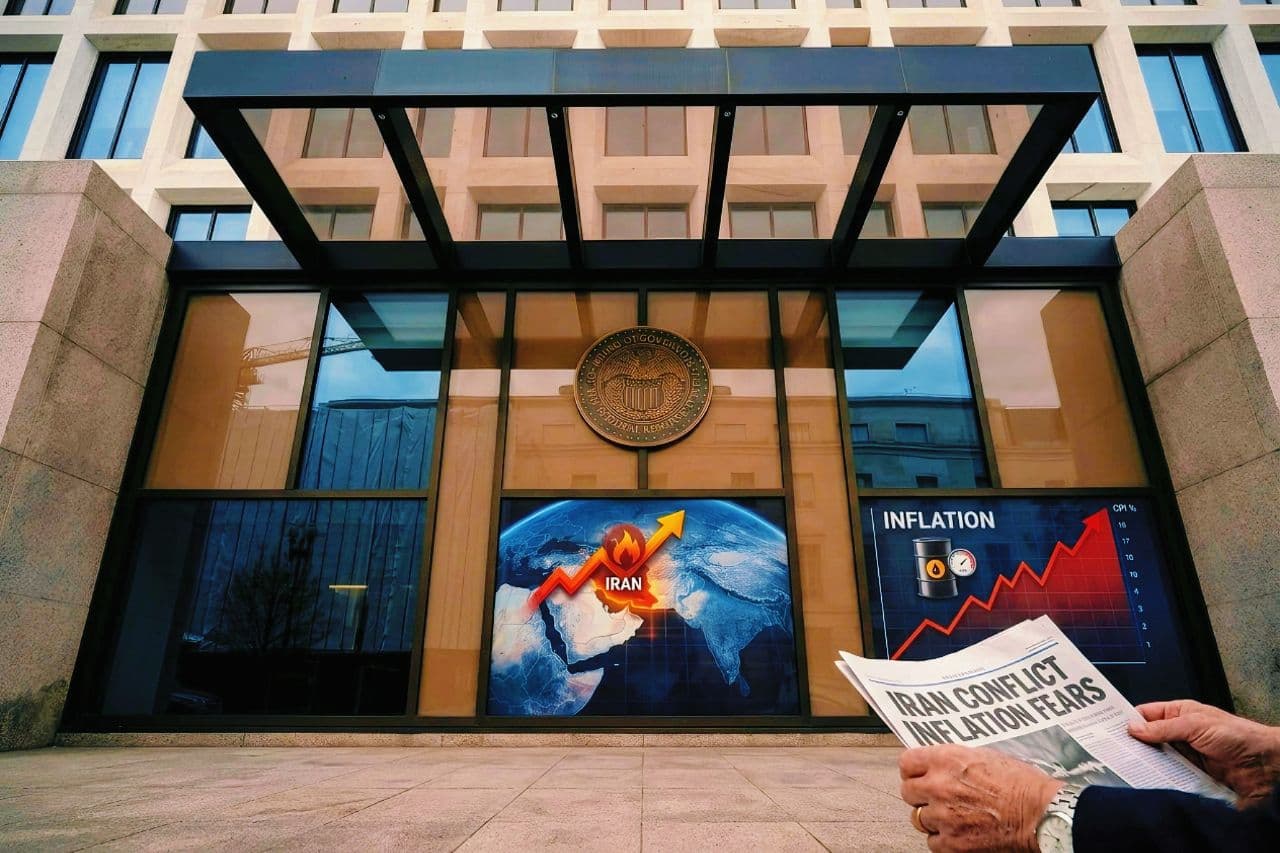
The Organisation for Economic Co-operation and Development last week revised its U.S. inflation forecast upward by 1.2 percentage points, setting the 2026 outlook at 4.2%. That figure is more than double the Federal Reserve’s 2.0% target, reflecting how soaring oil prices are working their way through the economy.
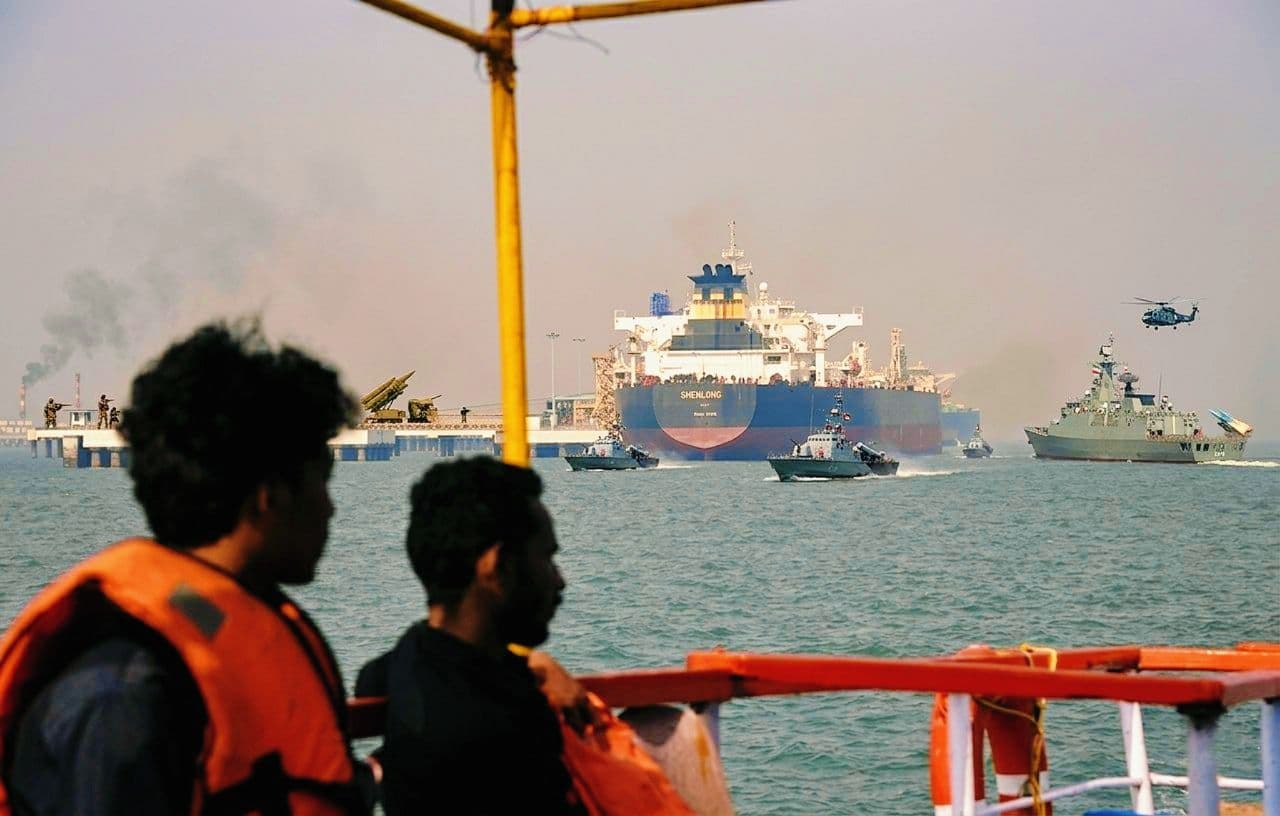
West Texas Intermediate futures surged Monday to close above $100 per barrel for the first time since the war began in late February. With traffic through the Strait of Hormuz effectively halted by Iran, global oil supply has been disrupted, sending fuel prices higher. WTI prices have risen nearly 60% over the period, underscoring the scale of the shock.
Fuel Costs March 2026: War Economy Impact
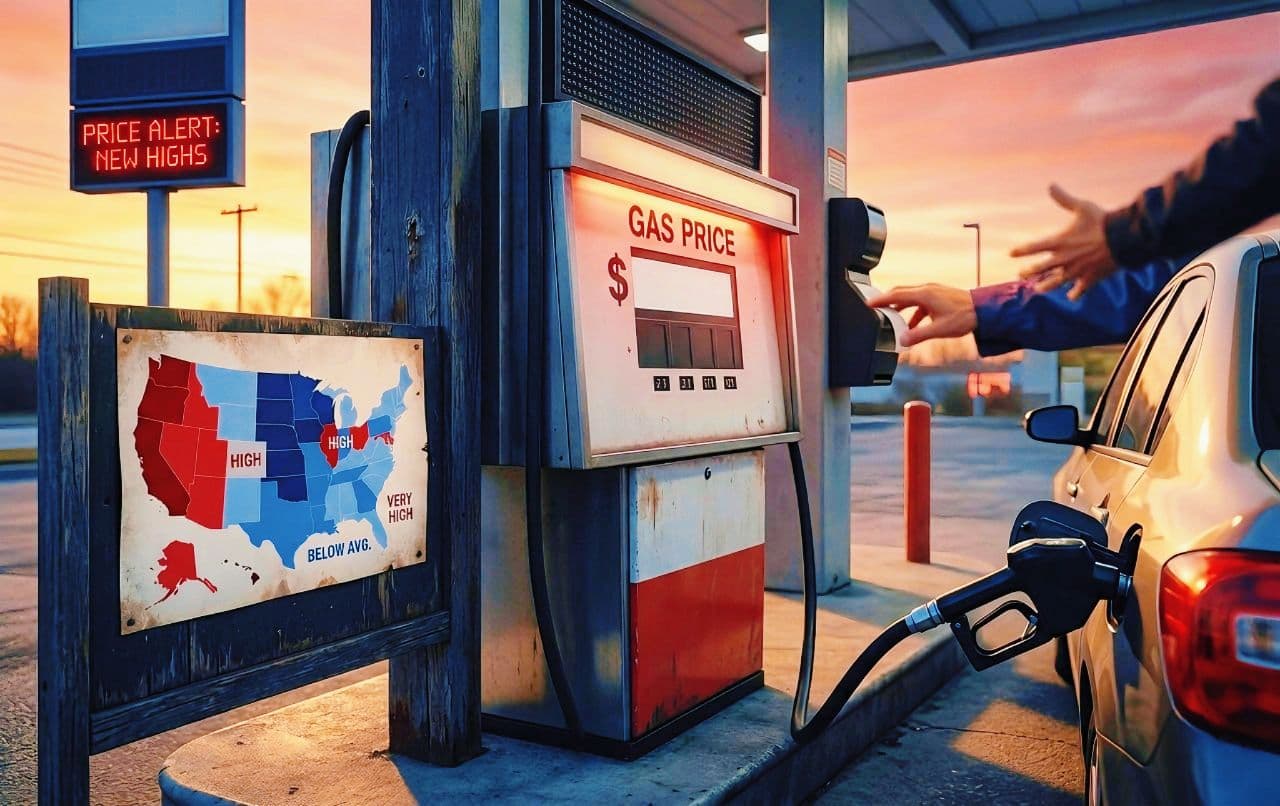
Regular gasoline averaged $3.99 a gallon nationwide Monday, up more than $1 since the start of March, according to AAA. Bank of America’s credit card data showed consumers spent 19% more on gasoline in the week ending March 21 compared to a year earlier, underscoring how quickly household budgets are being strained.
“The effects of the Iran war are being felt differentially,” said Layna Mosley, director of the Sovereign Finance Lab at Princeton University. Lower-income households are hit hardest, as they spend a higher percentage of their paychecks at the pump, magnifying the financial burden.
Higher gas prices are also raising personal shipping costs. FedEx and United Parcel Service have added fuel surcharges since the war began, while the U.S. Postal Service announced plans for its own 8% surcharge. These added costs ripple through everyday transactions, from package deliveries to online shopping.
Rideshare platforms are also adjusting. Uber and Lyft rolled out “relief” programs for drivers facing higher fuel costs, but fares for consumers are expected to rise as a result. This shows how elevated energy prices are reshaping not just household budgets but also the broader service economy.
Iran War March 2026: Why Rising Costs Hit You
The cost of the Iran war isn’t limited to the gas pump. Materials for everything from fertilizer to packaging to pharmaceuticals flow through the Strait of Hormuz, and disruptions there mean prices for most goods and many services are climbing.
This choke point in global trade is critical, and with traffic effectively halted, supply chains are under pressure. That translates into higher costs across industries, from agriculture to healthcare, amplifying inflationary effects already weighing on households.
For consumers, the impact is broad and unavoidable. Rising input costs filter into food prices, shipping fees, and even medical supplies, leaving families with less disposable income and businesses facing tighter margins.
The bottom line is clear: the Iran war is reshaping everyday budgets far beyond fuel. As long as the Strait of Hormuz remains disrupted, Americans will continue to feel the squeeze across multiple sectors of the economy.
Diesel & Jet Fuel March 2026: War Economy Costs
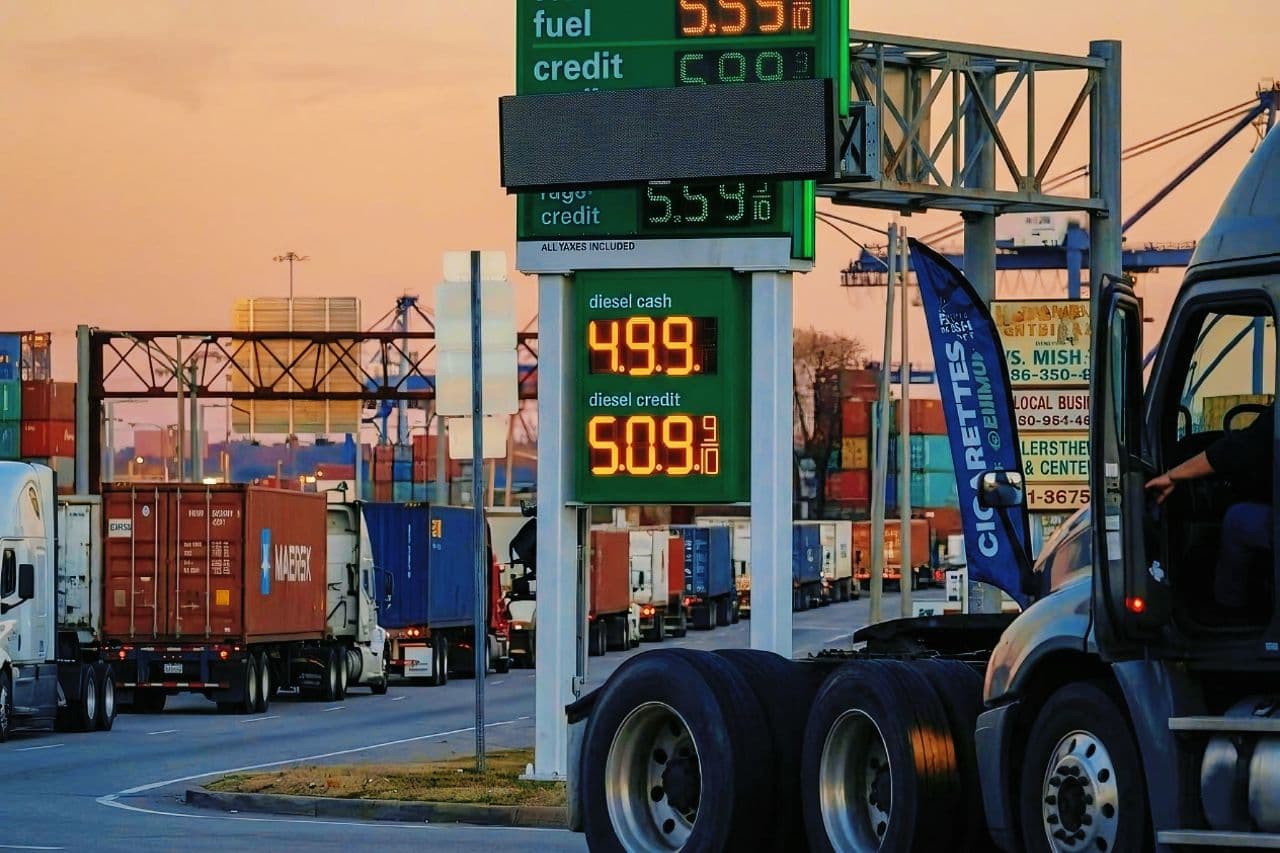
Diesel prices have surged to $5.42 per gallon, up $1.66 in just the past month. Since most goods in the U.S. are transported by diesel trucks, food prices are expected to rise quickly. The same pattern was seen after Russia’s invasion of Ukraine in 2022, when grocery costs followed fuel spikes within weeks. That process is now underway again, amplifying inflationary pressures.
Jet fuel has also soared, jumping roughly 80% since the first strikes. As the second-highest cost for airlines, this spike is hitting carriers hard. United Airlines CEO Scott Kirby told employees that at current prices, the surge would add $11 billion to annual costs more than triple the company’s highest annual profits in recent years.
Consumers are already feeling the impact in airfare. July ticket prices are running about 18% higher than last year, according to flight-deal platform Going. The International Air Transport Association estimates global fares could rise up to 9%, though certain routes, such as those between Europe and Asia, have seen far sharper increases.
The combined effect of higher diesel and jet fuel prices is clear: households face rising grocery bills, businesses absorb higher shipping costs, and travelers pay more for flights. The Iran war’s disruption of oil supply is rippling through every sector, leaving Americans with fewer options to avoid the squeeze.
Fertilizer Shock March 2026: Food Prices Under Pressure
The U.S. Department of Agriculture’s updated March forecast projects food-at-home prices rising 3.1% this year, with a possible range as high as 6.1% depending on economic conditions. Before the Iran war began, USDA had predicted grocery prices would rise 2.5%, already above the pace of the previous two years. Now, the outlook is far more severe.
The expected rise isn’t just about diesel and transportation costs. Fertilizer markets are under severe stress during spring planting season, creating new risks for U.S. agriculture. About a third of globally traded fertilizer flows through the Strait of Hormuz, and that flow has nearly stopped since the conflict began.
Nitrogen fertilizer prices have surged 40% in just weeks, according to Goldman Sachs. Earlier this month, the American Farm Bureau Federation warned the Trump administration that without guaranteed fertilizer deliveries, the U.S. “risks a shortfall in crops.” This warning highlights how critical fertilizer access is to maintaining stable food production.
Goldman estimates higher fertilizer costs alone could lift food prices by about 1.5% this year, before accounting for the broader energy shock rippling through supply chains. Combined with rising diesel and shipping costs, the fertilizer shock is set to amplify inflationary pressures across grocery aisles nationwide.
Pharmaceutical Supply Shock March 2026: Medicine Costs Rising
The war’s reach extends directly to the medicine cabinet. Almost half of U.S. generic prescriptions accounting for about 90% of all drugs dispensed in the country are manufactured in India. That production relies heavily on Gulf petrochemicals, which are now disrupted by the Iran conflict.
With supply chains strained, shortages and price increases are expected for common drugs such as antibiotics, blood pressure medications, and diabetes treatments. These are staples for millions of Americans, meaning the impact will be widespread and immediate.
The Strait of Hormuz plays a critical role in pharmaceutical production, and its disruption has amplified risks across the healthcare sector. As petrochemical flows remain blocked, the cost of raw materials rises, pushing up manufacturing expenses and limiting availability.
For households, this means higher out-of-pocket costs and potential delays in accessing essential medicines. For healthcare providers, it signals tighter margins and increased pressure to secure reliable supply lines. The pharmaceutical shock is another layer of inflationary strain tied directly to the war economy.
Electronics & Utilities March 2026: War Economy Ripple Effects
Electronics prices face a slower-moving but similar threat. Qatar produces about a third of the world’s helium, which is essential for cooling silicon wafers during semiconductor manufacturing. With no viable substitute, chipmakers are likely to absorb the higher costs rather than halt production. That means newer smartphones, laptops, and other consumer electronics will likely cost more as they reach stores later this year.
Helium shortages also affect healthcare, since it’s used to cool MRI magnets. Rising costs here could increase medical expenses, adding another layer of strain on households.
Higher utility bills are expected as well. Natural gas generates more than 40% of U.S. electricity, and with trading partners scrambling for alternatives to Gulf supply, demand for U.S. liquefied natural gas exports has surged. This increased demand is likely to raise heating and electricity bills for American households.
The Iran war’s disruption of critical commodities from helium to natural gas is rippling through both consumer electronics and essential services. The result is higher costs across sectors that touch nearly every aspect of daily life.
Mortgage Rates March 2026: The Reprieve That Wasn’t
Market volatility tied to the Iran war is now pushing mortgage rates higher. The 30-year fixed mortgage rate, which had briefly dipped below 6% earlier this year for the first time since 2022, averaged 6.38% last week, according to Freddie Mac’s weekly survey. That’s up 16 basis points from the prior week. On a $400,000 loan, that increase alone adds more than $40 to the monthly payment.
Higher rates don’t just hit would-be homeowners. As economist Layna Mosley explained, “It certainly is going to put pressure on the U.S. in terms of spending money on debt servicing versus spending money on everything else the U.S. government wants to do.”
That squeeze could make the federal government less willing or less able to cushion an economic downturn with social spending for those most affected by the war’s rising costs. In other words, higher borrowing costs ripple beyond housing, shaping fiscal policy and limiting the government’s flexibility to respond to inflationary shocks.
The Bottom Line
One month into the Iran war, the costs are no longer theoretical they’re showing up in everyday budgets. Gasoline has surged to $3.99 nationwide, diesel is above $5, and jet fuel has jumped nearly 80%, raising shipping, grocery, and airfare costs. Fertilizer shortages threaten crop production, pharmaceuticals face supply risks, and even electronics and utilities are under pressure from disrupted Gulf commodities.
The OECD now projects U.S. inflation at 4.2% in 2026, more than double the Fed’s target, while mortgage rates are climbing again, squeezing both households and government debt servicing.
The war’s disruption of oil, fertilizer, petrochemicals, and natural gas is rippling through every sector of the economy. Americans are paying more at the pump, in the grocery aisle, on utility bills, and even for medicine and electronics. The squeeze is broad, persistent, and likely to intensify as long as the Strait of Hormuz remains blocked.
Related Articles
Gas Prices March 2026: Highest Since 2022 — State-by-State Pump Costs

March 2026 Market Outlook: Jobs Report, Retail Sales, Trade Balance, and Earnings from Nike & Conagra

Bitcoin Price Forecast 2026: Crypto Market Bottom and Recovery Trends

Iran War’s Impact on Your Finances

Gold Price Sell-Off: Investment Market Trends

Fed Policy Meeting Begins – Inflation and Rate Outlook
Iran War Fuels Inflation Fears – Fed Rate Hike Looms
Diesel Price Surge Threatens U.S. Economy – Inflation Risks Ahead
Iran War Timeline and Economic Impact – What Investors Need to Know

Wall Street Insider Warns of 2008-Style Market Crash – Investor Alert

Bitcoin Investment Surges During Iran War – Safe Haven Asset Outshines Gold