Fed Policy Meeting Begins – Inflation and Rate Outlook
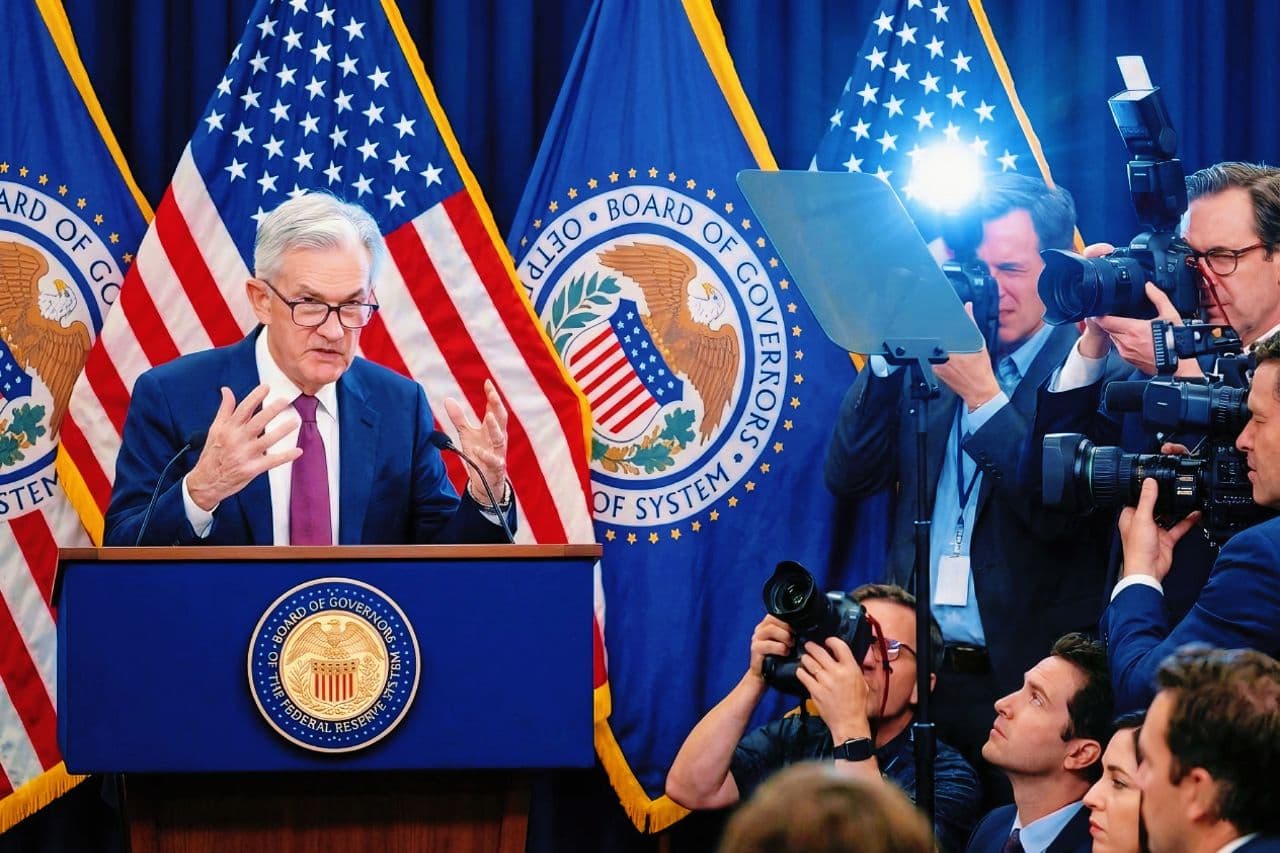
- The Federal Reserve is widely expected to keep interest rates unchanged this week as policymakers weigh the economic fallout from the Iran war. With energy prices surging and inflation risks rising, the central bank is under pressure to act, but holding steady allows time to assess how disruptions in oil markets ripple through the U.S. economy.
- Analysts predict the Fed will adopt a cautious, wait-and-see stance. By keeping rates flat, officials can monitor whether higher fuel costs translate into broader inflationary pressures or if the economy slows further under the weight of tariffs and rising prices.
- This decision reflects the Fed’s balancing act between its dual mandate: controlling inflation while supporting employment. Raising rates could help tame inflation but risks stalling growth, while cutting rates would ease borrowing costs but could worsen price pressures.
- The Fed is expected to pause for now, signaling patience as it evaluates the war’s impact on energy markets, inflation, and overall economic stability.
Key Takeaways
Fed Rate Pause – Markets Brace for War Impact
The Federal Reserve is expected to keep interest rates unchanged this week, but analysts are watching closely for signs that the Iran war could push policymakers to the sidelines for months. Energy price shocks have revived inflation risks, yet the Fed may prefer patience as it gauges how deeply oil market disruptions affect the U.S. economy.
Markets increasingly expect the Fed to delay any rate cuts until late in the year, with October or December seen as the most likely windows. Some traders even anticipate that the war’s fallout could keep rates untouched all year, reflecting the uncertainty surrounding global energy supplies and inflationary pressures.
Fed Chair Jerome Powell’s press conference at 2:30 p.m. ET on Wednesday is unlikely to deliver firm guidance. Instead, analysts expect him to strike a cautious, wait-and-see tone, emphasizing the Fed’s need to monitor whether oil market disruptions prove temporary or persist longer.
The Fed is poised to hold steady, signaling patience amid geopolitical turmoil. Markets are bracing for a prolonged pause, with the Iran war reshaping expectations for monetary policy well into 2026.
Oil Shock Risks – Inflation and Fed Policy
Geopolitical conflicts like the Iran war have reignited concerns about oil shocks, which can quickly feed into higher inflation. Rising energy costs ripple through transportation, food, and housing, making everyday expenses more expensive for consumers while squeezing margins for businesses.
These pressures directly affect borrowing costs. With inflation climbing, the Federal Reserve may be forced to delay interest rate cuts, keeping loans more expensive for households and companies. That shift impacts everything from mortgages to corporate financing, slowing economic growth at a time when markets were expecting relief.
For investors, the uncertainty adds volatility. Equity markets react sharply to energy-driven inflation, while bond markets adjust to changing expectations for Fed policy. The longer oil prices remain elevated, the greater the risk of stagflation slowing growth paired with persistent inflation.
Oil shocks from the Iran war are reshaping the Fed’s outlook. Instead of easing, policymakers may hold rates steady or even hike, delaying cheaper borrowing and putting pressure on both consumers and investors.
Fed Faces Stagflation Risk Amid Iran War
If oil shocks from the Iran war persist, the Federal Reserve could face its worst-case scenario: stagflation, where prices spiral upward while economic growth stalls. That would force the Fed to keep interest rates high to contain inflation, even at the cost of rising unemployment.
Michael Gregory, deputy chief economist at BMO, noted that the Fed was already set to move cautiously this year. Now, with mounting stagflation risk and policy uncertainty, the caution flag is “waving more vigorously.” This underscores how geopolitical turmoil is reshaping the Fed’s decision-making environment.
Tom Porcelli, chief economist at Wells Fargo, added that Powell’s job is “not getting any easier” as he prepares to hand over leadership. The Iran war could weaken a job market that is “lukewarm and still muddling along,” while simultaneously rekindling inflation that has yet to return to the Fed’s 2% target after pandemic-era spikes.
Higher inflation paired with a weaker labor market is the Fed’s nightmare scenario. It puts the dual mandate controlling inflation while supporting employment into direct tension, making Powell’s upcoming decisions some of the most consequential in recent history.
Fed Rate Cuts Delayed – Markets Adjust to War Shock
The Federal Reserve is expected to keep interest rates unchanged this week, but analysts and traders are recalibrating expectations in light of the Iran war. Reporters will press Chair Jerome Powell on how the Fed might respond to different scenarios, especially if energy disruptions persist.
The last major energy shock Russia’s 2022 invasion of Ukraine prompted the Fed to raise rates aggressively from near-zero pandemic levels. Economists say there is little chance of hikes this year, but the fact that investors are even considering the possibility underscores how dramatically the war has shifted sentiment.
Instead, the key question is whether the Fed will turn hawkish by holding rates at 3.5% to 3.75% all year, rather than cutting as many expected before the conflict. That would mark a sharp departure from earlier forecasts of easing, reflecting the Fed’s need to balance inflation risks against economic weakness.
Traders now see a 68% probability of a rate cut this year, down from 97% just a month ago, according to the CME Group’s FedWatch tool. Cuts are now expected later October or December rather than earlier in the year, highlighting how the war has pushed monetary policy relief further out of reach.
Fed Forecasts – War Clouds Rate Cut Outlook
Hints about the Fed’s next steps may emerge in officials’ quarterly forecasts, but analysts expect the median projection to still show one rate cut in 2026, consistent with December’s outlook. A shift toward zero cuts would be a hawkish surprise, signaling that policymakers see inflation risks outweighing growth concerns.
Oscar Munoz of TD Securities warned that markets could react sharply if more FOMC members remove cuts altogether. Still, he and other analysts see that outcome as unlikely, given the uncertainty surrounding the Iran war and recent data that provide little reason for officials to abandon their prior stance.
Even so, forecasts are expected to be more tentative than usual. With no clarity on how long or how severe the conflict will be, Fed officials are likely to show limited conviction in their projections, reflecting the fragile balance between inflation control and economic support.
James Knightley of ING emphasized that the war’s fallout makes forecasting unusually difficult. The Fed’s cautious tone underscores how geopolitical shocks can reshape monetary policy, leaving markets braced for prolonged uncertainty.
Fed Divisions – Hawks vs. Doves
The Federal Reserve’s decision to keep rates flat is unlikely to be unanimous, with analysts expecting at least two votes in favor of cuts. Those dissenting voices are expected from Trump-appointed officials, who have consistently aligned with his view that borrowing costs should be lower to support growth.
Fed Governor Stephen Miran has dissented at every meeting since joining in September, and he is once again likely to favor cutting rates. Governor Chris Waller, who also voted for cuts in January, is expected to dissent again, arguing that weak jobs growth signals monetary policy is too tight.
On the other side, the hawks those pushing against cuts are likely to prevail. Their stance is strengthened by inflation running above 2% for six consecutive years, and the Iran war adding yet another inflationary shock. Analysts note that hawks may continue to sway officials who remain undecided, especially as Kevin Warsh prepares to succeed Powell later this year.
The Fed remains split, but hawks are in control for now. Inflationary pressures and geopolitical uncertainty are keeping rate cuts off the table, even as doves argue that weak job growth demands looser policy.
The Bottom Line
The Federal Reserve’s decision to keep rates flat highlights the growing divide between hawks and doves inside the Committee. Analysts expect at least two dissenting votes for cuts, likely from Trump-appointed officials who have consistently argued for lower borrowing costs to support growth.
Governor Stephen Miran has dissented at every meeting since joining in September, and he is expected to do so again. Governor Chris Waller is also likely to dissent, pointing to weak jobs growth as evidence that current policy is too restrictive. Their stance reflects dovish concerns that tight monetary policy risks further weakening the labor market.
Meanwhile, hawks remain firmly in control. With inflation running above 2% for six straight years and the Iran war adding another inflationary shock, they argue that cutting rates now would be premature. Analysts note that hawks may continue to sway undecided officials, especially as Kevin Warsh prepares to succeed Powell later this year.
The Fed is split, but hawks are winning the argument. Inflationary pressures and geopolitical uncertainty are keeping rate cuts off the table, even as doves warn that weak job growth demands looser policy.
Related Articles
Iran War March 2026: Rising Costs for Americans
Gas Prices March 2026: Highest Since 2022 — State-by-State Pump Costs

March 2026 Market Outlook: Jobs Report, Retail Sales, Trade Balance, and Earnings from Nike & Conagra

Bitcoin Price Forecast 2026: Crypto Market Bottom and Recovery Trends

Iran War’s Impact on Your Finances
Gold Price Sell-Off: Investment Market Trends
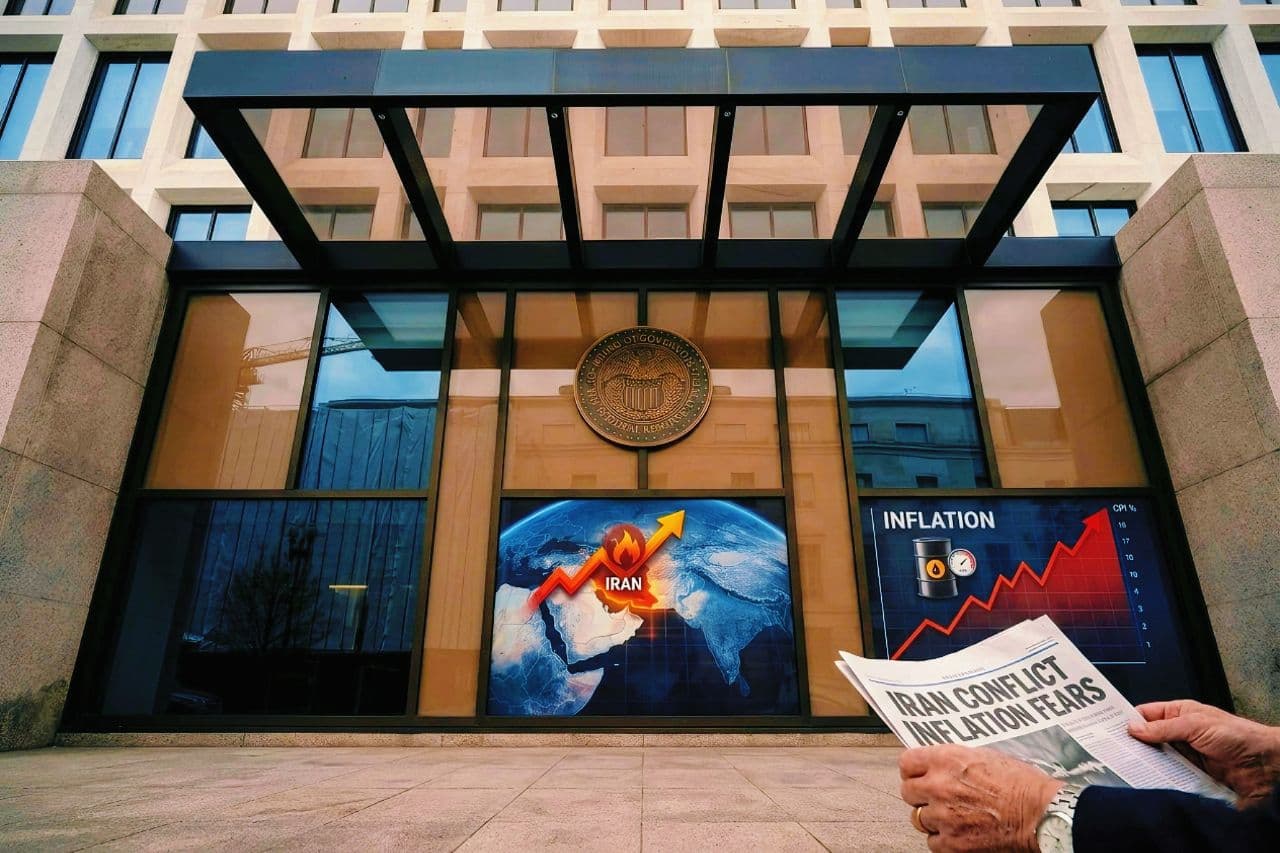
Iran War Fuels Inflation Fears – Fed Rate Hike Looms
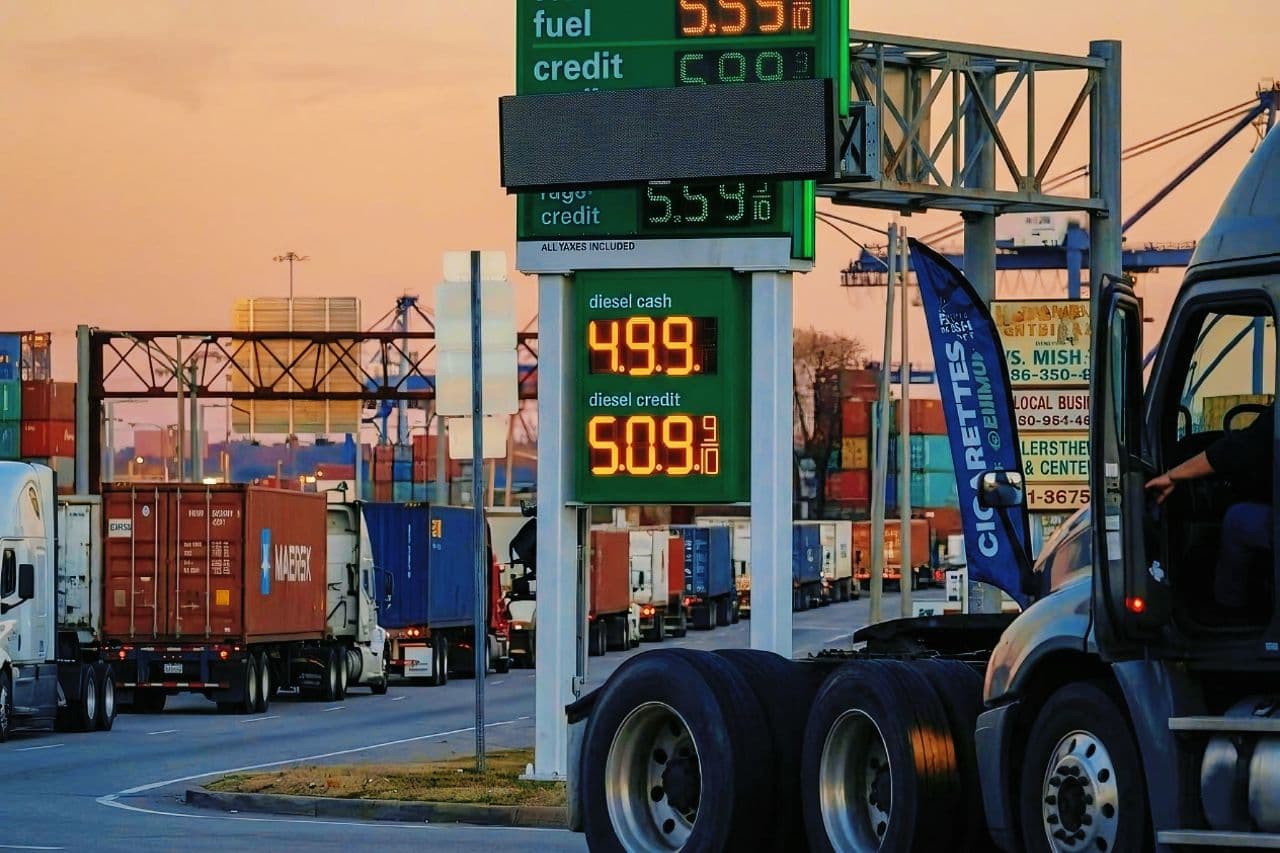
Diesel Price Surge Threatens U.S. Economy – Inflation Risks Ahead

Iran War Timeline and Economic Impact – What Investors Need to Know
Wall Street Insider Warns of 2008-Style Market Crash – Investor Alert
Bitcoin Investment Surges During Iran War – Safe Haven Asset Outshines Gold