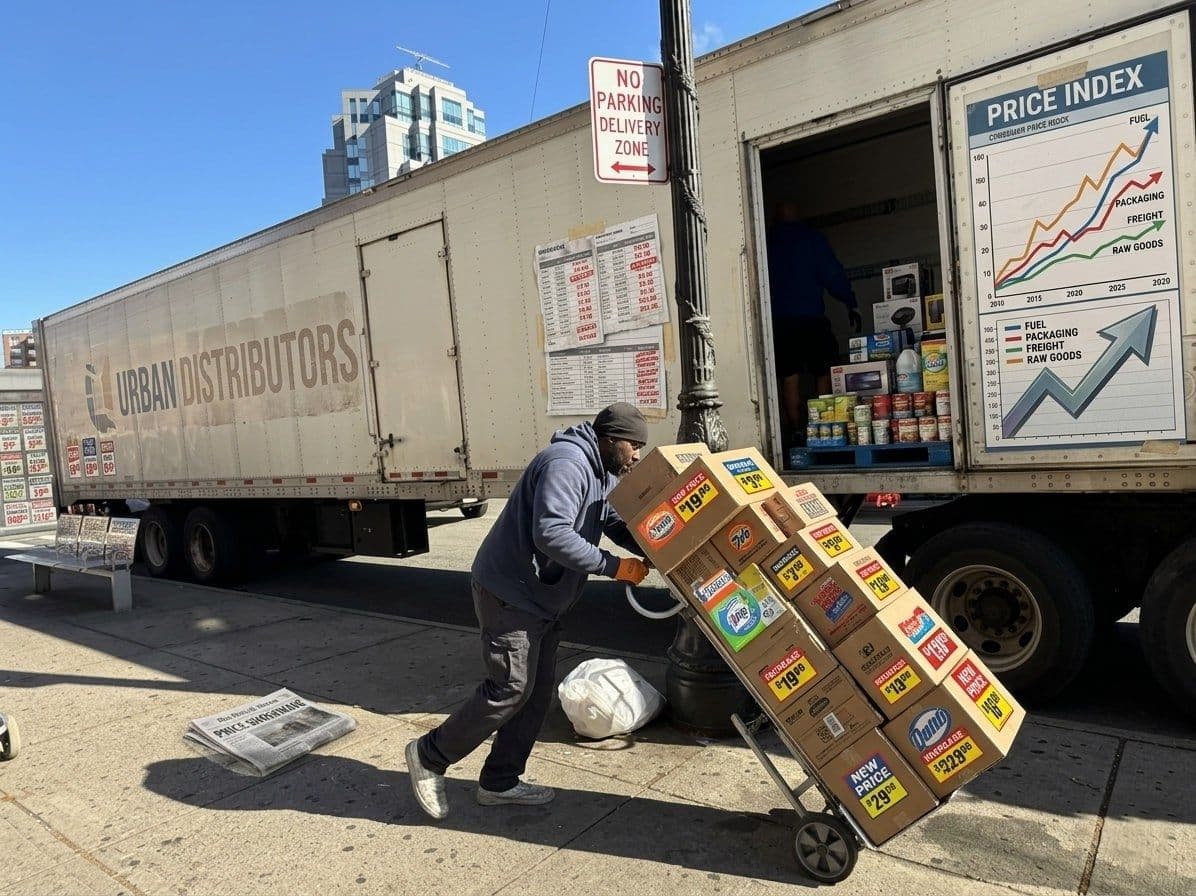
Iran War Fuels Inflation Fears – Fed Rate Hike Looms
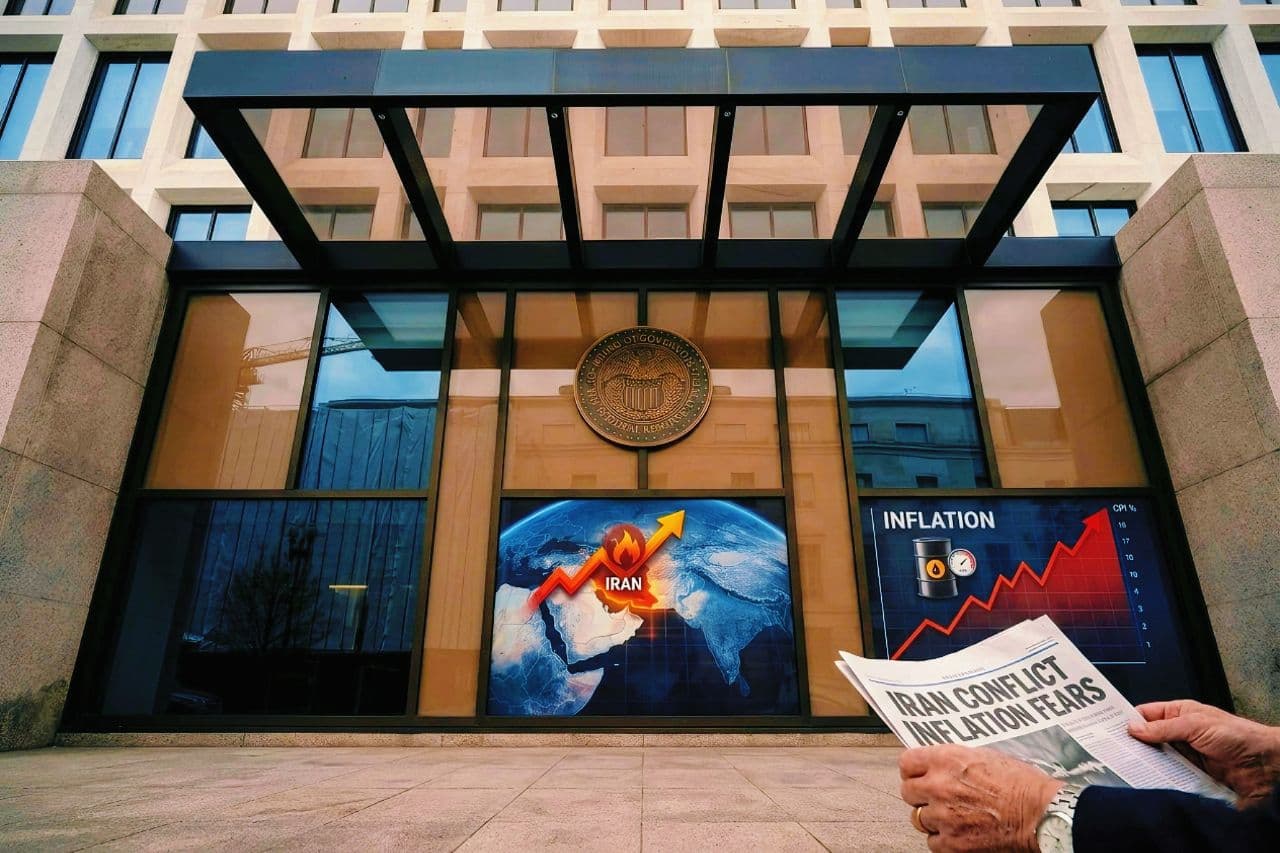
- Financial markets are recalibrating expectations: instead of anticipating a rate cut, traders now see a greater chance the Federal Reserve will raise rates. The Iran war has driven energy prices sharply higher, intensifying inflationary pressures and putting the Fed under pressure to act.
- At the same time, the Fed faces a dilemma. Raising rates could help contain inflation but risks slowing growth further. Cutting rates would support the economy and job market but could worsen price pressures.
- The war has put a Fed rate hike back on the table. Whether policymakers choose to fight inflation or protect growth will depend on how long the conflict disrupts energy markets and how severe the economic fallout becomes.
Key Takeaways
Fed Rate Outlook
The Iran war has flipped expectations for borrowing costs. For the first time in years, markets are pricing in a greater chance of a rate hike rather than a cut, with the Atlanta Fed’s tracker showing a 25% probability of an increase versus 20% for a cut. That’s a sharp reversal from before the conflict, when a cut was seen as far more likely.
The surge in energy prices has raised inflation risks, forcing the Fed to consider tightening policy to keep price growth under control. Yet the central bank also faces pressure to support the economy and job market with cheaper loans.
The war has put a Fed rate hike back on the table. Whether the Fed raises or cuts rates will depend on how long energy markets remain disrupted and how severe the inflationary fallout becomes.
What This Means for the Economy
Higher interest rates could slow the economy at a time when growth is already being held back by tariffs and rising prices. The Iran war has added another layer of pressure by driving up energy costs, which feed directly into inflation.
This creates a policy dilemma for the Federal Reserve:
- Raise rates: to stamp down inflation, but risk weakening growth further.
- Cut rates: to support the economy and job market, but risk fueling even higher inflation.
The war has forced the Fed into a difficult balancing act. If energy prices remain elevated, the likelihood of stagflation slowing growth paired with persistent inflation becomes more real, making monetary policy decisions even more consequential in the months ahead.
Fed’s Next Move
With energy prices soaring from the Iran war, financial markets have flipped expectations: a rate hike is now seen as more likely than a cut. But despite the shift, the most probable outcome is that the Federal Reserve will hold rates steady at its upcoming meeting.
Keeping rates unchanged gives policymakers breathing room to assess how the conflict and higher fuel costs ripple through the economy. It also avoids the risks of either tightening too aggressively slowing growth further or easing prematurely and fueling inflation.
The Fed is expected to stay put for now, watching how the war’s impact on oil and inflation unfolds before making its next move.
Fed Policy Context
The Federal Reserve had already hiked rates aggressively from near-zero between 2022 and 2023 to suppress the post-pandemic inflation surge. Since 2024, however, every move has been a cut, aimed at lowering borrowing costs and supporting a slowing job market.
The Iran war has disrupted that trajectory. With energy prices soaring, inflation risks are back in focus, forcing markets to price in the possibility of a rate hike for the first time in years. Yet the Fed’s dilemma remains: raise rates to contain inflation, or keep cutting to protect growth and employment.
The war has reset expectations. After years of cuts, the Fed may now be compelled to hold steady or even hike depending on how long energy disruptions last and how deeply they feed into inflation.
The Bottom Line
The Iran war has upended expectations for borrowing costs. After two years of rate hikes (2022 2023) to tame post-pandemic inflation, the Fed shifted to cuts in 2024 to support growth. Now, surging energy prices have revived inflation fears, forcing markets to price in the possibility of a hike for the first time in years.
Despite this shift, the most likely outcome is that the Fed will hold rates steady in the near term. Policymakers want time to gauge how the conflict and higher fuel costs ripple through the economy before making a decisive move.
The war has put a rate hike back on the table, but the Fed is expected to pause for now balancing inflation risks against the need to protect growth and jobs.
Related Articles
Iran War March 2026: Rising Costs for Americans
Gas Prices March 2026: Highest Since 2022 — State-by-State Pump Costs

March 2026 Market Outlook: Jobs Report, Retail Sales, Trade Balance, and Earnings from Nike & Conagra

Bitcoin Price Forecast 2026: Crypto Market Bottom and Recovery Trends
Iran War’s Impact on Your Finances
Gold Price Sell-Off: Investment Market Trends
Fed Policy Meeting Begins – Inflation and Rate Outlook
Diesel Price Surge Threatens U.S. Economy – Inflation Risks Ahead
Iran War Timeline and Economic Impact – What Investors Need to Know
Wall Street Insider Warns of 2008-Style Market Crash – Investor Alert
Bitcoin Investment Surges During Iran War – Safe Haven Asset Outshines Gold