2026 Energy Prices Forecast: Gas, Electricity, and Natural Gas Costs Explained
- In contrast, electricity prices are set to climb, driven by surging demand from expanding data center construction. Natural gas costs are also expected to increase, adding further strain to household budgets.
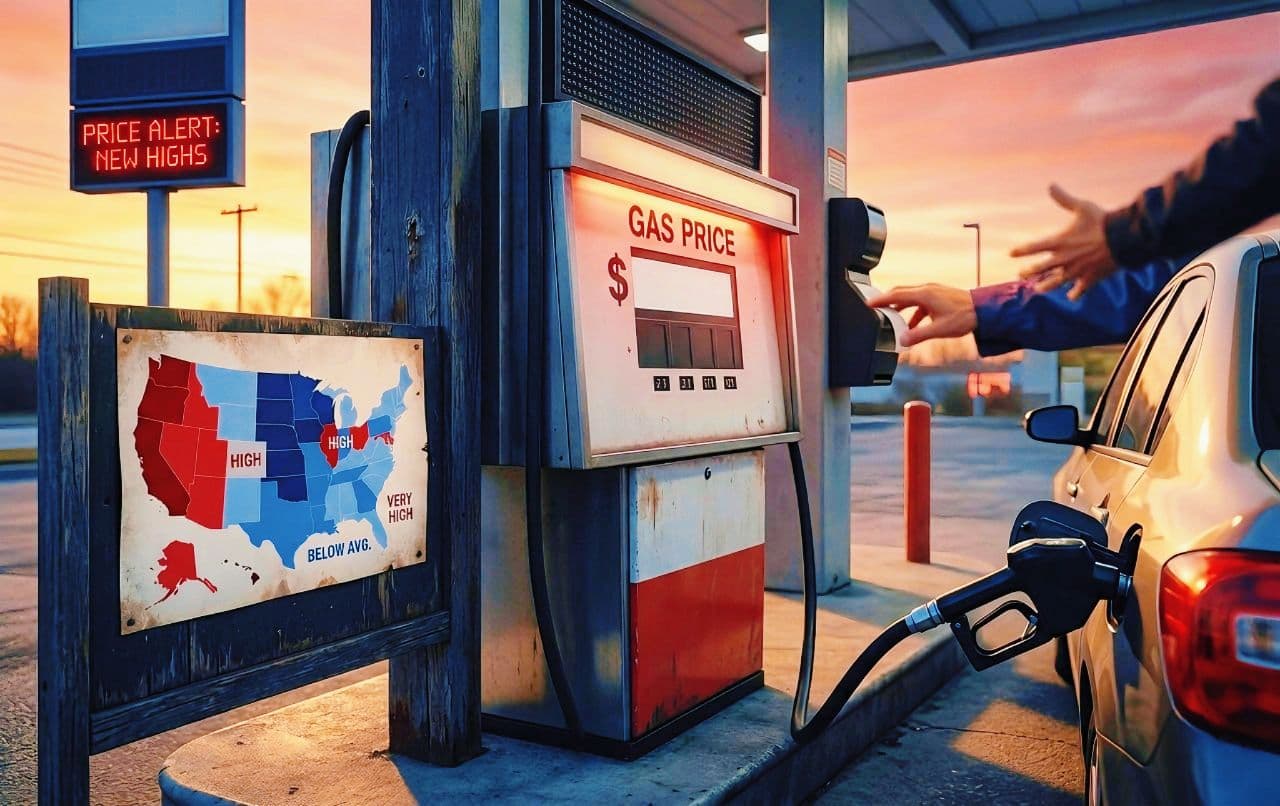
- Energy costs in 2026 will present a mixed picture. Gasoline prices are projected to decline as oil production rises while global demand slows, easing pressure at the pump.
Key Takeaways
2026 Energy Price Forecast: Lower Gas Costs, Rising Electricity Bills, and Natural Gas Outlook
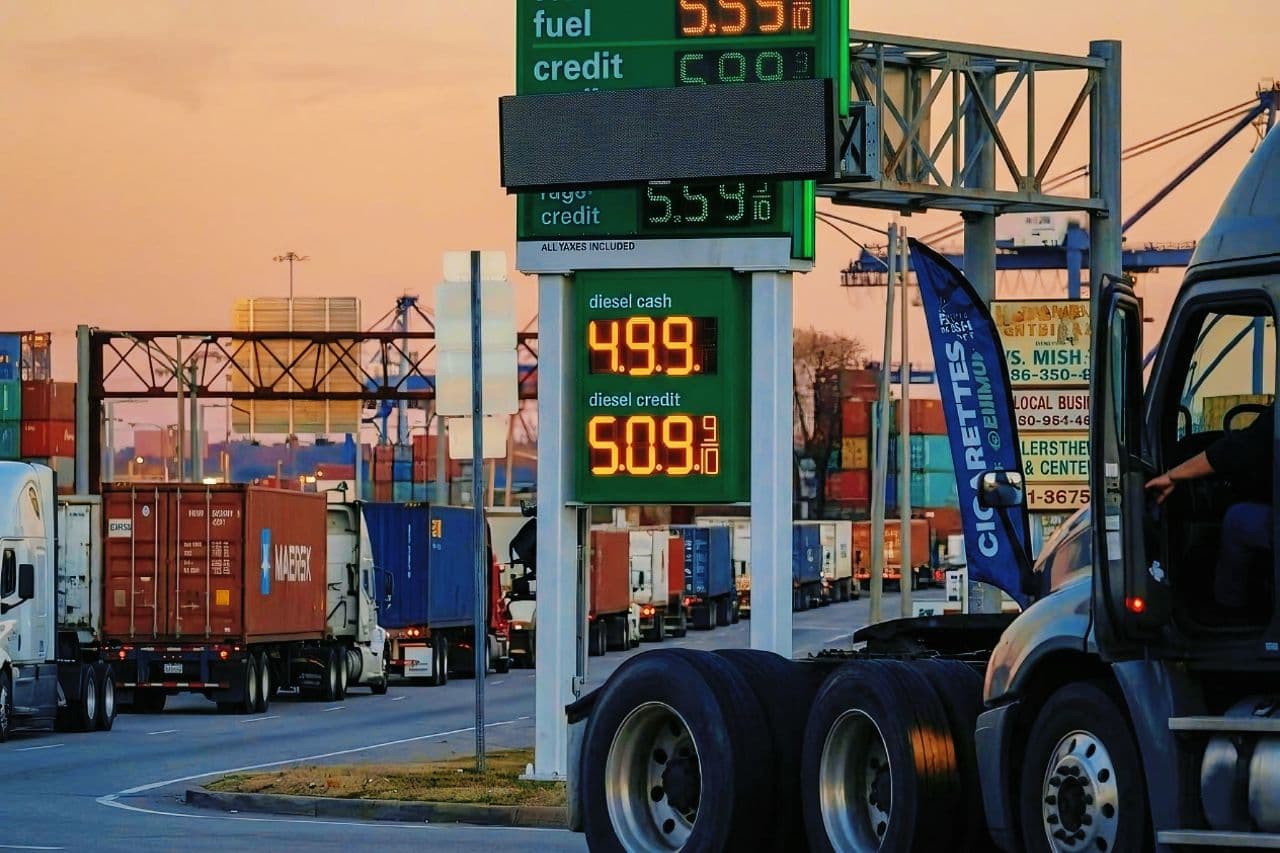
Drivers can expect relief at the pump in 2026, with gasoline prices projected to average $3 per gallon a 10% drop from 2024. Diesel prices are also forecast to decline to $3.50 per gallon, down 7% from 2024. These decreases stem from OPEC’s continued expansion of crude oil production combined with slowing global demand, influenced by trade policy uncertainty and the growing adoption of electric vehicles.
However, the savings at the pump may be offset by higher household energy costs. Electricity bills are expected to climb further as demand surges from the rapid construction of AI and cryptocurrency data centers. Natural gas prices are also forecast to rise, adding pressure to utility expenses. This mixed energy landscape means consumers will benefit from cheaper fuel but face higher costs in powering their homes.
Energy expenses remain a significant strain on consumer finances, particularly for low-income households. According to a 2024 report from the American Council for an Energy-Efficient Economy, one in four low-income families spends more than 15% of their income on energy. This disproportionate burden highlights how rising electricity and natural gas prices can erode disposable income, limit spending power, and amplify financial stress across vulnerable communities. As utility bills climb in 2026, the economic ripple effects will be felt most acutely among households already struggling to balance essentials.






Electricity costs have surged 36% over the past five years, according to the Bureau of Labor Statistics, and are projected to climb another 4.2% in 2026. The steepest increases will hit regions like the West South Central, including Texas, where demand from AI-driven data centers and cryptocurrency mining facilities continues to accelerate. This surge in consumption is pushing residential retail electricity prices higher, straining household budgets.
Natural gas bills are also expected to rise sharply. The Energy Information Administration forecasts wholesale gas prices will average 16% higher in 2026 compared to this year. With production remaining flat and U.S. exports expanding to meet global demand, domestic consumers will face elevated costs for heating and energy.






2026 Electricity Price Surge: Regional Sticker Shock from Data Center Demand
While the national impact of rising electricity prices on inflation is expected to remain modest, households will feel the difference in their budgets. Regions experiencing rapid data center expansion are likely to see sharper increases, creating localized financial strain. Economists at Oxford Economics note that while inflation may not shift significantly, the sticker shock from higher utility bills will be far more pronounced in areas where demand is surging.