2026 Inflation Forecast: Will Prices Finally Cool?
- Forecasts diverge: Some economists expect inflation to heat up, while others see it cooling more quickly.
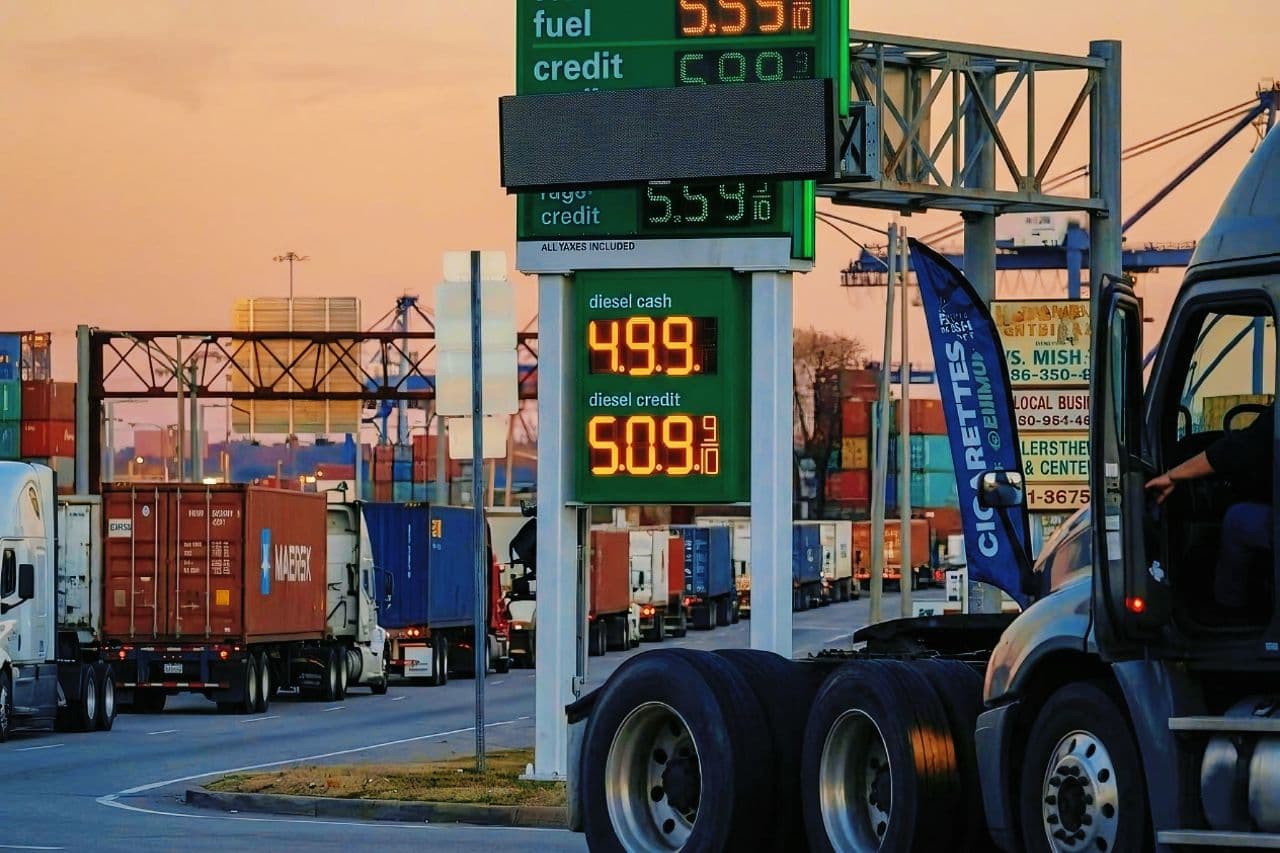
- Tariffs are adding upward pressure on consumer prices, but housing costs are easing, reducing one major driver of inflation.
- Core PCE inflation estimates for 2026 range between 2.2% and 2.8%, compared to the latest reading of 2.8% in September 2025.
Key Takeaways
Inflation Outlook for 2026: What It Means
Consumer prices have yet to return to the pre‑pandemic pace, when inflation typically ran below 2% annually. After surging to 5.6% in 2022 the highest in nearly four decades forecasts for 2026 suggest inflation will remain slightly above the Federal Reserve’s 2% target.
Key factors shaping this outlook include:
- Tariffs: Raising consumer prices across many goods.
- Housing costs: Cooling somewhat, reducing one major source of inflationary pressure.
- Immigration policy: Crackdowns could push wages higher in industries reliant on immigrant labor, which may in turn lift prices.
- Economic uncertainty: Crosswinds from global trade, labor markets, and monetary policy make predictions difficult.
Most economists expect inflation to cool modestly but not return to pre‑2021 levels, meaning households may continue to feel the cumulative impact of higher prices through 2026.






What This Means for the Economy
Inflation levels serve as one of the most important signals for overall economic health. When inflation runs high, consumers’ purchasing power erodes, making everyday goods and services more expensive. This ripple effect influences:
- Interest Rates: Central banks adjust rates to manage inflation, directly impacting borrowing costs for mortgages, auto loans, and credit cards.
- Business Decisions: Companies face higher input costs, which can reduce investment, hiring, and expansion plans.
- Wages: Workers often demand higher pay to keep up with rising prices, which can fuel further inflation if not balanced by productivity gains.
- Consumer Confidence: Persistent inflation can dampen household spending, slowing economic growth.
In short, inflation doesn’t just affect prices it shapes the broader financial landscape, influencing how households, businesses, and policymakers act in 2026.






2026 Inflation Forecast: Core PCE Outlook
As of September, consumer prices rose 2.8% year‑over‑year, measured by core PCE, which excludes food and energy. Core PCE remains the key inflation benchmark for economists and the Federal Reserve.
The Federal Reserve Bank of Philadelphia’s survey shows a median forecast of 2.4% for core PCE by the end of 2026. This suggests inflation will cool somewhat but remain above pre‑pandemic levels.
Deutsche Bank economists share this middle‑ground view, expecting tariffs to ease and housing costs to slow. They also anticipate the Fed lowering interest rates, keeping inflation at or above 2.25% through at least 2028.
Oxford Economics offers a more optimistic scenario, projecting core PCE inflation to fall to 2.2% by late 2026. Bernard Yaros noted that while tariffs will continue to lift prices, housing costs should decelerate significantly.
With housing and financial services costs slowing, overall inflation could approach 2% in 2026, edging closer to the Fed’s long‑term target.






2026 Inflation Outlook: Diverging Forecasts
Oxford Economics’ Bernard Yaros noted that while cooling inflation would be welcome for the Federal Reserve, households remain burdened by the cumulative price increases since the pandemic.
Bank of America economists, however, expect core PCE inflation to stay at 2.8% through the end of 2026, matching current levels.
They argue tariffs will continue to filter into consumer prices, keeping core PCE above 3% through the third quarter. Their forecast projects inflation staying above the Fed’s target through at least 2027.






The Bottom Line
Inflation is expected to cool modestly in 2026, but households will still feel the weight of cumulative price increases since the pandemic. Core PCE forecasts range from 2.2% to 2.8%, with tariffs and housing costs playing decisive roles. Optimists see inflation edging closer to the Fed’s 2% target, while others warn it will remain above target through 2027, keeping consumer budgets under pressure.