2026 Salary Increase Outlook – Why Pay Raises Will Stay Modest
- U.S. employers are projected to raise wages only modestly in 2026, with forecasts pointing to a labor market that remains sluggish and unlikely to accelerate hiring.
- Average pay increases are expected to reach 3.3% in 2026, according to one employer survey, reflecting a cautious approach to compensation amid economic uncertainty.
- Some analysts see potential upside in industries such as construction, where labor shortages linked to President Donald Trump’s immigration crackdown have tightened supply and pushed wages upward.
Key Takeaways
2026 Job Market Outlook – Slow Hiring and Modest Pay Raises
Employers in 2026 are expected to remain cautious about large-scale hiring, with weak demand for workers keeping wage growth restrained. The reluctance to expand payrolls reflects ongoing uncertainty in the broader economy.
Forecasts and employer surveys point to a continuation of recent labor market trends, where hiring has slowed significantly compared to previous years. Companies remain hesitant to add too many employees, yet equally wary of mass layoffs, as unpredictable tariff policies complicate long-term planning and expansion strategies.
According to payroll software company Payscale, U.S. employers plan to raise wages by an average of 3.3% in 2026, slightly lower than the 2025 average, underscoring the cautious approach businesses are taking toward compensation.
Wage growth in 2026 is projected to remain modest, reflecting the broader slowdown in the labor market. With hiring demand easing and employers cautious about expansion, pay raises are expected to stay restrained, signaling a period of economic adjustment rather than rapid growth.

2026 Job Market Forecast – Stabilized Openings and Slower Wage Growth
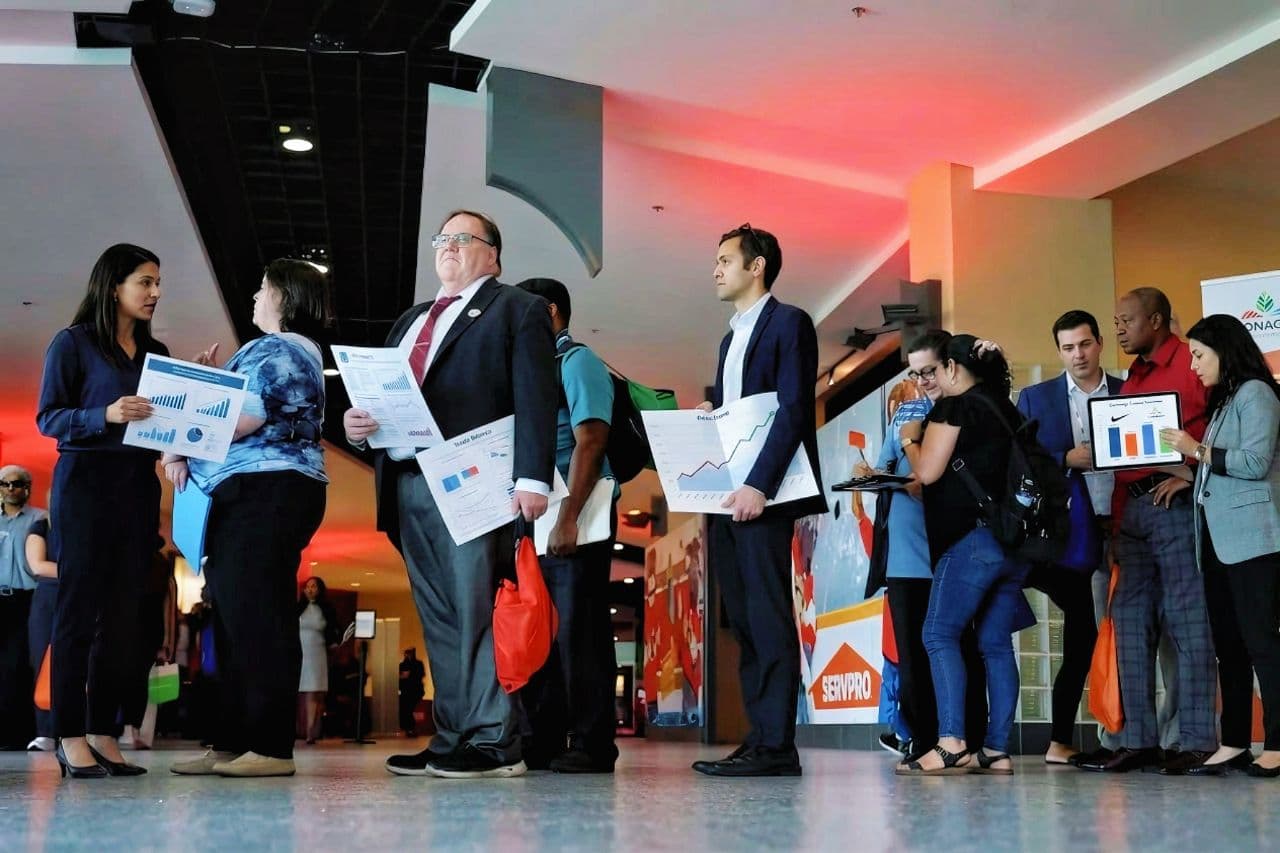
Forecasters at jobs platform Indeed project that the labor market will remain sluggish in 2026, with job openings leveling off instead of continuing to decline. While unemployment is expected to rise slightly, the increase is not anticipated to be severe enough to trigger major shifts in employer behavior.
This environment is unlikely to lead to significant pay raises, unlike in 2022 when labor demand surged as the economy reopened from the pandemic. Instead, wage growth has cooled, with salaries advertised in job postings showing a clear slowdown over the past year, reflecting employers’ cautious approach to compensation.
Wages rose 2.5% year-over-year in September, marking a slowdown from the 3.4% annual increase recorded in January. This cooling trend highlights the broader moderation in wage growth as the labor market continues to lose momentum.
2026 Labor Market Outlook – Fed Policy, Immigration Impact, and Wage Pressures
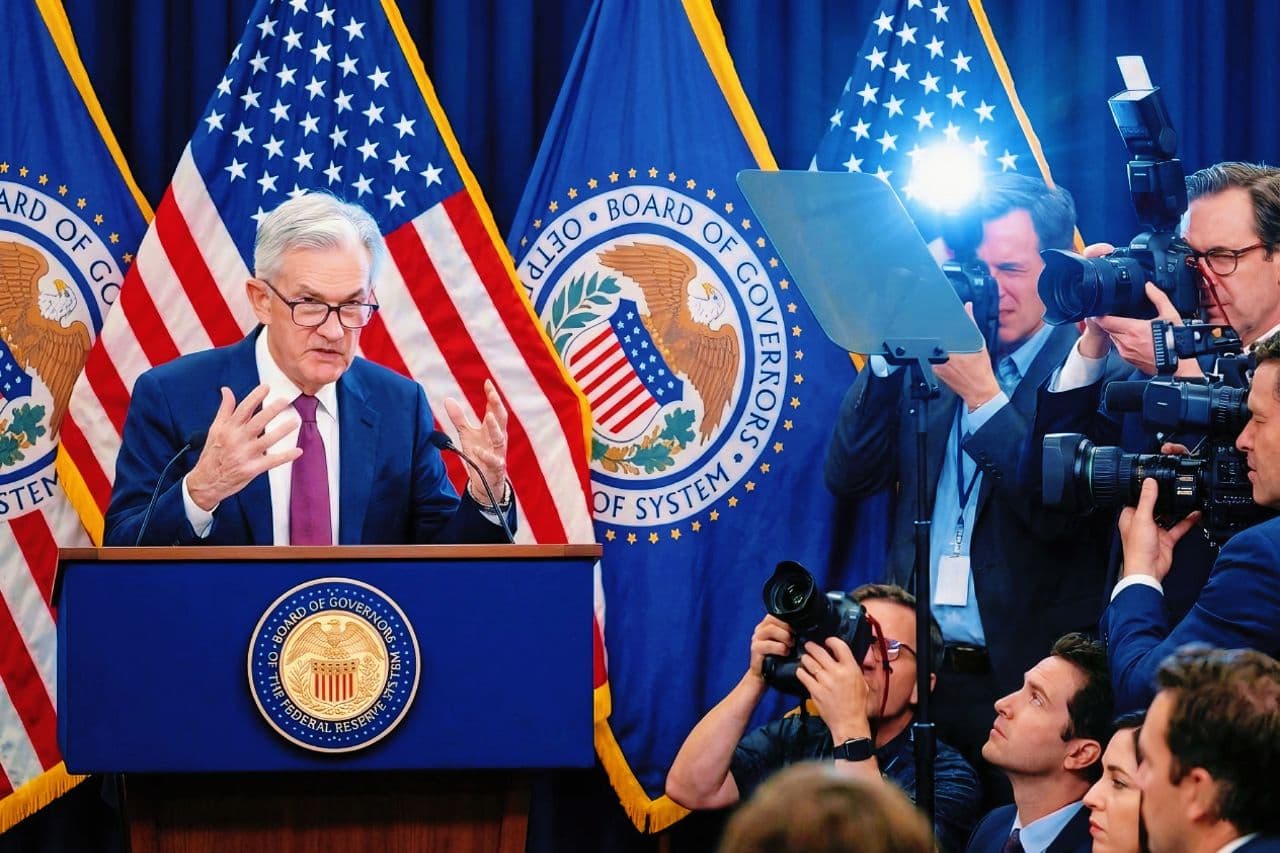
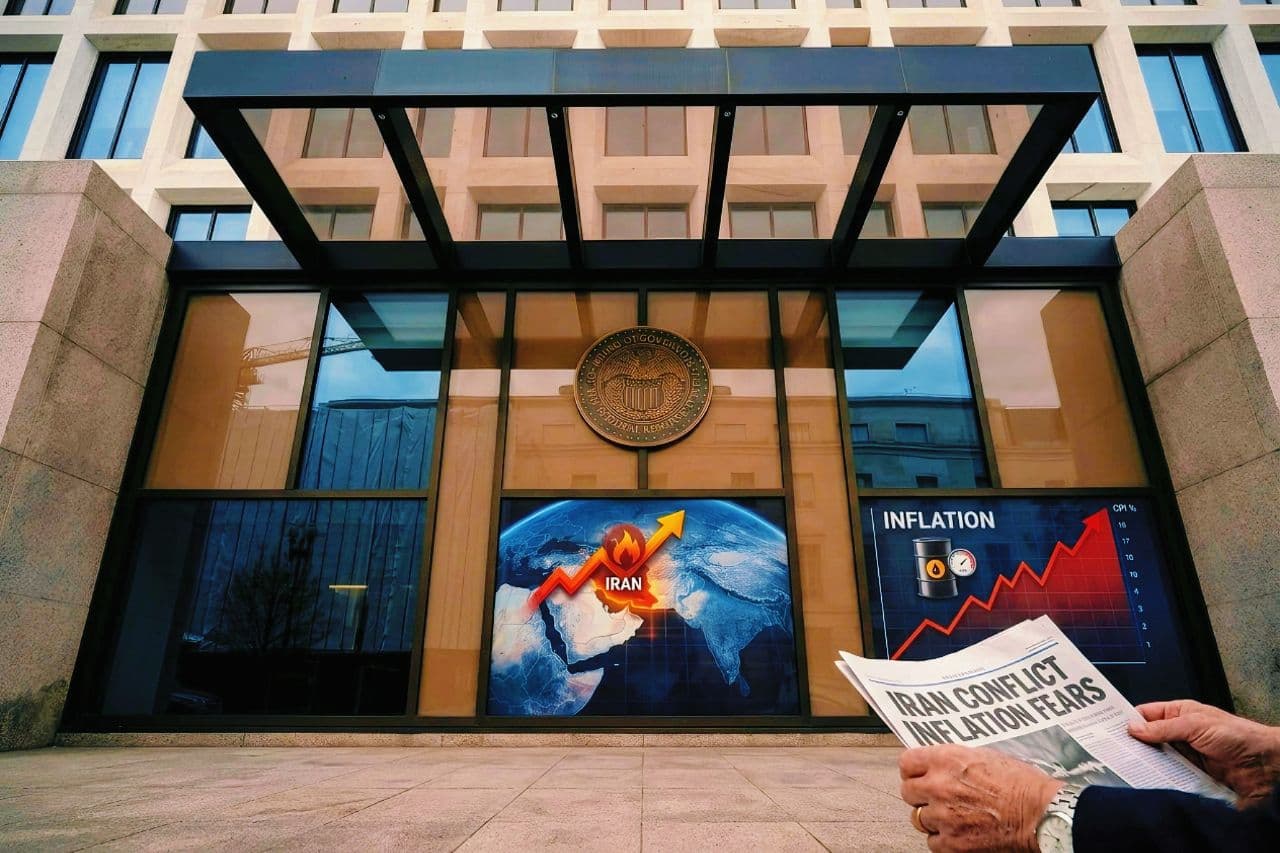
Economists warn that the U.S. job market could slow further in the year ahead, putting downward pressure on wages. This concern has prompted the Federal Reserve to lower borrowing costs, a move aimed at stimulating hiring and stabilizing employment.
At the same time, some forecasters see potential upside for wages, noting that part of the slowdown stems from a shortage of workers rather than just a lack of jobs. Industries directly affected by President Donald Trump’s immigration crackdown, such as construction, have experienced tightening labor supply. In these sectors, wages have accelerated even as payroll gains have weakened, reflecting the imbalance between demand and available workers.
The Bottom Line
Heading into 2026, wage growth is expected to remain modest, averaging around 3.3%. Employers are cautious about hiring due to economic uncertainty, tariff policies, and a cooling labor market. While most sectors will see restrained pay raises, industries facing labor shortages such as construction, impacted by immigration policies may experience stronger wage growth. Overall, the job market is stabilizing but not accelerating, keeping compensation increases limited.