AI Job Loss Recovery: How Fast Can Workers Bounce Back?
- A Goldman Sachs analysis shows that workers displaced by shrinking industries may face longer recovery times, often requiring about a month more to secure new employment compared to peers in stable sectors.
- The report also highlights that once these displaced workers find full-time jobs, their earnings may be negatively affected, particularly for older employees, underscoring the financial challenges tied to industry disruption and AI-driven change.
Key Takeaways
AI Job Loss Recovery: Longer Unemployment and Lower Earnings for Displaced Workers
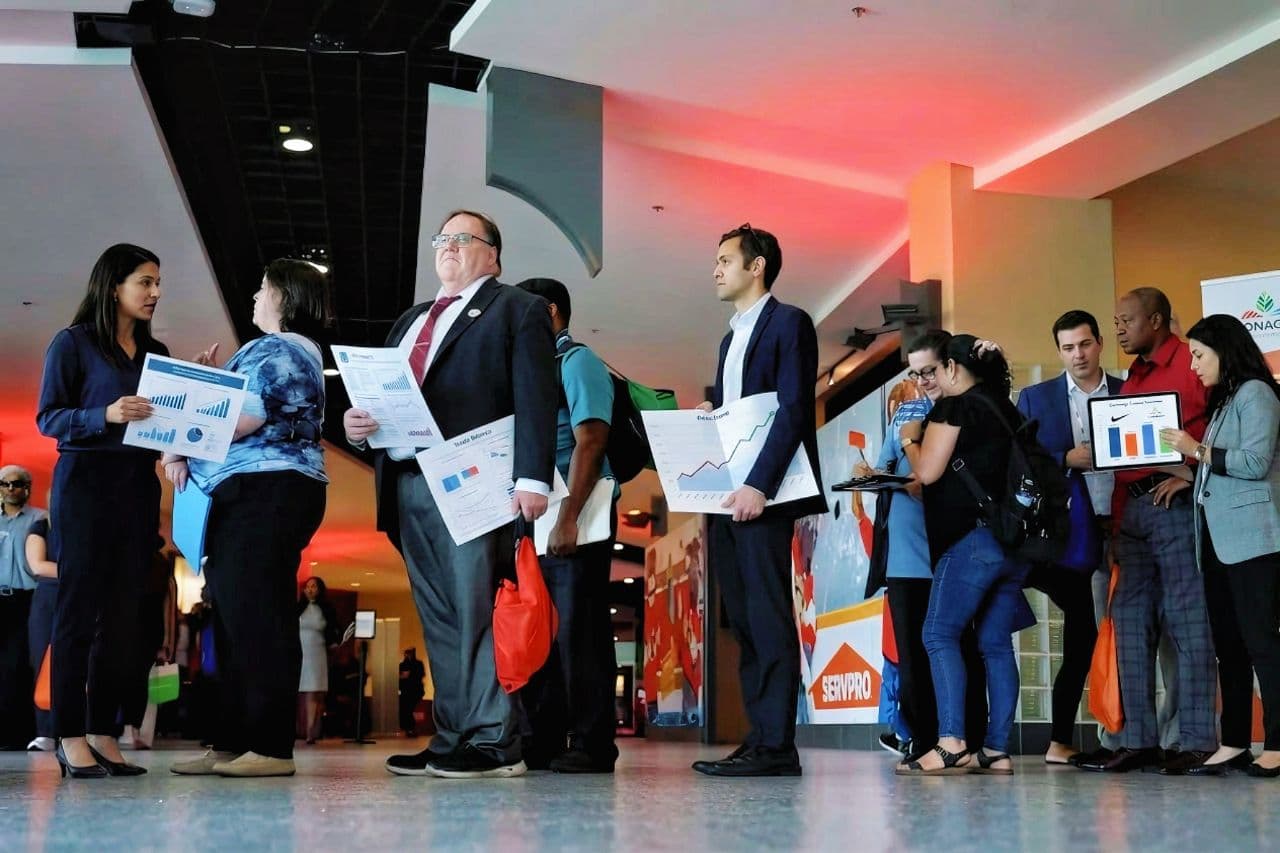
Workers in industries disrupted by artificial intelligence may face tougher recovery timelines compared to peers in stable sectors. Goldman Sachs research shows displaced employees often require about one month longer to secure new work. By contrast, the median unemployment duration across the broader workforce is 11.4 weeks, according to the latest Bureau of Labor Statistics data.
The financial impact doesn’t stop at job search delays. Once displaced workers return to full-time employment, their earnings may decline by more than 4% double the rate of other displaced workers. Goldman Sachs analysts based this conclusion on outcomes for employees in “disrupted occupations,” defined as those in the bottom quintile of employment growth between 1990 and 2024, excluding the Great Recession.






Why This News Matters to Consumers
Experts suggest that employers are increasingly prioritizing workers who can effectively use artificial intelligence tools. For employees concerned about job security, developing AI skills may prove essential. By learning how AI can streamline tasks, boost productivity, or enhance workflows, workers can position themselves as valuable assets in industries undergoing rapid technological change.






AI Job Loss Risks: Older Workers and Supervisory Roles Most Vulnerable
Workers displaced from contracting industries face significantly higher chances of long-term unemployment, making it harder to re-enter the labor market and raising the risk of permanent career disruption, according to Goldman Sachs.
The firm estimates that 6% to 7% of U.S. workers could be displaced by AI over the next decade. This transition may be especially difficult for employees aged 55 and older, who have historically struggled more during past periods of disruption.
The Federal Reserve Bank of St. Louis also warns that workers under supervisors who fail to adapt to AI tools may be at greater risk, underscoring the importance of developing AI skills to remain competitive in the evolving job market.






AI Skilled Workers: How Efficiency Could Reshape Job Roles
“Skilled workers” who leverage AI to boost efficiency may become so valuable that employers restructure traditional roles. According to the Federal Reserve, companies could eliminate conventional supervisory positions, freeing up skilled labor to focus on more productive activities. This shift highlights how AI adoption is not only displacing certain jobs but also redefining the value of workers who can integrate technology into their daily tasks.






The Bottom Line
The adoption of artificial intelligence is reshaping the labor market, creating both risks and opportunities. While displaced workers may face longer unemployment periods and reduced earnings, those who adapt by developing AI skills can significantly improve their job security and value to employers. Analysts warn that older workers and those unable to integrate AI into their roles are most vulnerable, but the overall message is clear: embracing AI-driven efficiency is becoming essential for career resilience.