Bitcoin Investment Surges During Iran War – Safe Haven Asset Outshines Gold
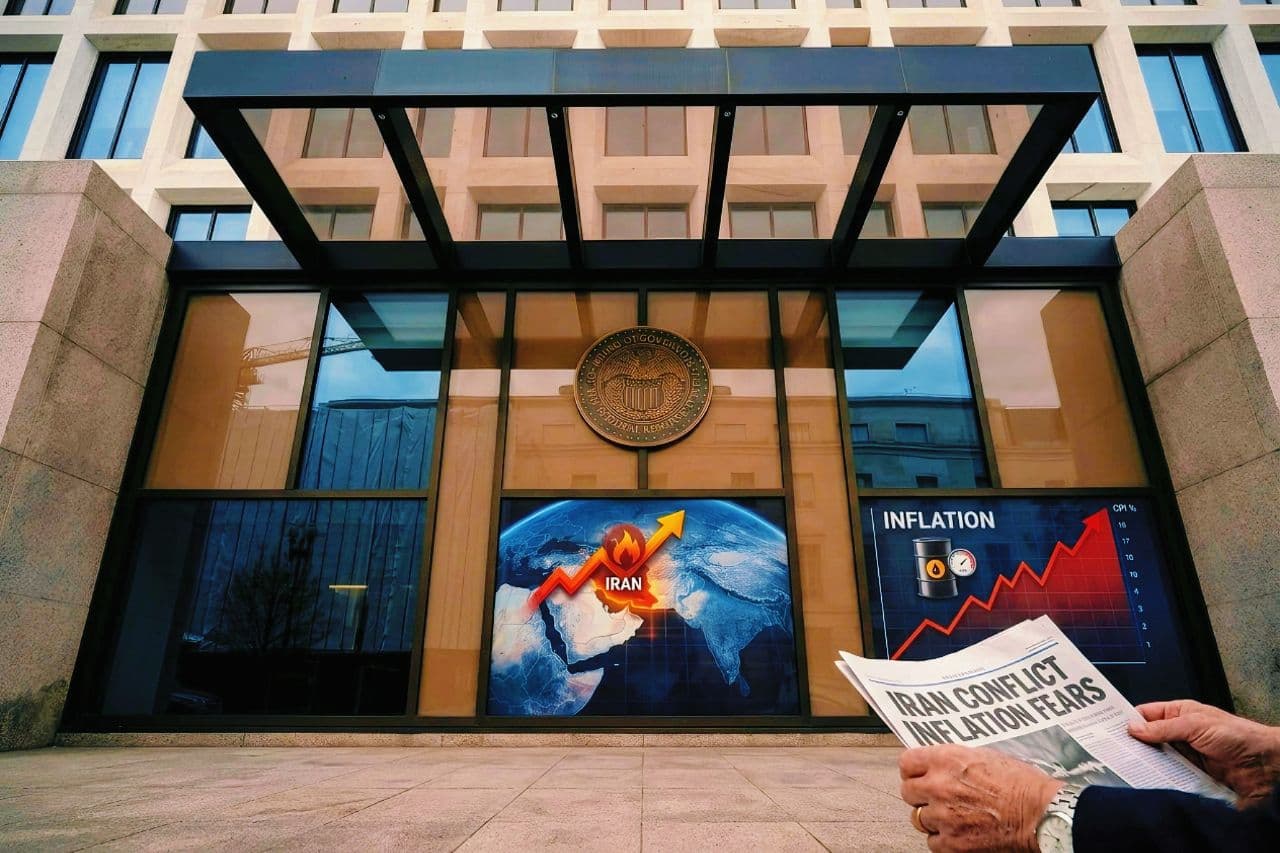
- The price of Bitcoin has surged nearly 10% since the initial attacks in Iran, outperforming traditional safe haven assets like gold, as well as the U.S. dollar, the S&P 500, and other leading American indexes. This sharp rise highlights how cryptocurrency can act as a hedge in times of geopolitical instability, drawing investor attention away from conventional markets.
- While academic studies suggest Bitcoin does not consistently behave as a safe haven compared to gold, recent events show it can under certain conditions. The decentralized nature of Bitcoin, combined with its global accessibility, makes it appealing when traditional financial systems face disruption. Investors are increasingly considering it as a digital alternative to gold during crises.
- This performance also reflects broader shifts in investor sentiment. Gold remains a trusted hedge, but Bitcoin’s ability to rally during conflict underscores its growing legitimacy in financial markets. The Iran war has amplified inflationary pressures and market volatility, creating an environment where digital assets can thrive.
- Looking forward, Bitcoin’s role as a safe haven will continue to be debated. Its volatility remains a risk, but its resilience during the Iran war demonstrates that it can serve as a protective asset in times of uncertainty. For investors, this raises important questions about diversification and the evolving role of cryptocurrency in global finance.
Key Takeaways
Bitcoin Surges Past $72,000 as Iran War Fuels Safe Haven Demand
Bitcoin has climbed more than 10% to above $72,000 since the initial strikes on Iran, outperforming gold, the U.S. dollar, and major stock indexes. While such a move may seem modest compared to Bitcoin’s historic volatility, it signals renewed investor confidence in crypto as a shelter during geopolitical turmoil. Rising oil prices and sharp swings in equities have pushed investors toward assets perceived as more resilient, and Bitcoin has stepped into that role.
Historically, Bitcoin has not always behaved like a safe haven. During the so-called “crypto winter,” it tracked risk assets such as technology stocks, undermining its reputation as a hedge. Many analysts remain skeptical, arguing that gold is still the more reliable portfolio protector. Yet, the current rally suggests that investors are reconsidering Bitcoin’s potential as a hedge, especially in times of heightened uncertainty.
The shift in sentiment reflects broader changes in financial markets. Gold continues to be the traditional hedge, but Bitcoin’s decentralized nature and global accessibility make it attractive when traditional systems face disruption. Its ability to rally during conflict highlights its growing legitimacy as part of diversified investment strategies.
Looking ahead, Bitcoin’s role as a safe haven will remain debated. Its volatility is undeniable, but its resilience during the Iran war demonstrates that it can serve as a protective asset under certain conditions. For investors, this raises important questions about diversification and the evolving role of cryptocurrency in global finance.






Bitcoin has not always been considered a reliable safe haven asset, especially during past geopolitical crises. However, recent events in Iran have shown that the cryptocurrency can demonstrate stability under pressure. Since the start of the fighting, Bitcoin has managed to hold its ground, offering investors a digital alternative to traditional hedges like gold. This resilience has sparked renewed interest in crypto as a potential shelter in uncertain times.
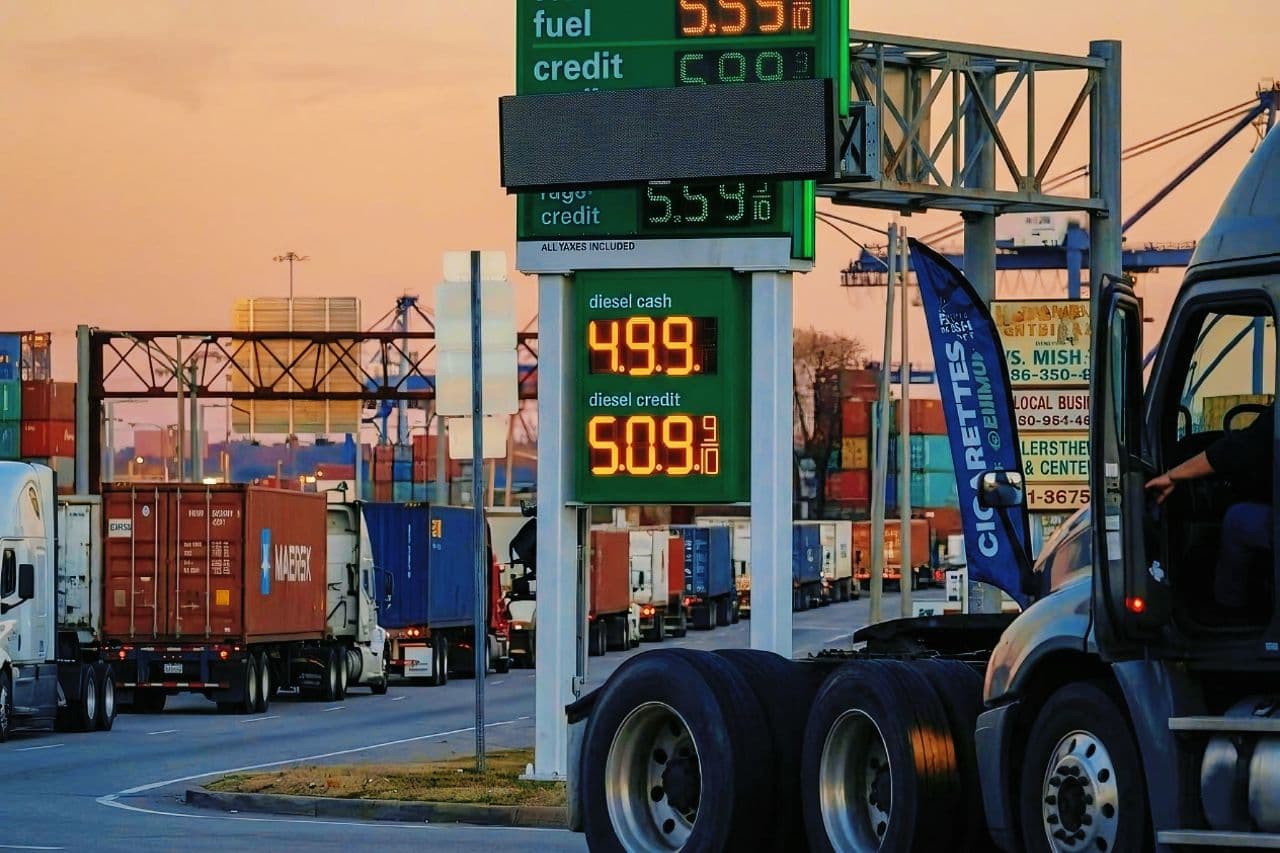
The war in the Middle East has driven oil prices higher and triggered volatility across global stock markets. Amid these swings, Bitcoin’s steady performance stands out. While gold and the U.S. dollar remain conventional safe havens, Bitcoin’s decentralized nature and independence from government policies make it appealing when traditional systems face disruption. Investors are increasingly testing its role as a hedge against geopolitical risk.
Skeptics argue that Bitcoin’s volatility undermines its safe haven status, pointing to its past correlation with risk assets like technology stocks. Yet, the current rally suggests that under certain conditions, Bitcoin can behave more like a protective asset. This shift in perception is crucial as investors seek diversification strategies in times of crisis.
Ultimately, Bitcoin’s role as a safe haven remains debated, but its recent performance during the Iran war highlights its growing legitimacy in financial markets. For investors, this moment underscores the importance of considering digital assets alongside traditional hedges when navigating geopolitical uncertainty.






Bitcoin vs Gold: Ray Dalio’s Take and Investor Flows
Ray Dalio, founder of Bridgewater Associates, recently emphasized on a podcast that gold remains the ultimate safe haven during unsettled times. He noted that investors should generally allocate between 5% and 15% of their portfolios to gold for diversification. His reasoning is straightforward: central banks are unlikely to buy Bitcoin, while gold has steadily increased its share of global reserves, reinforcing its role in what’s often called the “debasement trade.”
Dalio’s skepticism about Bitcoin as a hedge stems from its lack of institutional adoption at the central bank level. Unlike gold, which is deeply entrenched in monetary systems, Bitcoin remains outside traditional frameworks. This limits its appeal as a universally recognized safe haven, even though it has shown resilience in certain crises.
Yet, despite Dalio’s caution, Bitcoin has attracted significant inflows since the first strikes on Iran. Funds such as iShares Bitcoin Trust (IBTC) and Fidelity Wise Origin Bitcoin Fund (FBTC) recorded net positive flows exceeding $1.1 billion, according to Farside Investors. This suggests that private investors are increasingly viewing Bitcoin as a hedge, even if central banks are not.
The divergence between institutional skepticism and investor enthusiasm highlights a key tension in financial markets. Gold continues to dominate as the traditional safe haven, but Bitcoin’s recent performance and inflows show that it is carving out a role as a digital alternative. For investors, the question is not whether Bitcoin will replace gold, but whether it can complement it in diversified portfolios during geopolitical uncertainty.





Bitcoin Shows Stability in Global Crises – Academic Insights for Investors
Recent academic research highlights that Bitcoin trading volumes tend to rise during geopolitical crises, reinforcing its role as a flexible financial instrument. The study examined Bitcoin’s performance against traditional safe-haven assets and both U.S. and international stocks during major events such as the COVID-19 pandemic, the Russia Ukraine war, and the Israel Palestine conflict. While Bitcoin did not consistently provide price protection, it demonstrated what the authors called “remarkable stability,” a trait that investors are now noticing again amid the Iran war.
This finding underscores Bitcoin’s unique position in global markets. Unlike gold, which has centuries of recognition as a hedge, Bitcoin occupies a contingent role that shifts depending on crisis characteristics, investor sentiment, and geographic context. Its decentralized nature and global accessibility make it appealing when traditional financial systems face disruption, even if it does not always behave like a classic safe haven.
The study’s conclusion that Bitcoin is neither a pure safe haven nor a speculative anomaly captures its evolving identity. It can act as a hedge in certain scenarios, but its performance depends heavily on external conditions. This flexibility is what makes Bitcoin attractive to investors seeking diversification, especially during unpredictable geopolitical events.
As the Iran war continues to unsettle markets, Bitcoin’s resilience is once again being tested. The cryptocurrency’s ability to maintain stability while traditional assets fluctuate suggests that it may play a growing role in portfolios designed to withstand global uncertainty. For investors, this moment highlights the importance of considering digital assets alongside conventional hedges.






The Bottom Line
Academic research has shown that Bitcoin trading volumes tend to rise during geopolitical crises, reflecting its appeal as a flexible financial instrument. Studies covering the COVID-19 pandemic, the Russia Ukraine war, and the Israel Palestine conflict found that while Bitcoin did not consistently provide price protection, it demonstrated “remarkable stability.” This pattern is repeating itself during the Iran war, where investors are once again turning to crypto as markets swing.
The key takeaway is that Bitcoin is neither a pure safe haven like gold nor a speculative anomaly. Instead, it occupies a contingent position that shifts depending on the nature of the crisis, investor sentiment, and geographic context. This adaptability makes it unique compared to traditional hedges, offering investors a digital option when conventional systems face disruption.
For portfolio strategy, this means Bitcoin can serve as a complementary hedge rather than a replacement for gold. Its decentralized nature and global accessibility provide advantages during times of uncertainty, even if volatility remains a risk. Investors who recognize this dual identity may find opportunities to diversify more effectively.
As the Iran war continues to unsettle global markets, Bitcoin’s resilience underscores its evolving legitimacy. While skepticism remains, its ability to maintain stability in volatile conditions suggests it may play a growing role in diversified portfolios designed to withstand geopolitical shocks.