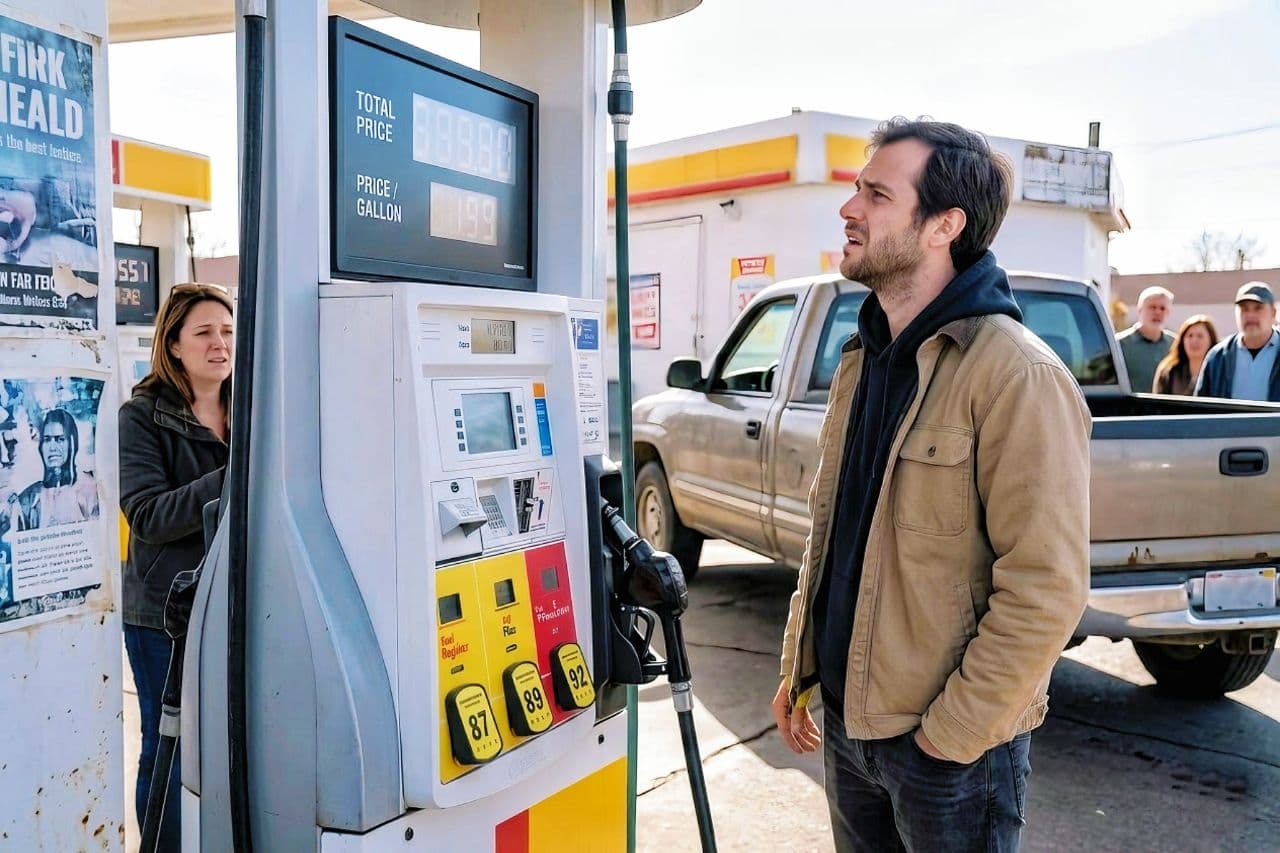
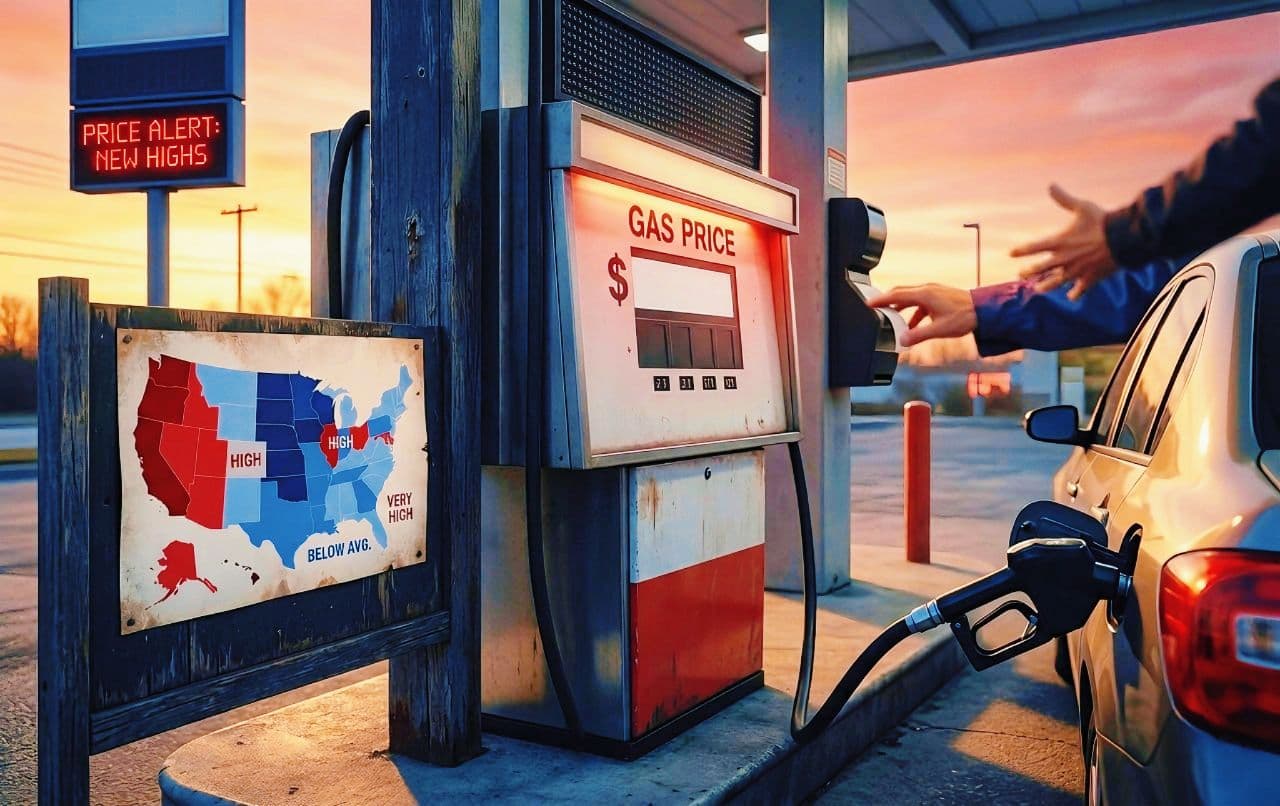
BNPL Pitfalls: Why Deferred Payments Can Derail Your Finances
- Buy Now, Pay Later services attract users with their simplicity and flexibility — 87% cite ease of use and the ability to split payments as key benefits.
- The convenience lies a growing concern: financial experts caution that BNPL often targets consumers with unstable finances, turning short-term relief into long-term debt exposure.
Key Takeaways
Buy Now, Pay Later (BNPL) platforms promise frictionless shopping, but they often mask deeper financial risks. While 87% of users cite convenience and payment flexibility, rising delinquencies and hidden fees reveal a troubling pattern. In 2024 alone, BNPL spending hit $18.2 billion, with 24% of users falling behind on payments a sharp increase from the previous year. These missed payments often trigger penalties, turning short-term relief into long-term debt.
Smarter Holiday Spending: Budget First, Borrow Last
Instead of relying on BNPL, consumers can protect their finances by planning ahead. Using debit cards, setting spending alerts, and sticking to cash-based budgets help avoid impulse-driven debt. Creative alternatives like experience-based gifts or homemade presents offer meaningful value without financial strain. For those needing credit, low-interest cards or dedicated savings accounts are safer tools especially when paired with strong financial literacy and a clear repayment plan.






BNPL Holiday Surge: The Illusion of Easy Payments
Holiday shopping now comes with a seductive twist: a $200 gift sliced into four $50 installments, no interest, no credit check. It feels like financial freedom until the bills stack up. In 2024, Americans spent a record $18.2 billion through Buy Now, Pay Later platforms, a 10% jump from the previous year. Adobe Analytics projects another 11% increase this season, signaling a growing reliance on deferred payment tools.






The BNPL Trap: Small Payments, Big Consequences
Despite its branding as a budgeting solution, BNPL often misleads younger users. Abigail Wright of the Chamber of Commerce warns that the danger isn’t just overuse it’s the psychological blind spot. Small, staggered payments across multiple platforms create invisible debt layers. Gen Z, raised in a frictionless digital economy, is especially vulnerable to this financial spiral.






Deferred Payments, Accelerated Debt Risk
Buy Now, Pay Later platforms offer instant gratification with delayed consequences. In 2024, 15% of U.S. adults used BNPL, according to Federal Reserve data. Most users 87% cited payment flexibility, while 82% were drawn to its convenience. These pay-in-four plans, often marketed as interest-free, make purchases feel painless. But for cash-strapped consumers, splitting $100 into $25 biweekly payments can feel like relief until multiple purchases stack up and repayment becomes a burden.






BNPL Defaults: From Missed Payments to Mounting Fees
In 2024, 24% of Buy Now, Pay Later users missed at least one payment up from 18% the year before. More than half of those who defaulted were hit with penalty fees, revealing BNPL’s hidden cost structure. What starts as a no-interest offer often ends in a cycle of fees and financial strain.






The Debt Spiral: Why BNPL Hits the Most Vulnerable
Federal Reserve data shows BNPL users typically have lower savings and are more likely to carry credit card debt. The appeal of splitting payments across platforms masks the reality: many users juggle multiple micro-loans without realizing the cumulative burden.






Gen Z and the Illusion of Control
Abigail Wright, a senior advisor at the Chamber of Commerce, warns that BNPL’s seamless design is especially risky for Gen Z. Raised in a world of instant gratification, they’re drawn to convenience but without strong financial literacy, they risk falling into a debt spiral before recognizing the warning signs.
Start your gift planning early and hunt for deals before the pressure builds. Waiting until the last minute can lead to impulsive decisions and risky financing options like Buy Now, Pay Later. A well-timed budget helps you avoid desperation-driven debt and keeps your holiday spending under control.






Holiday Budgeting Hacks: Spend Within Limits, Not Beyond
The fix for holiday overspending is simple: start with a realistic budget. Before shopping, calculate what you can truly afford including rent, bills, and travel. Stick to cash or debit cards with spending alerts to stay on track and avoid falling into the Buy Now, Pay Later trap.
Gift Smarter: Experience Over Excess
Skip the overpriced gadgets. The Consumer Financial Protection Bureau recommends meaningful alternatives like homemade gifts or shared experiences movie tickets, day trips, or creative surprises that cost less but mean more.
Use Credit Strategically, Not Emotionally
If you must borrow, choose a low-interest credit card and pay it off in full each month to dodge interest. Or prep early with a dedicated savings account just for holiday expenses. Above all, read the fine print late fees and third-party collections can wreck your score. For long-term credit health, start with beginner-friendly products that build your profile without hidden risks.