Cost-Push Inflation vs. Demand-Pull Inflation: What's the Difference?
Cost-Push vs. Demand-Pull Inflation: Key Drivers of Price Growth
Inflation occurs when prices rise across the economy, reducing purchasing power. Two major forces behind this trend are:
Cost-Push Inflation
Triggered by a drop in aggregate supply, often due to rising production costs such as labor, raw materials, or energy.
- Businesses pass higher costs to consumers
- Supply shortages push prices up
- Common during supply chain disruptions or commodity spikes
Demand-Pull Inflation
Driven by a surge in aggregate demand from households, businesses, governments, and foreign buyers.
- Occurs when demand outpaces supply
- Fueled by economic expansion, tax cuts, or increased government spending
- Known as “too much money chasing too few goods”
Other Inflation Triggers
- Money supply growth: More currency circulating can drive prices higher
- Falling demand for money: If people prefer spending over saving, inflation may rise
Inflation reflects broad price increases not just isolated changes. Understanding its causes helps policymakers and investors respond effectively.
- Cost-push inflation occurs when rising production costs reduce the overall supply of goods and services, driving prices higher.
- Demand-pull inflation results from increased demand across households, businesses, governments, and foreign buyers, outpacing available supply.
- Higher raw material or labor costs are common triggers for cost-push inflation.
- Economic expansion, government stimulus, or global demand growth can fuel demand-pull inflation.
Key Takeaways






Cost-push inflation occurs when the aggregate supply of goods and services declines due to rising production costs. This supply-side pressure pushes prices higher across the economy.
What Drives Cost-Push Inflation?
- Higher input costs: Increases in wages, raw materials, energy, or taxes
- Full production capacity: Firms can’t produce more without raising prices
- Scarcity or import costs: Limited access to materials or expensive imports
- Tax hikes: Governments may raise taxes to offset fuel or energy subsidies
When businesses face rising costs and can’t expand output, they pass those costs to consumers leading to inflation. In some cases, production slows down entirely, causing supply to lag behind demand and further driving up prices.
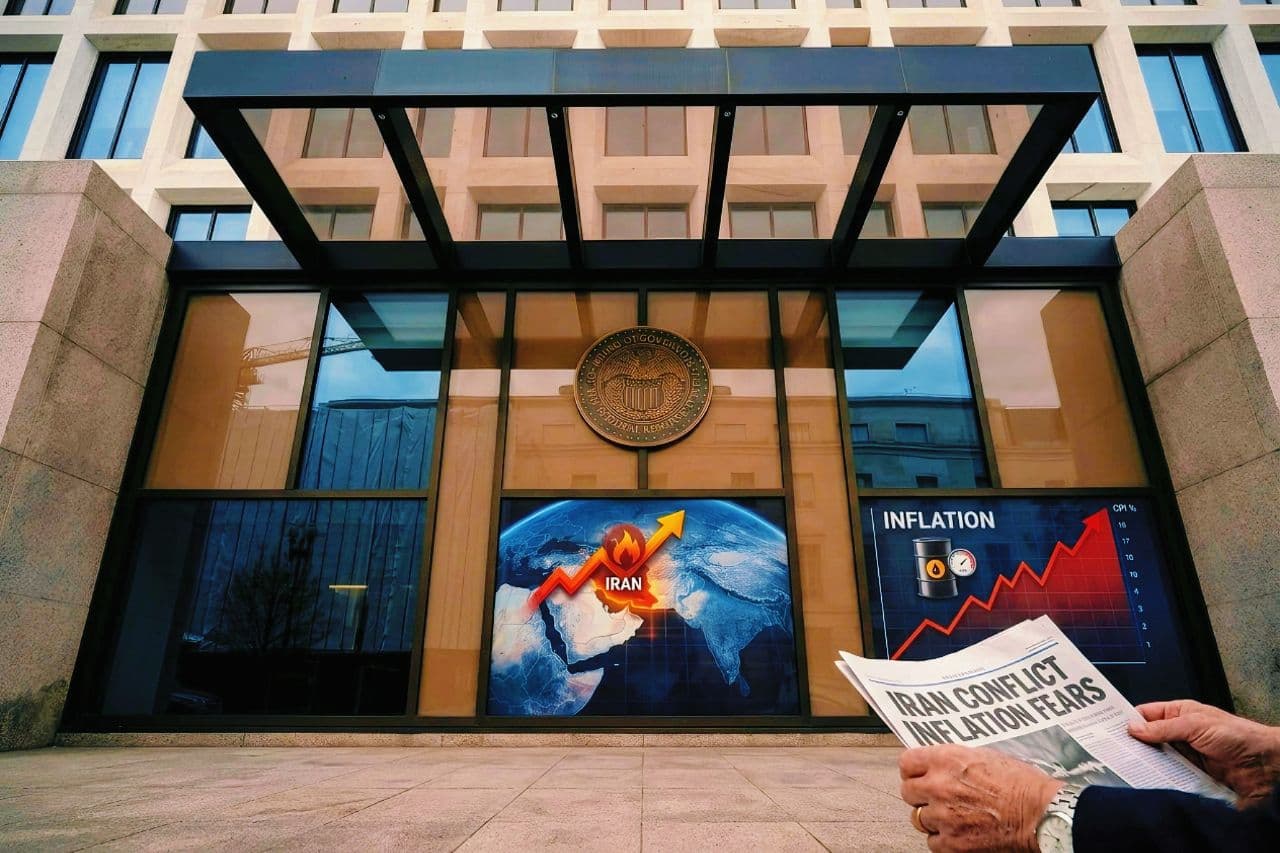
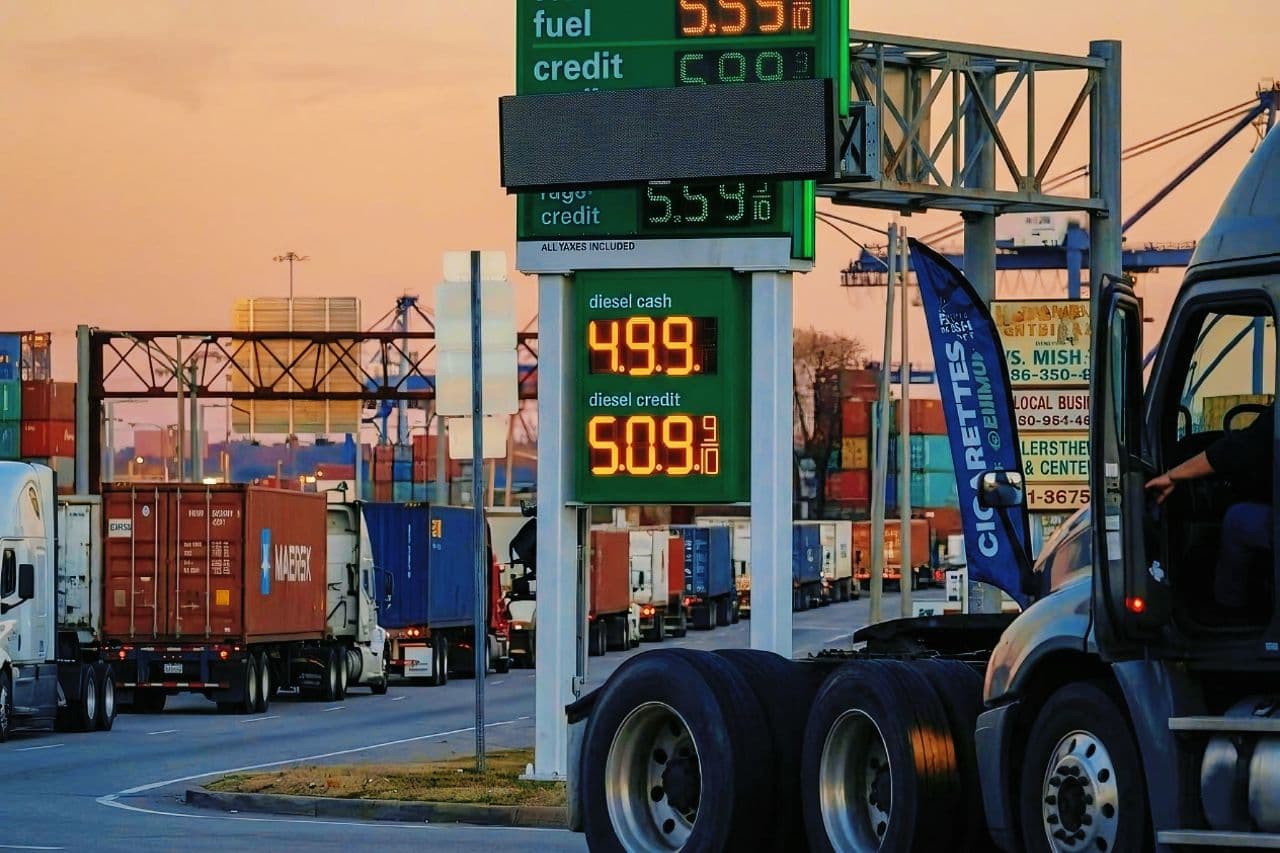
Example: If oil prices spike due to geopolitical tensions, transportation and manufacturing costs rise. Companies respond by increasing prices, triggering cost-push inflation.






The Demand Factor in Cost-Push Inflation
For cost-push inflation to take hold, demand must remain steady while supply contracts. This condition known as inelastic demand means consumers continue purchasing even as prices rise due to production cost increases.
Historical Example:
During the 1970s oil crisis, OPEC raised oil prices sharply. Global demand for oil stayed constant, but higher energy costs drove up the price of finished goods triggering widespread inflation.
Price-Quantity Dynamics:
When production costs rise:
- Aggregate supply shifts left from AS1 to AS2
- Price level increases from P1 to P2
- Output declines, but demand holds—forcing companies to raise prices to protect margins
This supply-side pressure causes inflation even without a change in consumer behavior.






Demand-Pull Inflation: When Demand Outpaces Supply
Demand-pull inflation happens when aggregate demand rises faster than the economy’s ability to produce goods and services. This surge in demand comes from four key sectors:
- Households
- Businesses
- Governments
- Foreign buyers
What Triggers It?
When all sectors compete for limited output, prices rise as buyers “bid up” the cost of goods. This is often described as “too much money chasing too few goods.”
Common causes include:
- Economic expansion
- Government stimulus or tax cuts
- Foreign demand growth
- Currency depreciation, which boosts exports and raises import costs
Result: As demand increases from AD1 to AD2, supply remains fixed in the short run. Companies respond by raising prices to manage higher production costs and maintain profit margins.






Supply and Demand: How Inflation Responds to Market Pressure
When aggregate demand rises from AD1 to AD2 it doesn’t immediately shift aggregate supply. Instead, it causes a movement along the supply curve, increasing the quantity supplied but also raising the price level.
Why Supply Doesn’t Shift Instantly
- Demand reacts faster to economic changes than supply
- Production constraints (e.g., full capacity, limited labor) slow supply-side adjustments
- Firms face rising marginal costs as they ramp up output
To meet higher demand, companies may:
- Pay overtime wages
- Invest in new equipment
- Source additional materials at higher prices
These rising costs lead businesses to increase retail prices, contributing to demand-pull inflation similar to how cost-push inflation emerges from supply-side pressures.






Special Considerations: How Governments Respond to Inflation
Governments and central banks use targeted policies to manage both cost-push and demand-pull inflation:
Tackling Cost-Push Inflation
- Supply-side strategies aim to boost aggregate supply
- Tax cuts for businesses to lower production costs
- Subsidies or support for raw material access
- Infrastructure investment to ease supply bottlenecks
These measures help firms produce more at lower cost, easing price pressure.
Controlling Demand-Pull Inflation
- Contractionary policies reduce overall demand
- Raising interest rates to curb borrowing and spending
- Reducing government expenditures
- Increasing taxes to slow consumer demand
These steps help cool an overheated economy and stabilize prices.






What Causes Inflation?
Inflation is the sustained rise in the overall price level of goods and services, leading to reduced purchasing power. Four primary forces drive inflation:
Cost-Push Inflation
Occurs when production costs rise due to higher wages, raw material prices, or taxes causing a decline in aggregate supply and pushing prices upward.
Demand-Pull Inflation
Happens when aggregate demand outpaces supply. As households, businesses, governments, and foreign buyers compete for limited goods, prices rise.
Money Supply Expansion
When central banks inject more money into the economy, consumers and businesses have more to spend fueling demand and driving up prices.
Falling Demand for Money
If people prefer spending over saving, the velocity of money increases, which can amplify inflation even if the money supply remains stable.






What Caused the Current Inflation Cycle?
The recent global inflation surge was triggered by a combination of pandemic-related disruptions and economic responses:
Pandemic Shock (2020–2021)
- COVID-19 lockdowns disrupted global supply chains
- Commodity prices—especially energy and food—rose sharply
- Production delays and shipping bottlenecks reduced supply
Wage Pressure & Cost-Push Inflation (2022)
- Workers demanded higher wages to offset rising living costs
- Businesses raised prices to maintain margins
- This led to classic cost-push inflation, where rising input costs drive up consumer prices
Lingering Effects (2023–2024)
- Supply chains remain fragile
- Inflation rates are still elevated compared to pre-pandemic norms
- Central banks continue adjusting interest rates to stabilize prices






What Is a Good Inflation Rate?
The Federal Reserve considers an annual inflation rate of 2% to be ideal for a healthy economy. This target strikes a balance between:
- Price stability
- Consumer purchasing power
- Sustainable economic growth
Why 2%?
- Encourages moderate spending and investment
- Prevents deflation, which can stall economic activity
- Allows room for wage growth and business expansion
Central banks worldwide often adopt similar targets to guide monetary policy, using tools like interest rates to keep inflation near this benchmark.






The Bottom Line
The law of supply and demand is the foundation of how market economies function. But when imbalances occur, two major types of inflation can disrupt stability:
Cost-Push Inflation
Happens when supply shrinks due to rising production costs like wages, raw materials, or taxes. Businesses pass these costs to consumers, driving up prices.
Demand-Pull Inflation
Occurs when demand surges beyond what the economy can produce. As buyers compete for limited goods, prices rise especially during periods of rapid growth.
Both forms of inflation can lead to:
- Reduced purchasing power
- Higher operating costs for businesses
- Strained household budgets