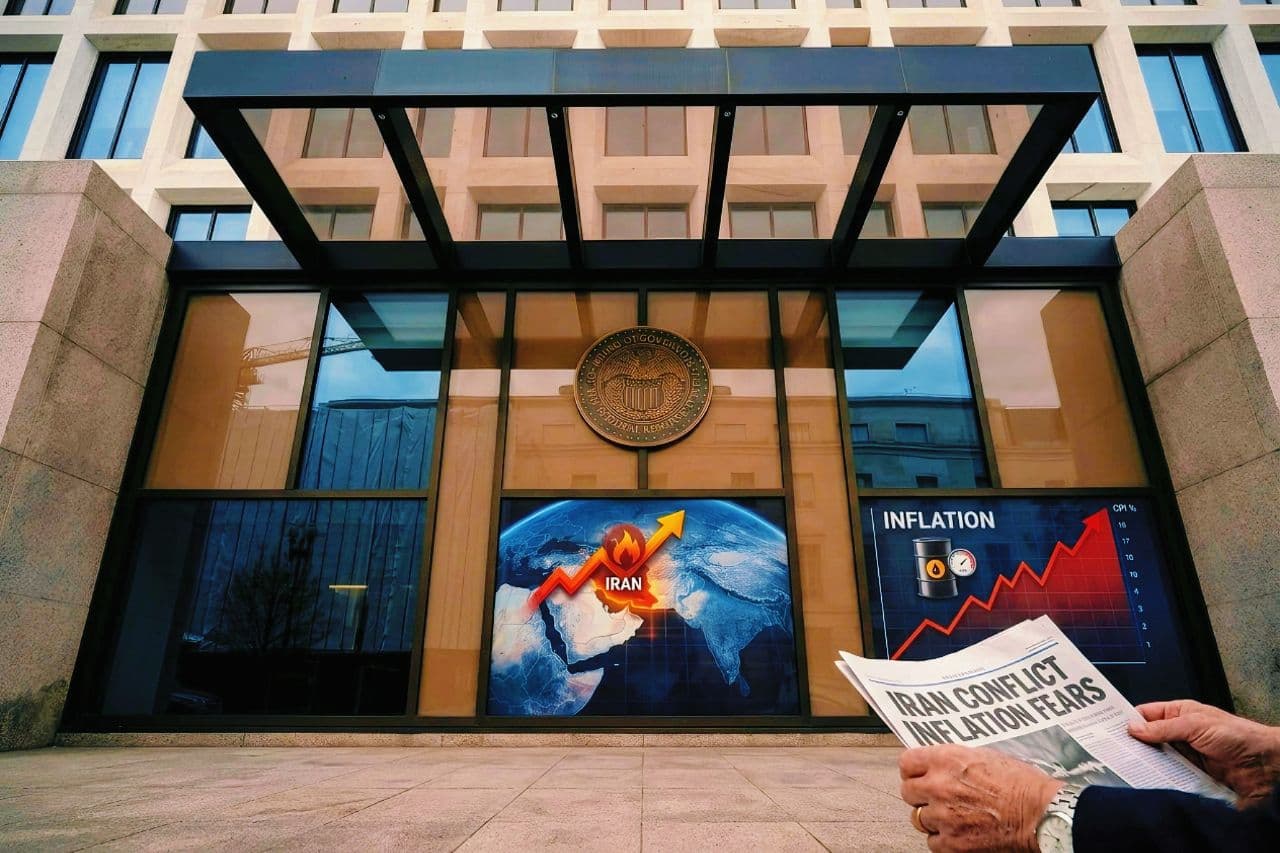
CPI Report Live: Inflation Data Brings Welcome Surprise in 2026
- The latest Consumer Price Index (CPI) report delivered a positive shock, showing inflation cooling more than expected. This “welcome surprise” reassures markets and policymakers that price pressures may finally be easing, strengthening the case for the Federal Reserve to hold rates steady while monitoring progress.
- For households and businesses, softer inflation means potential relief on borrowing costs and improved confidence in the economic outlook. Investors are watching closely, as CPI data remains one of the most influential drivers of Fed decisions and market sentiment.
Key Takeaways
CPI Data Eases Inflation Concerns
The January Consumer Price Index rose 2.4% year-over-year, down from 2.7% in December and marking the lowest level since May. This “welcome surprise” came in below economists’ expectations, offering reassurance that inflationary pressures are cooling. The report, delayed briefly by a government shutdown, was released at 8:30 a.m. ET and will weigh heavily on the Federal Reserve’s next policy decision.
The Fed held rates steady in January after three consecutive cuts, citing stubborn inflation. With this softer CPI reading, officials may gain more confidence in easing policy further, though caution remains until inflation moves closer to the 2% target. For markets, the data strengthens expectations of stability and potential rate adjustments later in the year.


Food Inflation Mixed in January
January’s CPI report showed sharp contrasts in food prices. Some items surged:
- Canned vegetables (+5.5%)
- Other condiments (+5.3%)
- Bacon and related products (+4.3%)
- Canned fruits (+4.2%)
- Fresh fish and seafood (+3.6%)
Meanwhile, other staples saw relief:
- Eggs (-7%)
- Pork chops (-4.1%)
- Lettuce (-2.8%)
- Tea and other beverage materials (-2.8%)
- Oranges and tangerines (-2.6%)
This divergence highlights how inflation pressures remain uneven across categories. While processed and trade-exposed goods are rising, fresh produce and proteins are easing, offering mixed signals for households and policymakers.


Markets React Calmly to Softer Inflation
Stock futures ticked slightly higher after January’s CPI report showed prices rising less than expected. The Dow Jones Industrial Average and S&P 500 each gained about 0.1% in early trading, while Nasdaq 100 futures steadied after earlier declines.
Bond markets also responded: the 10-year Treasury yield slipped to 4.09% from 4.11% at Thursday’s close, signaling investor confidence that cooling inflation could ease pressure on borrowing costs.
This modest market reaction reflects cautious optimism investors welcome softer inflation but remain watchful for the Fed’s next move in March.


.jpg&w=828&q=75)
Softer Inflation Buys Fed Time
January’s CPI data, showing inflation cooling to 2.4% year-over-year, gives the Federal Reserve breathing room to pause and assess how the economy evolves. According to CME’s FedWatch Tool, traders now see a 70% chance of a rate cut in June, up from 66% before the report.
Economists like Moody’s Matt Colyar note that the combination of softer inflation and strong payrolls supports Fed officials who want to keep the easing cycle on hold for now. In short, the Fed is likely to wait for more evidence before moving again, balancing optimism about inflation progress with caution about declaring victory too soon.
Inflation Trends Show Mixed Signals
January’s CPI data revealed sharp divergences across categories. Prices dropped most in:
- Fuel oil (-5.7%)
- Gasoline (all types) (-3.2%)
- Used cars and trucks (-1.8%)
Meanwhile, inflation accelerated in:
- Transportation services (+1.4%)
- Utility (piped) gas service (+1.0%)
- Apparel (+0.3%)
- Medical care services (+0.3%)
This split highlights how energy costs are easing, offering relief to consumers, while services and essentials like utilities continue to see upward pressure. For the Federal Reserve, these mixed signals reinforce the need for caution progress on inflation is evident, but not yet consistent across the economy.
Inflation Was Tame in January
The January CPI report showed inflation easing, with headline CPI rising 2.4% year-over-year, down from 2.7% in December the lowest since May. Core inflation also cooled to 2.5%, the lowest since March 2021, reinforcing signs that price pressures are moderating. Economists view core inflation as a more reliable gauge since it excludes volatile food and energy costs.
Oxford Economics’ Bernard Yaros noted that January’s softer reading was a “welcome surprise,” contrasting with past years when seasonal factors and delayed price adjustments often produced upside shocks. For the Federal Reserve, this report strengthens the case for patience: inflation is moving closer to target, but officials remain cautious about declaring victory too soon.
Fed Still Split on Inflation vs. Rate Cuts
Federal Reserve officials remain cautious about inflation, even after January’s softer CPI report.
- Jeffrey Schmid (Kansas City Fed) warned inflation could get stuck closer to 3% if vigilance slips.
- Lorie Logan (Dallas Fed) expects progress but isn’t confident inflation will return fully to 2%.
- Beth Hammack (Cleveland Fed) pointed to rising goods inflation tied to global trade and tariffs.
By contrast, Stephen Miran (Fed Governor) continues to push for aggressive rate cuts, arguing that expanding the supply side of the economy allows monetary policy to accommodate lower rates.
This divide highlights the Fed’s balancing act: inflation progress is real, but concerns remain strong enough that most officials prefer holding rates steady for now, while Miran presses for deeper easing.
Why Inflation Matters to the Fed
Inflation is central to the Federal Reserve’s mission because of its dual mandate: keep prices stable while supporting maximum employment. When inflation runs too high, it erodes purchasing power and destabilizes markets. When it’s too low, it can signal weak demand and economic stagnation.
Right now, the Fed faces a tug-of-war:
- Cut rates: could stimulate the job market, as seen late last year.
- Hold rates higher: helps push inflation down toward the 2% target.
January’s stronger-than-expected labor market report complicates the picture, while softer inflation data gives the Fed some breathing room. The challenge is balancing both sides of the mandate without tipping the economy into overheating or slowdown.
Where Inflation Comes From Matters
January’s CPI report showed overall progress, but economists stress that the source of inflation is just as important as the headline number.
- Tariff-related goods: Fed officials have signaled they can “look through” these as one-time price level shifts.
- Non-tariff sectors: Rising prices here are more concerning, since they suggest broader inflationary pressures.
- Core inflation: If it runs hotter than headline CPI, especially in services, that raises red flags. Stickier services inflation is harder to tame and could keep the Fed cautious.
As Realtor.com’s Jake Krimmel noted, “Stickier services inflation would be harder to ignore.” This means the Fed will pay close attention not just to the overall CPI, but to which categories are driving price changes a key factor in deciding whether to hold or cut rates in the months ahead.
December’s Inflation Held Steady
The December CPI report showed headline inflation at 2.7% year-over-year, unchanged from November and in line with forecasts. Core inflation, which excludes food and energy, eased to 2.6%, coming in below expectations of 2.8%.
The details were mixed for households:
- Relief: Used-car prices fell 1.1%, new-car prices were flat, and gasoline dipped 0.5%.
- Pressure: Food prices rose 0.7%, the sharpest monthly increase since September 2022. Shelter costs climbed 0.4%, reversing a prior slowdown.
Overall, December’s report reinforced the narrative of cooling inflation but highlighted persistent pressures in essentials like food and housing key areas the Fed continues to monitor closely.
Economists Expected Softer Inflation in January
Ahead of the January CPI release, economists surveyed by Dow Jones Newswires and The Wall Street Journal forecasted headline inflation at 2.5% year-over-year, down from 2.7% in December marking the lowest level since May. Core inflation was expected to ease to 2.5%, its lowest since 2021, reflecting broader cooling trends once volatile food and energy prices are excluded.
The anticipation of tame inflation set the stage for markets and policymakers, reinforcing expectations that the Fed would gain more breathing room to pause rate cuts while monitoring progress toward its 2% target.
What the CPI Report Is
The Consumer Price Index (CPI) is the most widely used measure of inflation in the U.S. Each month, the Bureau of Labor Statistics (BLS) releases the report, which tracks the average change in prices for a representative basket of goods and services.
Key details:
- Scope: Covers about 80,000 retail stores, service providers, rental units, and doctors’ offices nationwide.
- Method: Prices are weighted to reflect consumer spending patterns.
- Purpose: Used to gauge inflation (rising prices) or deflation (falling prices), guiding Federal Reserve policy and shaping household budgets.
Because CPI reflects everyday costs like food, housing, transportation, and medical care it’s one of the most influential economic indicators, directly impacting interest rates, wages, and financial markets.
The Bottom Line
The January CPI report showed inflation cooling to 2.4% year-over-year, down from 2.7% in December the lowest since May. Core inflation also eased to 2.5%, its lowest since March 2021. This “welcome surprise” reassures markets and policymakers that price pressures are moderating, though Fed officials remain cautious about declaring victory.
For households, the impact is mixed: energy and used-car prices fell, offering relief, while food and shelter costs continued to rise. For the Federal Reserve, the softer reading strengthens the case for patience holding rates steady while watching whether inflation continues to move toward the 2% target.