Crypto Market Meltdown: What Traders Should Watch After $19B Liquidation
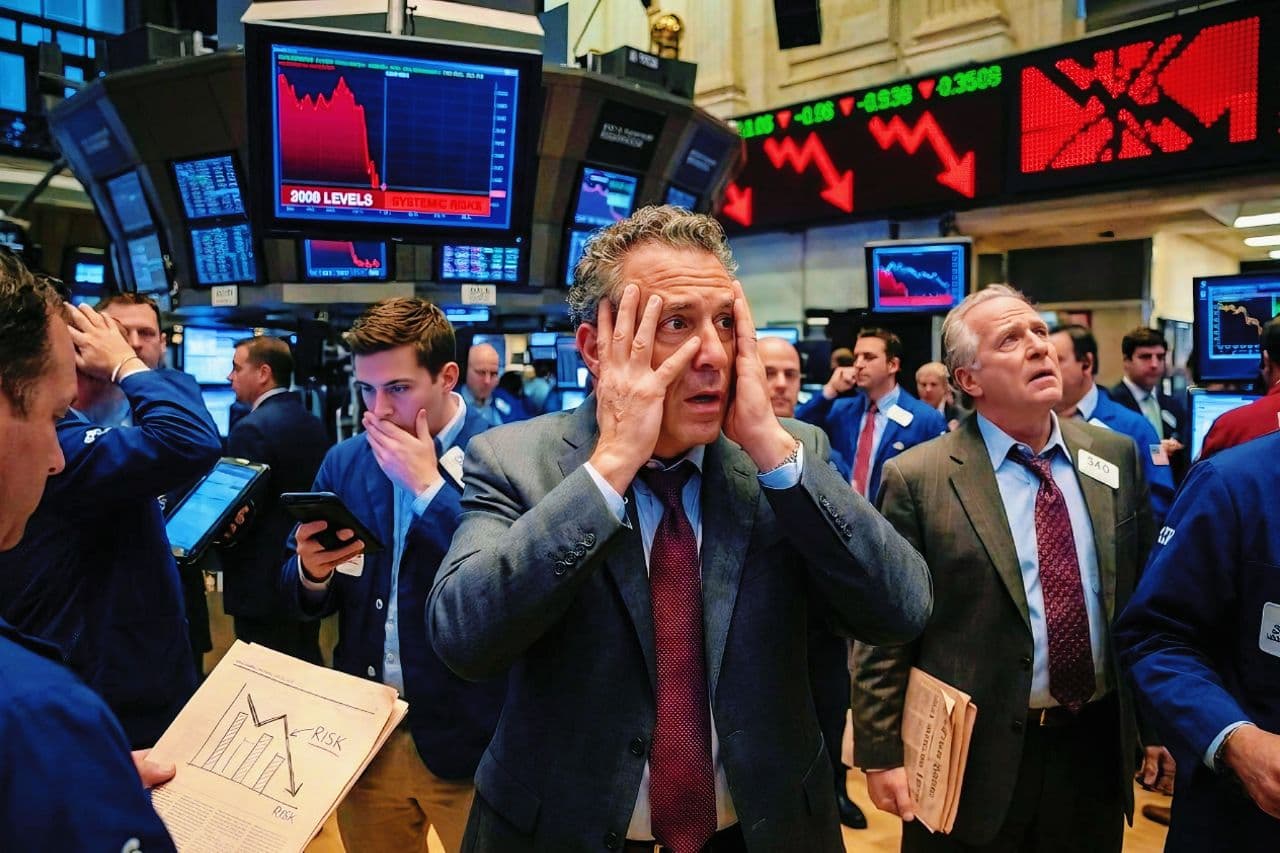
- Bitcoin briefly dropped under $110,000 on October 10, marking what traders are calling the largest single-day liquidation in crypto history. The selloff wiped out billions in leveraged positions, triggering a cascade of forced exits across major exchanges.
- Smaller altcoins were hit even harder, with some losing up to 80% of their value over the weekend. The shockwave extended into equities tied to digital assets—crypto-linked stocks like Coinbase, Circle, and MicroStrategy are all sharply lower as of Tuesday, reflecting broader investor unease.
Key Takeaways
This weekend’s crypto wipeout erased over $19 billion in leveraged positions, marking one of the most aggressive single-day purges in digital asset history. Bitcoin plunged below $110,000, altcoins saw losses of up to 80%, and crypto-linked stocks followed suit. The selloff was triggered by renewed U.S. China trade tensions and amplified by thin liquidity and panic exits.
Despite the chaos, blockchains held firm, and no major crypto institutions collapsed an encouraging sign for long-term stability. Traders are now watching whether Bitcoin can hold above key support near $100,000 and whether institutional players re-enter the market as volatility cools.
Crypto Market Purge Triggered by U.S.–China Trade War—Bitcoin Diverges from Gold
Friday’s renewed U.S. China trade tensions sparked what analysts now call the largest single-day crypto liquidation in history. Over $19 billion in leveraged positions were wiped out within 24 hours, impacting roughly 1.6 million traders, according to Coinglass who noted the real figure is likely even higher.
Bitcoin, previously climbing on the debasement narrative, broke correlation with gold after Beijing restricted rare-earth exports and President Trump responded with a 100% tariff threat. The result: Bitcoin reversed course, falling in line with risk assets like equities and shedding gains from its recent record high.
“The concerns over an increase in tariffs were undeniably the catalyst,” said Sean Farrell, head of digital assets at Fundstrat, in a Monday report.


Investors looking to hedge against geopolitical instability and the weakening U.S. dollar have historically turned to gold and Bitcoin. But the latest escalation in the U.S. China trade war has disrupted that dynamic. Bitcoin, once seen as a digital alternative to gold, is now trading more like a high-beta risk asset mirroring stock market behavior rather than diverging from it.
This shift matters because it challenges the narrative that Bitcoin can act as a safe-haven store of value during macroeconomic stress. With gold climbing to new highs and Bitcoin pulling back, traders are recalibrating expectations and watching closely to see whether BTC can reclaim its hedge status or remain tethered to broader risk sentiment.


Crypto Liquidity Crunch Triggers Price Dislocations—BTC Recovers, Stocks Lag
The crypto market’s structural fragility intensified the weekend’s selloff. As traders rushed to exit during low-liquidity hours typically outside U.S. stock market sessions selling pressure cascaded through major tokens. Bitcoin (BTCUSD) briefly dropped below $110,000, while Ethereum (ETHUSD) and Solana (SOLUSD) posted double-digit losses. Some smaller altcoins lost as much as 80% of their value.
The volatility exposed pricing gaps across exchanges. Solana, for instance, traded nearly $20 lower on Binance than on Coinbase at one point, highlighting fragmented liquidity. According to Coinglass, most of the $19 billion in liquidations between Oct. 10 and 11 occurred on Hyperliquid, Bybit, and Binance.
Prices have started to rebound Bitcoin recently climbed back above $112,000 but crypto-linked equities remain under pressure. Shares of MicroStrategy (MSTR), Coinbase (COIN), Circle (CRCL), and Robinhood (HOOD) all traded lower in recent sessions. Still, BlackRock CEO Larry Fink reaffirmed confidence in digital assets, stating, “There is a role for crypto in the same way there is a role for gold.”