December CPI Report Shows Inflation Cooling as Consumer Prices Rise Below Expectations
- Inflation came in cooler than expected in December as falling used‑car prices helped drag down the overall rate.
- Food costs, however, climbed at their fastest pace in more than three years, signaling pressure on household budgets despite easing headline inflation.
- Tariffs weighed less than anticipated, with prices for goods outside food and energy holding flat for the first time since May, offering a mixed picture of consumer price trends.
Key Takeaways
December CPI Shows Inflation Relief as Core Prices Rise Below Forecasts
A key measure of inflation rose less than expected in December, providing some relief to households after years of steep cost‑of‑living increases. The Consumer Price Index advanced 2.7% for the month, the Bureau of Labor Statistics reported Tuesday, matching November’s annual pace and aligning with economist forecasts.
The core CPI, which excludes volatile food and energy costs, increased 2.6% year‑over‑year. That figure came in below the median forecast of 2.8%, signaling softer underlying price pressures and reinforcing expectations of cooling inflation trends.
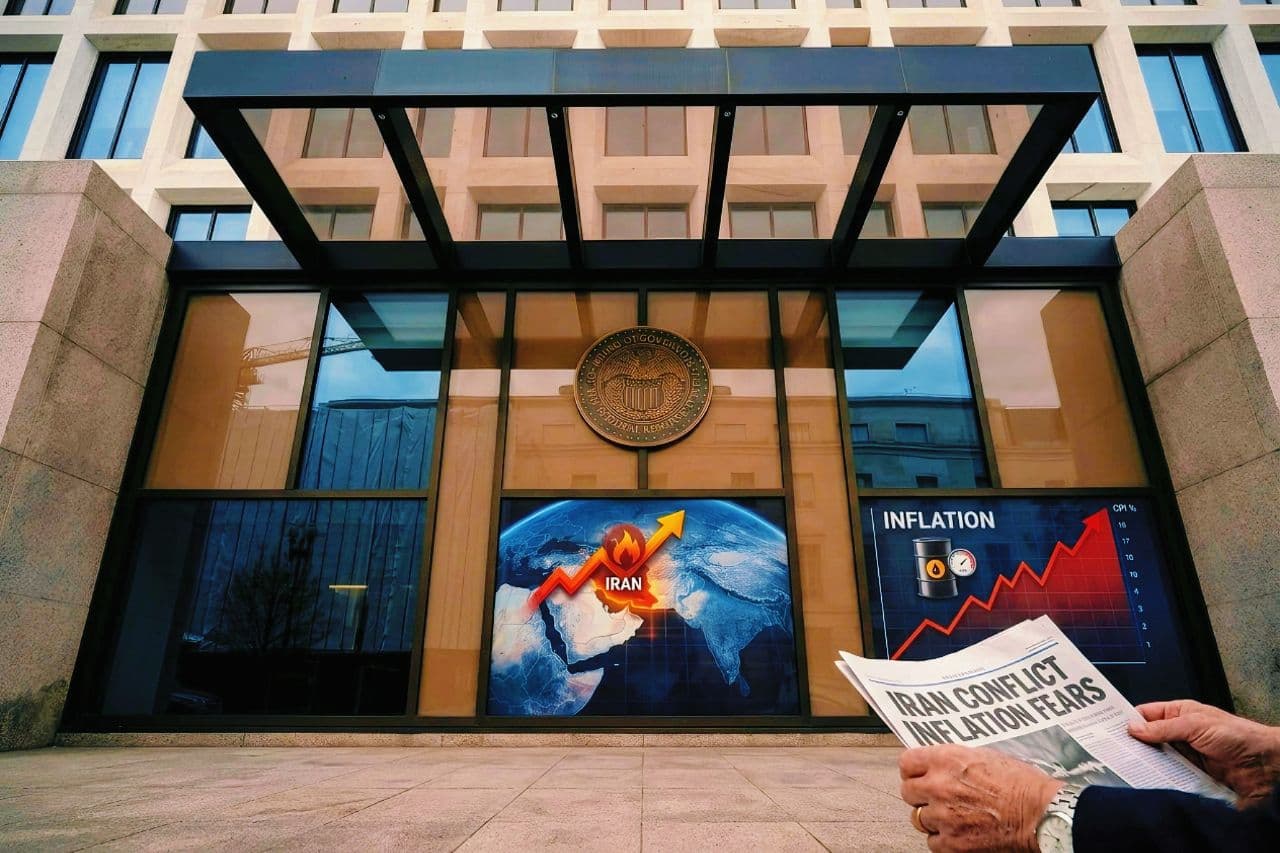
More subdued inflation readings could give the Federal Reserve room to lower interest rates, offering relief to a job market that has shown signs of weakness. A cooling Consumer Price Index strengthens the case for monetary easing, potentially boosting hiring and consumer confidence while supporting broader economic growth.






Inflation Eases as Car and Gas Prices Fall, Offering Relief to U.S. Households
Inflation remains above the Federal Reserve’s 2% target, but December’s flat reading marks an improvement compared to 2025. Economists noted that last year’s price hikes were largely driven by President Donald Trump’s tariff campaign.
David Russell of TradeStation commented that “Americans have waited for a long time since the pandemic, and now they’re starting to get relief on prices.”
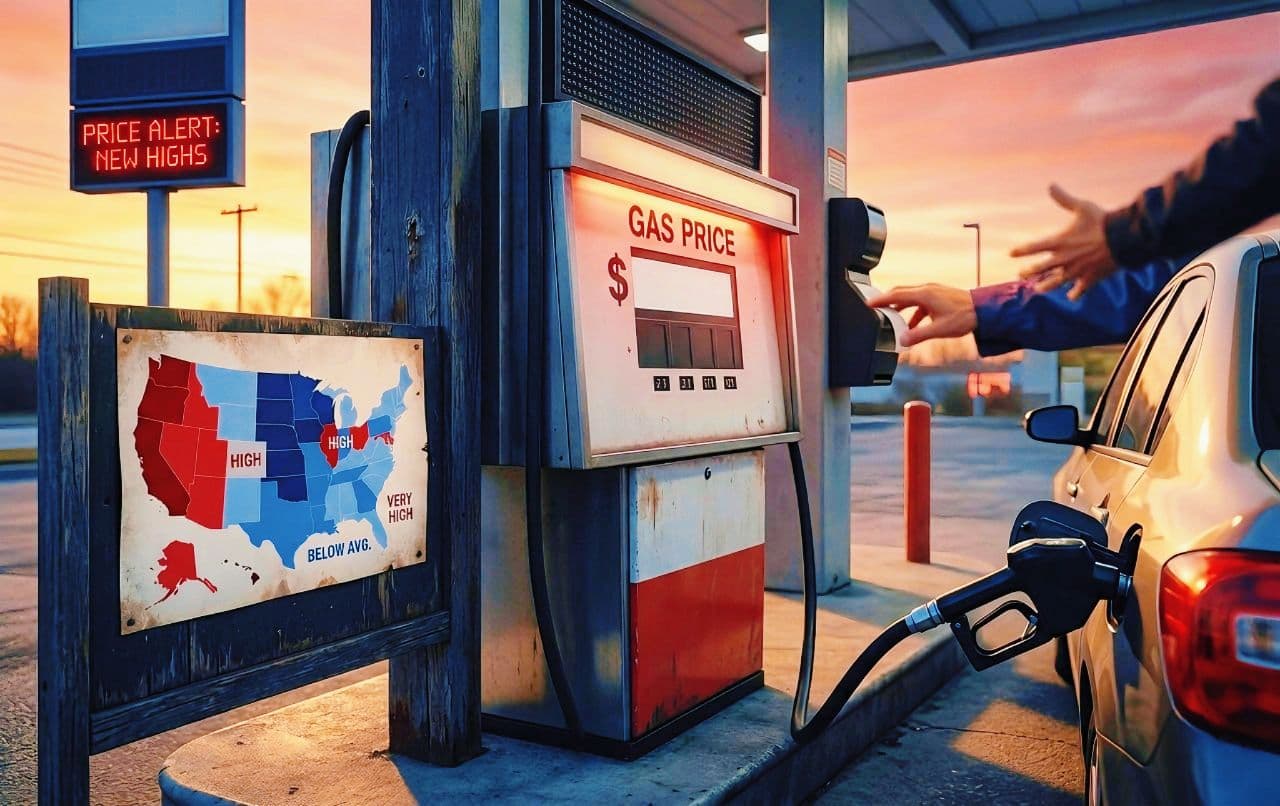
The report showed mixed impacts on household budgets: used car prices dropped 1.1%, new car prices stayed flat, and gas prices fell 0.5%, all helping to keep overall inflation from rising further.






Tariff Impact Muted as Core Goods Prices Stay Flat, But Food Costs Surge
December’s inflation report showed that core goods prices, the category most affected by tariffs, stayed flat for the first time since May contrasting with steady increases earlier in the year. Economists noted this suggests tariffs have had a far more muted impact on inflation than feared, with U.S. retailers likely absorbing costs through tighter profit margins.
On the other hand, food prices rose 0.7%, the sharpest monthly increase since September 2022, while shelter costs climbed 0.4%, reversing a prior slowdown. Analysts cautioned that despite easing headline inflation, pockets of rapid price increases remain, limiting expectations for a swift slowdown.






December CPI Marks First Clean Report Since Government Shutdown Disrupted Inflation Data
Tuesday’s inflation report was the first in months unaffected by the government shutdown in October and November. During the closure, the Bureau of Labor Statistics and other agencies halted operations, leaving October’s CPI unreleased and November’s data incomplete or delayed. Economists cautioned that November’s figures should be viewed skeptically, making December’s report a more reliable gauge of inflation trends.






Fed Likely to Pause Rate Cuts Despite Softer December Inflation
Tuesday’s inflation report did little to alter expectations for the Federal Reserve’s next move. According to the CME Group’s FedWatch tool, the Fed is widely expected to keep its benchmark rate flat at its upcoming meeting.
Officials remain divided: some argue for keeping rates higher for longer to fight inflation, while others see room to ease policy to support a weakening job market. The Fed has trimmed rates by a quarter‑point at each of its last three meetings, but the current 3.5% 3.75% range is still considered “restrictive.”
Analysts, including Scott Anderson of BMO Capital Markets, believe most FOMC members will vote to pause cuts in January, awaiting clearer evidence of progress on inflation before resuming normalization.






Fed Independence in Spotlight as Inflation Cools and Trump Pushes for Rate Cuts
Recent tame inflation reports could pave the way for the Federal Reserve to cut rates later this year, giving policymakers more flexibility to respond to labor market weakness. Michael Pearce of Oxford Economics noted that fading inflation fears may allow officials to act more freely if job conditions deteriorate.
However, analysts caution that inflation data may lose its role as the primary market driver. Instead, attention is shifting to the Trump Administration’s escalating pressure on the Fed to lower rates more aggressively, raising concerns about central bank independence. Alexandra Wilson‑Elizondo of Goldman Sachs Asset Management emphasized that inflation prints may become a “background constraint” as risks to Fed autonomy take center stage.






The Bottom Line
December’s CPI report confirmed that inflation is cooling, offering households some relief and giving the Federal Reserve more room to maneuver. While tame price data could eventually pave the way for further rate cuts, Fed officials remain cautious, balancing inflation control against a weakening job market.
At the same time, political pressure from the Trump Administration has shifted focus toward the Fed’s independence, raising concerns that monetary policy decisions may be influenced by factors beyond inflation data. For investors, the takeaway is clear: inflation trends matter, but the bigger story may be how the Fed navigates its autonomy in the months ahead.