Embattled Fed Official Has Lost Key Economic Data Point: Diner Chatter
- Legal Battle at the Fed: Governor Lisa Cook made her first public comments since filing a lawsuit to block President Donald Trump’s attempt to remove her from office, but she declined to discuss the case’s details.
- Shutdown Disrupts Economic Data: The ongoing government shutdown has stalled key economic reports, forcing the Federal Reserve to rely on private data and anecdotal evidence—making it harder to manage inflation and employment targets.
Key Takeaways
What Happened
- Federal Reserve Governor Lisa Cook made her first public remarks since President Donald Trump attempted to remove her from office.
- Cook declined to discuss the details of her lawsuit against Trump but shared how the controversy has affected her work.






The Data Point She Lost
- Cook used to visit diners in Virginia to listen to everyday conversations about inflation, a method she found valuable for gauging public sentiment.
- Due to her increased public profile and legal battle, she can no longer do this discreetly: “I can't do that anymore, but I interact with everyday people,” she said.






Why It Matters
- The government shutdown that began October 1 has delayed key economic reports, forcing Fed officials to rely more on anecdotal data and private surveys.
- Cook supports the Fed’s recent decision to cut interest rates by 0.25% and is undecided on further cuts in December.






Fed Independence at Risk?
- Trump’s attempt to fire Cook—based on accusations of falsified mortgage documents—has raised concerns about the Federal Reserve’s independence.
- Cook emphasized her support for Fed autonomy but avoided commenting directly on the legal case.






Lisa Cook’s Inflation Listening Post Goes Silent Amid Fed Turmoil
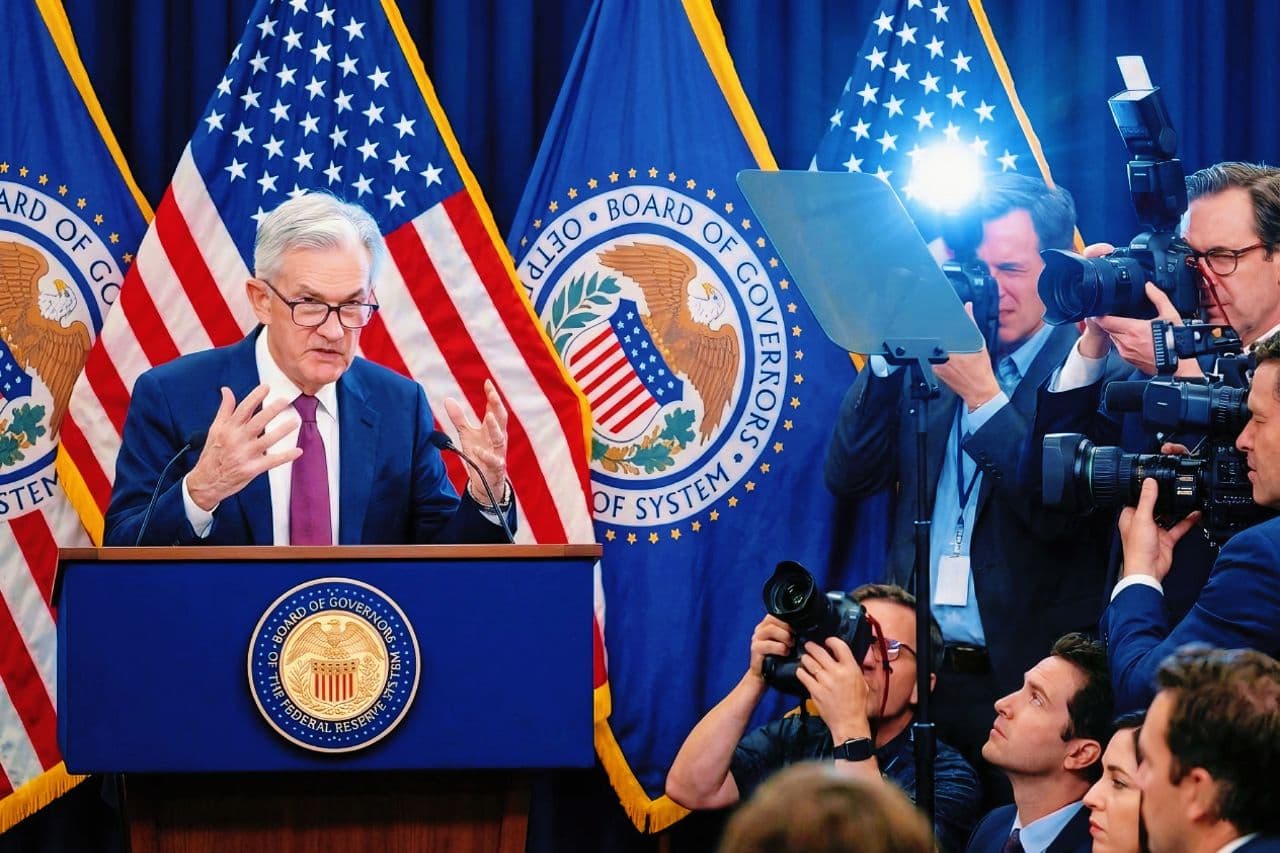
Federal Reserve Governor Lisa Cook revealed that her once-favored method of gauging inflation eavesdropping on diner conversations in Virginia is no longer viable due to her heightened public profile and legal battle with President Donald Trump. In her first public remarks since Trump attempted to remove her from office, Cook shared that the controversy has reshaped how she connects with everyday Americans and approaches her role at the Fed.
While she declined to discuss the lawsuit’s specifics, Cook emphasized the importance of staying grounded in real-world experiences as the Fed navigates its dual mandate: keeping inflation low and employment high. With official economic data delayed by the government shutdown, anecdotal insights like diner chatter have become even more valuable but harder to access.
This moment underscores the growing tension between political influence and central bank independence, as well as the Fed’s reliance on both hard data and human stories to guide interest rate decisions.






What This Means for the Economy: Fed Independence in the Spotlight
President Donald Trump’s attempt to remove Federal Reserve Governor Lisa Cook has sparked concern among analysts who view it as part of a broader effort to reshape the Fed’s leadership and exert greater influence over its policy decisions. If successful, such moves could undermine the Fed’s traditional independence a cornerstone of its ability to manage inflation and employment without political interference.
This tension arrives at a critical moment: the Fed is navigating rate cuts, inflation risks, and a government shutdown that’s delaying key economic data. Any erosion of its autonomy could disrupt market confidence, complicate monetary policy, and introduce uncertainty into the broader economy.






How the Government Shutdown Is Forcing the Fed to Rethink Its Data Sources
The government shutdown that began October 1 has cut off access to many of the Federal Reserve’s most critical economic indicators data it typically relies on to guide interest rate decisions. With official reports delayed, Fed officials like Lisa Cook are turning to alternative sources: private-sector data, limited internal surveys, and anecdotal feedback from business leaders and the public.
This isn’t entirely new. The Fed has long embraced unconventional signals to supplement its analysis. Former Chair Alan Greenspan famously tracked sales of men’s underwear as a quirky recession indicator reasoning that when consumers cut back on such basic purchases, economic trouble may be brewing.
In today’s data vacuum, these creative approaches are more than folklore they’re essential tools for navigating policy decisions amid uncertainty.






Lisa Cook Backs Fed Rate Cut, Defends Central Bank Independence Amid Legal Battle
In a recent speech and interview with David Wessel of The Brookings Institution, Federal Reserve Governor Lisa Cook affirmed her support for the Fed’s October decision to lower its benchmark interest rate by 0.25%. However, she remained undecided on whether another cut is warranted at the upcoming December meeting.
Cook declined to elaborate on her legal battle with President Donald Trump, who has attempted to remove her from office over allegations of falsified mortgage documents. Her lawsuit aims to block the dismissal, which many observers argue would threaten the Fed’s long-standing independence from direct White House control.
When asked directly about the Fed’s autonomy, Cook offered a brief but pointed response:
- “I’m not going to say much, but I support it.”
Her remarks underscore the delicate balance the Fed must maintain navigating political pressure, legal uncertainty, and economic volatility all while preserving its credibility as an independent policymaker.