Fed Chair Contender Predicts Return to 1% Inflation
- Most economists don’t expect inflation to dip below 2% anytime soon, highlighting the challenge of Hassett’s goal.
- Kevin Hassett, frontrunner to become the next Federal Reserve chair, is aiming for 1% inflation.
- A 1% inflation rate would mark the lowest level since the Obama era, excluding the pandemic years.
Key Takeaways
Hassett Sees Path Back to 1% Inflation With Strong Growth
If there were a moment to rewind inflation trends, July 2016 would stand out. That was the last time the Consumer Price Index rose by less than 1% over a 12‑month span without pandemic distortions affecting the global economy.
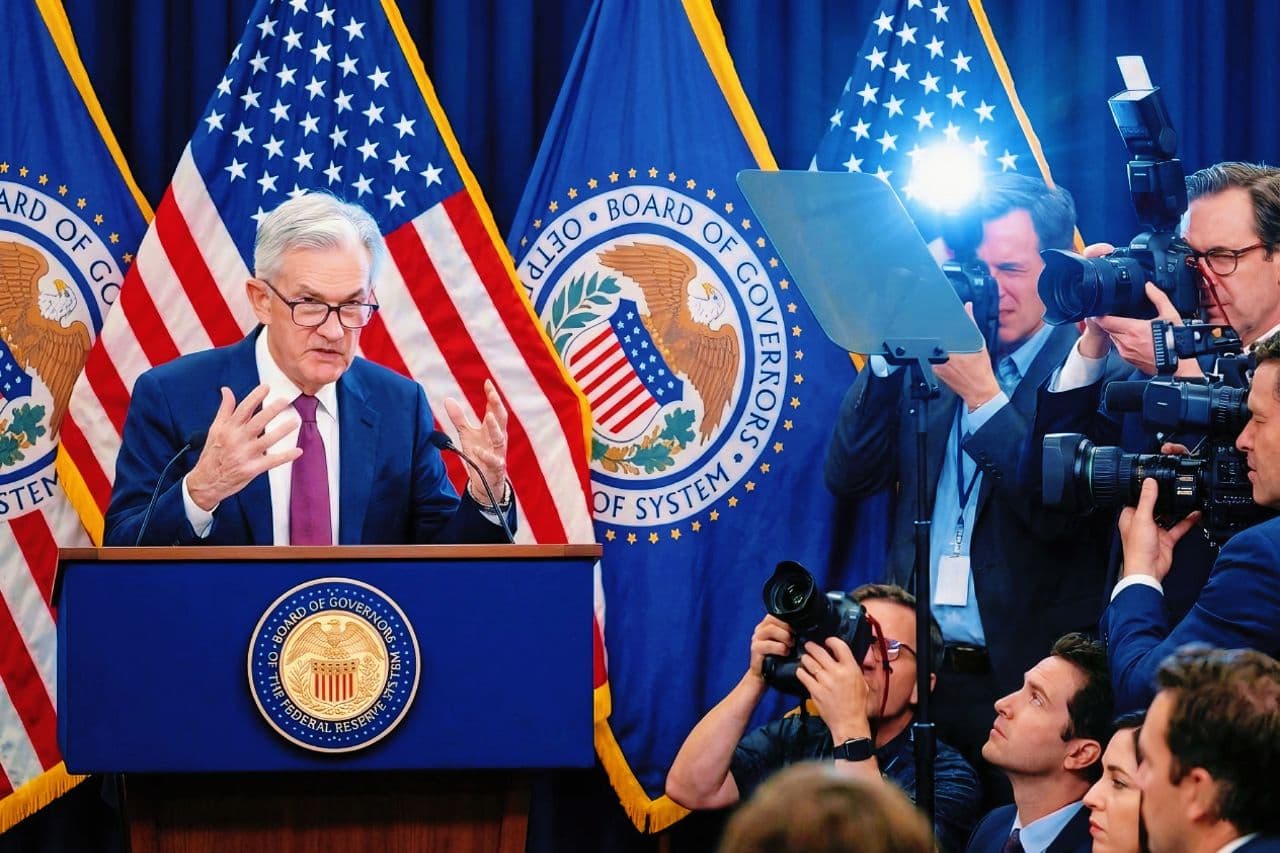
Kevin Hassett, director of the National Economic Council, argues the U.S. could return to that environment. He envisions a late‑2010s‑style economy marked by rapid growth and low inflation, supported by the Federal Reserve keeping interest rates near historic lows.
“We got 3% growth and 1% inflation after a big supply side shock,” Hassett told CNBC on Tuesday. “And I think that’s what could happen again.”
A 1% inflation rate would dramatically slow price increases, meaning costs would double only every 72 years compared with every 24 years under today’s 3% inflation pace.
Inflation at 1% paired with 3% economic growth, as Kevin Hassett suggests, would represent an extraordinary scenario. While theoretically possible, most economists remain skeptical, noting that such a balance of low inflation and strong expansion is rarely achieved and unlikely to materialize in the near term.






Challenges Ahead for Reaching 1% Inflation
Achieving a 1% inflation rate would be a steep climb. Inflation has not fallen below the Federal Reserve’s 2% target since 2021, and most economists project it will remain above that threshold for several years, underscoring the difficulty of returning to ultra‑low levels.






Hassett Touts Trump’s Policies as Path to Lower Inflation
Kevin Hassett argues that Donald Trump’s economic agenda could ultimately bring inflation down. While no longer the clear frontrunner to succeed Jerome Powell as Federal Reserve chair when his term ends in May, prediction markets still place Hassett ahead of former Fed Governor Kevin Warsh as the favored candidate.