Fed Independence at Stake: Powell Resists Trump Administration Pressure on Interest Rate Policy
- The Federal Reserve was served subpoenas Friday in a criminal investigation involving Chair Jerome Powell’s June testimony about renovations at the Fed’s headquarters.
- Analysts view the probe as an escalation of Trump’s broader effort to remove Powell from his role at the independent central bank.
- Powell dismissed the investigation as a pretext, warning it poses a direct threat to the Federal Reserve’s independence, which operates outside of White House control.
Key Takeaways
Powell vs. Trump: Fed Independence Tested Amid DOJ Probe and Interest Rate Pressure
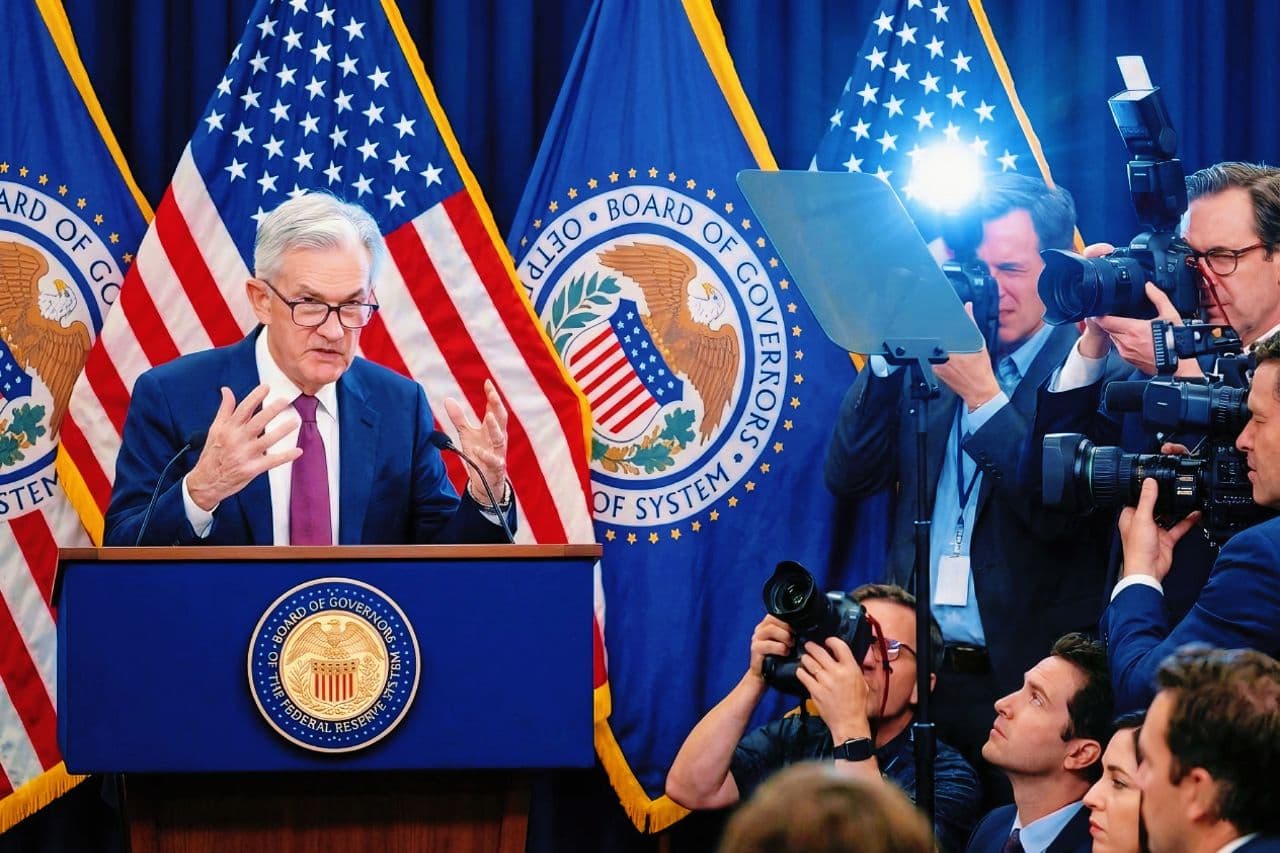
In a rare and forceful statement, Federal Reserve Chair Jerome Powell accused the Trump administration of waging an intimidation campaign against the nation’s independent central bank. His remarks, released in a Fed video Sunday, followed the Department of Justice’s launch of a criminal investigation and Grand Jury subpoenas tied to his June testimony about renovations at the Fed’s headquarters.
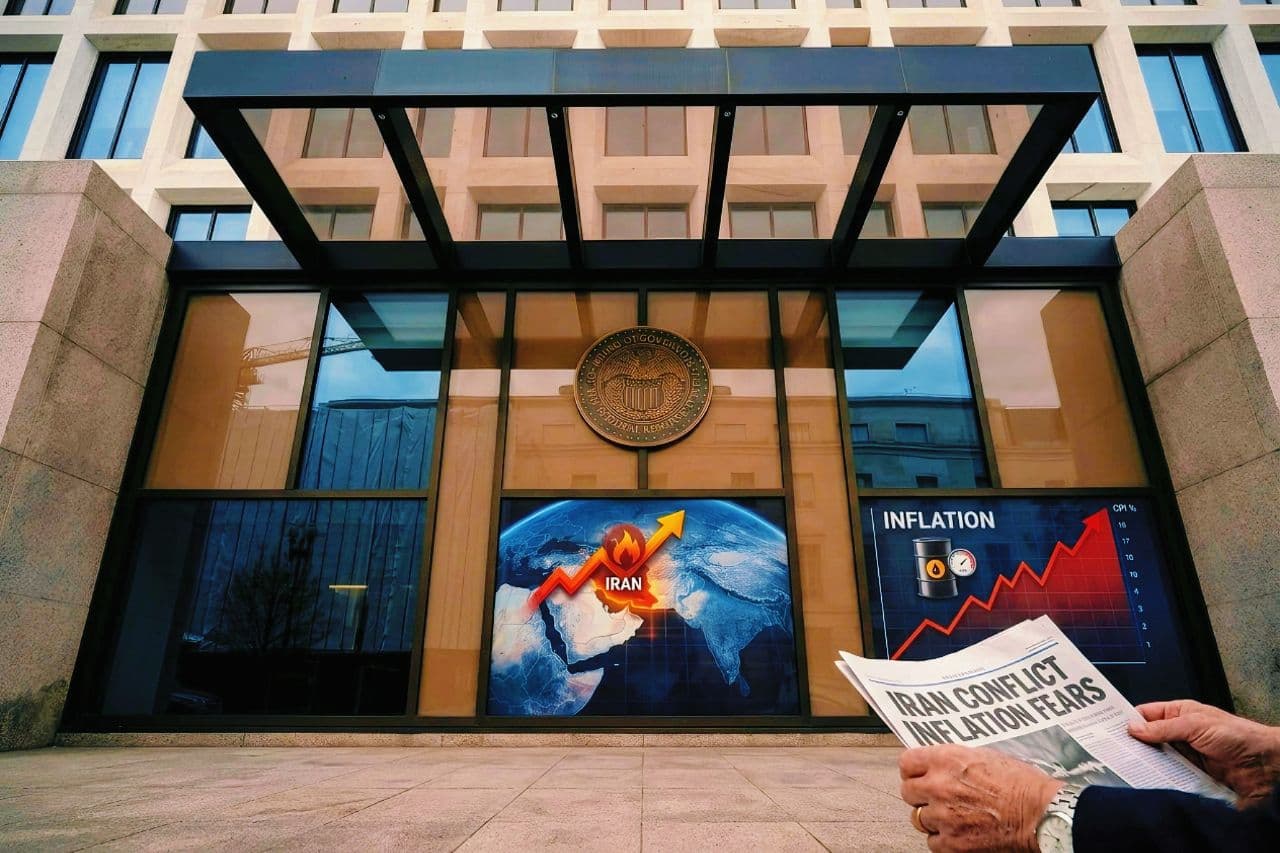
The probe marks the latest escalation in Trump’s effort to assert control over the Federal Reserve, which Congress established to operate independently of the White House. Trump has repeatedly demanded steep cuts to the Fed’s benchmark interest rate, while Powell and the policy committee have opted for gradual reductions to support the labor market. Their caution stems from concerns that slashing rates too aggressively could fuel inflation, underscoring the tension between political pressure and economic stability.
The investigation into Jerome Powell raises concerns about the erosion of Federal Reserve independence, a cornerstone of its ability to manage inflation effectively. Economists warn that undermining the central bank’s autonomy could weaken its credibility, limit its policy flexibility, and heighten risks of inflationary instability. The Fed’s independence has long been viewed as essential for maintaining market confidence and ensuring balanced economic growth.






In recent months, Jerome Powell has consistently defended the Federal Reserve’s independence while avoiding direct responses to Trump’s attacks. That changed Sunday, when Powell declared he would remain in his role despite the investigation and dismissed the accusations against him as “pretexts.”
Powell emphasized that the criminal charges were not about his testimony last June or the renovation of Fed buildings. Instead, he argued the threat stemmed from the Fed’s decision to set interest rates based on its assessment of public needs rather than aligning with the President’s preferences.
Meanwhile, Trump denied knowledge of the subpoena in an interview with NBC, underscoring the political tension surrounding the investigation.





Former Fed Chairs Condemn Powell Probe, Warn of Threats to Central Bank Independence and U.S. Economic Stability
All three living former Federal Reserve chairs Janet Yellen, Ben Bernanke, and Alan Greenspan issued a joint statement condemning the criminal investigation into current Chair Jerome Powell. They stressed that the Fed’s independence, and public confidence in that independence, are essential for achieving stable prices, maximum employment, and moderate long‑term interest rates.
The statement warned that prosecutorial attacks on the Fed mirror practices in emerging markets with weak institutions, often leading to inflationary instability and economic dysfunction. Such tactics, they argued, have no place in the United States, where the rule of law underpins economic success.
The condemnation was also signed by former Treasury secretaries from both parties and prominent economists, underscoring bipartisan concern over threats to the central bank’s autonomy.






Powell Faces Escalating Trump Pressure as Fed Balances Rate Cuts, Inflation, and Job Market Risks
Trump’s campaign against Fed Chair Jerome Powell has intensified, including insults, threats to fire him, and an investigation targeting Fed governor Lisa Cook over unproven allegations. Powell warned Sunday that the real issue is whether monetary policy will remain evidence‑based or be driven by political intimidation.
In August, Treasury Secretary Scott Bessent urged a 1.5‑point rate cut. Since then, the Fed has lowered rates by 0.75 points half the requested amount and is expected to pause further cuts at its late‑January meeting to gauge economic impact.
Fed officials remain concerned that Trump’s tariffs are slowing the labor market and fueling inflation, complicating the central bank’s dual mandate of maintaining low inflation and high employment.






Trump Faces GOP Backlash Over Powell Probe as Fed Independence and DOJ Credibility Come Under Fire
The Trump administration’s intensified attack on Fed Chair Jerome Powell has sparked dissent within its own party. Senator Thom Thillis of North Carolina, a member of the banking committee, announced he would oppose Trump’s Fed nominees until the legal matter is resolved.
Thillis posted on X that “advisers within the Trump Administration are actively pushing to end the independence of the Federal Reserve,” adding that the credibility of the Department of Justice is now in question.
Powell, first appointed by Trump and re‑appointed by President Joe Biden in 2022, has long resisted Trump’s calls for steep interest rate cuts. His term as chair expires in May, when a Trump‑nominated successor will take over, pending Senate approval. Powell could remain on the Fed’s board of governors, though he has not indicated whether he will do so.






The Bottom Line
The investigation into Jerome Powell represents more than a legal battle it’s a direct challenge to the Federal Reserve’s independence. Economists warn that undermining the Fed’s autonomy could weaken its ability to control inflation, destabilize markets, and erode confidence in U.S. institutions. With bipartisan backlash mounting and Powell’s term nearing its end, the outcome will shape both monetary policy and investor sentiment in the months ahead.