Fed Interest Rate Cuts in 2026? Experts Warn Investors Not to Expect Relief Soon
- Some economists are skeptical that the Federal Reserve will lower its benchmark interest rate in 2026. December’s stronger labor market, marked by lower unemployment, combined with stubbornly high inflation, has reduced the urgency for policymakers to ease rates.
- At the same time, the Trump administration’s aggressive push for cheaper borrowing costs—paired with legal maneuvers targeting Fed leadership—could provoke resistance within the central bank’s policy committee. Experts warn that such tactics may backfire, reinforcing the Fed’s reluctance to move quickly on rate cuts.
Key Takeaways
Fed Rate Cuts in 2026: Experts Push Back Against Market Optimism
Interest rate reductions by the Federal Reserve in 2026 once looked inevitable, but several economists now question that assumption. J.P. Morgan Chief Economist Michael Feroli is among those forecasting no cuts this year, pointing to strong GDP growth and resilient financial markets as evidence that current rates are not overly restrictive. He highlighted robust retail sales as the latest sign of economic strength, arguing the case for near-term easing is weak.
Feroli’s outlook contrasts with market expectations, where traders are pricing in two quarter-point cuts according to CME Group’s FedWatch tool, which tracks futures-based forecasts. The Fed’s own quarterly projections last month showed a more cautious stance: governors and regional bank presidents penciled in just one quarter-point cut on average, bringing the federal funds rate to 3.25% 3.5%. Eight officials projected no more than two cuts, four favored deeper reductions, and seven opposed any adjustments.
While the Federal Open Market Committee’s current thinking remains unclear, evolving economic conditions since December have led prominent voices to warn that rate cuts may not materialize soon. The FOMC, composed of seven governors and five rotating regional presidents, faces a balancing act between inflation risks and growth momentum.






Economic Impact: Higher Borrowing Costs Could Slow Growth if Fed Holds Rates in 2026
The Federal Reserve’s policy choices directly affect borrowing costs across the U.S. economy, from mortgage rates to corporate financing. If anticipated rate cuts do not occur in 2026, households and businesses may be forced to absorb elevated costs for loans and credit longer than expected.
Such conditions could weigh on consumer spending and business investment, slowing overall economic growth. Prolonged high financing costs risk tightening financial conditions at a time when many market participants are betting on relief, underscoring the importance of Fed independence and cautious policymaking.






Fed Rate Cuts in 2026: Why Experts See Limited Chances Ahead
Federal Reserve officials lowered the benchmark fed funds rate by three-quarters of a point in late 2025, aiming to prevent a slowing job market from spiraling into widespread unemployment. Lower rates are designed to stimulate hiring and economic activity, but the Fed has also been cautious, balancing its dual mandate of supporting employment while keeping inflation under control.
For several years, the central bank has maintained higher-than-usual interest rates to combat inflation, which has remained above its 2% target since 2021. Elevated borrowing costs across mortgages, business loans, and consumer credit have helped restrain spending and cool price pressures.
Now, economists like J.P. Morgan’s Michael Feroli argue that expectations for additional cuts may be misplaced. Stronger economic data and persistent inflation risks have led experts to question whether the Fed will ease further in 2026, suggesting the path forward may be more restrictive than markets anticipate.






Three Reasons the Fed May Keep Rates Steady in 2026
Unemployment Rate Shows Improvement
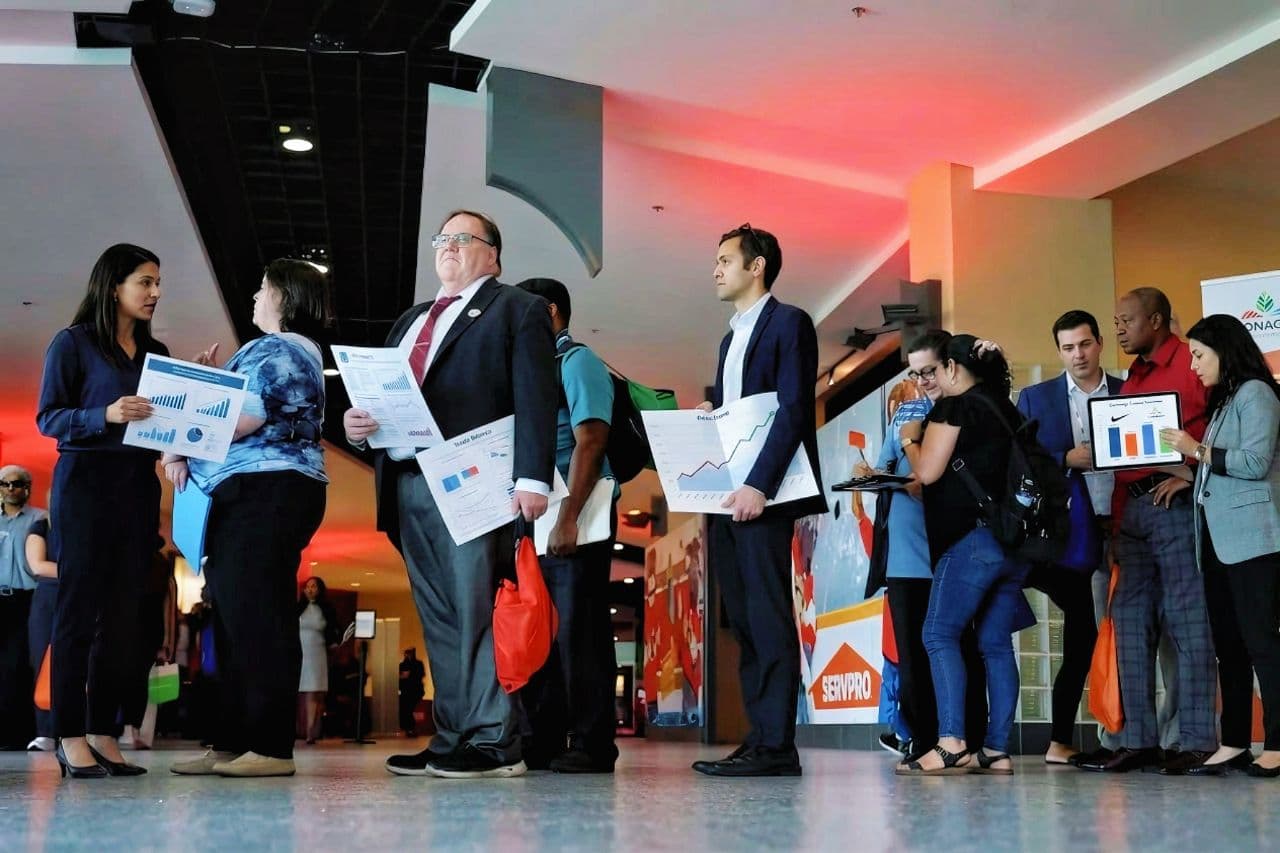
Despite slower hiring, the U.S. unemployment rate edged down to 4.4% in December, easing pressure on the Federal Reserve to intervene with rate cuts to protect the labor market. J.P. Morgan Chief Economist Michael Feroli pointed to this shift as a key reason for removing his earlier forecast of cuts in 2026, noting that the jobless rate “isn’t looking quite as worrisome as it was a few months ago.”
David Doyle, head of economics at Macquarie Group, echoed this sentiment, telling Morningstar that current labor data suggests the Fed will be guided toward holding rates steady rather than easing. With employment conditions showing resilience, policymakers may see less justification for immediate monetary stimulus.






Inflation Still Above Fed’s Target, Limiting Chances of 2026 Rate Cuts
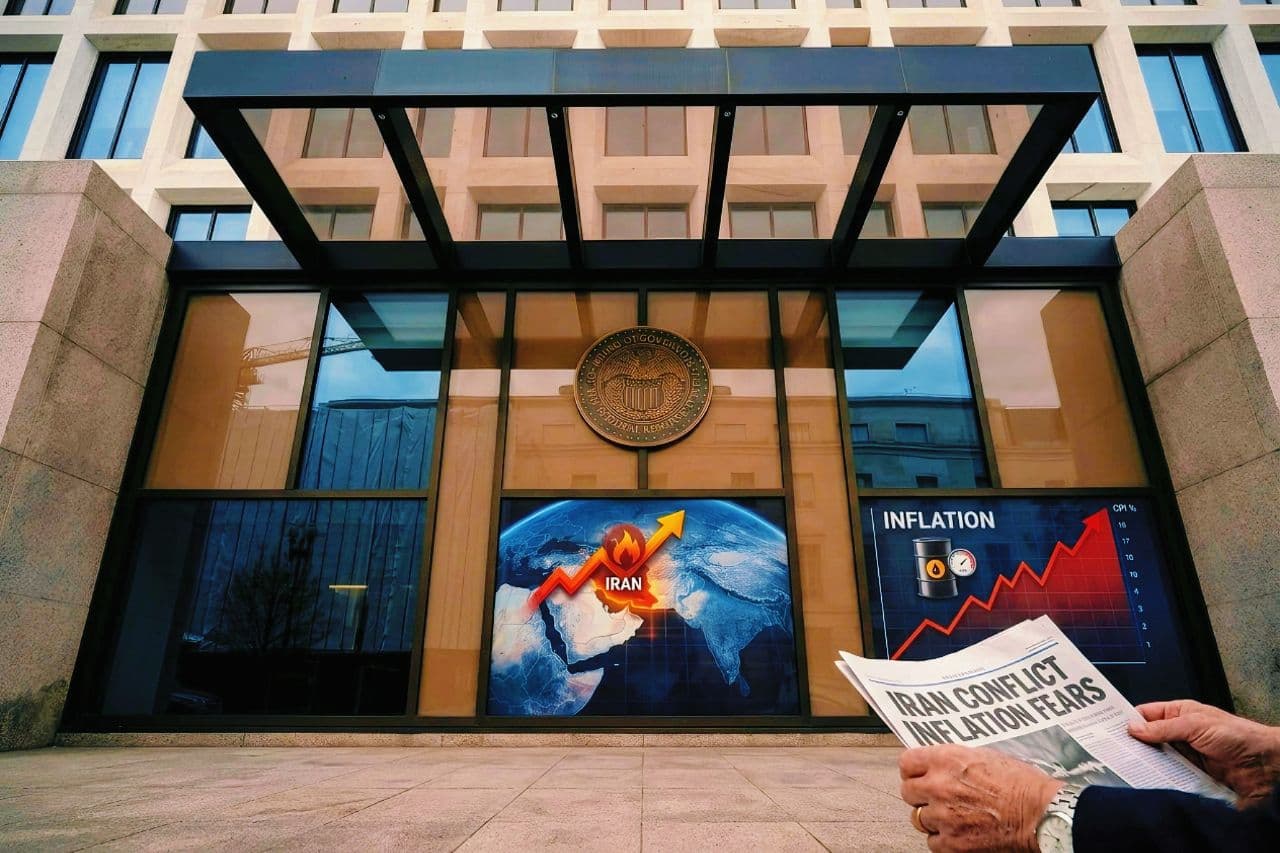
Although December’s inflation data came in cooler than expected, price growth remains well above the Federal Reserve’s 2% target. Former Boston Fed President Eric Rosengren told Bloomberg TV that inflation has shown little sign of easing meaningfully, warning that rate cuts are not guaranteed even with a new chair in place.
J.P. Morgan Chief Economist Michael Feroli added that the upcoming release of the Personal Consumption Expenditures Index the Fed’s preferred inflation gauge is likely to show annual inflation above 3%. That level reinforces concerns that policymakers will hesitate to ease rates further in 2026, prioritizing price stability over short-term growth.






Trump’s Pressure on Fed Rate Cuts Faces Pushback From Powell and Policymakers
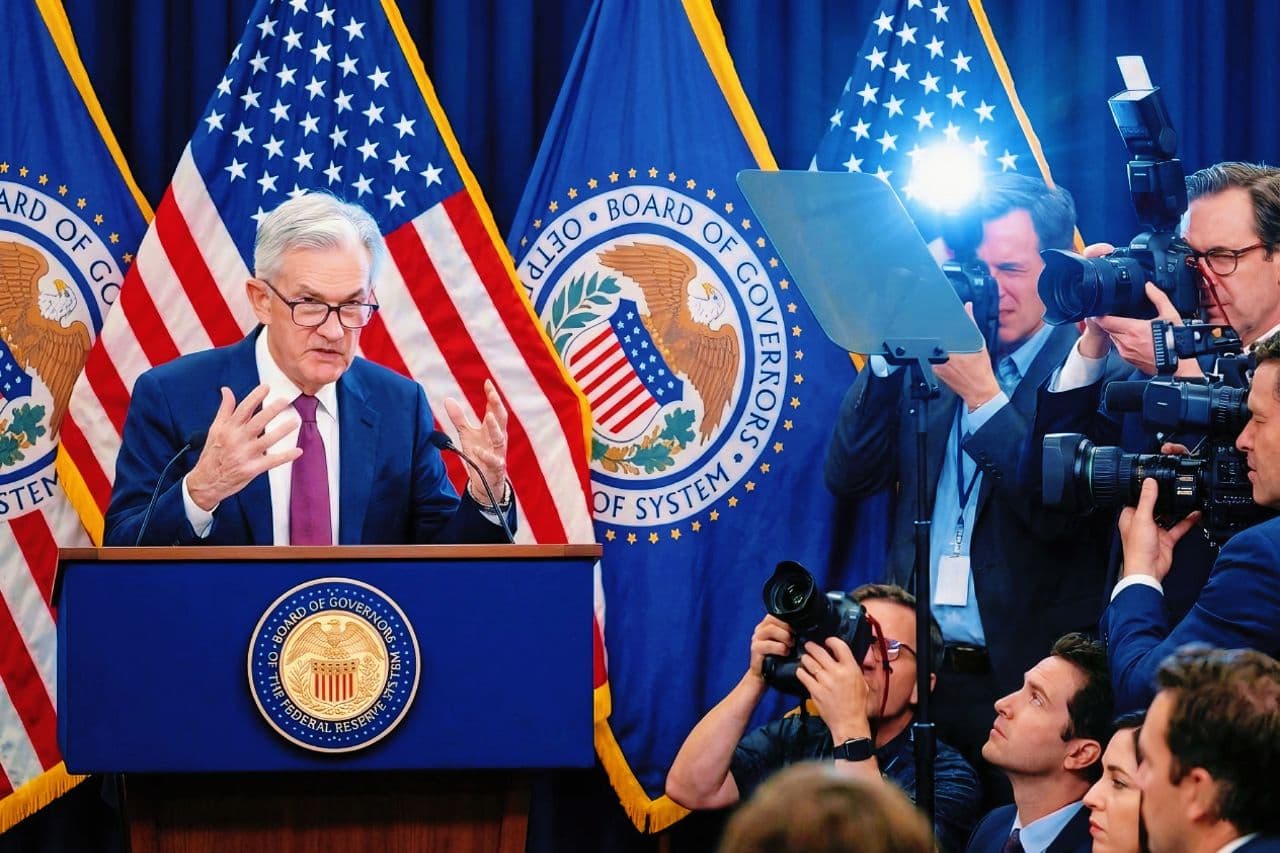
President Donald Trump’s aggressive campaign to force sharp interest rate reductions may ultimately backfire. His administration has demanded lower borrowing costs and even launched a Justice Department investigation into Fed Chair Jerome Powell.
Such hardball tactics risk strengthening resistance within the Federal Reserve. Powell and other policymakers could be more determined to defend the central bank’s independence, making them less likely to follow Trump’s preferred path on monetary policy.






Fed Independence Could Limit Trump’s Push for Rate Cuts
Jerome Powell, who recently denounced President Trump’s “intimidation,” is now seen as more likely to remain on the Federal Reserve Board as a governor after his term as Chair ends in May. Krishna Guha of Evercore ISI noted that Powell’s continued presence would help safeguard the Fed’s independence, even as Trump seeks greater influence over monetary policy.
Former Boston Fed President Eric Rosengren cautioned that rate cuts in 2026 are far from guaranteed even if Trump succeeds in appointing a new, pro-rate-cut Chair. Rosengren stressed that “it’s still not a slam dunk” for rates to decline, particularly if political pressure and legal challenges raise concerns about the Fed’s autonomy. In such a scenario, voting members may insist that economic conditions not politics justify any policy shift.