Fed Interest Rate Outlook: How a New Chair Frontrunner Could Shift Policy
- Kevin Warsh, now the leading contender to be President Donald Trump’s nominee for Federal Reserve chair, may take a less aggressive stance on cutting interest rates compared to his closest rival.
- Warsh’s odds of becoming the next Fed chair surged in betting markets Friday after Trump signaled his preference for keeping Hassett in his current role. While both Warsh and Hassett have supported lower interest rates, each would face significant constraints in implementing such policies.
Key Takeaways
Fed Interest Rate Outlook: Kevin Warsh Emerges as Frontrunner for Fed Chair Nomination
The new frontrunner to lead the nation’s central bank may be less inclined to push steep interest rate cuts compared to his closest rival. Betting markets surged Friday, raising the odds that President Donald Trump will nominate former Federal Reserve Governor Kevin Warsh as the next Fed chair.
Earlier in the day, Trump cast doubt on whether he would select Warsh’s competitor, National Economic Council Director Kevin Hassett, for the role. By Friday afternoon, Polymarket priced a 60% chance of Warsh winning the nomination, while Hassett’s odds fell to just 15% after Trump publicly praised him at a health care event, suggesting he preferred to keep Hassett in his current position.






What This Means for the Economy: Fed Chair Frontrunner Kevin Warsh and Treasury Yield Outlook
Treasury yields edged higher on Friday after Kevin Warsh overtook Kevin Hassett as the frontrunner for the Federal Reserve chair nomination in betting markets. This shift signals that financial markets anticipate interest rates could remain elevated for longer, reflecting expectations of a less aggressive rate-cutting approach under Warsh’s leadership.





Fed Chair Nomination Outlook: Hassett vs. Warsh on Interest Rate Cuts and Economic Policy
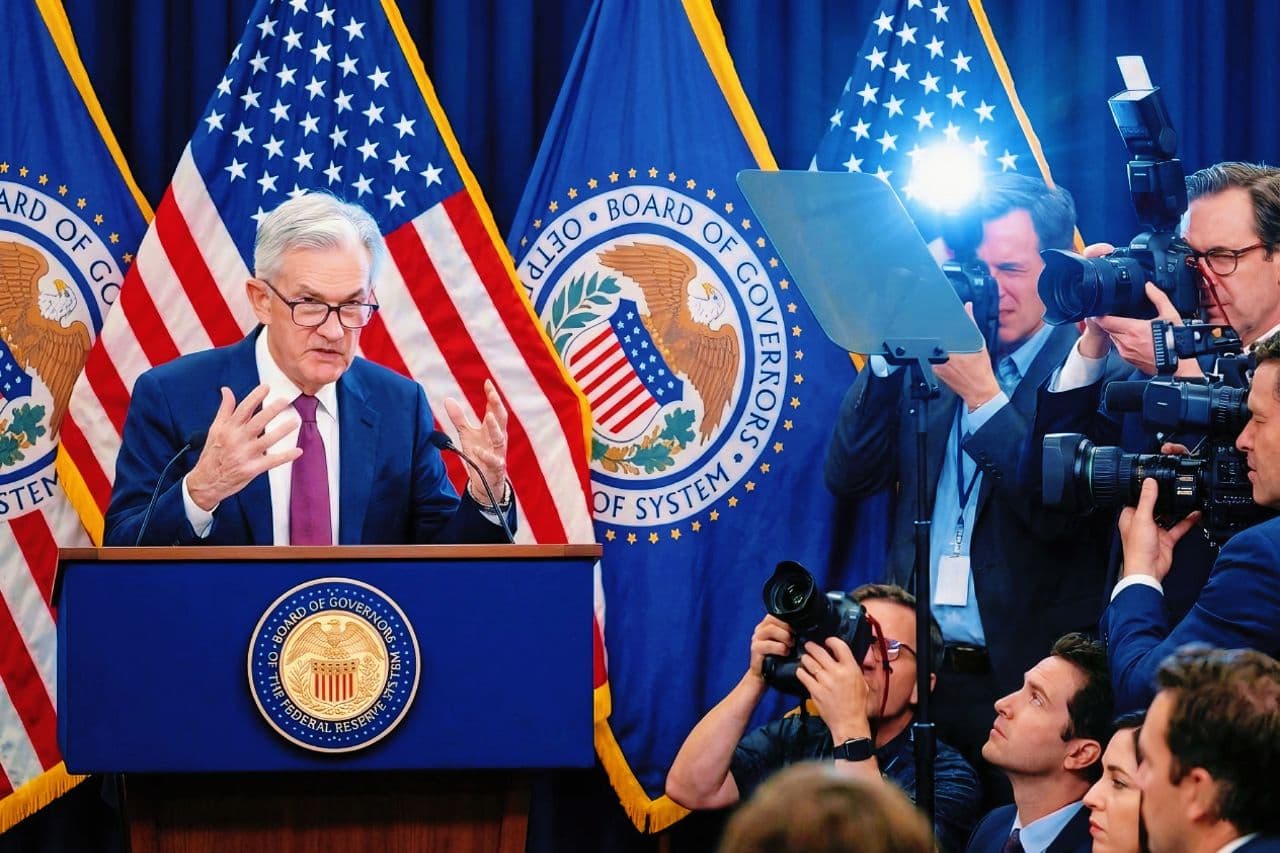
Current Federal Reserve Chair Jerome Powell’s term ends in May, and President Donald Trump has said he will announce his nominee before then. The decision could significantly shape U.S. monetary policy, future levels of the fed funds rate, and borrowing costs across loans, while also testing the Fed’s independence and credibility in controlling inflation.
Kevin Hassett has aligned with Trump in advocating steep rate cuts, with some experts viewing him as the candidate most likely to push the central bank toward aggressive easing. Analysts warn this could heighten risks of politicization at the Fed, given Hassett’s reputation as a Trump loyalist.
Kevin Warsh, a former Fed governor, lawyer, and banker, has also publicly supported lower rates and praised Trump’s policies. However, economists note he may not be as dovish as Hassett. While Warsh has recently argued for rate reductions, Deutsche Bank’s Matthew Luzzetti emphasized he is not “structurally dovish,” suggesting a more measured approach to monetary easing.





The New Fed Chair’s Tough Job: Balancing Inflation, Rate Cuts, and Market Credibility
The incoming Federal Reserve chair will step into the role at a pivotal moment for the U.S. economy. The Fed’s policy committee remains split between cutting rates to support a weakening job market and keeping them higher to fight inflation, which continues to run above the 2% target.
Jerome Powell has overseen three rate cuts totaling three-quarters of a point, fewer than President Trump has demanded. Fed officials are expected to hold rates steady at the next meeting, leaving uncertainty about further cuts this year.
Political tensions add complexity: Trump’s push for steep rate cuts and his administration’s investigation into committee members have raised concerns about the Fed’s independence. Economists warn that if the central bank is seen as yielding to political pressure, public confidence in its ability to control inflation could erode.
Ultimately, the new Fed chair must prove their credibility by balancing inflation control with economic support, while navigating political demands and market skepticism.






The Bottom Line
The choice between Kevin Warsh and Kevin Hassett as the next Federal Reserve chair carries major implications for U.S. monetary policy. Warsh’s frontrunner status suggests markets expect interest rates to stay higher for longer, while Hassett’s aggressive stance on cuts could risk politicizing the Fed.
With inflation still above target and the job market slowing, the new chair will face the difficult task of balancing economic support with inflation control all under heightened political pressure. Ultimately, credibility and independence will be the key tests for whoever takes the helm.