Fed Meeting Preview: No Rate Change Expected, Market Drama Still Possible
- The Federal Reserve is widely expected to keep interest rates unchanged at its next meeting on Wednesday. After three recent rate cuts, the central bank is likely to pause for several months to evaluate their impact on the economy.
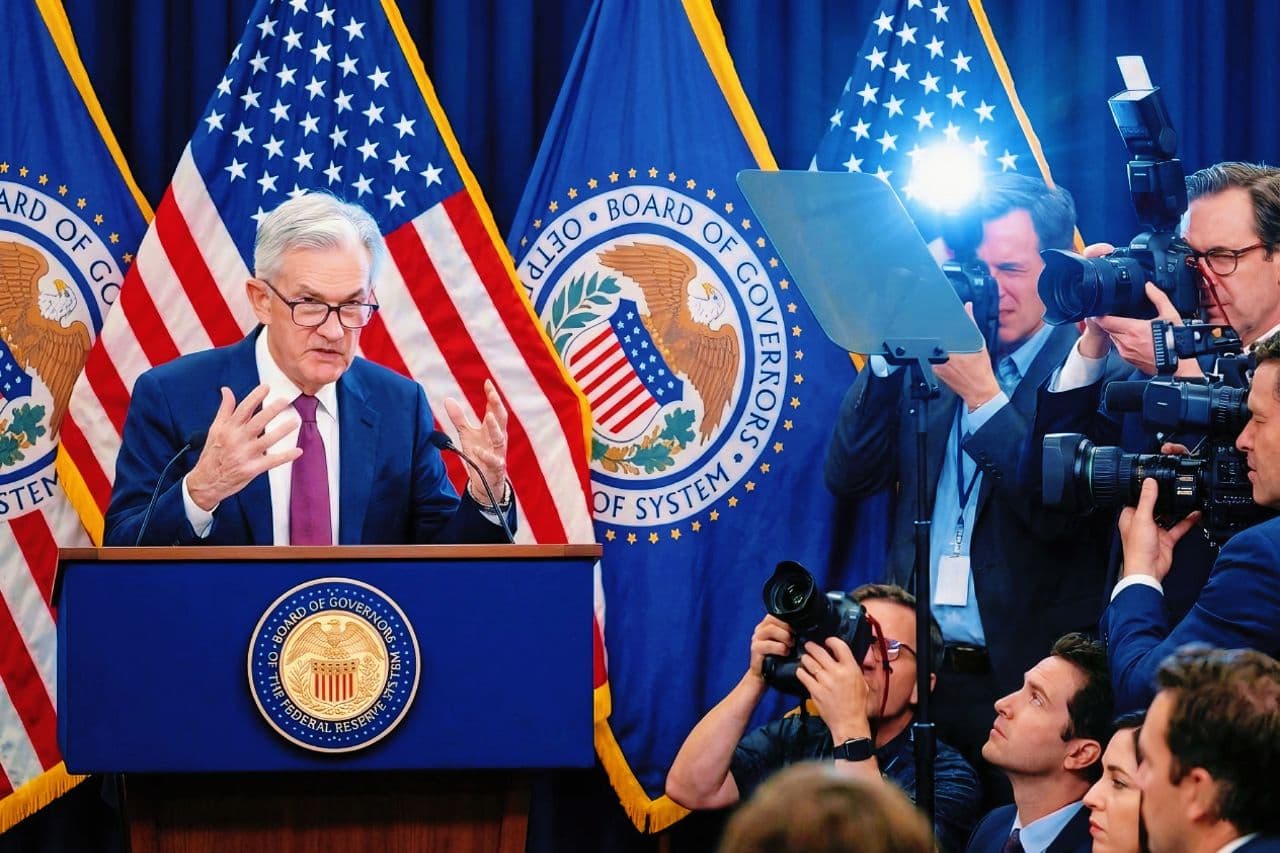
- Attention will also turn to Fed Chair Jerome Powell, who is expected to face questions about how he plans to respond to President Donald Trump’s calls for further rate reductions. While no immediate policy shift is anticipated, the dynamic between the Fed’s independence and political pressure could add drama to the meeting.
Key Takeaways
Fed Meeting Outlook: Rates Likely to Stay Put
The Federal Reserve is expected to hold its benchmark interest rate steady at 3.5% 3.75% during Wednesday’s meeting, pausing after three consecutive quarter-point cuts late last year. Markets are pricing in a 97% chance of no change, according to CME Group’s FedWatch tool.
Officials appear reluctant to cut further, preferring to wait and assess how the economy responds to recent moves. The Fed’s dual mandate keeping inflation near 2% while supporting strong employment remains the guiding principle.
One lingering question is how far Chair Jerome Powell will go in defending the Fed’s independence amid pressure from the White House to lower rates further. While no immediate policy shift is expected, the political backdrop could add drama to an otherwise steady meeting.


What the Fed’s Pause Means for the Economy
With interest rates expected to remain steady at the upcoming meeting, the real focus shifts to signals about future policy moves. Financial markets are less concerned with this week’s decision and more attuned to whether the Federal Reserve hints at additional cuts later in the year.
Holding rates steady allows the Fed time to gauge the impact of its recent reductions on inflation and employment. For the economy, this pause means:
- Borrowing Costs Stay Flat: Loans for mortgages, credit cards, and business financing won’t see immediate changes.
- Market Sensitivity to Guidance: Investors will react strongly to Powell’s tone and language, especially regarding inflation risks and growth outlook.
- Political Pressure vs. Independence: How Powell addresses calls from the White House for lower rates could influence confidence in the Fed’s autonomy.
- Long-Term Outlook: If signals point to more cuts later in the year, markets may price in cheaper borrowing ahead, potentially boosting equities but raising inflation concerns.


Fed’s Dilemma: Inflation, Jobs, and Policy Pressure
Inflation has remained above the Fed’s 2% target since 2021, while the labor market has slowed due to weaker hiring. Recent signs suggest both issues are easing, but October November’s government shutdown distorted some of the data, complicating the Fed’s assessment.
Within the Federal Open Market Committee, only Governor Stephen Miran has supported the steep rate cuts demanded by the president. Most officials prefer to hold steady, with economists at Nomura expecting one dissent at the January meeting. Chair Jerome Powell is likely to emphasize that further easing requires a higher threshold, especially after last year’s “insurance cuts.”


Fed Meeting Drama: Independence vs. Political Pressure
Any drama at the upcoming Fed meeting is likely to unfold during the post-announcement press conference. Chair Jerome Powell is expected to face tough questions about President Trump’s escalating public pressure to sharply lower interest rates. The administration has even taken legal action against Powell and Fed Governor Lisa Cook moves Powell denounced as “intimidation” aimed at undermining the Fed’s independence.
Economists warn that the central bank’s credibility in controlling inflation depends on public confidence that decisions are based on economic data, not politics. If the president were seen as strong-arming Fed leadership, that perception could erode.
Powell has typically sidestepped political questions, but earlier this month he broke precedent with a video message condemning the Department of Justice’s investigation into the Fed. Still, experts don’t expect him to expand on those remarks after the meeting.
According to CIBC economist Andrew Grantham, the Fed will pause rate cuts and set a higher bar for future easing, given signs of stabilizing unemployment and inflation nearing target levels. Powell will likely be pressed on Fed independence but is expected to deflect most of the questions.


The Bottom Line
The Federal Reserve is almost certain to keep interest rates steady this week, pausing after three consecutive cuts to assess their impact on inflation and employment. While markets expect no immediate move, the real drama could come from Fed Chair Jerome Powell’s press conference, where he’ll face questions about political pressure from the White House.
For the economy, the pause signals stability in borrowing costs, but future rate decisions will hinge on clearer data about inflation and jobs. The Fed’s credibility rests on maintaining independence, and Powell’s handling of political challenges will be closely watched by investors.