Fed Meeting Preview: Rates Likely Steady, Market Drama Ahead
- The Federal Reserve is widely expected to keep interest rates unchanged at its upcoming meeting on Wednesday.
- Policymakers are likely to pause for several months, monitoring the impact of the last three rate cuts before making further moves.
- Fed Chair Jerome Powell will face scrutiny over how he plans to respond to President Donald Trump’s public demands for lower interest rates—questions he may address directly or sidestep.
Key Takeaways
Fed Meeting Outlook: Rates Steady, Independence in Focus
The Federal Reserve is widely expected to hold its key interest rate steady at its upcoming meeting on Wednesday, with markets pricing in a 97% chance of no change. The fed funds rate is set to remain in the 3.5% 3.75% range, following three consecutive quarter-point cuts last year.
Officials have signaled little appetite for further reductions, preferring to pause and assess how the economy responds to the easing already in place. This cautious stance reflects the Fed’s dual mandate: keeping inflation near its 2% target while supporting employment.
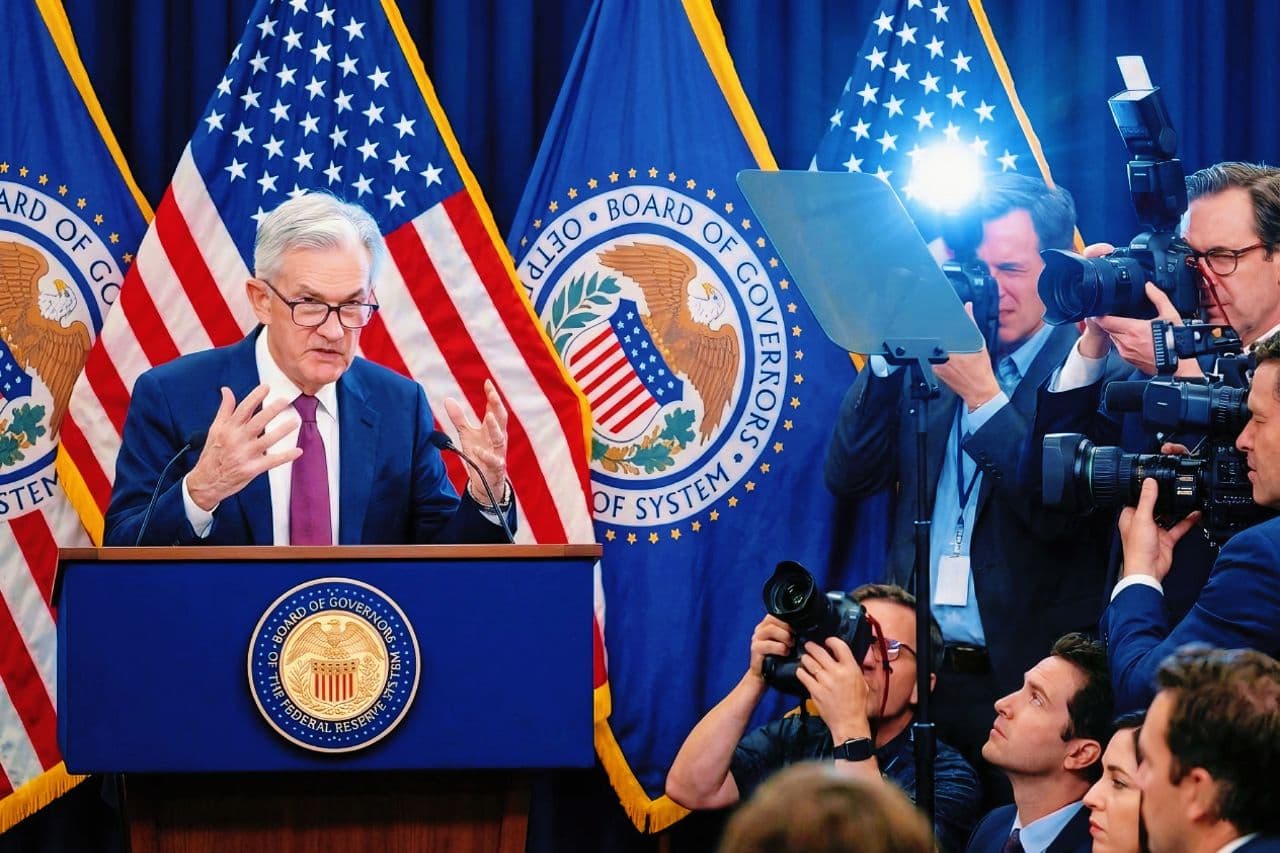
The bigger question is how far Chair Jerome Powell will go to defend the Fed’s independence from White House pressure. With political tensions running high, Powell’s messaging at the press conference could prove just as important as the rate decision itself.


What This Means for the Economy
With a rate cut essentially locked in, the real story for financial markets will be the Fed’s signals about future moves. Investors will be watching closely for any hints on whether additional cuts could come later in the year.
- Short-term impact: Markets may rally on expectations of cheaper borrowing costs, boosting equities and easing pressure on household budgets.
- Medium-term uncertainty: If the Fed signals more cuts ahead, it could fuel optimism but also raise concerns about underlying economic weakness.
- Long-term implications: Persistent rate reductions risk stoking inflation if the economy rebounds too quickly, but holding steady could slow growth if the job market continues to falter.
In short, the Fed’s communication not just its decision will shape market sentiment and economic outlook for 2026.


Fed’s Dilemma: Inflation vs. Jobs Amid Political Pressure
Inflation has remained above the Fed’s 2% target since 2021, while the job market has slowed due to weaker hiring. Recent data suggests both issues may be improving, but the October November government shutdown distorted key economic indicators, complicating the Fed’s assessment.
Within the Federal Open Market Committee (FOMC), only Governor Stephen Miran has supported the steep rate cuts demanded by President Trump. Most officials prefer to hold rates steady, reflecting caution after last year’s “insurance cuts.”
Economists at Nomura, led by Aichi Amemiya, expect the Fed to keep rates unchanged at the January meeting, with Miran dissenting in favor of a cut. Chair Jerome Powell is likely to emphasize that the threshold for further easing is now higher, signaling the Fed’s intent to balance inflation control with employment support while resisting political pressure.


Post-Meeting Drama: Powell Faces Pressure Over Fed Independence
If there’s any drama at the upcoming Fed meeting, it will likely unfold during the post-announcement press conference. Chair Jerome Powell is expected to face tough questions about President Trump’s escalating public pressure and the administration’s recent legal actions against him and Fed Governor Lisa Cook.
Powell has denounced these actions as “intimidation,” warning they are aimed at forcing the Fed to sharply lower rates. Economists stress that the Fed’s credibility and its ability to control inflation depends on public confidence that interest rate decisions are based on economic fundamentals, not politics.
Breaking with precedent, Powell recently released a video condemning the DOJ investigation into the Fed, though experts don’t expect him to elaborate further after this meeting. Instead, analysts anticipate the Fed will pause rate cuts and set a higher bar for future easing, as the jobless rate shows signs of stabilizing and inflation momentum nears target levels.


The Bottom Line
The Federal Reserve is almost certain to keep interest rates unchanged at its upcoming meeting, pausing after three consecutive cuts. Markets are focused less on the decision itself and more on Powell’s press conference, where questions about Trump’s mounting pressure and legal actions could dominate. The Fed’s credibility hinges on showing that policy is driven by economic fundamentals, not politics making Powell’s defense of independence just as critical as the rate call itself.