Fed Minutes Reveal Deep Divisions as Rate Cut Debate Intensifies
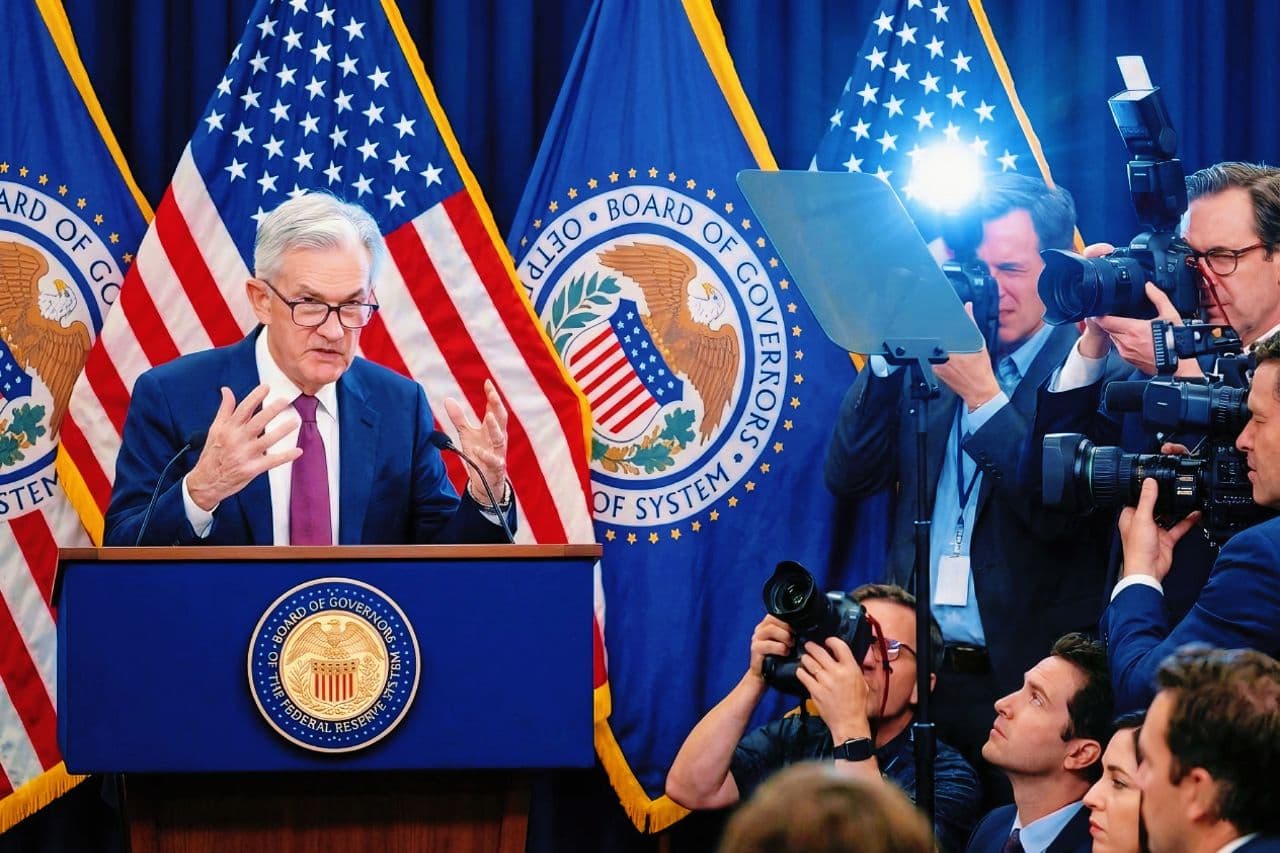
- The latest Fed minutes show officials remain divided on the timing of rate cuts. While some policymakers see room for easing later this year, others worry about moving too quickly with inflation still hovering above 2%. With inflation near 2.5% and job growth mixed, the Fed appears firmly on hold for now, balancing persistent price pressures against moderating employment risks.
- For investors, this signals a cautious Fed that is unlikely to rush into cuts. Markets may continue to trade on every inflation and labor data release, as those will shape the Fed’s next steps. The division inside the Fed underscores the uncertainty ahead—rate cuts remain on the table, but only if inflation convincingly trends lower without a sharp deterioration in employment.
Key Takeaways
Fed Rate Cut Outlook: Division Highlights Inflation Risks
The Federal Reserve is still leaning toward cutting interest rates again this year, but the minutes from January’s meeting revealed why that path is far from certain. Officials remain split after three cuts in 2025, with some arguing that more easing is necessary if inflation continues to cool, while others worry about moving too quickly.
Most policymakers still believe “further downward adjustments” could be appropriate, aligning with market expectations of a couple of cuts later this year. That optimism hinges on inflation continuing to decelerate, giving the Fed room to support growth without reigniting price pressures.
Yet inflation remains slightly above the Fed’s 2% target, and several officials voiced concern that cutting rates too aggressively could undermine credibility. They warned that easing policy while inflation is elevated risks sending the wrong signal, potentially making higher inflation more entrenched.
The minutes underscore the Fed’s balancing act: supporting the economy without losing control of inflation. For investors, the message is clear rate cuts remain possible, but only if inflation convincingly trends lower. Until then, the Fed is likely to stay cautious, keeping markets on edge with every new data release.






The Federal Reserve’s next move will directly shape borrowing costs across the economy. Mortgage rates, credit card interest, and business loan financing all hinge on whether the Fed decides to cut rates again this year. For households, lower rates could ease monthly payments and free up spending power, while for businesses, cheaper financing could support investment and hiring.
For investors, the debate inside the Fed underscores how sensitive markets are to inflation and jobs data. If inflation continues to cool, rate cuts could boost equities and risk assets by lowering discount rates. But if inflation remains sticky, the Fed may hold steady, keeping borrowing costs elevated and pressuring valuations.
The division revealed in January’s minutes highlights the uncertainty ahead. Some policymakers see room for easing, while others warn that cutting too aggressively could reignite inflation. This tension means every new data release whether on consumer prices or employment will carry outsized importance for market expectations.
Ultimately, the Fed’s cautious stance reflects its balancing act: supporting growth without losing credibility on inflation. For both consumers and investors, the outcome will determine not just borrowing costs, but also confidence in the broader economic outlook.






Fed Inflation Debate: Rate Cuts Face Pushback
The latest Fed minutes revealed that several officials believe the central bank’s communications should drop its current bias toward cutting rates. While the Fed kept rates steady at 3.5% to 3.75% in January, its statement suggested that “additional adjustments” were more likely than not. But the minutes showed some policymakers wanted a “two-sided description,” signaling that rate hikes remain possible if inflation stays above target.
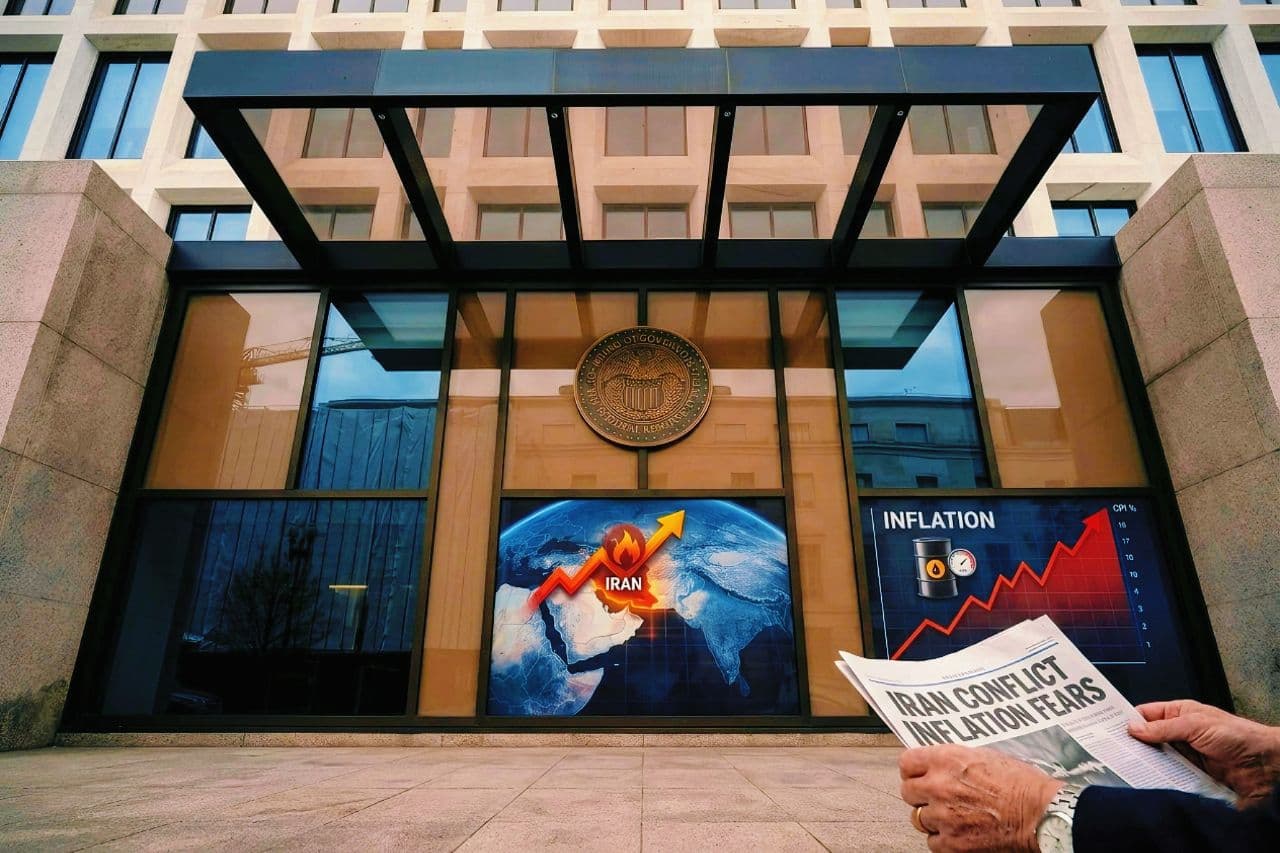
Analysts generally don’t expect the Fed to raise rates this year, yet the minutes underline the central bank’s determination to fully restore inflation to 2%. December’s reading showed inflation still slightly above 2.5%, reinforcing concerns that easing too quickly could undermine credibility.
Kansas City Fed President Jeffrey Schmid emphasized this risk, warning that without focus on the 2% objective, inflation could become stuck closer to 3% in the long run. His comments highlight the Fed’s balancing act: supporting growth while ensuring inflation doesn’t become entrenched.
For investors, the message is clear the Fed remains cautious. Rate cuts are possible later this year, but only if inflation convincingly trends lower. Until then, markets should expect a patient Fed, with every inflation report carrying outsized importance for policy direction.






Fed Employment Outlook: Inflation Still the Main Barrier
The Federal Reserve’s rate cuts last year were designed to support a labor market that appeared to be weakening. But according to January’s minutes, most officials agreed those risks have “moderated in recent months,” while inflation remains the bigger challenge. That assessment came before the stronger-than-expected January jobs report, which showed employers added 130,000 jobs and the unemployment rate fell to 4.3%.
Still, some Fed officials remain concerned about the possibility of labor market backtracking. They argued that keeping rates too high could increase the risk of job losses, even as inflation continues to ease. Fed Governors Stephen Miran and Christopher Waller dissented from January’s decision to hold rates steady, with Waller warning that job gains in 2025 were “very weak” and that conditions don’t “remotely look like a healthy labor market.”
Waller emphasized that with inflation “just slightly above 2% and a weak labor market,” the Fed has room to cut rates further. He noted that employers are reluctant to fire workers but equally hesitant to hire, signaling a fragile employment environment. Analysts like Oliver Allen of Pantheon Macroeconomics echoed this view, predicting employment growth will slow again in the coming months, putting upward pressure on the unemployment rate.
Allen added that inflation “remains the main barrier to additional cuts,” but expects those concerns to ease as tariff-driven price bumps fade. He projects the Fed will cut rates three more times this year in June, July, and September likely under the new Fed chair’s tenure. For now, however, the Fed remains “firmly on hold,” waiting for clearer signals from both inflation and employment data before making its next move.






The Bottom Line
The Federal Reserve remains cautious as it weighs the risks of inflation against moderating employment pressures. January’s minutes revealed division among officials, with some pushing for more rate cuts if inflation continues to ease, while others warned that premature easing could undermine credibility and entrench higher prices.
Employment risks have softened compared to last year, but dissenting voices like Fed Governor Christopher Waller argue the labor market is still fragile, with job gains in 2025 described as “very weak.” His stance highlights the tension between supporting growth and avoiding unnecessary damage to hiring.
Analysts expect inflation concerns to fade gradually as tariff-driven price bumps ease, opening the door for additional cuts later in the year. Still, the Fed is firmly on hold for now, waiting for clearer signals from both inflation and employment data before making its next move.
For investors and consumers, the message is straightforward: borrowing costs will stay elevated until inflation convincingly trends lower. Rate cuts remain possible, but the Fed’s cautious tone means markets should brace for volatility as each new jobs and inflation report reshapes expectations.