Fed Officials Back Powell – Rate Cut Risks and Inflation Outlook 2026
- Several members of the Federal Reserve’s policy committee have publicly opposed the administration’s campaign to force rate cuts.
- In a rare move, Fed officials broke their silence on political controversies after the Justice Department subpoenaed the central bank in its investigation of Chair Jerome Powell.
- Analysts warn that the Trump Administration’s aggressive tactics could backfire, prompting Fed officials to keep interest rates higher for longer as a way to reinforce the institution’s independence.
Key Takeaways
Fed Officials Rally Behind Powell – Rate Cut Odds Decline
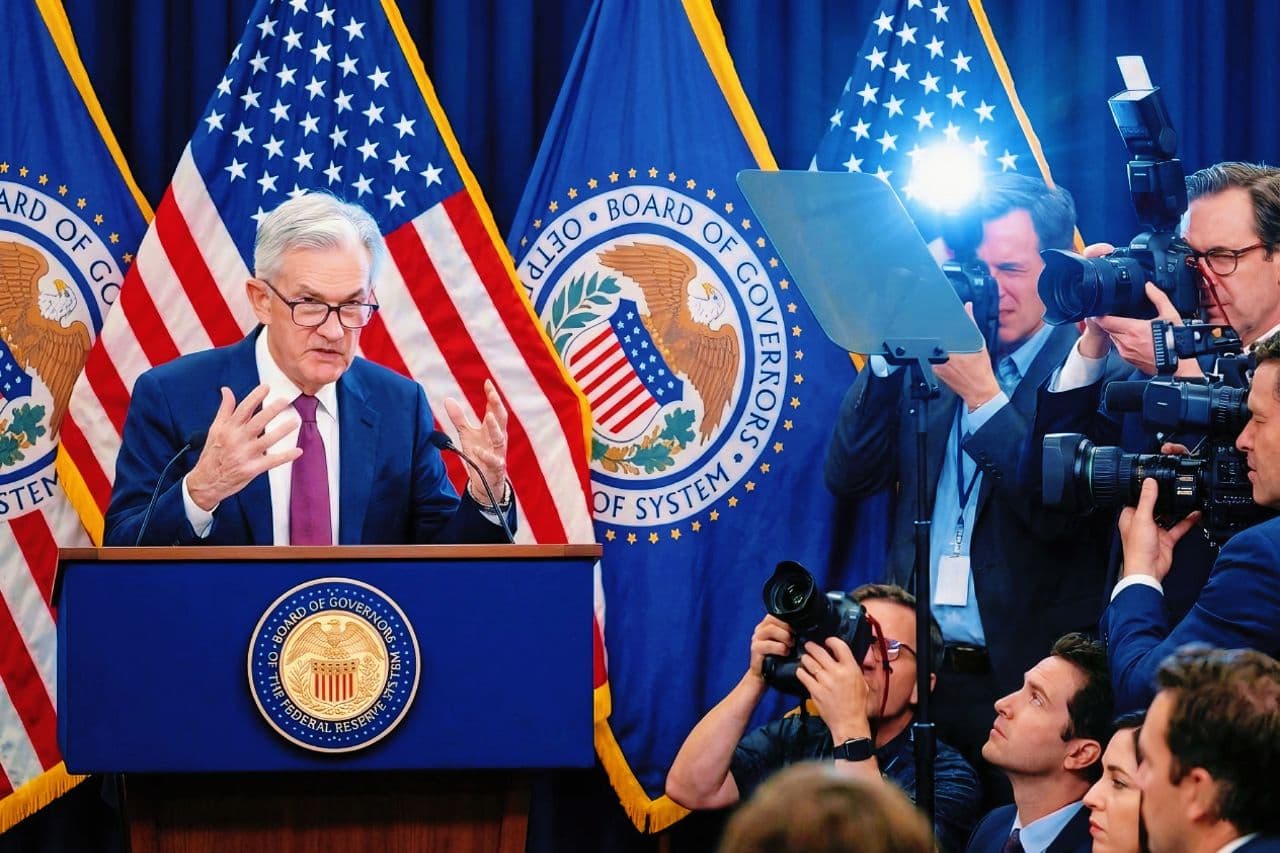
The Trump Administration’s investigation into Federal Reserve Chair Jerome Powell appears to be backfiring. Instead of intimidating the central bank into sharp rate cuts, at least four Fed officials have spoken out in defense of Powell and the Fed’s independence, stressing their duty to set monetary policy in the public interest rather than at the White House’s command.
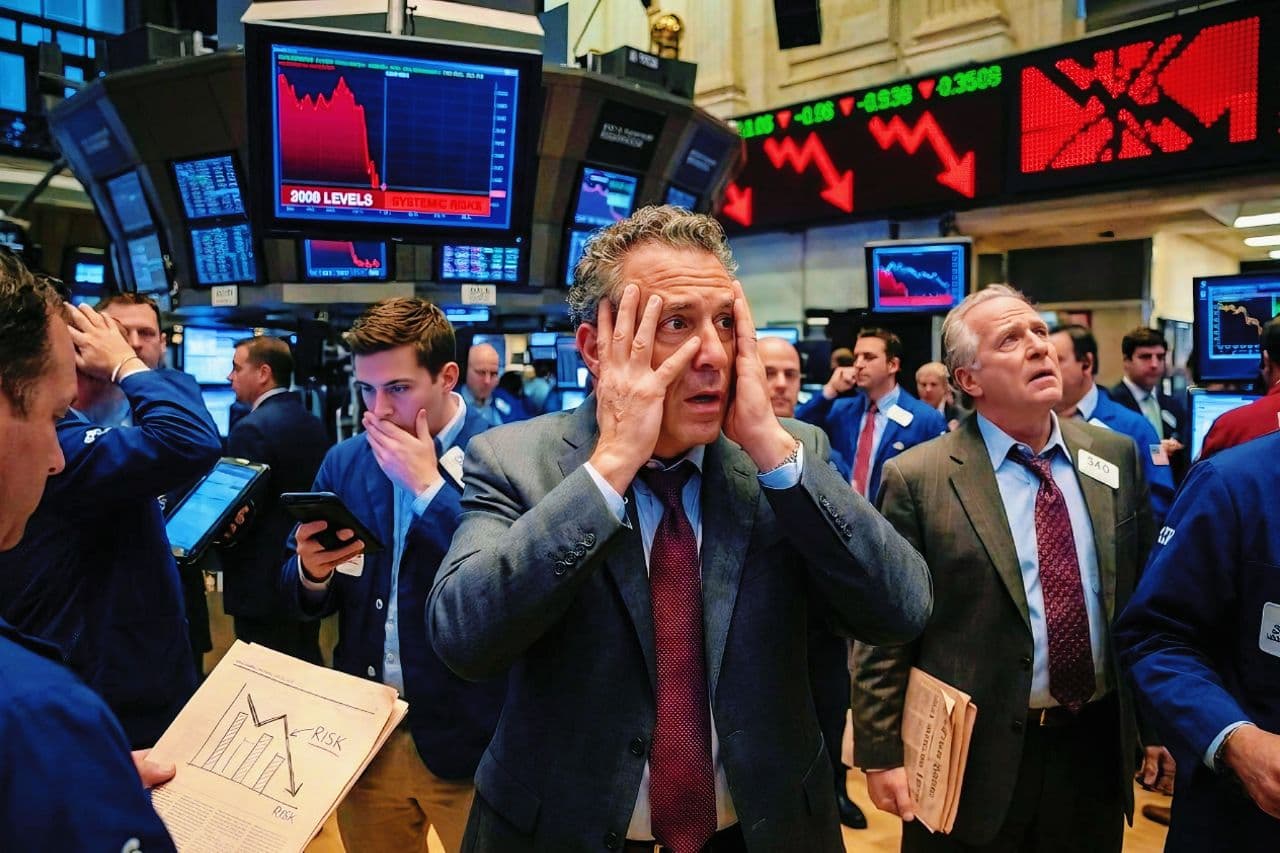
Markets reacted quickly: traders priced in lower chances of early-year rate cuts, signaling confidence that the Fed will resist political pressure.
The Justice Department’s subpoena, tied to Powell’s 2020 Senate testimony on Fed headquarters renovations, has been framed by Powell as part of Trump’s broader campaign to push for aggressive rate reductions. Powell denied wrongdoing, while Trump denied prior knowledge of the probe.






What Trump-Powell Feud Means for the U.S. Economy
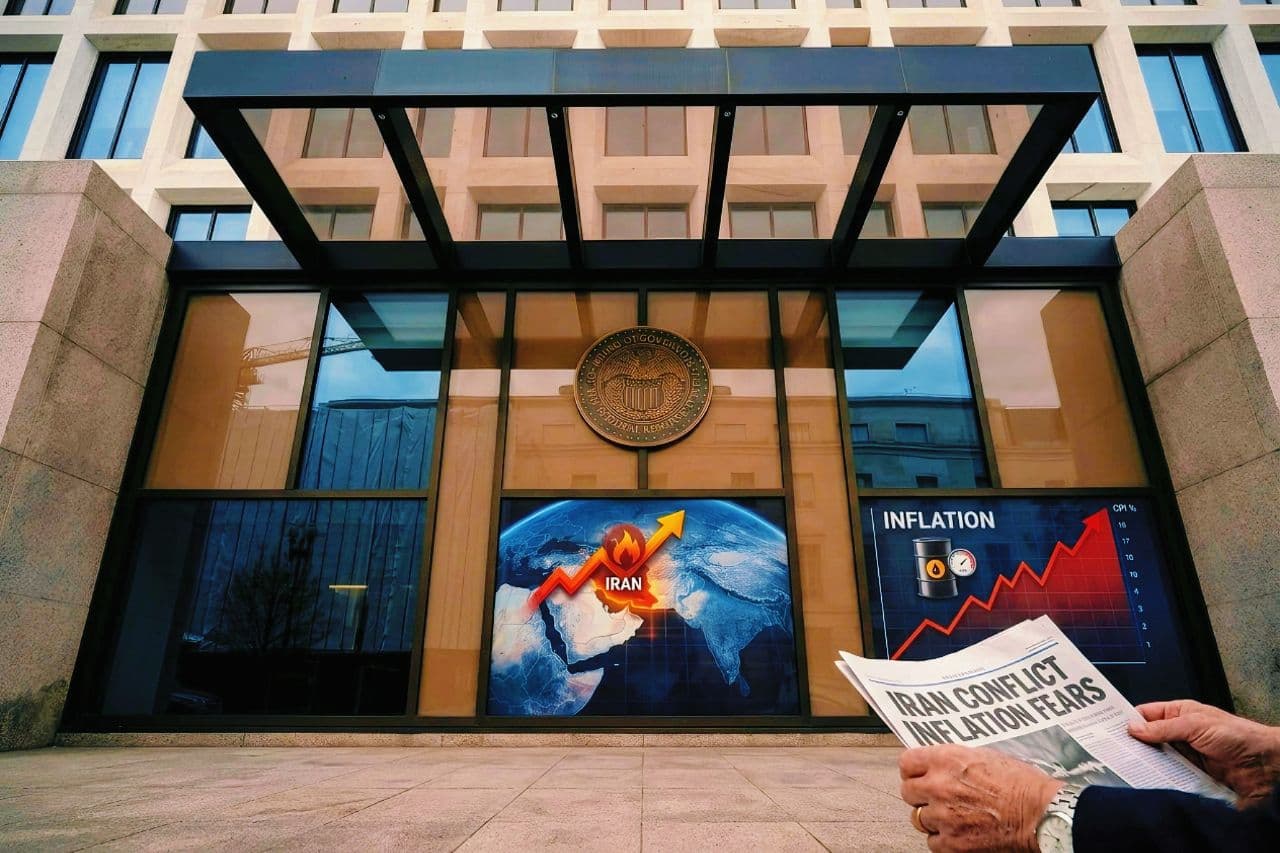
The intensifying clash between President Trump and Fed Chair Jerome Powell adds a new layer of uncertainty to an already complex economic landscape. The Federal Reserve’s dual mandate to keep inflation low while supporting maximum employment is difficult enough under normal conditions. Political pressure complicates this balance, raising risks that monetary policy decisions could be second-guessed or delayed.
If Fed independence is weakened, inflation expectations could rise, borrowing costs may increase, and investor confidence in U.S. policy could erode. At the same time, the labor market faces challenges that require careful calibration of interest rates. The feud therefore threatens to undermine the Fed’s ability to act decisively, potentially slowing growth and destabilizing financial markets.






Fed Officials Push Back – Independence and Rate Outlook
Several Federal Reserve governors and regional bank presidents have publicly backed Jerome Powell’s interpretation of recent events, stressing that the Fed’s independence from White House control is essential to its mission of keeping inflation in check. Such outspoken comments are unusual, as Fed officials typically avoid weighing in on political controversies.
This pushback could shape interest rate policy. Analysts suggest Fed officials may be more reluctant to cut rates in the coming year if they feel pressured by the Trump administration. Keeping rates higher for longer could serve as a signal of the Fed’s resolve to fight inflation and maintain credibility despite political coercion.
Chicago Fed President Austan Goolsbee warned that “any place where you don’t have central bank independence, inflation comes roaring back,” highlighting the risks of undermining the institution. Traders have already adjusted expectations: CME Group’s FedWatch tool shows a 78% chance of rates holding steady at the March meeting, up from 58% before news of the investigation broke.
Other officials echoed support for Powell. Minneapolis Fed President Neel Kashkari and Fed Governor Michael S. Barr made similar remarks, while New York Fed President John C. Williams praised Powell’s “impeccable integrity.”






Fed Governor Stephen Miran Downplays Independence Concerns
In contrast to other officials rallying behind Jerome Powell, Fed Governor Stephen Miran dismissed worries about the central bank’s independence as mere “noise” during remarks at an economic conference in Greece.
Miran, who was appointed to the Fed governorship by President Trump this fall, currently serves as an economic advisor to the administration. He has taken leave from that advisory role while participating on the Fed’s policy committee, but his alignment with Trump’s economic agenda has drawn attention amid the broader debate over the Fed’s autonomy.






The Bottom Line
The Justice Department’s probe into Jerome Powell has intensified the clash between President Trump and the Federal Reserve, but instead of forcing sharp rate cuts, it has galvanized Fed officials to defend their independence. Traders are now pricing in fewer chances of near-term rate reductions, signaling markets expect the Fed to hold firm.
In the long run, politically motivated interference risks fueling inflation, raising Treasury yields, and undermining confidence in U.S. monetary policy. With Powell’s future, Supreme Court rulings, and investor reactions all in play, the stakes for economic stability and Fed credibility have rarely been higher.