Fed Rate Cut Odds 2026 Look Uncertain as Officials Rally Behind Powell and Defend Independence
- Several members of the Federal Reserve’s policy committee have publicly opposed the White House’s campaign to push for lower interest rates.
- Fed officials broke their usual silence on political disputes after the Justice Department subpoenaed the central bank in its investigation of Chair Jerome Powell.
- The Trump administration’s aggressive tactics could backfire, prompting Fed leaders to hold rates higher for longer as a way to reinforce the institution’s independence from political influence.
Key Takeaways
Fed Rate Cut Odds in 2026 Drop as Officials Defend Powell Against Trump Pressure
If the Trump administration’s investigation into Fed Chair Jerome Powell was meant to push the central bank into sharp rate cuts, it’s not working.
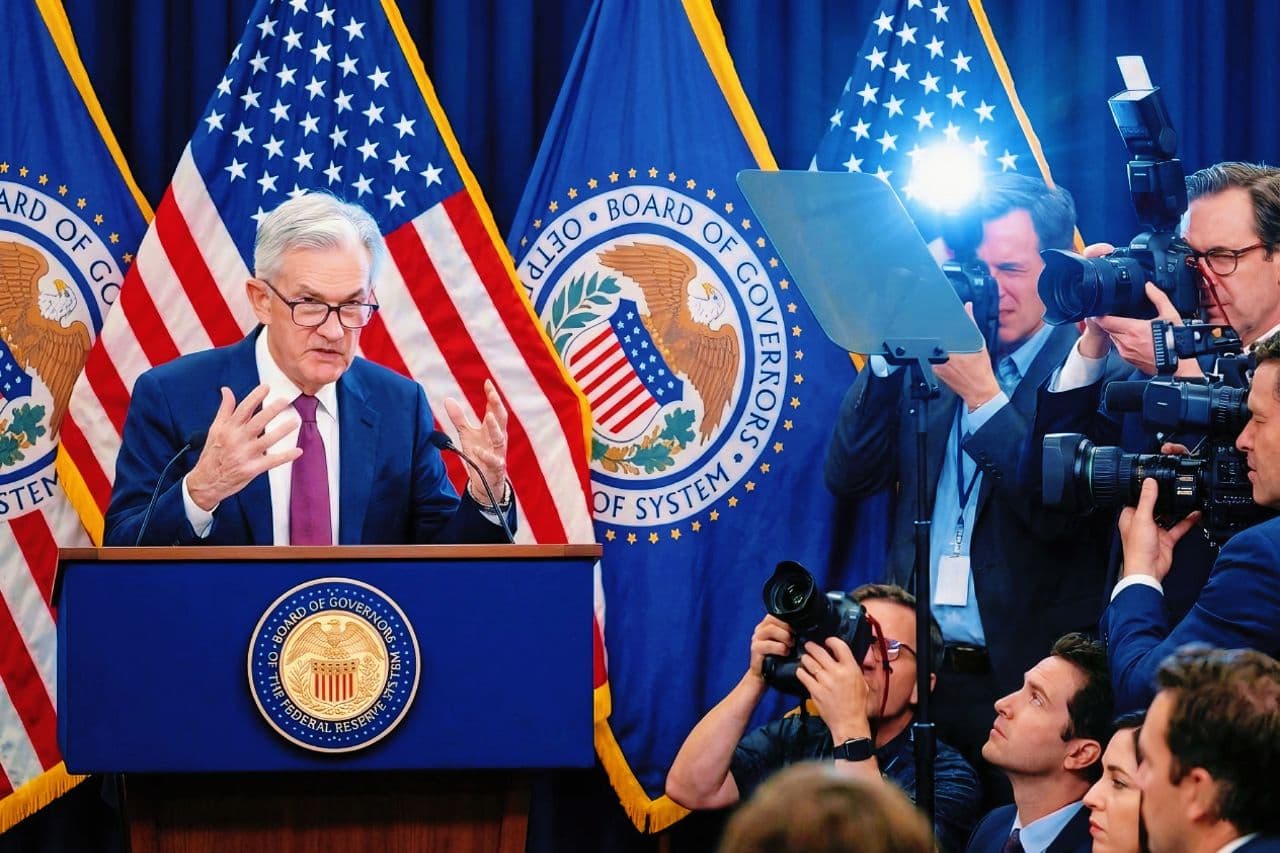
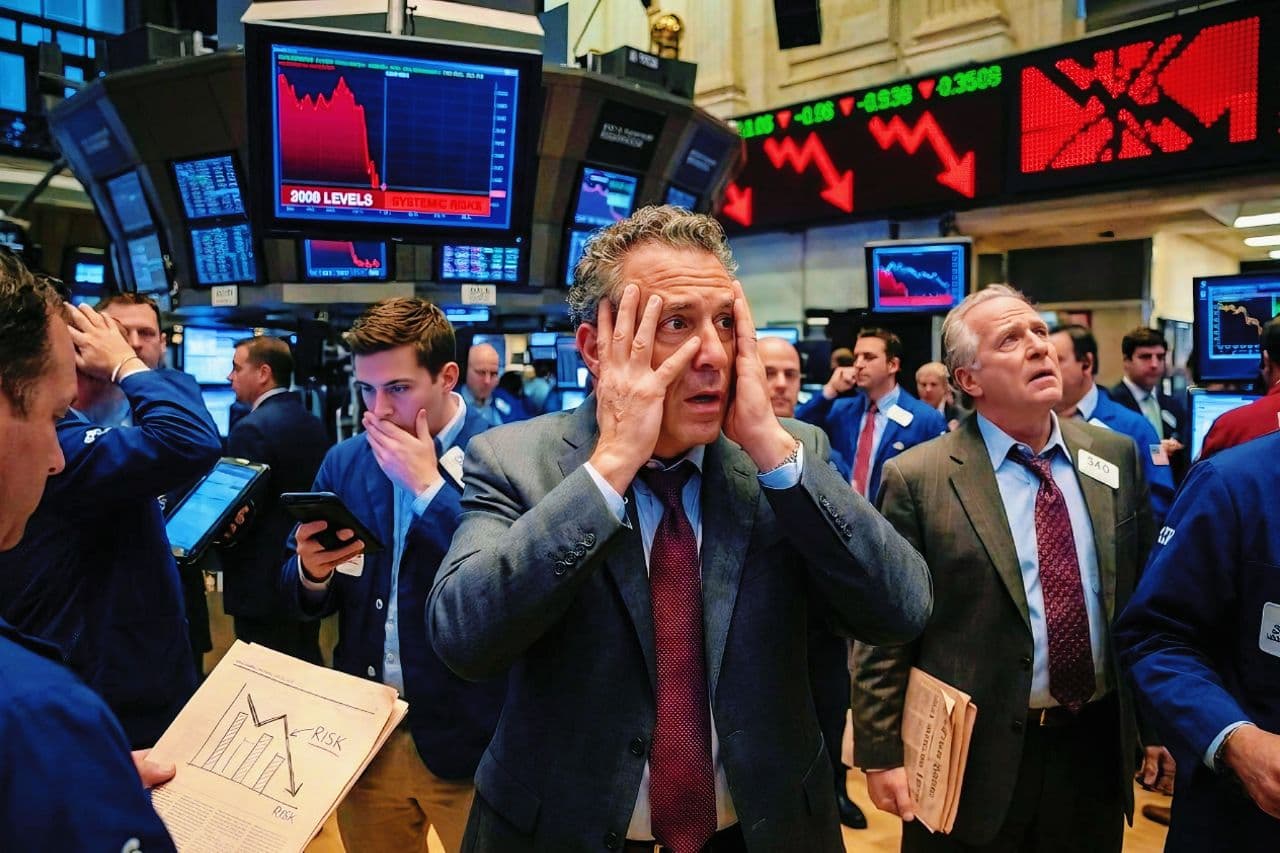
At least four Fed policymakers spoke out this week in Powell’s defense, stressing that monetary policy decisions must serve the public interest not the White House. Traders responded by pricing in lower chances of early‑year rate cuts.
The Justice Department subpoenaed the Fed last week for information tied to Powell’s June 2020 Senate testimony on the renovation of the Fed’s headquarters. Powell denied wrongdoing, calling the probe part of Trump’s broader campaign to pressure the Fed into lowering its benchmark rate, which drives borrowing costs across mortgages, auto loans, and business financing. Trump denied prior knowledge of the subpoena.
The intensifying clash between President Trump and Fed Chair Jerome Powell complicates the central bank’s dual mandate of keeping inflation low while sustaining high employment. This political pressure adds another layer of uncertainty to an already challenging economic environment, raising questions about how firmly the Fed can balance independence with policy decisions that directly affect borrowing costs, growth, and labor markets.






Several Federal Reserve governors and regional bank presidents backed Powell this week, stressing that independence from White House influence is critical to the Fed’s mission of controlling inflation. Their unusually outspoken comments highlight how political pressure could shape monetary policy.
Experts warn that this pushback may make Fed officials more reluctant to cut rates in 2026. Policymakers could decide that keeping rates higher for longer demonstrates the Fed’s resolve to fight inflation and maintain public confidence despite political coercion.
Chicago Fed President Austan Goolsbee underscored the risk, noting that “any place where you don’t have central bank independence, inflation comes roaring back.” He emphasized the difficulty of bringing inflation down over the past five years and warned that undermining independence worsens the challenge.
Markets reacted quickly: traders priced in lower odds of rate cuts at upcoming meetings. For March, the CME FedWatch tool showed a 78% chance of steady rates, up from 58% the week before news of the investigation broke.
Other Fed leaders, including Neel Kashkari, Michael S. Barr, and John C. Williams, echoed support for Powell, with Williams praising him as “a man of impeccable integrity.”






Stephen Miran Dismisses Fed Independence Concerns as ‘Noise’ Amid Trump Appointment and Policy Role
In contrast to other officials, Fed Governor Stephen Miran downplayed worries about the central bank’s independence, calling them “noise” during remarks at an economic conference in Greece.
Miran, appointed by President Trump this fall, currently serves as an economic advisor to the administration, though he has taken leave from that role while participating on the Fed’s policy committee.






The Bottom Line
The Federal Reserve’s stance in 2026 reflects more than just economic data it’s also about defending its independence. With inflation still above target, unemployment easing, and political pressure from the Trump administration intensifying, Fed officials appear determined to hold rates higher for longer. Traders have already adjusted expectations, signaling that borrowing costs may remain elevated as the central bank prioritizes credibility and stability over short‑term political demands.