Federal Open Market Committee (FOMC): What It Is and Does
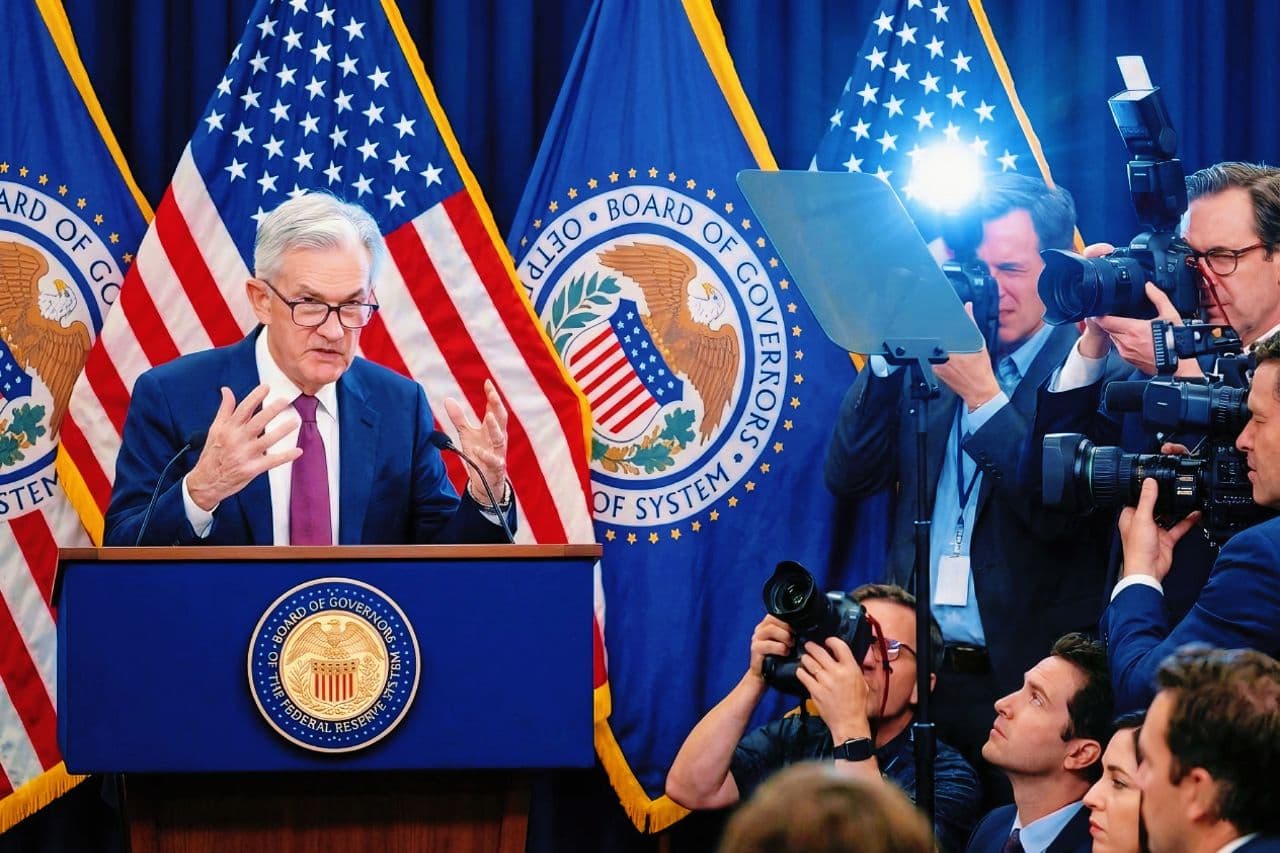
The Federal Open Market Committee (FOMC) is the policymaking arm of the Federal Reserve System, responsible for guiding U.S. monetary policy through open market operations. It holds the authority to expand or contract the economy by adjusting the money supply, influencing interest rates, and steering economic growth based on current market conditions.
What Is the Federal Open Market Committee (FOMC)?
The Federal Open Market Committee (FOMC) is the key policymaking body within the Federal Reserve System, responsible for directing open market operations (OMOs) the buying and selling of U.S. government securities to influence interest rates and monetary policy.
The committee consists of 12 voting members:
- 7 members from the Board of Governors
- The President of the Federal Reserve Bank of New York
- 4 rotating presidents from the remaining 11 regional Reserve Banks
Through its decisions, the FOMC sets the federal funds rate target, which affects short-term interest rates, credit availability, and broader economic conditions.
- The FOMC sets the direction of U.S. monetary policy by overseeing open market operations, which influence interest rates and liquidity.
- The committee includes 12 voting members: 7 from the Board of Governors and 5 Federal Reserve Bank presidents (1 permanent from New York, 4 rotating from regional banks).
- The FOMC holds eight scheduled meetings per year, often driving Wall Street speculation as analysts anticipate changes to the federal funds rate and broader policy shifts.
Key Takeaways






The Federal Open Market Committee (FOMC) is the monetary policy engine of the Federal Reserve, meeting eight times a year to assess economic conditions and vote on policy changes. These decisions typically involving the buying or selling of U.S. government securities aim to guide the economy toward stable growth, maximum employment, and price stability.
FOMC members are often classified by their policy leanings:
- Hawks favor tighter monetary policy to combat inflation.
- Doves advocate for stimulus to support growth and employment.
- Moderates seek a balanced approach.
2025 FOMC Leadership & Composition
- Chair: Jerome Powell (moderate), serving his second term since May 23, 2022
- Vice-Chair: John Williams, President of the Federal Reserve Bank of New York
- Board Members: Michael S. Barr, Michelle W. Bowman, Lisa D. Cook, Philip N. Jefferson, Adriana D. Kugler, Christopher J. Waller
Regional Representation
The 12 Federal Reserve Banks represent distinct U.S. districts. While New York’s president serves continuously, the remaining Reserve Bank presidents rotate annually based on four geographic groups:
- Boston, Philadelphia, Richmond
- Cleveland, Chicago (rotate every two years)
- St. Louis, Dallas, Atlanta
- Kansas City, Minneapolis, San Francisco
This rotation ensures nationwide representation in monetary policy decisions.






FOMC Meetings: Where U.S. Monetary Policy Takes Shape
The Federal Open Market Committee (FOMC) holds eight scheduled meetings per year, with the flexibility to convene more often if economic conditions demand it. These meetings are closed to the public, fueling Wall Street speculation as analysts try to anticipate whether the Fed will tighten or loosen the money supply, impacting interest rates and market sentiment.
During each meeting:
- Members review domestic and global financial developments
- They analyze economic forecasts and monetary trends
- All Board of Governors and 12 Reserve Bank presidents contribute insights
- Only designated voting members cast ballots on policy decisions
In recent years, meeting minutes have been released post-session, offering transparency into the Fed’s thinking. When news breaks about a Fed rate change, it’s typically the result of one of these regular FOMC meetings.
At its December 2024 meeting, the Federal Open Market Committee (FOMC) lowered the federal funds rate target to a range of 4.25% 4.50%, marking a 0.25% decrease from the November 2024 meeting. This move signaled a shift toward monetary easing, reflecting the Fed’s response to evolving economic conditions, inflation trends, and labor market data.
Rate adjustments like this directly influence borrowing costs, credit availability, and market sentiment, making FOMC decisions a focal point for investors and policymakers alike.






FOMC Operations: How the Fed Manages the Money Supply
The Federal Reserve uses three core tools to adjust the money supply:
- Open Market Operations (OMOs)
- Discount rate adjustments
- Bank reserve requirements
While the Board of Governors sets the discount rate and reserve ratios, the Federal Open Market Committee (FOMC) oversees OMOs buying and selling U.S. government securities to influence liquidity. For example, to tighten the money supply, the Fed sells securities, pulling cash out of the banking system.
System Open Market Account (SOMA)
Securities purchased through OMOs are held in the Fed’s System Open Market Account (SOMA):
- Domestic portfolio: U.S. Treasuries and federal agency securities
- Foreign portfolio: Assets denominated in euros and Japanese yen
The Federal Reserve Bank of New York executes all open market transactions, based on instructions from the SOMA manager, who receives the FOMC’s policy directive after each meeting.
Impact on Interest Rates
The interaction of these tools determines the federal funds rate the overnight lending rate between depository institutions. This benchmark rate influences:
- Short-term interest rates
- Long-term yields
- Foreign exchange rates
- Credit supply
- Investment demand
- Employment and economic output
The FOMC’s authority to manage these operations is granted by the Federal Reserve Act of 1913 and the Monetary Control Act of 1980.






Special Considerations: FOMC’s Long-Term Policy Commitment
On January 30, 2024, the Federal Open Market Committee (FOMC) reaffirmed its Statement of Longer-Run Goals and Monetary Policy Strategy, reinforcing its commitment to a statutory mandate from Congress:
- Promote maximum employment
- Maintain stable prices
- Support moderate long-term interest rates
Because monetary policy shapes inflation over time, the FOMC reiterated its view that a 2% inflation target best aligns with its long-run objectives. This benchmark guides the Fed’s decisions on interest rates, asset purchases, and forward guidance, anchoring expectations across financial markets.






What Does the Federal Open Market Committee (FOMC) Do?
The Federal Open Market Committee (FOMC) is the primary policymaking body within the Federal Reserve System, tasked with steering U.S. monetary policy through open market operations (OMOs). This 12-member committee sets the target range for the federal funds rate the interest rate at which banks lend to each other overnight.
By adjusting this rate, the FOMC influences:
- Short-term interest rates
- Credit conditions
- Inflation expectations
- Economic growth
Its decisions guide the buying and selling of government securities, shaping liquidity in the financial system and signaling the Fed’s stance on stimulus vs. tightening.






Is the FOMC the Same as the Fed?
No while closely connected, the Federal Open Market Committee (FOMC) is not the same as the Federal Reserve (the Fed). The FOMC is a specialized 12-member committee within the Fed that oversees open market operations (OMOs) the buying and selling of government securities to influence the federal funds rate and guide monetary policy.
In contrast, the Federal Reserve System includes:
- The Board of Governors, which sets the discount rate and reserve requirements
- 12 regional Reserve Banks, which implement policy and serve their districts
- The FOMC, which focuses exclusively on OMOs and short-term interest rate targeting
Together, these entities form the full architecture of the U.S. central banking system.






How Often Does the FOMC Meet?
The Federal Open Market Committee (FOMC) holds eight regularly scheduled meetings each year, spaced throughout the calendar to assess evolving economic conditions, inflation trends, and monetary policy needs. While these meetings are pre-planned, the FOMC can convene additional sessions if urgent developments arise in financial markets or the broader economy.
Each meeting is closely watched by analysts and investors, as decisions made here directly impact the federal funds rate, interest rates, and market sentiment.






The Bottom Line
The Federal Open Market Committee (FOMC) is the monetary policy arm of the Federal Reserve, responsible for managing open market operations the buying and selling of government securities. Through these actions, the FOMC sets the target federal funds rate, which influences a wide range of interest rates across the economy.
By adjusting liquidity and borrowing costs, the FOMC can either stimulate growth or cool down inflation, depending on prevailing market conditions. Its decisions ripple through credit markets, consumer spending, and business investment, making it one of the most powerful economic levers in the U.S. financial system.