Federal Reserve Holds Interest Rates Steady Amid Inflation Pressures and Job Market Concerns
- The Federal Reserve decided to keep borrowing costs unchanged after three straight quarter-point cuts to its benchmark interest rate.
- Persistent inflation and a weakening job market are pulling monetary policy in opposite directions, leaving the Fed to balance growth concerns with price stability.
- Despite mounting political pressure from the Trump administration to push rates lower, the Fed is standing firm on its current path.
Key Takeaways
Federal Reserve Holds Rates Steady as Inflation and Job Market Risks Collide
Borrowing costs will remain unchanged for now, with the Federal Reserve shifting back into a wait-and-see stance as it weighs whether inflation or unemployment poses the bigger challenge for the economy.
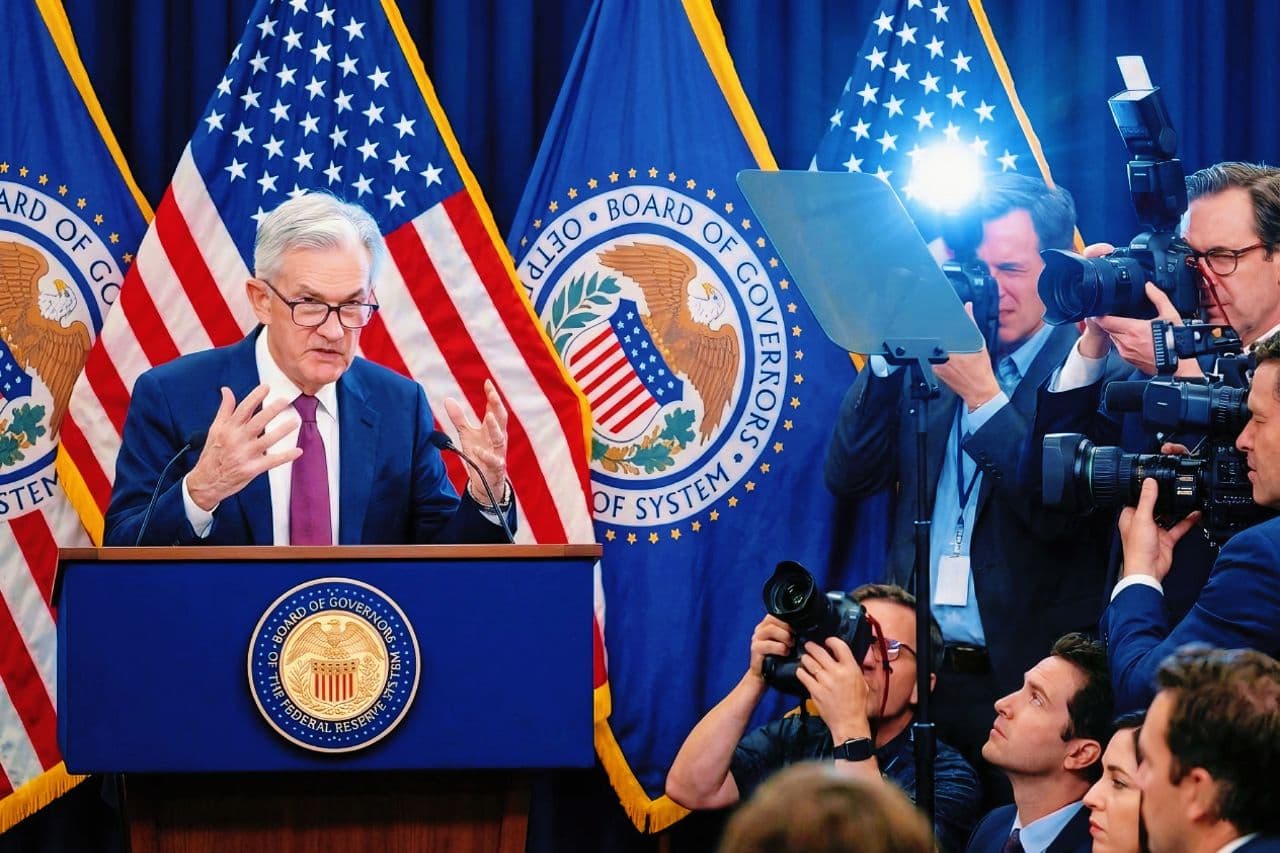
On Wednesday, the Fed’s policy committee voted to keep its benchmark interest rate at 3.5% to 3.75%, pausing after three consecutive quarter-point cuts. The decision passed 10-2, with Governors Stephen Miran and Christopher Waller dissenting in favor of another reduction.
Officials remain divided between cutting rates to support a slowing job market and keeping them higher to rein in inflation, which has exceeded the Fed’s 2% target for more than four years.
The committee reiterated its December language, saying it will closely monitor incoming data, the evolving outlook, and the balance of risks before making further adjustments.
The federal funds rate remains the Fed’s primary tool for steering borrowing costs across mortgages, credit cards, and business loans, while fulfilling its dual mandate of controlling inflation and maximizing employment.
The conclusion of the Federal Reserve’s latest rate-cutting cycle marks the start of a period of stability in borrowing costs. This pause could extend for months, providing predictability for households and businesses, unless disrupted by new leadership or shifting economic conditions.






The Federal Reserve’s policy committee echoed much of its December statement but added new language highlighting ongoing challenges in the labor market and inflation. Officials noted that job gains remain subdued, with the unemployment rate showing early signs of stabilizing.
At the same time, inflation continues to run above desired levels, reinforcing the Fed’s cautious stance on monetary policy. The combination of weak hiring and persistent price pressures underscores the delicate balance the committee faces in guiding the economy.






Federal Reserve Independence Tested as Trump Pushes for Sharp Rate Cuts
The Federal Reserve’s choice to keep interest rates steady stands in direct contrast to President Donald Trump’s repeated demands for aggressive cuts. In recent months, the administration has escalated its criticism of the central bank, pursuing legal actions against Fed officials, including threats of criminal prosecution against Chair Jerome Powell and an attempt to remove Governor Lisa Cook now pending before the Supreme Court.
Trump has argued that lower borrowing costs would ease household finances and stimulate the economy by reducing loan expenses such as mortgages. He has denied prior knowledge of the Justice Department’s actions against Powell. Fed leaders, however, have accused the administration of intimidation and of undermining the independence Congress granted the institution to shield it from political influence.
Economists emphasize that the Fed’s separation from politics has historically strengthened its ability to manage monetary policy effectively. In countries where central banks lack independence, political leaders often push rates lower for short-term gains, but this frequently results in runaway inflation and long-term instability.






Fed Faces Tough Choices as Inflation Pressures and Weak Job Market Collide
Economy Isn't Making Decisions Easy
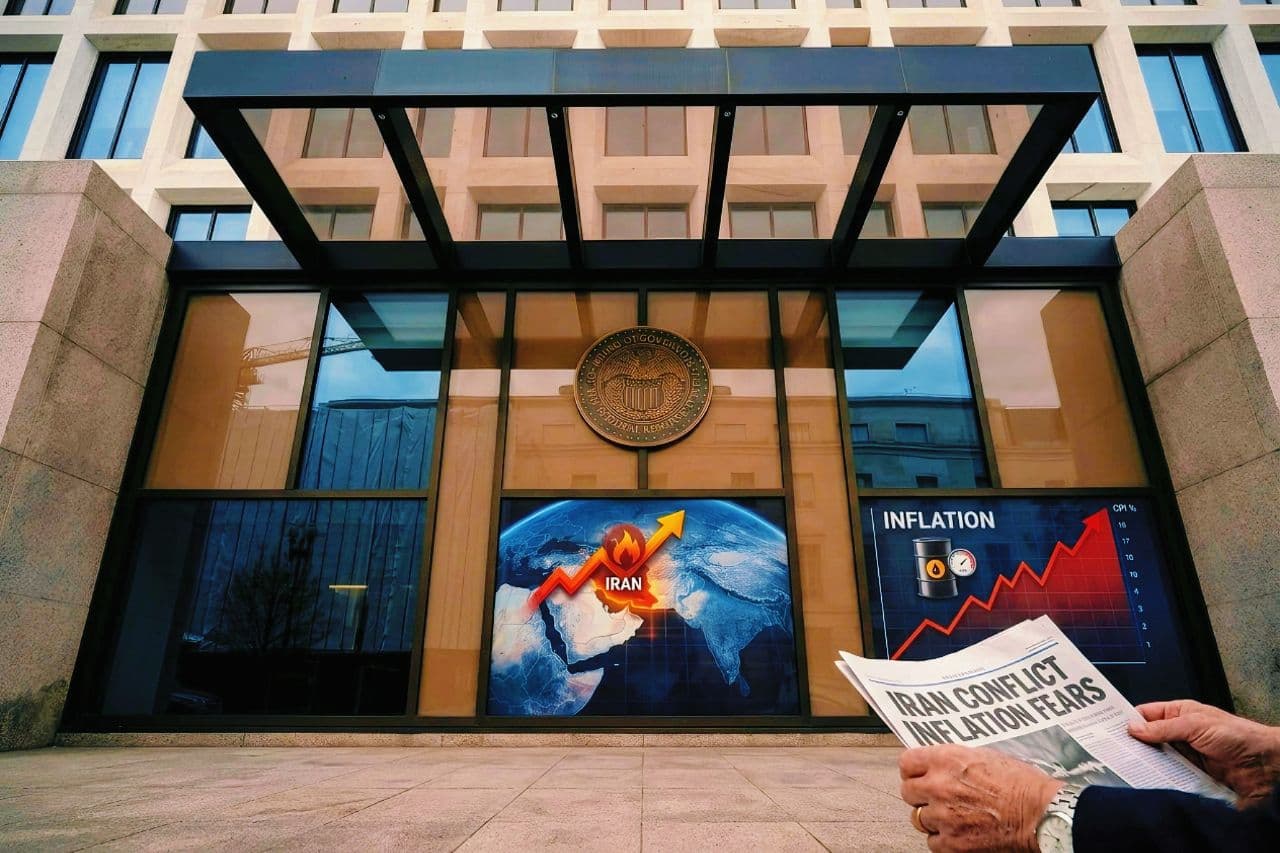
The Federal Reserve is caught in a policy dilemma, with economic signals pulling in opposite directions. Inflation, which had cooled after its pandemic spike, stalled in 2025 as tariffs drove up consumer prices. That trend would normally push the Fed to keep rates higher in order to contain inflation.
At the same time, job creation has nearly stalled, and unemployment has ticked up as Trump’s unpredictable trade policies created uncertainty for businesses, discouraging hiring and expansion. Lowering rates could help ease that strain, but risks fueling inflation further.
The situation is complicated by the October November government shutdown, which delayed and distorted key employment and inflation data. With another shutdown looming amid immigration funding debates, clarity on the economic outlook remains elusive.
Markets expect the Fed to hold rates steady until at least June, which will mark the first meeting after Powell’s term as chair ends in May.






The Bottom Line
The Federal Reserve’s decision to pause rate cuts signals a period of stability in borrowing costs. For households and businesses, this means predictable loan expenses for now, though future moves will depend on how inflation and employment trends evolve.