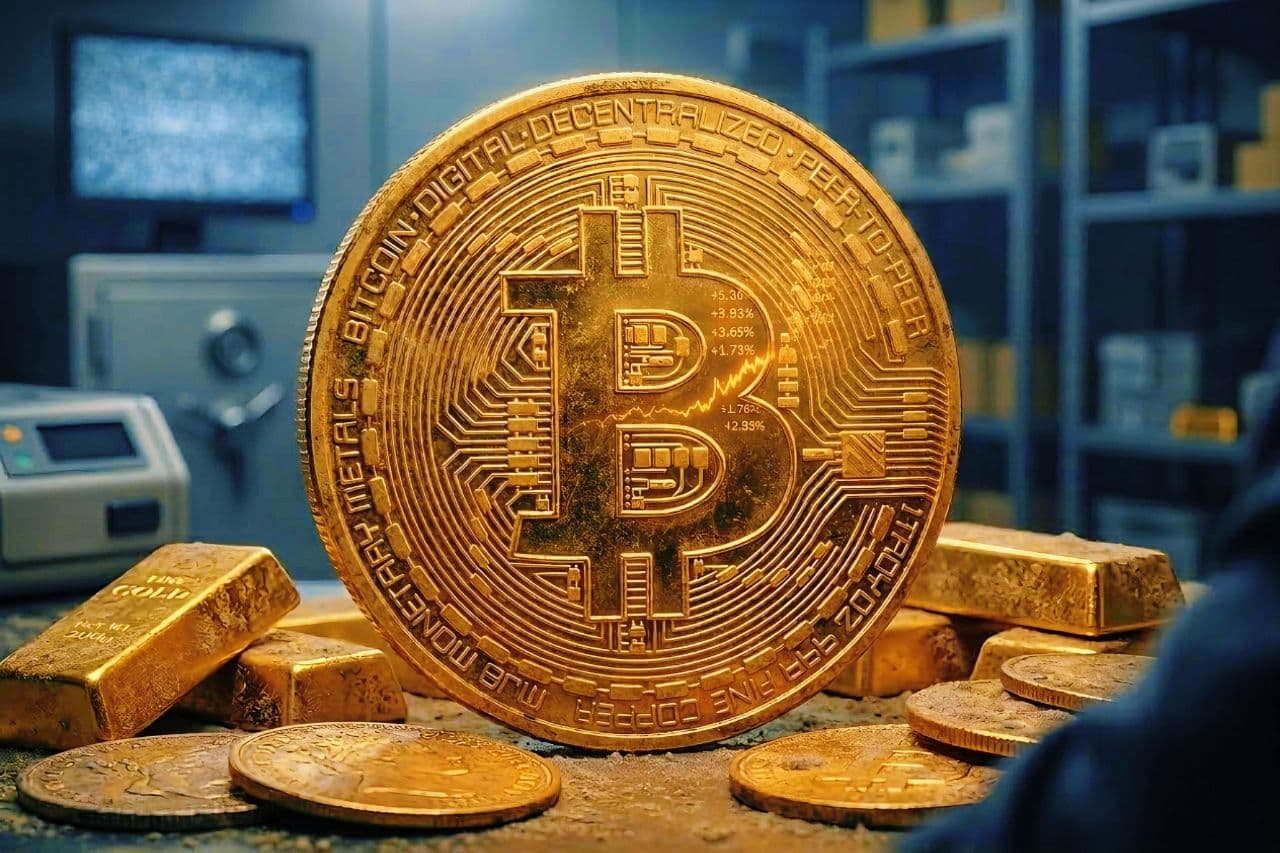
Gold Price Breaks $5,000: Historic Surge and Investment Opportunity
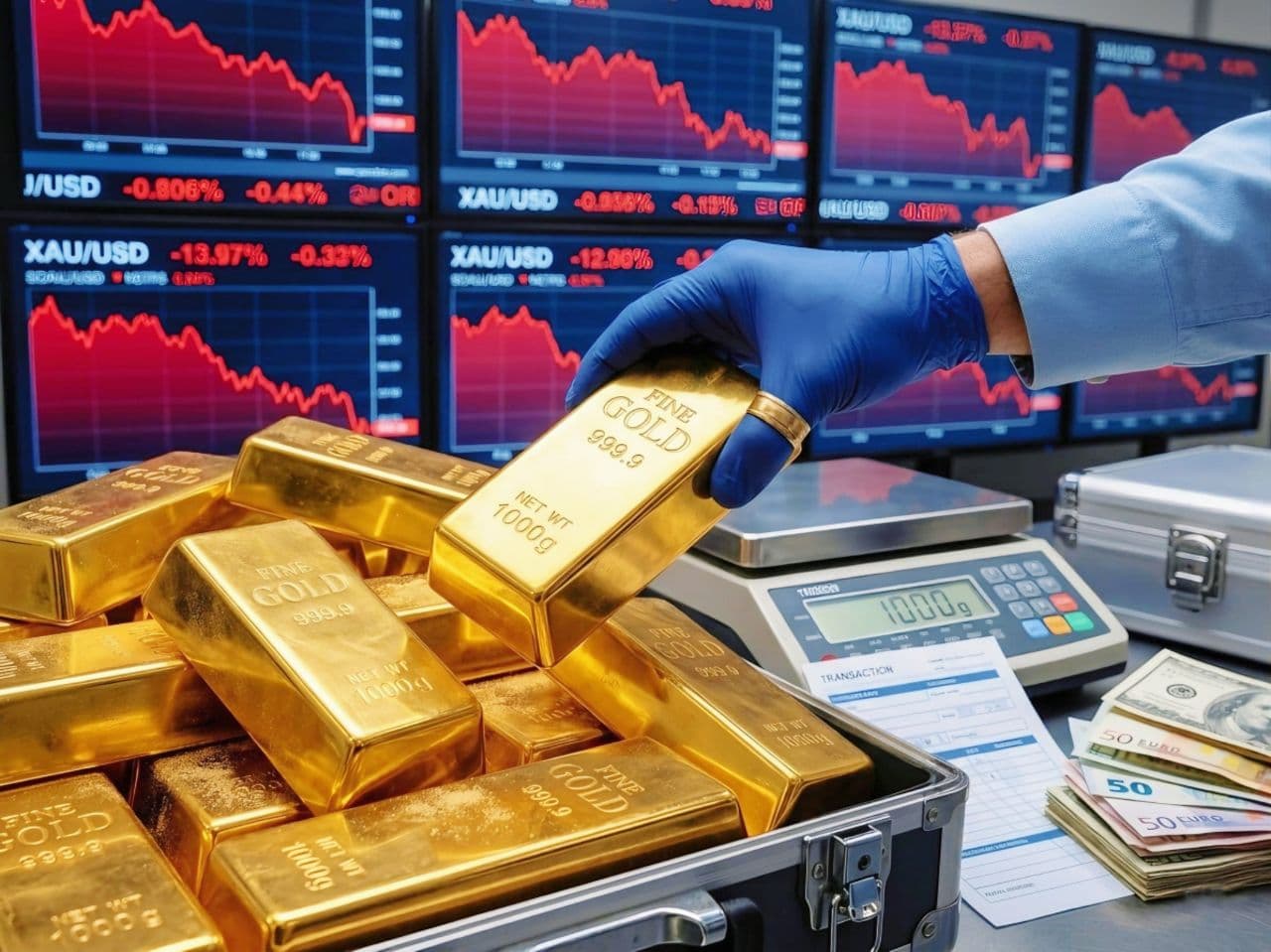
- Gold prices hit historic highs Monday, surpassing $5,000 per ounce for the first time.
- This milestone reflects strong investor demand for safe-haven assets as geopolitical tensions and economic uncertainty continue to drive markets.
- The rally also comes alongside gains in other precious metals, signaling a broader trend in commodities as investors seek stability.
Key Takeaways
Gold Breaks $5,000 Milestone Amid Market Momentum
Gold finally reached the long-anticipated milestone, with the spot price surpassing $5,000 per troy ounce over the weekend. Earlier Monday, it climbed above $5,100 before retreating later in the day, marking a historic moment for the precious metal. The surge coincided with U.S. stocks moving higher to start the week, reflecting strong investor demand for safe-haven assets amid broader market activity.






Why Gold’s Surge Matters for Investors
Investor demand for gold remains strong as the precious metal continues to serve as a safe haven during periods of volatility. Over the past year, gold prices have nearly doubled, reflecting how investors increasingly view it as a reliable store of value amid ongoing economic challenges and geopolitical uncertainty. This surge underscores gold’s role not only as a hedge against inflation but also as a stabilizing asset in turbulent markets.






Geopolitics, Policy Risks, and Gold’s Rally
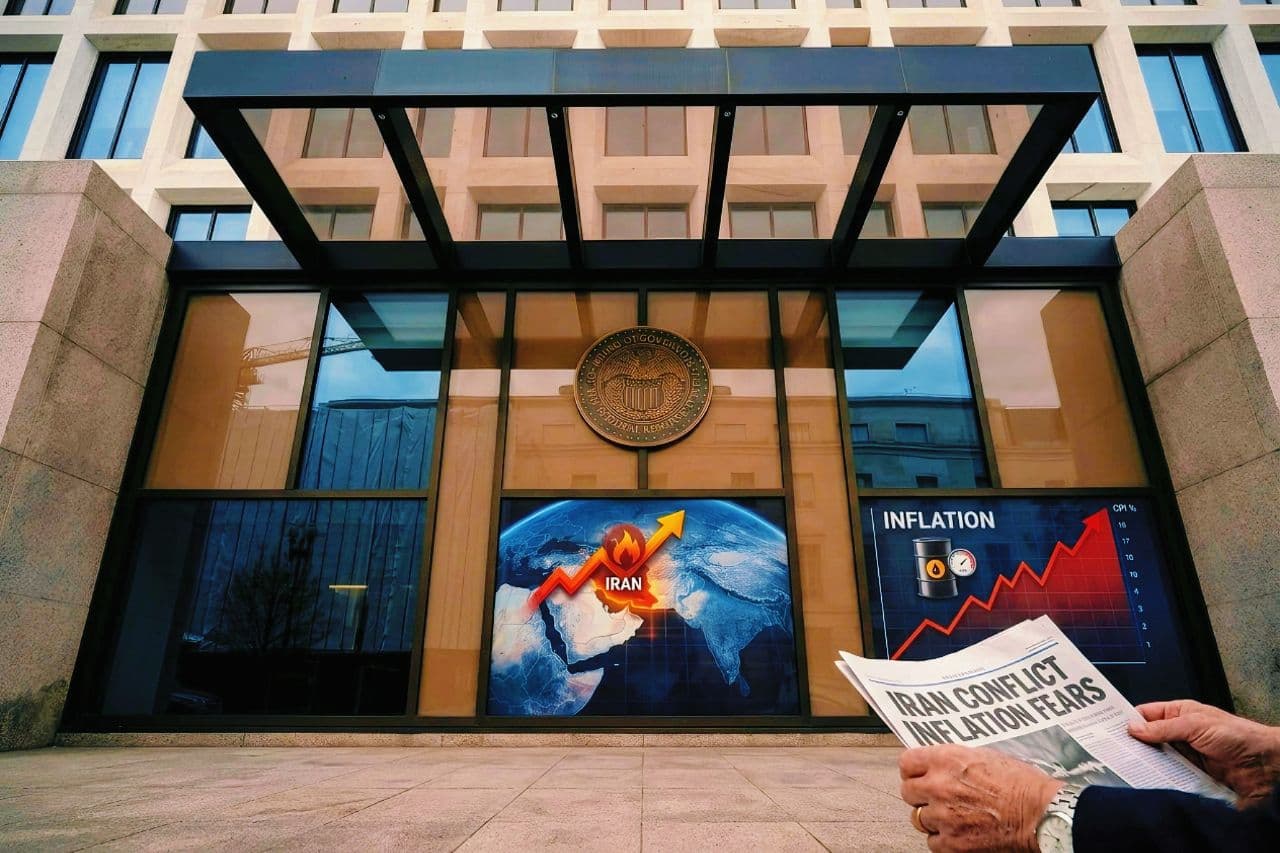
Recent developments suggest a cooling of geopolitical tensions between the U.S., Greenland, and mainland Europe, but analysts warn that deeper issues such as a potential realignment of U.S. alliances and trade relationships remain unresolved. Fresh concerns about another U.S. government shutdown have also weighed on investor sentiment, reinforcing demand for gold as a hedge against uncertainty.
Gold’s surge past $5,000 per ounce reflects this appetite. Analysts had already been targeting higher prices before the milestone, with some projecting $6,000 in the near term. Oppenheimer attributed the rally to emerging market central bank purchases aimed at hedging against the U.S. dollar, alongside expectations of lower interest rates that make non-yielding assets like gold more attractive.
Private investors and consumers, worried about persistent inflation and anticipating two Federal Reserve rate cuts in 2026, have further supported gold’s climb. Together, these factors highlight how geopolitical risks, fiscal uncertainty, and monetary policy expectations are converging to drive historic demand for the precious metal.






Precious Metals Rally and Investor Sentiment
Silver rose 3% Monday to around $104 per ounce, while platinum gained early before ending lower. Analysts believe gold’s surge past $5,000 will continue to attract buyers, not only because it’s a symbolic milestone but also due to its technical “psychological pull.”
Aakash Doshi of State Street Investment Management, who initially set a $5,000 target, now sees gold climbing as high as $5,600 this year. He points to geopolitical risks and domestic policy uncertainty as key drivers of the rally.
The surge in gold, base metals, and rare earth minerals has also boosted emerging markets ETFs. The iShares Core MSCI Emerging Markets ETF (IEMG) is up more than 8% year-to-date, while the VanEck Rare Earth and Strategic Metals ETF (REMX) has soared 34%. Yardeni Research attributes this metals melt-up to rising geopolitical tensions fueling a military arms race, with defense companies increasing demand for raw materials. Yardeni projects gold could reach $6,000 by year-end and as high as $10,000 by 2029.
Meanwhile, Bitcoin continues to behave more like a risk asset than a hedge, trading at $87,400 after hitting $88,200 overnight.






The Bottom Line
Gold’s break above $5,000 per ounce marks a historic milestone, driven by geopolitical tensions, policy uncertainty, and strong investor demand for safe-haven assets. Analysts see the move as both a psychological trigger and a technical breakout, with forecasts ranging from $5,600 this year to as high as $10,000 by 2029. The rally has spilled over into silver, platinum, and metals-focused ETFs, underscoring how global instability and inflation concerns are reshaping investment strategies. For investors, gold’s surge signals both opportunity and caution: while it offers protection in volatile times, its rapid climb also reflects the scale of uncertainty weighing on markets.