Gold Prices Defy Expectations: Expert Insights
- A stronger U.S. dollar is weighing heavily on gold, limiting its appeal as a safe‑haven asset. Investors often flock to gold during uncertainty, but when the dollar strengthens, the metal becomes more expensive for international buyers, curbing demand.
- Lower expectations of near‑term interest rate cuts are another headwind. With the Federal Reserve signaling caution, higher yields on U.S. assets reduce gold’s attractiveness since the metal doesn’t generate income. This dynamic keeps gold prices from surging even as geopolitical risks rise.
- Market experts also point to gold’s strong outperformance over the past year as a reason for its current pause. After a significant rally, traders may be reluctant to push prices higher without fresh catalysts, leaving the metal consolidating rather than climbing.
- Gold’s muted performance reflects broader macroeconomic forces—currency strength, monetary policy, and prior gains—rather than a loss of its safe‑haven status. For investors, it’s a reminder that even traditional hedges can stall when competing pressures dominate.
Key Takeaways
Gold Prices Slip Despite Middle East Tensions
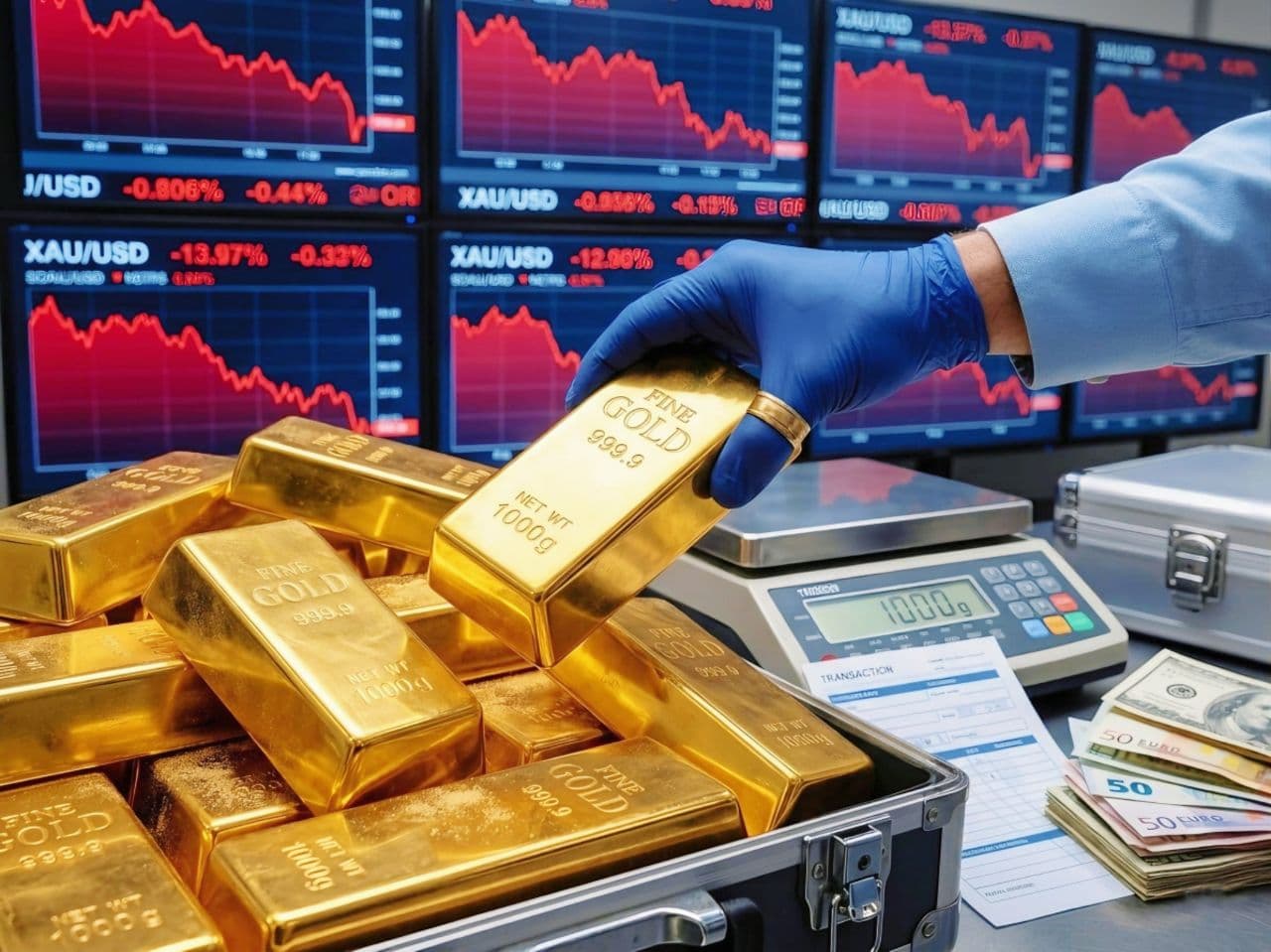
Gold is usually seen as an insurance policy against geopolitical uncertainty, but not so much lately. Amid continued tensions in the Middle East, spot gold fell about 1.6% Thursday to around $5,060 per troy ounce. Funds tracking the metal and mining stocks like the SPDR Gold Trust (GLD) and VanEck Gold Miners ETF (GDX) are set to finish the week in the red, with silver prices also sliding.
Market experts say there are several reasons the traditional safe‑haven asset isn’t performing as expected. For one, investors have treated gold more like a momentum trade over the past year, bidding it up aggressively. That earlier rally has left less room for fresh gains without new catalysts.
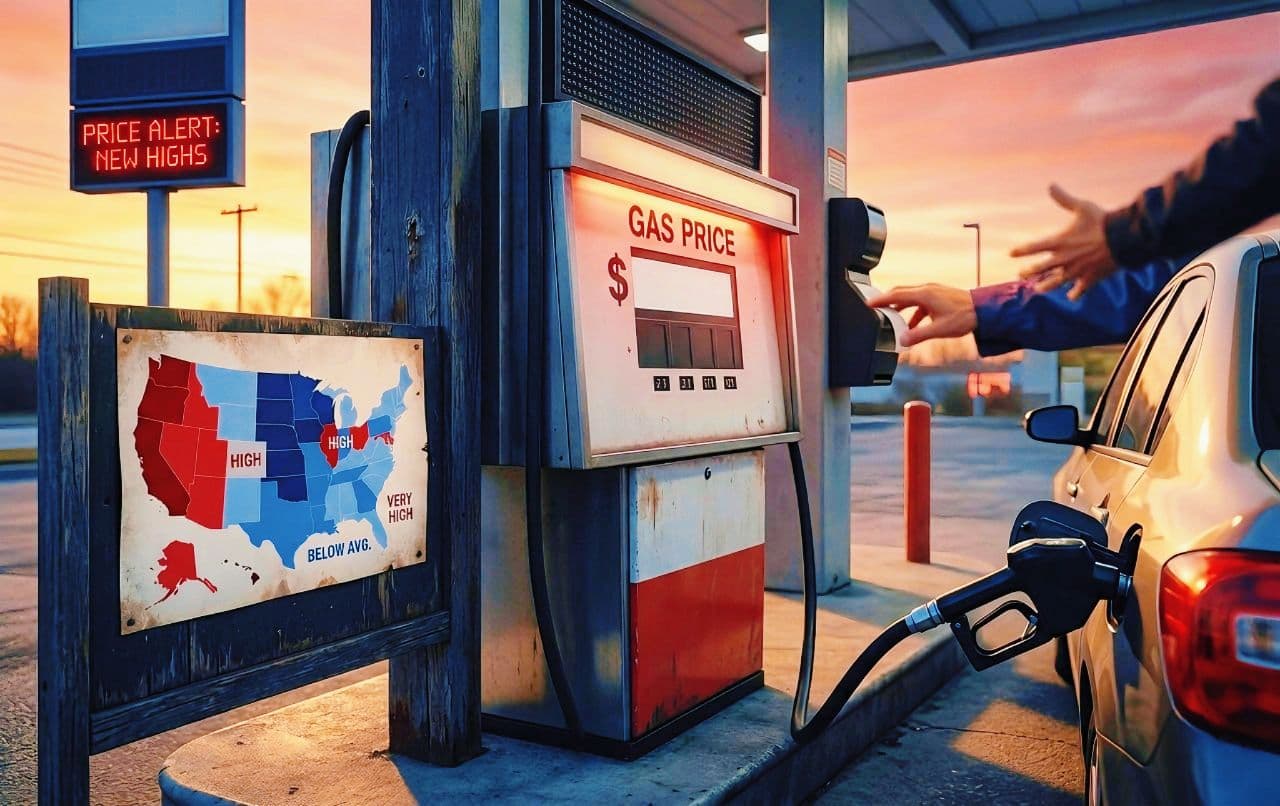
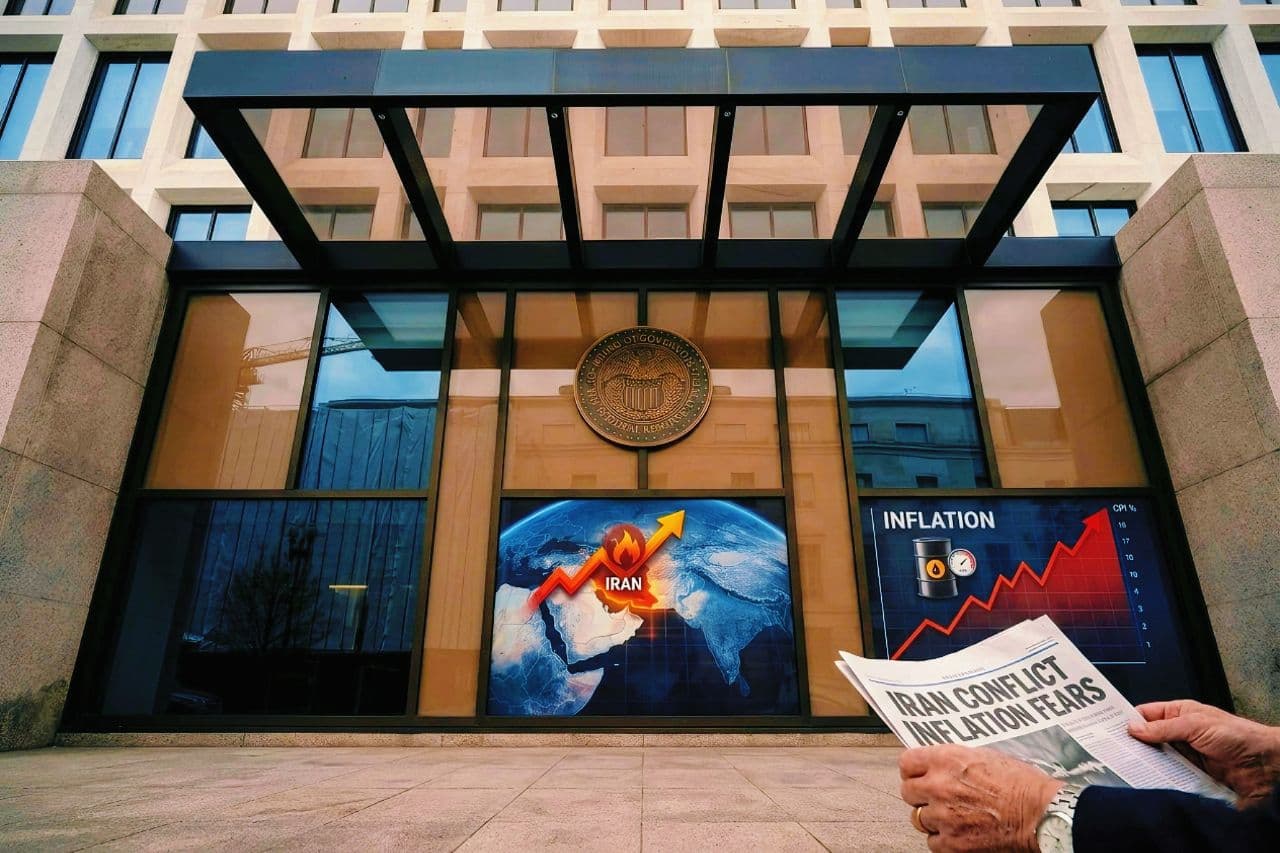
Another factor is inflation risk tied to ongoing strikes on Iran, which have pushed oil prices higher. Rising energy costs increase the likelihood that the Federal Reserve will hold off on cutting interest rates, a scenario that typically weighs on gold since it doesn’t generate yield.
Finally, the stronger U.S. dollar has added pressure. Because gold is priced in dollars, a rising currency makes the metal more expensive for international buyers, often pushing prices in the opposite direction. Together, these forces explain why gold isn’t behaving like the safe‑haven hedge investors expect.






Gold is traditionally held out as a hedge against geopolitical shocks, the asset investors turn to when global risks rise. Yet amid escalating tensions in the Middle East, the precious metal isn’t acting as the ballast portfolios were supposed to rely on. Spot prices have slipped, and gold‑tracking funds are finishing the week lower, raising questions about its safe‑haven role.
The reason this matters is simple: if gold isn’t providing protection during periods of uncertainty, investors may need to rethink diversification strategies. A stronger U.S. dollar, shifting expectations for Federal Reserve policy, and last year’s momentum‑driven rally have all combined to mute gold’s performance. That means portfolios leaning heavily on gold for stability could be more exposed than expected.
For households and traders alike, the lesson is that traditional hedges don’t always behave predictably. In times of geopolitical stress, assets like oil or even cash can outperform gold, reshaping how investors think about risk management.
Gold’s muted response to Middle East tensions shows that safe‑haven assets can stall when competing macroeconomic forces dominate. Investors should be alert to these dynamics and consider broader strategies for protection.




Gold Prices Struggle Against Dollar Strength
Stephen Dover of Franklin Templeton Institute explained that assets which surged significantly over the past year are now showing weaker momentum, including gold. This helps explain why investors aren’t treating the metal as a safe‑haven asset despite ongoing geopolitical turmoil.
JPMorgan’s global markets team noted that crowded trades have unwound, with silver seeing sharper declines than gold. At the same time, limited buying in the dollar has supported demand for the greenback as a safe haven. The U.S. Dollar Index rose about half a percentage point Thursday, reflecting stronger currency positioning.
Gold enthusiasts remain optimistic. The World Gold Council argued that the dollar’s bounce, boosted by conflict‑driven demand, is likely short‑lived. They expect a resumption of the dollar’s downtrend, which should provide renewed support for gold prices in the months ahead.
The broader takeaway is that gold’s short‑term weakness reflects crowded trades, dollar strength, and shifting investor sentiment. Yet if the dollar softens again, gold could reclaim its role as a hedge against geopolitical uncertainty.
Oil Shock Fuels Inflation Fears, Pressures Gold
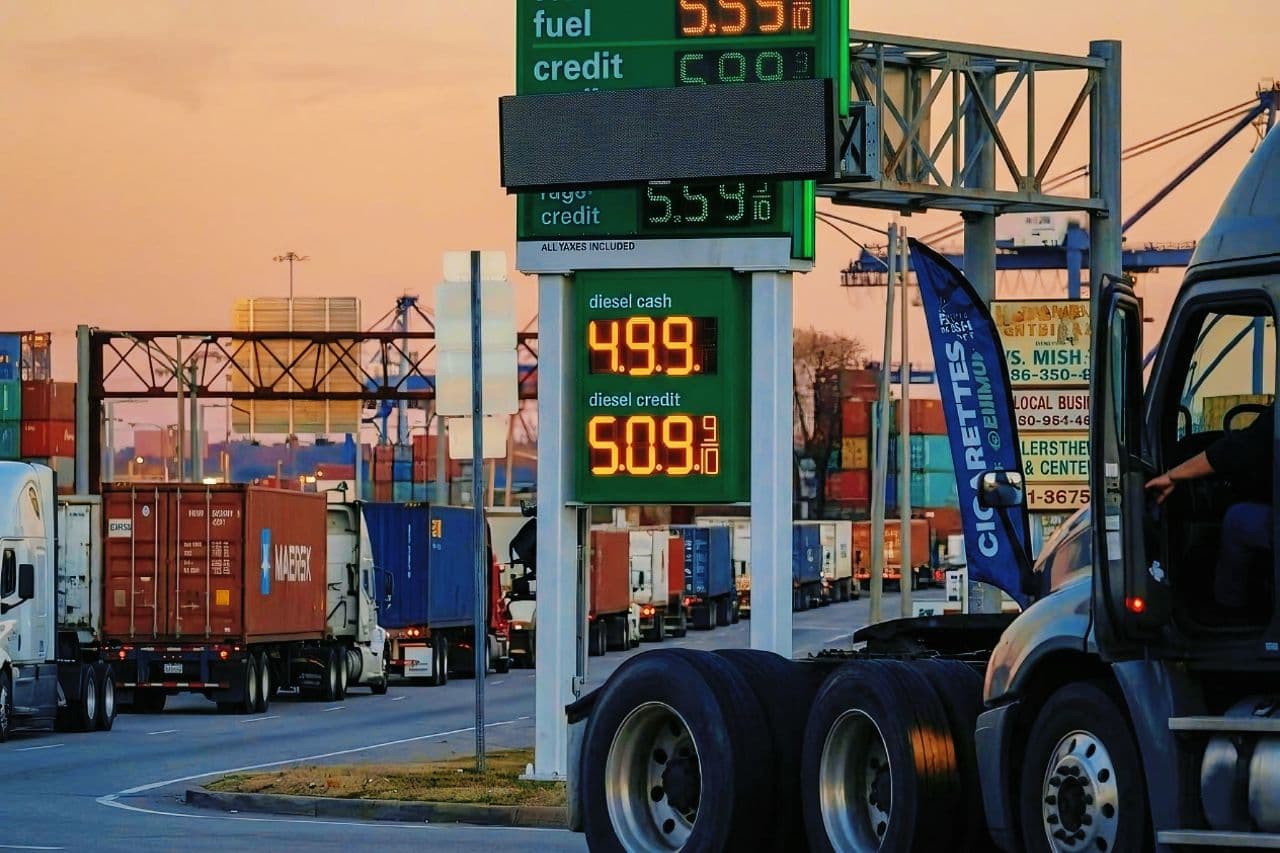
Rising oil prices driven by Middle East conflict have amplified inflation concerns, lowering near‑term expectations of a Federal Reserve rate cut. Goldman Sachs noted in a recent report that while central banks don’t typically respond to oil shocks, they have modestly tightened policy when inflation is already high or when shocks are severe. That dynamic is now weighing on gold, since higher rates make yield‑bearing assets like bonds more attractive.
The shift in expectations is clear in futures markets. Traders who once anticipated a June rate cut have pushed their forecasts further out, now eyeing mid‑September as the likelier window. According to CME FedWatch, 43% of participants expect the Fed’s target range to sit between 3.25% and 3.5% by that meeting.
For gold, this backdrop is a headwind. The metal’s appeal as a safe‑haven hedge weakens when monetary policy favors higher yields elsewhere. Combined with dollar strength, the inflation‑driven delay in rate cuts explains why gold prices are slipping despite geopolitical turmoil.
Oil shocks are reshaping investor expectations, keeping gold under pressure. Unless inflation eases or the Fed signals a dovish pivot, traders may continue to see muted performance from the precious metal even in times of global uncertainty.
The Bottom Line
Gold’s recent weakness shows that even traditional hedges can falter when macroeconomic forces dominate. Rising oil prices have fueled inflation fears, pushing back expectations for Federal Reserve rate cuts. At the same time, dollar strength has made gold more expensive globally, limiting demand.
Crowded trades have also unwound, with silver seeing sharper declines, while investors shifted toward the dollar as a safe haven. This combination has left gold struggling to perform its usual role during geopolitical turmoil.
Still, experts like the World Gold Council argue that the dollar’s bounce is temporary. If the currency resumes its downtrend, gold could regain momentum and reclaim its place as a hedge against uncertainty.
For investors, the lesson is clear: gold remains a long‑term store of value, but short‑term performance depends heavily on monetary policy, currency dynamics, and prior market positioning. Safe‑haven assets don’t always behave predictably, and diversification remains essential.