Hidden Costs of Inflation: How Rising Prices Still Impact Your Wallet
- Inflation has remained elevated for the past five years, with housing and groceries continuing to drive price pressures.
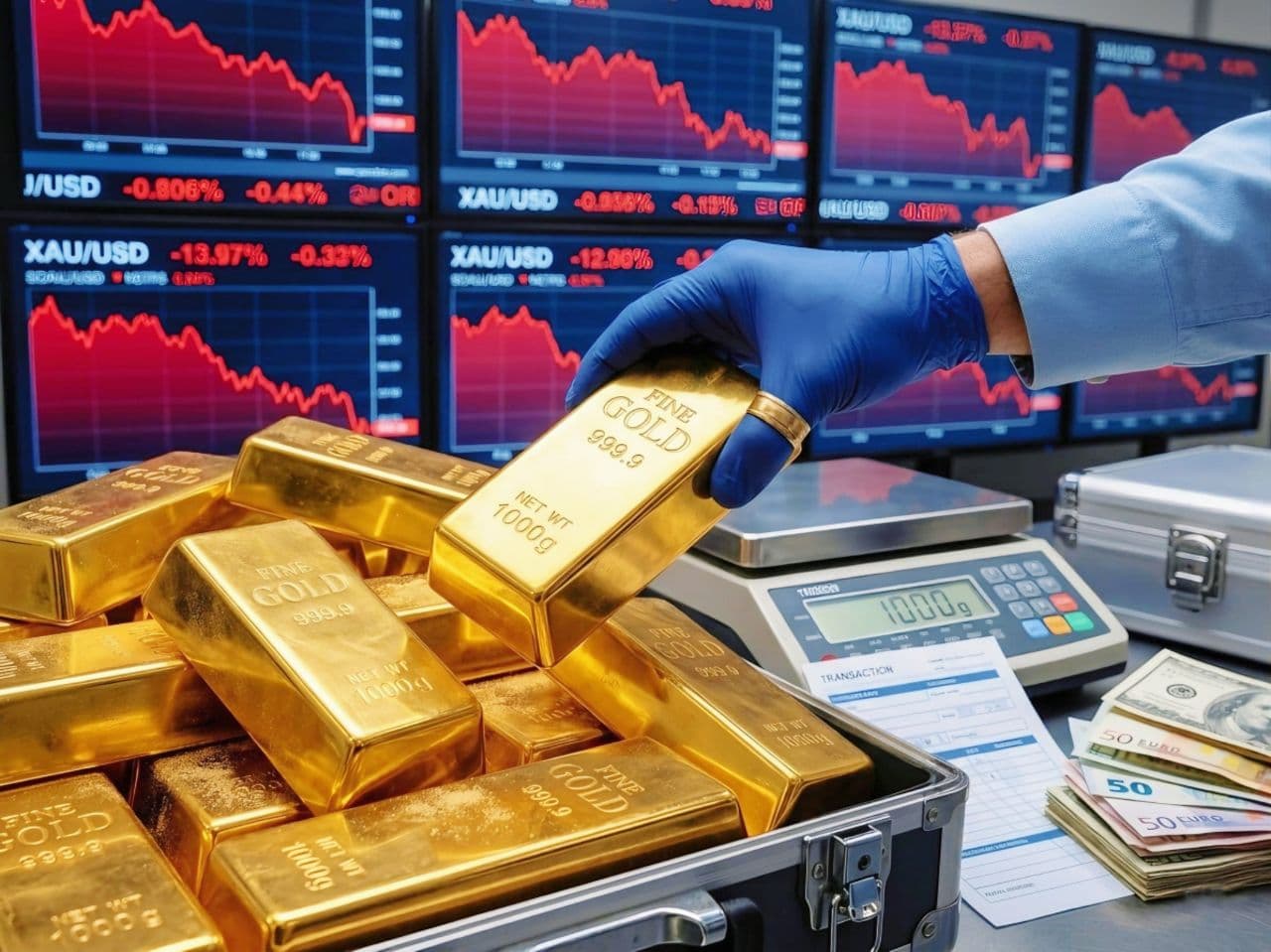
- In 2025, electricity prices climbed as demand surged from AI data centers, while jewelry costs rose alongside higher gold and silver prices.
- Health care emerged as one of the leading drivers of inflation, and financial services costs accelerated sharply as fees and commissions skyrocketed.
Key Takeaways
Inflation’s Hidden Impact: Rising Costs Beyond Housing & Groceries
Inflation has remained a persistent challenge for the U.S. economy over the past five years, with groceries and housing leading the surge in everyday expenses.
Yet the effects extend far beyond these categories, quietly driving up costs in areas that many consumers may overlook.
According to two separate government price measurements, inflation in these overlooked sectors continues to weigh on the broader U.S. economy, eroding household budgets and limiting financial flexibility.


Electricity & Utilities: Inflation Fueled by AI Data Centers and Rising Energy Costs
Electricity and Utilities
- Electricity prices rose 6.9% year-over-year in November’s Consumer Price Index (CPI).
- Several energy products outpaced the overall annual inflation rate of 2.7%, including utility gas services, fuel oils, and motor fuels.
- A key driver may be the surging energy demand from AI data centers, massive facilities consuming increasing amounts of electricity to power advanced computing.
Electricity prices climbed 6.9% year-over-year in November’s Consumer Price Index (CPI), outpacing the overall inflation rate.
Utility gas services, fuel oils, and other motor fuels also rose faster than the annual inflation rate of 2.7%, adding pressure to household budgets.
One contributing factor is the surge in energy consumption from artificial intelligence (AI) data centers, massive facilities whose warehouse-scale operations are driving electricity demand higher.


Why Inflation Still Matters: Rising Costs in Utilities, Health Care & Insurance Impact Your Wallet
Persistent price increases in everyday services such as utilities, health care, and insurance quietly erode household budgets. Over time, these rising costs reduce consumers’ ability to save or invest, creating financial strain not only for families but also for the broader economy.


Furniture & Household Inflation: Rising Costs From Tariffs to Audio Gear & Everyday Essentials
Furniture and Household Items
Furniture prices are climbing faster than the overall inflation rate, with November’s CPI showing living room, kitchen, and dining furniture costs up 4.6%.
Indoor plants and flowers rose at an even sharper pace, while cookware and tableware jumped 6.3%. Tools increased 5.6%, partly due to tariffs. Televisions were cheaper in November’s CPI, but audio equipment surged more than 10%, and even musical instruments saw prices rise faster than inflation.
Tariffs may also be fueling higher furniture costs, though the White House announced last week it would delay a planned increase on imported furniture as trade negotiations continue.
- November’s CPI showed living room, kitchen, and dining furniture prices up 4.6%, outpacing overall inflation.
- Indoor plants and flowers rose even faster, while cookware and tableware climbed 6.3%.
- Tools increased 5.6%, with tariffs contributing to higher costs.
- Television prices fell, but audio equipment surged more than 10%, and even musical instruments rose faster than inflation.
- The White House recently delayed a planned tariff increase on imported furniture as trade negotiations continued.


Jewelry & Outerwear Inflation: Gold, Silver Surge and Tariff Pressures Drive Rising Costs
Jewelry and Outerwear
- Jewelry prices rose 8.3% year-over-year in November’s CPI, driven by tariffs and surging gold and silver prices.
- Overall apparel prices declined, but women’s outerwear climbed 7.4%, defying the broader trend.
- Economists note tariffs are a key factor, with critics highlighting a so-called “pink tariff”—arguing women’s apparel is disproportionately impacted by import taxes.


Health & Dental Inflation: Rising Costs in Hospitals, Nursing Homes, and Elderly Care
Health and Dental Services
- Health care services overall rose at the same pace as inflation, but certain segments outpaced it.
- Hospital services surged 6% year-over-year in November’s CPI.
- Dental services rose 4% in Q3 2025, according to the PCE price index.
- Nursing home costs climbed nearly the same amount, while elderly home care costs jumped more than 10%, making it one of the fastest-rising categories.


Financial Services & Insurance Inflation: Rising Fees, Commissions, and Household Coverage Costs
Financial Services and Insurance
The cost of financial services surged in 2025, with prices accelerating in the second half of the year. According to the PCE index, financial services and insurance rose by 5.6% last year. Fees and commissions were among the biggest drivers, climbing more than 8% in the third quarter of 2025. The CPI report also showed household insurance costs increasing by 7%, adding further strain to consumer budgets.


The Bottom Line
Inflation continues to weigh on the U.S. economy, extending beyond groceries and housing into utilities, health care, insurance, and household goods. Rising fees, tariffs, and surging energy demand from AI data centers are quietly eroding consumer budgets. Even as headline inflation moderates, the persistent climb in everyday costs makes saving and investing harder, keeping financial pressure high for American households.